-
Egyptian Mau Coloring Page

-
Watch “Veterinarians Debunk 13 Cat Myths” on YouTube
-
Some favorite quotes
Since the late 1990’s I have had some sort of web site(s) or blog(s) hosted on a variety of platforms. To help facilitate this I have collected a massive library of story/post ideas, images and quotes. Below are five (5) of my favorite quotes that express in part who I am.
“Real devotion is an unbroken receptivity to the truth. Real devotion is rooted in an awed and reverent gratitude, but one that is lucid, grounded, and intelligent.” Sogyal Rinpoche
“There must exist a paradigm, a practical model for social change that includes an understanding of ways to transform consciousness that are linked to efforts to transform structures.” Bell Hooks, Killing Rage: Ending Racism.
“Wounding and healing are not opposites. They’re part of the same thing. It is our wounds that enable us to be compassionate with the wounds of others. It is our limitations that make us kind to the limitations of other people. It is our loneliness that helps us to find other people or to even know they’re alone with an illness. I think I have served people perfectly with parts of myself I used to be ashamed of.” Rachel Naomi Remen
“If there is no friendship with the poor and no sharing of the life of the poor, then there is no authentic commitment to liberation, because love exists only among equals.” Gustavo Gutierrez, A Theology of Liberation.
“We only believe those thoughts which have been conceived not in the brain but in the whole body.” W.B. Yeats
-
Transference
In Dance Movement Therapy (D/MT) transference and counter transference play a crucial role in the therapy session. Understanding the differing theories of transference, where and how they take place, whether on an emotional, physical, cognitive, or neurological level is an important foundation for the effective treatment of a client. It is because transference is primarily an unconscious process that D/MT as an effective avenue into the subconscious can allow for transference actions to become consciously embodied. It is this embodiment of these subconscious processes that allows for the exploration and bringing to light transference and thus one part of ‘healing’ for the client.
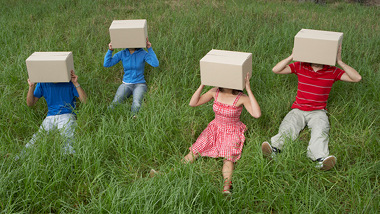
In D/MT client(s) move, through posture and/or gesture in ways that can be less likely to be self-censored. For instance, a therapist asks a question and the client hesitates and chooses their words and answers, censoring (either consciously or not) their response. It’s a cognitive process that we all do generally with little thinking or effort. The therapist asks the same questions and directs the client to respond with the hands in a gesture or a posture with a fuller body expression. I’ve noticed over the years that people tend to respond/react to this type of direction with the same hesitation and then begin to move in ways that express something rarely captured by words. I believe this is because people are used to censoring their words but less so with their movement/gestures/postures.
A great example of this is the Stress-less classes I have taught over the years. Participants almost always identify the body as the way they know they are really stressed out. They report grinding their teeth, clenching their fists, clenching their butt muscles, as the primary resources of how they are feeling/thinking. It’s the bodies uncensored expression of what is happening internally that they notice most. In Dance Movement therapy it is what the body says that we notice most.

-
Top Songs I listened to in 2021: Pauline Croze – Phobe
-
Color full flower

-
Chickadee Coloring Page

-
Why Do Cats Miaow? | Cats Uncovered | BBC
-
Color free flower

-
Movement therapy helps young kids