Tags


10 Sunday May 2020
09 Saturday May 2020
09 Saturday May 2020
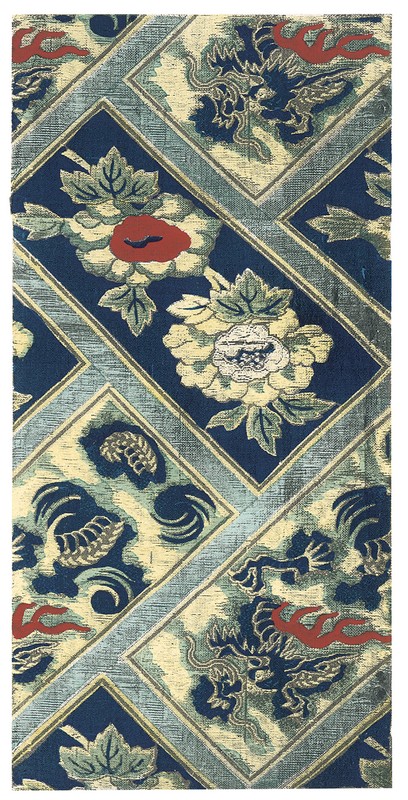
Posted by RichardB | Filed under Japanese Textile Designs
≈ Comments Off on Japanese Textile Designs 114
07 Thursday May 2020
Posted in creative arts therapy, Dance Movement Therapy, Psychotherapy
≈ Comments Off on What is Dance Movement Therapy?
Tags
According to the American Dance Therapy Association (ADTA): Based on the understanding that the body and mind are interrelated, dance/movement therapy (D/MT) is defined as the psychotherapeutic use of movement to further the emotional, cognitive, physical, and social integration of the individual. Dance/movement therapy is practiced in mental health, rehabilitation, medical, educational, and forensic settings, and in nursing homes, day care centers, disease prevention, and health promotion programs. The dance/movement therapist focuses on movement behavior as it emerges in the therapeutic relationship. Expressive, communicative, and adaptive behaviors are all considered for both group and individual treatment. Body movement as the core component of dance simultaneously provides the means of assessment and the mode of intervention for dance/movement therapy.
I often define D/MT to clients as psychotherapy that is not limited to talking but encompasses the full range of human expression, including movement such as gestures and or postures, drawing, writing, drama, music and other expressions that can have a therapeutic benefit for the client(s).
Dance Movement Therapy is a creative arts therapy rooted in the expressive nature of dance. Since dance/movement comes from the body it is considered the most fundamental of the arts and is a direct expression (and experience) of the self. Dance/movement is a basic form of authentic communication, and as such it is an especially effective medium for therapy.
Dance/movement therapists (R-DMT or BC-DMT) work with individuals of all ages, groups and families in a wide variety of settings. They focus on helping their clients improve self-esteem and body image, develop effective communication skills and relationships, expand their movement vocabulary, gain insight into patterns of behavior, as well as create new options for coping with problems. Movement is the primary medium DMT’s use for observation, assessment, research, therapeutic interaction, and interventions.
DMT’s work in settings that include psychiatric and rehabilitation facilities, schools, nursing homes, drug treatment centers, counseling centers, medical facilities, crisis centers, and wellness and alternative health care centers.
07 Thursday May 2020
Posted in Climate Change, discovery
≈ Comments Off on Regeneration: Nurturing Climate Resilience Around the World
Tags
CSIS: Nature-based climate change solutions promise to stabilize agricultural livelihoods, protect environmental resources, and reduce the flow of climate refugees.
06 Wednesday May 2020
05 Tuesday May 2020

05 Tuesday May 2020
Posted in art, Art Therapy, Therapy, Wellness
≈ Comments Off on Art and Asthma
Tags
The fear and anxiety associated with an asthma attack can last long after the attack has subsided. Now research, published online in the Journal of Allergy & Clinical Immunology, reports that the art therapy showed benefits both during the therapy and for months afterward. “Asthma impacts not only a child’s physical well-being but also has a considerable effect on a child’s quality of life and psychological development,” said Anya Beebe, MA, an art therapist at National Jewish Health. “Our study shows that art therapy for children with severe, chronic asthma is clearly beneficial. Our results were striking and persisted for months after treatment stopped.”
In art therapy, patients create artwork that helps express their feelings about an illness, a trauma or medical concerns. The artwork can then serve as a starting point for discussions about these issues. Researchers believe that creating art helps participants establish distance between themselves and their medical concerns. They learn to understand that they have a personal identity outside of their illness. It is believed to be particularly effective with children because they often do not have the adult capabilities to verbally articulate their emotions, perceptions, or beliefs, and often can more comfortably convey ideas in ways other than talking.
You can read more at the National Jewish Health website.
04 Monday May 2020
chay is a Japanese pop singer. She debuted in June 2012 with the digital single “Kimi-tachi Kiwi Papaya Mango da ne.” under Warner Music Japan. Stage Name: chay (チャイ) Real Name: Nagatani Mai (永谷真絵) Birthdate: October 23, 1990 (age 29) Birthplace: Tokyo, Japan
I have a 16,000 plus digital audio collection and I use Media Monkey to manage my files. One feature of Media Monkey is you can sort your collection based on the number of times played. This playlist is based on the top music and/or music video files I played/listened/streamed from my server in 2019. Complete Playlist HERE
03 Sunday May 2020
Posted in John Dryden, Uncategorized
≈ Comments Off on foot
03 Sunday May 2020
02 Saturday May 2020

Posted by RichardB | Filed under Seguy Art Deco Designs
≈ Comments Off on Seguy Art Deco Designs 116
02 Saturday May 2020
01 Friday May 2020
From CNET: “Dogs could potentially be used to sniff out COVID-19. The University of Pennsylvania’s School of Veterinary Medicine said Tuesday that it’s launching a research initiative using scent detection dogs to differentiate between samples from COVID-19 positive and negative patients. ” See full article at CNET

30 Thursday Apr 2020
Posted in creative arts therapy, YouTube
≈ Comments Off on 8 Essentials for Recovery from Addiction
Tags
30 Thursday Apr 2020
Once a week I facilitate a anger management group. I use a variety of handouts and activities to have a process oriented group interaction. One of the hand outs I use is below. I use it in 1 of 2 ways. I have folks fill it out first and then we discuss or we go 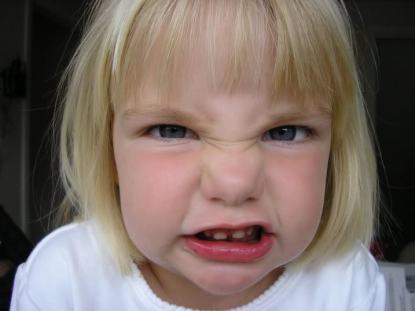 through it together and discuss. We explore as a group, learning from each other.
ANGER WORDS
anger disgust grumpiness rage aggravation dislike hate resentment agitation envy hostility revulsion annoyance exasperation irritation scorn bitterness ferocity jealousy spite contempt frustration loathing torment cruelty fury mean-spiritedness vengefulness destructiveness grouchiness outrage wrath
Other:_________________________
Prompting Events for Feeling Anger
Losing power.
Losing status.
Losing respect.
Being insulted.
Not having things turn out the way you expected.
Experiencing physical pain.
Experiencing emotional pain.
Being threatened with physical or emotional pain by someone or something.
Having an important or pleasurable activity interrupted, postponed, or stopped.
Not obtaining something you want (which another person has).
Other:_______________________________
Interpretations That Prompt Feelings of Anger
Expecting pain.
Feeling that you have been treated unfairly.
Believing that things should be different.
Rigidly thinking “I’m right.”
Judging that the situation is illegitimate, wrong, or unfair.
Ruminating about the event that set off the anger in the first place, or in the past.
Other:____________________________
Experiencing the Emotion of Anger
Feeling incoherent.
Feeling out of control.
Feeling extremely emotional.
Feeling tightness or rigidity in your body.
Feeling your face flush or get hot.
Feeling nervous tension, anxiety or discomfort.
Feeling like you are going to explode.
Muscles tightening. .
Teeth clamping together, mouth tightening.
Crying; being unable to stop tears.
Wanting to hit, bang the wall, throw something, blow up.
Other:__________________________
Expressing and Acting on Anger
Frowning or not smiling; mean or unpleasant facial expression.
Gritting or showing your teeth in an unfriendly manner.
Grinning.
A red or flushed face.
Verbally attacking the cause of your anger; criticizing.
Physically attacking the cause of your anger.
Using obscenities or cursing.
U sing a loud voice, yelling, screaming, or shouting.
Complaining or bitching; talking about how lousy things are.
Clenching your hands or fists.
Making aggressive or threatening gestures.
Pounding on something, throwing things, breaking things.
Walking heavily or stomping; slamming doors, walking out.
Brooding or withdrawing from contract with others.
Other:_____________________
Aftereffects of Anger
Narrowing of attention.
Attending only to the situation making you angry.
Ruminating about the situation making you angry and not being able to think of anything else.
Remembering and ruminating about other situations that have made you angry in the past.
Imagining future situations that will make you angry.
Depersonalization, dissociative experience, numbness.
Intense shame, fear, or other negative emotions.
Other:______________________
29 Wednesday Apr 2020
Posted in one more
≈ Comments Off on one more
“…I keep looking for one more teacher, only to find that fish learn from the water and birds learn from the sky.” Mark Nepo

28 Tuesday Apr 2020
28 Tuesday Apr 2020
Posted in Community, Health, Social Media, Wellness, youtube
≈ Comments Off on What Don’t You Do That You Should Be Doing?
Tags
27 Monday Apr 2020
Moonchild is an alternative R&B band based in Los Angeles, California. The band members are Amber Navran, Max Bryk, and Andris Mattson. All three are alumni of USC Thornton School of Music’s Jazz Studies program. The band formed in the summer of 2011 after touring the west coast with Navran’s previous solo project.
I have a 16,000 plus digital audio collection and I use Media Monkey to manage my files. One feature of Media Monkey is you can sort your collection based on the number of times played. This playlist is based on the top music and/or music video files I played/listened/streamed from my server in 2019. Complete Playlist HERE


 RichardbBrunner