COLORFUL DARKNESS – behind the scenes – Ballett Zürich
03 Wednesday Sep 2025
Posted in Movement
≈ Comments Off on COLORFUL DARKNESS – behind the scenes – Ballett Zürich

03 Wednesday Sep 2025
Posted in Movement
≈ Comments Off on COLORFUL DARKNESS – behind the scenes – Ballett Zürich
02 Thursday Jan 2025
Posted in dance
≈ Comments Off on Ragamala Dance Company – ‘Children of Dharma’ short trailer (premiere)
Tags
20 Sunday Oct 2024
Posted in Movement
≈ Comments Off on A Hypnotic Exploration of Movement | JA Collective | TED
Tags
08 Sunday Sep 2024
10 Saturday Aug 2024
11 Friday Feb 2022
Tags
Narixa is a short dance film based on the beautiful natural element of water. Shot in the ‘Río Chillar’, Nerja it explores the waters journey from spring to sea. Through dance and cinematography we analyse the waters relationship with both the human body and its natural environment. What starts as a pure and unpredictable moment can soon become a one-directional movement.
04 Tuesday Jan 2022
Tags
03 Wednesday Nov 2021
Tags
06 Wednesday Oct 2021
Posted in creative arts therapy, Dance Movement Therapy, Embodied, Evaluation, Movement, Research
≈ Comments Off on Dance/Movement Therapy: Analyzing “Body Language”
15 Wednesday Sep 2021
Posted in creative arts therapy, Dance Movement Therapy, YouTube
≈ Comments Off on The Difference Between “Therapeutic” Dance and Dance/Movement Therapy
Tags
08 Wednesday Sep 2021
Posted in creative arts therapy, Dance, Dance Movement Therapy, Embodied, Movement, Neuroscience, YouTube
≈ Comments Off on Neurology of Dance
11 Wednesday Aug 2021
Tags
10 Wednesday Feb 2021
Posted in creative arts therapy, Dance Movement Therapy, Psychotherapy, Therapy
≈ Comments Off on What is Dance Movement Therapy?
Tags
According to the American Dance Therapy Association (ADTA): Based on the understanding that the body and mind are interrelated, dance/movement therapy (D/MT) is defined as the psychotherapeutic use of movement to further the emotional, cognitive, physical, and social integration of the individual. Dance/movement therapy is practiced in mental health, rehabilitation, medical, educational, and forensic settings, and in nursing homes, day care centers, disease prevention, and health promotion programs. The dance/movement therapist focuses on movement behavior as it emerges in the  therapeutic relationship. Expressive, communicative, and adaptive behaviors are all considered for both group and individual treatment. Body movement as the core component of dance simultaneously provides the means of assessment and the mode of intervention for dance/movement therapy.
I often define D/MT to clients as psychotherapy that is not limited to talking but encompasses the full range of human expression, including movement such as gestures and or postures, drawing, writing, drama, music and other expressions that can have a therapeutic benefit for the client(s).
Dance Movement Therapy is a creative arts therapy rooted in the expressive nature of dance. Since dance/movement comes from the body it is considered the most fundamental of the arts and is a direct expression (and experience) of the self. Dance/movement is a basic form of authentic communication, and as such it is an especially effective medium for therapy.
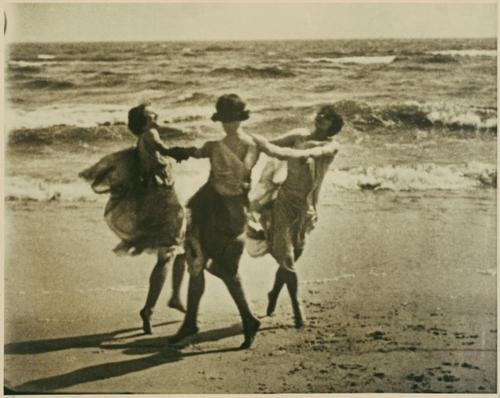 Dance/movement therapists (R-DMT or BC-DMT) work with individuals of all ages, groups and families in a wide variety of settings. They focus on helping their clients improve self-esteem and body image, develop effective communication skills and relationships, expand their movement vocabulary, gain insight into patterns of behavior, as well as create new options for coping with problems. Movement is the primary medium DMT’s use for observation, assessment, research, therapeutic interaction, and interventions.
DMT’s work in settings that include psychiatric and rehabilitation facilities, schools, nursing homes, drug treatment centers, counseling centers, medical facilities, crisis centers, and wellness and alternative health care centers.
24 Thursday Dec 2020
Heidi Fledderjohn MA, BC-DMT is a Board Certified Dance/movement Therapist with 20 years of experience supporting peoples’ desire to learn deeply, grow and feel good. Using play, movement and meditation Fledderjohn generates a solid, soulful and vibrant method for approaching life, change and the self.
15 Tuesday Dec 2020
Tags
10 Thursday Dec 2020
Tags
05 Thursday Nov 2020
27 Tuesday Oct 2020
07 Thursday May 2020
Posted in creative arts therapy, Dance Movement Therapy, Psychotherapy
≈ Comments Off on What is Dance Movement Therapy?
Tags
According to the American Dance Therapy Association (ADTA): Based on the understanding that the body and mind are interrelated, dance/movement therapy (D/MT) is defined as the psychotherapeutic use of movement to further the emotional, cognitive, physical, and social integration of the individual. Dance/movement therapy is practiced in mental health, rehabilitation, medical, educational, and forensic settings, and in nursing homes, day care centers, disease prevention, and health promotion programs. The dance/movement therapist focuses on movement behavior as it emerges in the therapeutic relationship. Expressive, communicative, and adaptive behaviors are all considered for both group and individual treatment. Body movement as the core component of dance simultaneously provides the means of assessment and the mode of intervention for dance/movement therapy.
I often define D/MT to clients as psychotherapy that is not limited to talking but encompasses the full range of human expression, including movement such as gestures and or postures, drawing, writing, drama, music and other expressions that can have a therapeutic benefit for the client(s).
Dance Movement Therapy is a creative arts therapy rooted in the expressive nature of dance. Since dance/movement comes from the body it is considered the most fundamental of the arts and is a direct expression (and experience) of the self. Dance/movement is a basic form of authentic communication, and as such it is an especially effective medium for therapy.
Dance/movement therapists (R-DMT or BC-DMT) work with individuals of all ages, groups and families in a wide variety of settings. They focus on helping their clients improve self-esteem and body image, develop effective communication skills and relationships, expand their movement vocabulary, gain insight into patterns of behavior, as well as create new options for coping with problems. Movement is the primary medium DMT’s use for observation, assessment, research, therapeutic interaction, and interventions.
DMT’s work in settings that include psychiatric and rehabilitation facilities, schools, nursing homes, drug treatment centers, counseling centers, medical facilities, crisis centers, and wellness and alternative health care centers.
09 Thursday Jan 2020
Tags
dance, interfaith, peace, sufi
Ayesha Jeanne Lauenborg was my mentor with the Dances of Universal Peace. Thank you Ayesha for all that you taught me, I think of you often.
 RichardbBrunner