• Home
  • Music
  • About
  • Contact
  • CreativeTherapyTools.com

RichardbBrunner

~ creative arts therapist

RichardbBrunner

Tag Archives: health

Grounding

19 Thursday Dec 2019

Posted by RichardB in grounding, Handout, Health, mental health, Psychoeducation, Therapy

≈ Comments Off on Grounding

Tags

grounding, handouts, health, list

Grounding Techniques are activities you use when you feel overwhelmed by feelings, thoughts, sensations. These techniques help a person move their focus away from what is overwhelming them to something else. That something else is preferable healthy and supportive to their wellbeing. Below is a list that clients and patients have mentioned over the years of things they do that help them ground.

  • Get ice or ice water
  • Breathe – slow and deep, like blowing up a balloon.
  • Take your shoes off and rub your feet on the ground.
  • Open your eyes and look around. See yourself in a different place than.
  • Move around. Feel your body. Stretch out your arms, hands, fingers.
  • Peel an orange or a lemon. Notice the smell. Take a bite. Focus on the taste.
  • Pet your cat, dog or rabbit.
  • Spray yourself with favorite perfume.
  • Eat ice cream! Or any favorite food. Pay attention to the taste.
  • Call a friend.
  • Take a shower.
  • Take a bath.
  • Go for a walk. Feel the sunshine (or rain, or snow!)
  • Count nice things.
  • Dig in the dirt in your garden.
  • Turn lights on.
  • Play your favorite music.
  • Hug a tree!
  • Touch things around you.
  • Frozen Orange – put your nails into it – the cold and the smell can bring you back
  • Pull up the daily newspaper on your browser. Notice the date and read a current article.
  • Stomp your feet to remind yourself where you are. Press your feet firmly into the ground.
  • Try to notice where you are, your surroundings including people, sounds like the t.v. or radio.
  • Concentrate on your breathing. Take a deep cleansing breath from your diaphragm. Count the breaths as you exhale. Make sure you breath slowly so you don’t hyperventilate.
  • Cross your legs and arms. Feel the sensations of you controlling your body.
  • Call a friend and ask them to talk with you about something you have recently done together.
  • Take a warm relaxing bubble bath or a warm shower. Feel the water touching your body.
  • Mentally remind yourself that the memory was then, and it is over. Give yourself permission to not think about it right now.
  • Realize that no matter how small you feel, you are an adult.
  • Go outside and sit against a tree. Feel the bark pressing against your body. Smell the outside aromas like the grass and the leaves. Run your fingers through the grass.
  • If you are sitting, stand. If you are standing sit. Pay attention to the movement change. Reminding yourself — you are in control.
  • Rub your palms, clap your hands. Listen to the sounds. Feel the sensation.
  • Speak out loud. Say your name or significant others name.
  • Hold something that you find comforting, for some it may be a stuffed animal or a blanket. Notice how it feels in your hands. Is it hard or soft?
  • Eat something. How does it taste, sweet or sour? Is it warm or cold?
  • If you have a pet use that moment to touch them. Feel their fur and speak the animals name out loud.
  • Visualize a bright red STOP sign to help you stop the flashback and/or memory
  • Step outside. If it’s warm, feel the sun shining down on your face. If it’s cold, feel the breeze. How does it make your body feel?
  • Take a walk outside and notice your neighborhood. Pay attention to houses and count them.
  • Listen to familiar music and sing along to it. Dance to it.
  • Write in your journal. Pay attention to yourself holding the pencil. Write about what you are remembering and visualize the memory traveling out of you into the pencil and onto the paper. Tear the paper up or seal it in an envelope. Give it to your therapist for safekeeping.
  • Go online and talk with an online friend. Write an email.
  • Imagine yourself in a safe place. Feel the safety and know it.
  • Watch a favorite t.v. program or video. Play a video game.
  • If you have a garden, work in it. Feel your hands running through the dirt.
  • Wash dishes or clean your house.
  • Meditate if you are comfortable with it.
  • Exercise. Ride a bike, stationary or otherwise. Lift weights. Do jumping jacks.

Weight stigma associated with harmful #health consequences

01 Friday Nov 2019

Posted by RichardB in behavior, diet, eat, emotions, Health and wellness, men, research

≈ 1 Comment

Tags

diet, health, men, research, stigma

Men’s health may be compromised by weight stigma, finds the latest research from the University of Connecticut.

As many as 40% of men report experiencing weight stigma, but little is known about how this stigma affects their health. This study found that men experiencing weight stigma have more depressive symptoms, are more likely to binge eat, and have lower self-rated health.  Read More at Science Daily

mid section view of a man sitting on a bench in a park


Self-Affirmation Improves Problem-Solving

11 Friday Oct 2019

Posted by RichardB in emotions, grounding, Health, lifestyle, positive, self talk, Wellness

≈ Comments Off on Self-Affirmation Improves Problem-Solving

Tags

creative, health, solve problems, studies

It’s no secret that stress increases your susceptibility to health problems, and it also impacts your ability to solve problems and be creative. But methods to prevent associated risks and effects have been less clear – until now.feelings-34
Published in PLOS ONE, new research from Carnegie Mellon University provides the first evidence that self-affirmation can protect against the damaging effects of stress on problem-solving performance. Understanding that self-affirmation – the process of identifying and focusing on one’s most important values – boosts stressed individuals’ problem-solving abilities will help guide future research and the development of educational interventions.
“An emerging set of published studies suggest that a brief self-affirmation activity at the beginning of a school term can boost academic grade-point averages in underperforming kids at the end of the semester. This new work suggests a mechanism for these studies, showing self-affirmation effects on actual problem-solving performance under pressure,” said J. David Creswell, assistant professor of psychology in CMU’s Dietrich College of Humanities and Social Sciences.
Because previous research indicated that self-affirmation may be an effective stress management approach, Creswell and his research team had college students rank-order a set of values (e.g., art, business, family and friends) in terms of their personal importance, and indicate their levels of chronic stress. Participants randomly assigned to a self-affirmation condition were asked to write a couple of sentences about why their number one ranked value was important (a standard self-affirmation exercise). All participants then had to complete a challenging problem-solving task under time pressure, which required creativity in order to generate correct solutions.tumblr_m7dhgp7vPe1qa9c27o1_1280
The results showed that participants who were under high levels of chronic stress during the past month had impaired problem-solving performance. In fact, they solved about 50 percent fewer problems in the task. But notably, this effect was qualified by whether participants had an opportunity to first complete the self-affirmation activity. Specifically, a brief self-affirmation was effective in eliminating the deleterious effects of chronic stress on problem-solving performance, such that chronically stressed self-affirmed participants performed under pressure at the same level as participants with low chronic stress levels.
“People under high stress can foster better problem-solving simply by taking a moment beforehand to think about something that is important to them,” Creswell said. “It’s an easy-to-use and portable strategy you can roll out before you enter that high pressure performance situation.

University of California-Sleep Key to Health and Wellness

04 Wednesday Sep 2019

Posted by RichardB in Health, Wellness, YouTube

≈ Comments Off on University of California-Sleep Key to Health and Wellness

Tags

health, sleep, uc

Yoga may boost your brain power

14 Wednesday Aug 2019

Posted by RichardB in brain, breath, Creativity, emotions, Health, pain management, Relaxation, Therapy

≈ Comments Off on Yoga may boost your brain power

Tags

brain, breathe, health, research, yoga

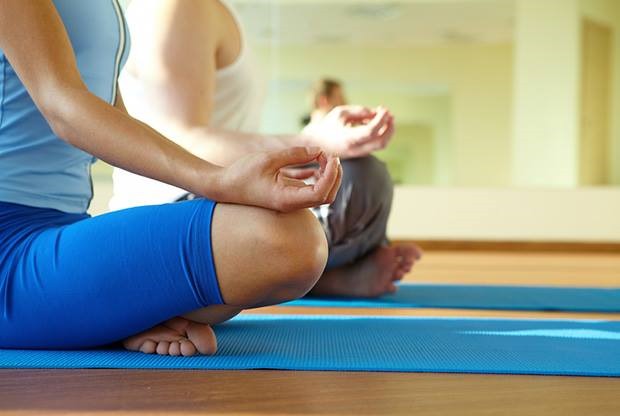
Yogis may be enjoying a surprising benefit when they unroll their mats and strike a pose. A new study finds that just 20 minutes of hatha yoga stimulates brain function.

Researchers from the University of Illinois at Urbana-Champaign enlisted 30 subjects to take tests of working memory and inhibitory control, two measures of brain function associated with the ability to focus, retain, and use new information, the researchers said.

Subjects who took a single, 20-minute yoga session were significantly faster and more accurate on their tests than subjects who walked or jogged on a treadmill for 20 minutes.
Participants on the treadmill exercised with the goal of maintaining 60 to 70 percent of their maximum heart rate throughout the exercise session. “This range was chosen to replicate previous findings that have shown improved cognitive performance in response to this intensity,” the researchers said.1472891_10151996608469691_438298404_n

“Yoga is an ancient Indian science and way of life that includes not only physical movements and postures but also regulated breathing and meditation,” said study lead Neha Gothe. “The practice involves an active attentional or mindfulness component but its potential benefits have not been thoroughly explored.”

Subjects who practiced yoga performed a 20-minute sequence of seated, standing, and supine yoga postures, with the class ending in a meditative posture and deep breathing.

“It appears that following yoga practice, the participants were better able to focus their mental resources, process information quickly, more accurately and also learn, hold and update pieces of information more effectively than after performing an aerobic exercise bout,” Gothe said.

“The breathing and meditative exercises aim at calming the mind and body and keeping distracting thoughts away while you focus on your body, posture or breath,” she said. “Maybe these processes translate beyond yoga practice when you try to perform mental tasks or day-to-day activities.”

Findings, announced June 5, appear in the Journal of Physical Activity and Health.
A separate study published last month finds that twice-weekly yoga sessions can reduce high blood pressure. In the study, researchers led by Dr. Debbie Cohen of the University of Pennsylvania tracked 58 women and men, aged 38 to 62, for 24 weeks.

Another study published earlier this year in the journal Frontiers in Psychiatry found that the practice may soothe depression and help sleep problems.

Read more:A 20-minute yoga session may boost your brain power – The Denver Post

Labeling normal kids "mentally ill"

07 Wednesday Aug 2019

Posted by RichardB in discovery, YouTube

≈ Comments Off on Labeling normal kids "mentally ill"

Tags

health, kids, mental, wellness

ADHD Drug Side Effects http://goo.gl/rjAKh ADHD is a mental “disorder” based only on a checklist of behaviors. It is not a disease.There is no medical ADHD test to prove any kid has ADHD, yet more than 4.5 million kids have been diagnosed and put on drugs such as Ritalin, Adderall and Concerta, which the U.S. DEA places in the same highly addictive category of drugs as cocaine, morphine and opium. According to the Center for Disease Control, boys are much more likely to be diagnosed “ADHD” than girls. The “checklist” for ADHD could fit all normal kid as there is no ADHD test – it is diagnosed solely by behaviors and literally includes such ridiculous criteria as the following: ” runs about or climbs excessively in situations when it is not appropriate” ” is often ‘on the go “acts as if driven by a motor” “blurts out answers” “is easily distracted” ” loses pencils or toys” “often doesn’t seem to listen”
To be perfectly clear — this is all that it takes to diagnoses a child with a ‘mental disorder’ of ADHD; a checklist of behaviors (the above is taken directly from the American Psychiatric Association’s Diagnostic and Statistical Manual of Mental Disorders (DSM), psychiatry’s billing bible. There are no blood tests, brain scans, chemical imbalance tests, X-rays or “genetic” factors to prove any child has a mental “illness” called ADHD. This is simply a list of child-like behaviors that psychiatrists clustered together, repackaged as a mental disorder and the result is a multi- billion dollar empire — the child labeling and drugging industry.

http://www.cchrint.org/psychiatric-disorders/

Healing with art

22 Monday Jul 2019

Posted by RichardB in art, Creativity, Health, Wellness

≈ Comments Off on Healing with art

Tags

health

Gripping a cane to stabilize his stride, Bradley Books walked past the Firehouse Arts Center in Longmont, promising himself that one day his paintings and drawings would hang on the white walls.

Now four years later, the 37-year-old is inside on a weekly basis, without his cane, and facilitating a monthly program, Art of Possibility, which helps developmentally-disabled participants heal through artistic expression.

“My favorite is they always ask, ‘When are we coming back?’ And to know that’s how they feel, that then encourages me to keep working with it,” he said.

The program is two-fold because working with others also helps Books restore mentally and physically from pain that sometimes still paralyzes his mind and body. MORE HERE

University of California-Sleep Disorders

05 Wednesday Jun 2019

Posted by RichardB in Health, Wellness, youtube

≈ Comments Off on University of California-Sleep Disorders

Tags

health, sleep, uc

Do we really need to sleep? Dr. Thomas Neylan looks at intrinsic sleep disorders such as sleep apnea and insomnia and what to do if they affect you. Dr. Elissaios Karageorgio looks at how aging affects sleep and Dr. Rochelle Zak looks at the neurophysiology of sleep.

Evidence based Yoga 2

08 Wednesday May 2019

Posted by RichardB in Health, Wellness, Yoga

≈ Comments Off on Evidence based Yoga 2

Tags

activities, ADHD, adherents, alignment, analysis, Another, asanas, assessments, asthma, attention, attitude, author, authors, Back, behavior, benefits, Both, bronchodilator, Cardiovascular, cases, Cochrane, composition, concentration, conclusions, consensus, deficit, difference, disease, disorder, disorders, efficacy, energy, Europe, Evidence, Except, factors, handouts, harmony, Hatha, health, improvement, inadequacies, India, Indian, indices, instructor, intervention, interventions, Iyengar, life, lifestyle, literature, measures, medication, medicine, meditation, metabolic, method, methodology, origins, outcome, output, Overall, pain, Patients, persons, philosophy, postures, pranayama, purposes, questionnaire, Raja, RCTs, relaxation, resistance, response, restriction, results, selection, self, sessions, Spirometry, status, stimulus, subjects, symptoms, syndrome, techniques, therapy, times, tolerance, tradition, treatment, trend, viniyoga, week, weeks

Yoga is a mind and body practice in complementary medicine with origins in ancient Indian philosophy. Part two of evidence based Yoga:

Carpal tunnel syndrome A randomized, single-blind controlled trial of 42 patients with carpal tunnel syndrome assigned subjects to either a yoga treatment group or a wrist splint group, each 8 weeks in duration. Twice a week, the yoga group practiced postures specifically designed to strengthen and stretch each joint in the upper body. Yoga participants showed improvement in grip strength, pain levels, and Phalen’s sign when compared to the wrist splint group. Nerve conduction studies were not performed.15 A Cochrane review of 21 trials that evaluated the clinical outcome of nonsurgical treatment of carpal tunnel syndrome reported that 8 weeks of yoga practice significantly reduced pain as compared to wrist splinting. The yoga was described as having a “significant short-term benefit,” though the duration of this benefit is unknown.16

Depression A 2004 review of five RCTs that evaluated yoga-based interventions for depression and depressive disorders showed some positive outcomes and no adverse effects on patients’ mild to severe depressive disorders. However, poor study design and incomplete methodologic reporting makes this interpretation preliminary.17 An RCT studying 7 weeks of yoga training in a group of breast cancer survivors showed positive changes in emotional function, depression, and mood disturbance.18 “Yoga and stress management” (in the online version of this article) provides more information on this study and others involving the effects of yoga on stress.

Irritable bowel syndrome In an RCT, treatment with loperamide (Imodium) was compared to treatment with a series of 12 yoga postures practiced twice a day for 2 months in a small sample of patients with clinically diagnosed irritable bowel syndrome. Patients underwent measurement of surface electrogastrography, and trait and state anxiety tests were administered before, during, and up to 2 months after treatment. Both intervention groups demonstrated a decrease in bowel symptoms and state anxiety.19

Menopausal symptoms In a recent pilot study, 14 postmenopausal women reported via interview and questionnaire a decrease in the severity and frequency of hot flushes after 8 weeks of 90-minute “restorative yoga” classes. Although this initial finding sounds encouraging, this trial had no control group or objective parameter measurements.20 An RCT studying postmenopausal sleep quality divided 164 women into groups who participated in either 4 months of low-intensity yoga, a moderate-intensity walking program, or a wait-list control group. This study reported no statistically significant interventional effects of any treatment on total sleep quality or on any individual sleep quality domain.21

Multiple sclerosis An RCT of 57 subjects with clinically defined multiple sclerosis were assigned to weekly Iyengar yoga class plus home practice, a cycling program, or a wait-list control group for 6 months. Results showed that both active interventions produced significant improvement in perceived levels of energy and reduced fatigue; however, the specific effects of the yoga practice were not isolated.22 Osteoarthritis In a pilot study, 11 deconditioned, yoga naive subjects with a clinical diagnosis of knee osteoarthritis showed improvements in pain and knee stiffness after 8 weeks of yoga training. The group performed modified Iyengar yoga sessions once a week.23


Seizure disorders In 2000, a systematic review of the published literature revealed that only one study was able to meet the selection criteria for reliable research design. The reviewers concluded that no available evidence pointed to yoga therapy as an efficacious treatment for epilepsy.24

Strength and flexibility In a recent study on the fitness related effects of hatha yoga, 10 yoga-naïve and previously untrained subjects aged 18 to 27 years participated in 85 minutes of pranayama and hatha yoga practice twice a week for 8 weeks. These subjects showed significant improvement in upper and lower body muscular strength, endurance, and flexibility. No statistically significant change in body composition or pulmonary function was observed.13
In a partial RCT with a longer time frame, 54 subjects aged 20 to 25 years participated in either 5 months of yoga instruction or no activity. After that time period, both groups practiced yoga for an additional 5 months. The group practicing 10 months of yoga showed significant improvements in shoulder, trunk, hip, and neck flexibility, as well as a reported improved performance during submaximal exercise testing.25
A well-executed study compared subjects who underwent 24 hours of hatha yoga classes over 8 weeks with a control group. The yoga training group showed a 13% to 35% improvement in flexibility, balance, and muscular endurance. The authors concluded that hatha yoga practice has significant effects on balance and flexibility.26


REFERENCES

1. Tindle HA, Davis RB, Phillips RS, Eisenberg DM. Trends in use of complementary and alternative medicine by US adults: 1997-2002. Altern Ther Health Med. 2005;11(1):42-49.
2. Carrico M. Yoga Journal’s Yoga Basics: The Essential Beginner’s Guide to Yoga for a Lifetime of Health and Fitness. New York, NY: Henry Holt and Company; 1997.
3. Nayak NN, Shankar K. Yoga: a therapeutic approach. Phys Med Rehabil Clin N Am. 2004;15(4): 783-798, vi.
4. Innes KE, Bourguignon C, Taylor AG. Risk indices associated with the insulin resistance syndrome, cardiovascular disease, and possible protection with yoga: a systematic review. J Am Board Fam Pract. 2005;18(6):491-519.
5. Raub JA. Psychophysiologic effects of Hatha yoga on musculoskeletal and cardiopulmonary function: a literature review. J Altern Complement Med. 2002;8(6):797-812.
6. Luskin FM, Newell KA, Griffith M, et al. A review of mind-body therapies in the treatment of musculoskeletal disorders with implications for the elderly. Altern Ther Health Med. 2000;6(2): 46-56.
7. Jensen PS, Kenny DT. The effects of yoga on the attention and behavior of boys with attentiondeficit/ hyperactivity disorder (ADHD). J Atten Disord. 2004;7(4):205-216.
8. Kirkwood G, Rampes H, Tuffrey V, et al. Yoga for anxiety: a systematic review of the research evidence. Br J Sports Med. 2005;39(12):884-891.
9. Krisanaprakornkit T, Krisanaprakornkit W, Piyavhatkul N, Laopaiboon M. Meditation therapy for anxiety disorders. Cochrane Database Syst Rev. 2006;(1):CD004998.
10. Sabina AB, Williams AL, Wall HK, et al. Yoga intervention for adults with mild-to-moderate asthma: a pilot study. Ann Allergy Asthma Immunol. 2005;94(5):543-548.
11. Vendanthan PK, Kesavalu LN, Murthy KC, et al. Clinical study of yoga techniques in university students with asthma: a controlled study. Allergy Asthma Proc. 1998;19(1):3-9.
12. Sherman KJ, Cherkin DC, Erro J, et al. Comparing yoga, exercise, and a self-care book for chronic low back pain: a randomized, controlled trial. Ann Intern Med. 2005;143(12):849-856.
13. Tran MD, Holly RG, Lashbrook J, Amsterdam EA. Effects of Hatha yoga practice on the healthrelated aspects of physical fitness. Prev Cardiol. 2001;4(4):165-170.
14. Clay CC, Lloyd LK, Walker JL, et al. The metabolic cost of Hatha yoga. J Strength Cond Res. 2005;19(3):604-610.
15. Garfinkel MS, Singhal A, Katz WA, et al. Yoga-based intervention for carpal tunnel syndrome: a randomized trial. JAMA. 1998;280(18):1601-1603.
16. O’Connor D, Marshall S, Massy-Westropp N. Nonsurgical treatment (other than steroid injection) for carpal tunnel syndrome. Cochrane Database Syst Rev. 2003(1):CD003219.
17. Pilkington K, Kirkwood G, Rampes H, Richardson J. Yoga for depression: the research evidence. J Affect Disord. 2005;89(1-3):13-24.
18. Culos-Reed SN, Carlson LE, Daroux LM, Hately-Aldous S. A pilot study of yoga for breast cancer survivors: physical and psychological benefits. Psycho Oncol. 2006;15(10):891-897.
19. Taneja I, Deepak KK, Poojary G, et al. Yogic versus conventional treatment in diarrheapredominant irritable bowel syndrome: a randomized control study. Appl Psychophysiol Biofeedback. 2004;29(1):19-33.
20. Cohen BE, Kanaya AM, Macer JL, et al. Feasibility and acceptability of restorative yoga for treatment of hot flushes: a pilot trial. Maturitas. 2007;56(2):198-204.
21. Elavsky S, McAuley E. Lack of perceived sleep improvement after 4-month structured exercise programs. Menopause. 2007;14(3, pt 1):535-540.
22. Oken BS, Kishiyama S, Zajdel D, et al. Randomized controlled trial of yoga and exercise in multiple sclerosis. Neurology. 2004;62(11):2058-2064.
23. Kolasinski SL, Garfinkel M, Tsai AG, et al. Iyengar yoga for treating symptoms of osteoarthritis of the knees: a pilot study. J Altern Complement Med. 2005;11(4):689-693.
24. Ramaratnam S, Sridharan K. Yoga for epilepsy. Cochrane Database Syst Rev. 2000(3):CD001524.
25. Ray US, Mukhopadhyaya S, Purkayastha SS, et al. Effect of yogic exercises on physical and mental health of young fellowship course trainees. Indian J Physiol Pharmacol. 2001;45(1):37-53.
26. Boehde D, Porcari JP, Greany J, et al. The physiological effects of 8 weeks of yoga training. J Cardiopulm Rehabil. 2005;25(5):290.


Thich Nhat Hanh, Mindfulness as a Foundation for Health

01 Wednesday May 2019

Posted by RichardB in mindfulness, YouTube

≈ Comments Off on Thich Nhat Hanh, Mindfulness as a Foundation for Health

Tags

health, mindfulness, Thich Nhat Hanh

How art aided Andrew Marr’s recovery

24 Wednesday Apr 2019

Posted by RichardB in art, Health, Journaling, lifestyle, Therapy, Wellness

≈ Comments Off on How art aided Andrew Marr’s recovery

Tags

health, recovery, wellness

“When I started to recover in hospital, one of my early frustrations was that I found I wanted to draw.

Drawing does for me what others find in meditation, prayer or gardening. It is my way of connecting to the world; it is not just making images but drinking in and praising what’s around me.

Returning to the world as I did after my stroke, you look at it with fresh eyes. You want to absorb all you see. That meant being able to draw again and art aided my recovery and charted it.” Read more: http://www.dailymail.co.uk/home/event/article-2442555/BBCs-Andrew-Marr-Knowing-I-able-draw-realise-I-going-OK.html#ixzz2gwenGqUy

5 steps to get you motivated to Exercise

13 Wednesday Mar 2019

Posted by RichardB in Exercise, Health, Wellness

≈ Comments Off on 5 steps to get you motivated to Exercise

Tags

Exercise. wellness, health

You know you should do it. And you know why: Exercising — simply put, moving instead of sitting — is critical for safeguarding your health and setting a good example for your kids. So why does it seem so hard to get yourself moving?

The truth is: You can. But knowing how and why to exercise isn’t enough. You need to develop the right mind-set to get and stay motivated.

“Change is hard!” says certified health behavior coach Shelly Hoefs, fitness supervisor at the Mutch Women’s Center for Health Enrichment in Sioux Falls, S.D. “When we try to start exercising, we think of all the excuses for not doing it and all the things that have gotten in the way before. Getting fit starts to seem overwhelming. And that makes it feel stressful. Before long, we don’t want to do it anymore.”

Here are five steps to get you moving in the right direction — and keep you going.

aid0117_760_427auto.jpg

  1. Find Personal Motivation to Exercise

What you need to get you up off the couch is a reason that’s important to you. At first, that may be some external factor, says Cal Hanson, director of the Sanford Wellness Center in Sioux Falls, S.D. It could be a number on the scale that surprises you or your doctor’s recommendation that you need to move more to stay healthy.

There are all kinds of benefits to getting fit. Which matters most to you? Something as simple as taking a walk after dinner every night helps to:

  • control your weight
  • strengthen your bones
  • enhance your muscles
  • reduce your risk for heart disease, type 2 diabetes, and some types of cancer

Plus, by becoming active, you’re being a good role model for your children.

These benefits may get you started, but they may not cut it when it comes to keeping you moving day after day, Hanson says. To keep up your motivation to exercise over time, you also need to find your internal motivators. Maybe taking a yoga class leaves you feeling more energized or less stressed. Maybe a run or walk every day helps you let go of stress. Hanson says these are the kind of rewards that are meaningful to you on a personal level and that can help keep you motivated.


  1. Set Realistic Goals to Get Fit

CDC guidelines call for adults to do 2 1/2 hours of moderate-intensity aerobic exercise a week. That’s a 30-minute walk five days a week. If you kick it up a notch — jogging or running, for example – it can be 15 minutes a day, five days a week.

You can aim for these exercise guidelines, but don’t try to meet them at the start. “People lose their motivation to exercise when they try to do too much too soon,” says Hanson.

So instead of walking for 30 minutes a day right off the bat, start out doing 15 minutes a day, two or three days a week.

Set weekly goals, gradually adding more time and intensity. At the end of each week, take a look at how you did. If you reached your goal, celebrate! “And if you didn’t reach your goal,” Hanson says, “think about what went wrong and how you’re going to respond differently next time.”


  1. Stop Thinking of It as Exercise — Do Something You Enjoy

You don’t have to go to the gym to get a good workout. It’s all about moving more — however you do it. For some people, going to the gym provides structure that helps them focus and a sense of accomplishment when they’re done. For others, it’s a chore — one they wind up avoiding as often as they can.

What else can you do? Almost anything that gets you — and your family — moving:

  • Walk the dog, or walk a neighbor’s dog. They’ll be grateful for the help!
  • Have dance contests with the kids instead of watching TV.
  • Go to the park and play hide-and-seek.
  • Shoot hoops with the kids.
  • Walk or bike to the store instead of driving, or park far away from the entrance.
  • Get off the train a stop early and walk the rest of the way to your office.

If you think about it, you’re surrounded by opportunities to get more active. Find the ones that you get excited about. You’re more likely to keep doing them if you’re having fun.

exercise-bike-foldable-stationary-528-1000.jpg

  1. Plan How to Fit Exercise Into a Hectic Schedule

For busy parents, a major obstacle to getting fit is lack of time. If you wait for time to open up, chances are you won’t be able to squeeze in a walk or a dance class very often. To avoid getting sidetracked by the daily demands of life, try these tips:

  • “Sit down with your schedule and really carve out blocks of time,” says psychologist Susan Bartell, PsyD, author of  Susan’s Fit and Fun Family Action Plan.Put it in your calendar like any other appointment.
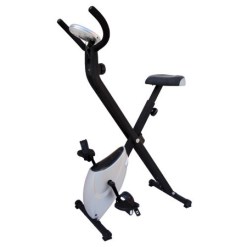
  • Add physical activity to things you already do. For example, pedal a stationary bike while reading or watching TV. Or take a walk with a friend to catch up instead of calling each other on the phone.
  • Plan activities you can do with your kids, such as going for bike rides or skating. Not only will you find more time for fitness, you’ll help inspire your kids to move more.

If you plan ahead for potholes on the road to fitness, you’re more likely to stay on course, Bartell says. “When you think through solutions to problems in advance, you’re less likely to give up when a pothole comes along.”


  1. Bounce Back from Setbacks

You’ve set a reasonable fitness goal. You’ve prepared for potential problems. Yet somehow you still didn’t make it to the gym today as you had planned. Don’t let that be your downfall.

“For many people, this is a slippery slope,” Hanson says. “It reminds them of times when they failed before, and they begin to think of themselves as exercise failures.”

When this happens, it’s time for an attitude adjustment so you don’t completely lose your motivation to exercise. If you miss the gym on Monday, that doesn’t mean your whole week is shot, Hanson says. It simply means you need to hit the gym on Tuesday or take the dog for an extra-long walk tonight.

Knowing how to exercise isn’t just a matter of learning how to use your body to hold a yoga pose or swing a racquet. It also involves learning how to use your mind to propel yourself into action and stick with a fitness routine.

“Start thinking of yourself as someone who exercises,” says Hoefs. “Eventually, that will become your identity”.

aid0117_760_427auto.jpg

Newer posts →

instagram

Follow RichardbBrunner on WordPress.com
  • Tumblr
  • YouTube

Blog at WordPress.com.

Privacy & Cookies: This site uses cookies. By continuing to use this website, you agree to their use.
To find out more, including how to control cookies, see here: Cookie Policy
  • Subscribe Subscribed
    • RichardbBrunner
    • Join 491 other subscribers
    • Already have a WordPress.com account? Log in now.
    • RichardbBrunner
    • Subscribe Subscribed
    • Sign up
    • Log in
    • Report this content
    • View site in Reader
    • Manage subscriptions
    • Collapse this bar
 

Loading Comments...