Tags
Imran Khan at Oxford Union
04 Friday Nov 2022
Posted in news
≈ Comments Off on Imran Khan at Oxford Union

04 Friday Nov 2022
Posted in news
≈ Comments Off on Imran Khan at Oxford Union
Tags
02 Wednesday Nov 2022
Posted in brain, Coping Skills, Depression
≈ Comments Off on Self-Care for Depression
Tags
As a clinical psychologist, Mary Pipher, PhD, designed “healing packages” for her patients: activities, resources, and comforts to help them recover from trauma. Then, after Dr. Pipher’s book Reviving Ophelia became a runaway best-seller, she herself suffered from an episode of major depression and designed a healing package of her own. “The essence of my personal healing package,” she describes in her book Seeking Peace, “was to keep my life as simple and quiet as possible and to allow myself sensual and small pleasures.” She created a mini-retreat center in her home and modified the ancient ways of calming troubled nerves to fit her lifestyle. Pipher’s healing package looked like this:
She accessed the healing power of water by walking at Holmes Lake Dam, swimming at the university’s indoor pool, and reading The New Yorker magazine in the bathtub every morning.
She cooked familiar foods, dishes that reminded her of home: jaternice, sweetbreads, and perch; and cornbread and pinto beans with ham hocks.
She unpacked her childhood teacup collection and displayed it near her computer desk to remind her of happy times and of people who loved her.
She reconnected with the natural world by walking many miles every week on the frozen prairie, watching the yellow aconites blossom in February and the daffodils and jonquils in March, following the cycles of the moon, and witnessing sunrises and sunsets.
She read biographies of heroes like Abe Lincoln, and read the poetry of Billy Collins, Robert Frost, Mary Oliver, and Ted Kooser.
She found role models for coping with adversity.
She limited her encounters with people and gave herself permission to skip holiday gatherings and postpone social obligations. She erased calendar engagements until she had three months of “white space” in her future.
She embraced her body through yoga and massage. She started to pay attention to tension in her neck and other cues from her body and let those signals teach her about herself.
She meditated every day.
These activities were exactly what she needed to emerge from the other side of depression. She writes:
“After taking care of my body for several months, it began to take good care of me. My blood pressure improved and my heart problems disappeared. After a few months of my simple, relatively stress-free life and my healing package of activities, I felt my depression lifting. I enjoyed the return of positive emotions: contentment, joy, calmness and new sparks of curiosity and energy. I again felt a great tenderness toward others.”

Psychiatrist James Gordon, MD, discusses similar healing packages in his best-selling book Unstuck. At the end of his first meetings with all of his patients, he will write out a “prescription of self-care,” which includes instructions on changing diet, advice about specific recommended meditations or exercises, and a list of supplements and herbs. “Among my recommendations, there are always actions, techniques, approaches, and attitudes that each person has told me — which she already knows — are helpful,” he explains. At the end of his introduction, he suggests each reader take some time to write out his or her own prescription. He supplies a form and everything.
Each person’s healing package is unique. Many people have benefited from more meditation and mindfulness exercises, psychotherapy sessions, and therapies like Eye Movement Desensitization and Reprocessing (EMDR) that help unclog the brain of painful memories. Some people do better with more physical exercise and nutritional changes. While mindfulness and meditation have certainly helped many become aware of my rumination patterns, the most profound changes in others recovery have come from the bags of dark, green leafy vegetables, yoga, and breathing exercises.
It’s empowering to know that we don’t need a doctor or any mental health professional to design a healing package for us. We are perfectly capable of writing this prescription ourselves. Sometimes (not always), all it takes are a few simple tweaks to our lifestyle over a period to pull us out of a crippling depression or unrelenting anxiety.
31 Monday Oct 2022
Posted in Music
≈ Comments Off on BANKS – Holding Back
30 Sunday Oct 2022
Posted in My Photos
≈ Comments Off on Driving
Tags


29 Saturday Oct 2022

Posted by RichardB | Filed under Seguy Art Deco Designs
≈ Comments Off on Seguy Art Deco Designs 81
28 Friday Oct 2022
Posted in Uncategorized
≈ Comments Off on Watch “Is technology melting your memory? Or helping it? | Lisa Genova | Big Think” on YouTube
26 Wednesday Oct 2022
Posted in Coping Skills, Handout
≈ Comments Off on Anxiety Handout
We all know the uncomfortable feeling of anxiety. Our hearts race, our fingers sweat, and our breathing gets shallow and labored. We experience racing thoughts about a perceived threat we fear will be too much to handle. That’s because our “fight or flight” response has kicked in, resulting in sympathetic arousal and a narrowing of attention and focus on avoiding the threat. We seem to be locked in that state, unable to focus on our daily chores or longer-term goals. Below are six strategies that you can use to help relieve your everyday anxiety:

Anxiety makes us feel that a threat is imminent, yet most of the time what we worry most about never happens. By recording our worries—and how few actually came true—we can notice how much we overestimate the prospect of negative events.
Even if a bad event happened, we may still be able to handle it by using coping skills and problem-solving abilities or by enlisting others to help. Although not pleasant, we could still survive encountering a spider, having a panic attack, or losing money. It’s important to realize that very few things are the end of the world.
By deliberately relaxing our muscles we begin to calm down so we can think clearly. If you practice this at first without a threat present, it can start to become automatic and will be easier to use in the moment when you face a threat. Deep breathing engages the parasympathetic nervous system to put the brakes on sympathetic arousal.
The skill of mindfulness involves calmly observing our own reactions, including fear, without panic or feeling compelled to act. It can be taught in therapy and improves with practice.
Acceptance and Commitment Therapy (ACT) is an approach that encourages people to accept the inevitability of negative thoughts and feelings and not try to repress or control them. By directing attention away from the fear and back onto life tasks and valued goals, we can live a full life despite the fear.
Exposure is the most powerful technique for anxiety and it involves facing what we fear and staying in the situation long enough for the fear to habituate or go down, as it naturally does. Fear makes us avoid or run away, so our minds and bodies never learn that much of what we fear is not truly dangerous.
24 Monday Oct 2022
Posted in Music
≈ Comments Off on Wolf Alice: How Can I Make It Ok?
Tags
22 Saturday Oct 2022
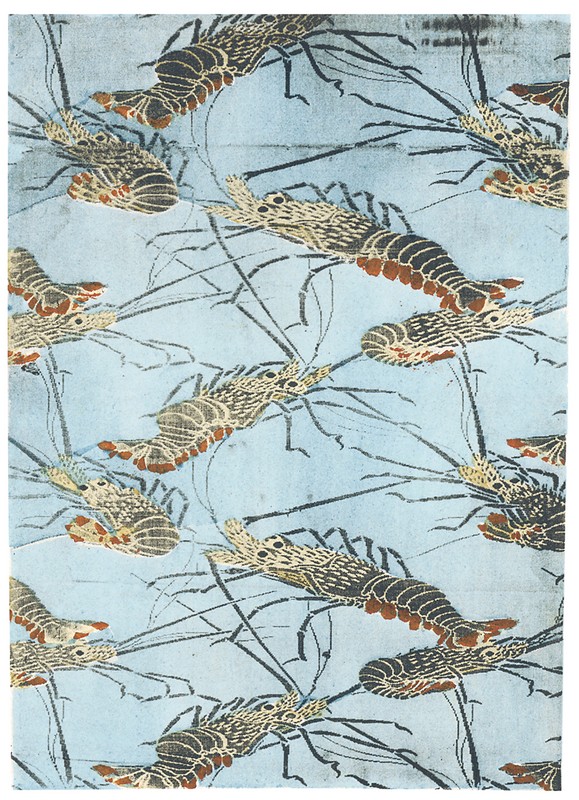
Posted by RichardB | Filed under Japanese Textile Designs
≈ Comments Off on Japanese Textile Designs 66
21 Friday Oct 2022
Posted in Communication, Therapy
≈ Comments Off on Watch Malcolm Gladwell | Talking to Strangers
Tags
19 Wednesday Oct 2022
Substance addiction is a perplexing phenomenon for those who fortunately do not suffer from it. Although it is incredible to believe that people would willfully engage in behaviors that create problems with their lives on so many levels, substance addiction is a reality for millions of people. According to data published by NIDA (National Institutes of Drug Abuse) nearly 20 million Americans have undergone opioid de-addiction therapy in 2010. What makes some people so susceptible to substance abuse while others are able to protect themselves? A study of brain images of heroin addicts, conducted by Gold, Liu and colleagues, shows significant differences in brain activity even in resting state, without heroin use. Functional MRI (fMRI) images from opioid addicted patients were compared with similar images from health people.
Resting state fMRI images of men undergoing opioid substitution therapy showed that areas of the brain engaged in reward perception, motivation, memory and self-control show significantly different activity than comparable regions in healthy individuals. Areas like the orbitofrontal cortex, cingulate gyrus and hippocampus show consistently different resting state activities in heroin-dependent and healthy subjects. The prefrontal cortex of dependent patients was less active than that of healthy patients in the resting state, during de-addiction therapy. However, this area which controls motivation as well as degree of inhibition, was observed to be highly active during periods of opioid use. Other areas of the brain like the hippocampus which regulates memory, also showed activity patterns that were different from those in healthy subjects, in the resting state in addicted individuals. These images shed light on the mechanism of addiction in people and the areas of the brain that are engaged, perhaps constitutively, in sustaining addiction.

Given that study participants were enrolled from de-addiction clinics, episodes of heroin abuse had already taken place in their life. It is unclear whether the same areas of the brain would show similar activity in naive individuals. If this possibility is validated by comparative studies, these fMRI imaging techniques may have tremendous diagnostic potential in identifying people who are at high risk for addiction. One drawback of this investigation is that only male patients were included in this study. Therefore, we do not know whether there are gender-based differences in the resting state brain activity of female opioid addicts.
The study does throw up interesting possibilities. It is possible to enroll naive subjects, possibly teenagers or pre-teens, and obtain baseline brain images before these people have tried out any addictive substance like tobacco, heroin or alcohol. Follow-up studies with the same people can indicate whether experience of addictive substances can change the baseline pattern of activity. This kind of long-term and long-range study may help to identify brain markers for specific addiction disorders. The study also indicates why counseling fails to have an impact on some patients. It is likely that profound changes in resting state brain activity resulting from addiction may override the effects of received and processed advice.
Reference
Zhang Y, Tian J, Yuan K, Liu P, Zhuo L, Qin W, Zhao L, Liu J, von Deneen KM, Klahr NJ, Gold MS, & Liu Y (2011). Distinct resting-state brain activities in heroin-dependent individuals. Brain research, 1402, 46-53 PMID: 21669407
17 Monday Oct 2022
Posted in Music, Uncategorized
≈ Comments Off on Top Songs I listened to in 2021: Fareed Ayaz Qawwal – Jaag Musafir
Tags
15 Saturday Oct 2022
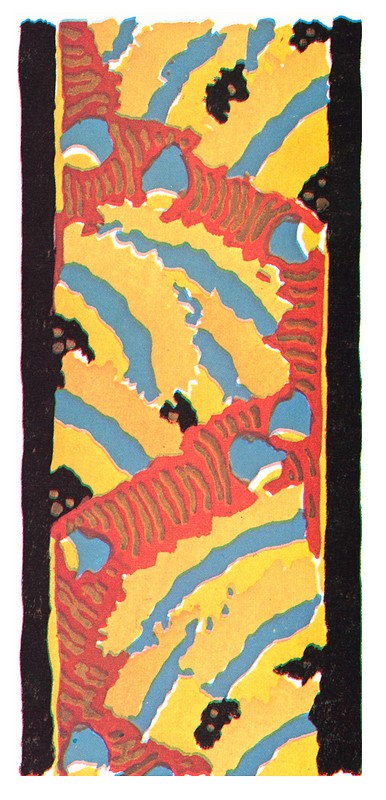
Posted by RichardB | Filed under Seguy Art Deco Designs
≈ Comments Off on Seguy Art Deco Designs 83
14 Friday Oct 2022
Posted in news
≈ Comments Off on Will you eat insects? | The Economist
12 Wednesday Oct 2022
Posted in Coping Skills, Handout
≈ Comments Off on Anger Handout
I often work with groups I have never met before. When I walk into group I start to evaluate and access right away. For psych-educational groups I mostly focus on do I need to pull out a handout or not. That decision depends on the openness of the folks. Do they greet me verbally, with postures and/or gestures, eye contact, expressions of thoughts/feelings, where and how they are sitting.
In most places I have worked I would facilitate an anger management group. I used a variety of handouts and activities to have a process oriented group interaction. One of the handouts I use is below. I use it in 1 of 2 ways. I have folks fill it out first and then we discuss or we discuss while filling it out. Both ways we explore as a group, learning from each other.
ANGER WORDS
anger disgust grumpiness rage aggravation dislike hate resentment agitation envy hostility revulsion annoyance exasperation irritation scorn bitterness ferocity jealousy spite contempt frustration loathing torment cruelty fury mean-spiritedness vengefulness destructiveness grouchiness outrage wrath
Other:_________________________
Prompting Events for Feeling Anger
Losing power.
Losing status.
Losing respect.
Being insulted.
Not having things turn out the way you expected.
Experiencing physical pain.
Experiencing emotional pain.
Being threatened with physical or emotional pain by someone or something.
Having an important or pleasurable activity interrupted, postponed, or stopped.
Not obtaining something you want (which another person has).
Other:_______________________________
Interpretations That Prompt Feelings of Anger
Expecting pain.
Feeling that you have been treated unfairly.
Believing that things should be different.
Rigidly thinking “I’m right.”
Judging that the situation is illegitimate, wrong, or unfair.
Ruminating about the event that set off the anger in the first place, or in the past.
Other:____________________________
Experiencing the Emotion of Anger
Feeling incoherent.
Feeling out of control.
Feeling extremely emotional.
Feeling tightness or rigidity in your body.
Feeling your face flush or get hot.
Feeling nervous tension, anxiety or discomfort.
Feeling like you are going to explode.
Muscles tightening. .
Teeth clamping together, mouth tightening.
Crying; being unable to stop tears.
Wanting to hit, bang the wall, throw something, blow up.
Other:__________________________
Expressing and Acting on Anger
Frowning or not smiling; mean or unpleasant facial expression.
Gritting or showing your teeth in an unfriendly manner.
Grinning.
A red or flushed face.
Verbally attacking the cause of your anger; criticizing.
Physically attacking the cause of your anger.
Using obscenities or cursing.
U sing a loud voice, yelling, screaming, or shouting.
Complaining or bitching; talking about how lousy things are.
Clenching your hands or fists.
Making aggressive or threatening gestures.
Pounding on something, throwing things, breaking things.
Walking heavily or stomping; slamming doors, walking out.
Brooding or withdrawing from contract with others.
Other:_____________________
After effects of Anger
Narrowing of attention.
Attending only to the situation making you angry.
Ruminating about the situation making you angry and not being able to think of anything else.
Remembering and ruminating about other situations that have made you angry in the past.
Imagining future situations that will make you angry.
Depersonalization, dissociative experience, numbness.
Intense shame, fear, or other negative emotions.
Other:______________________
10 Monday Oct 2022
Posted in Music, Uncategorized
≈ Comments Off on Top Songs I listened to in 2021: Orchestral Qawwali | Abi Sampa | Rushil | Amrit – Rang
Tags
09 Sunday Oct 2022
Posted in My Photos
≈ Comments Off on Spider
08 Saturday Oct 2022

Posted by RichardB | Filed under Japanese Textile Designs
≈ Comments Off on Japanese Textile Designs 89
07 Friday Oct 2022
Posted in Environment
≈ Comments Off on AP News: First public global database of fossil fuels launches
Tags
“A first-of-its-kind database for tracking the world’s fossil fuel production, reserves and emissions launches on Monday to coincide with climate talks taking place at the United Nations General Assembly in New York.
The Global Registry of Fossil Fuels includes data from over 50,000 oil, gas and coal fields in 89 countries. That covers 75% of global reserves, production and emissions, and is available for public use, a first for a collection of this size.”
Link to full article from the AP.

05 Wednesday Oct 2022
Recent research from Brown University could pave the way for new methods of treatment for those recovering from addiction. Researchers identified an exact brain region in rats where the neural steps leading to drug relapse take place, allowing them to block a crucial step in the process that leads to stress-induced relapse.
Prior research has established that acute stress can lead to drug abuse in vulnerable individuals and increase the risk of relapse in recovering addicts. But the exact way that stress triggers the neural processes leading to relapse is still not clearly understood. The Brown study provides new insights on how stress triggers drug abuse and could lead to more effective treatments for addiction.
According to the study, stress has significant effects on plasticity of the synapses on dopamine neurons in the ventral tegmental area (VTA), the brain region where the neural activities leading to a stress-induced drug relapse take place.
Stress activates kappa opioid receptors (KORs) in the VTA, and the researchers found that by blocking the KORs, they could prevent the rats from relapsing to cocaine use while under stress.
Published in the journal Neuron, the study shows blocking these receptors may be a critical step in preventing stress-related drug relapses in humans, as well. The chemical used to block the receptor, “nor-BMI,” may eventually be tested on humans, according to the study’s authors.

“If we understand how kappa opioid receptor antagonists are interfering with the reinstatement of drug seeking, we can target that process,” senior study author Julie Kauer said in a statement. “We’re at the point of coming to understand the processes and possible therapeutic targets. Remarkably, this has worked.”
Kauer noted that the study builds upon over a decade of research on how changes in brain synapses relate to behaviors like addiction. The advance is significant and could accelerate progress towards a medication for those struggling to recover from addiction.
“If we can figure out how not only stress, but the whole system works, then we’ll potentially have a way to tune it down in a person who needs that,” Kauer said.

 RichardbBrunner