• Home
  • Music
  • About
  • Contact
  • CreativeTherapyTools.com

RichardbBrunner

~ creative arts therapist

RichardbBrunner

Author Archives: RichardB

Pandemic Mental Health Crisis

29 Friday Jan 2021

Posted by RichardB in Mental Health, mental health, Wellness

≈ Comments Off on Pandemic Mental Health Crisis

Tags

Mental Health, Scientific American

The U.S. Centers for Disease Control and Prevention reported in August that symptoms of anxiety had tripled and depression symptoms had quadrupled among a group of 5,470 adults as compared with a survey sample from 2019. Meanwhile mental health services have been stretched worldwide. One reason is that mental health personnel and the facilities they work in have been reassigned to COVID-related tasks during the crisis.

All of us need to sustain and enhance our psychological resilience to weather the daily toll of activity restrictions, rising case numbers, hospitalizations and deaths. A set of simple measures known as psychological first aid or mental health first aid can enable people to help family, friends and others in their communities who experience psychological distress from pandemic fatigue, COVID convalescence, or the loss of a friend or relative. Read the entire article at Scientific American

Fairy tales started long ago

28 Thursday Jan 2021

Posted by RichardB in culture, discovery, Science, Uncategorized

≈ Comments Off on Fairy tales started long ago

Tags

research, stories

They have been told as bedtime stories by generations of parents, but fairy tales such as Little Red Riding Hood may be even older than was previously thought.

Dr Jamie Tehrani, a cultural anthropologist at Durham University, studied 35 versions of Little Red Riding Hood from around the world

A study by anthropologists has explored the origins of folk tales and traced the relationship between varients of the stories recounted by cultures around the world.

The researchers adopted techniques used by biologists to create the taxonomic tree of life, which shows how every species comes from a common ancestor.

Dr Jamie Tehrani, a cultural anthropologist at Durham University, studied 35 versions of Little Red Riding Hood from around the world.

Whilst the European version tells the story of a little girl who is tricked by a wolf masquerading as her grandmother, in the Chinese version a tiger replaces the wolf.2019-63e00007-sm

In Iran, where it would be considered odd for a young girl to roam alone, the story features a little boy.

Contrary to the view that the tale originated in France shortly before Charles Perrault produced the first written version in the 17th century, Dr Tehrani found that the varients shared a common ancestor dating back more than 2,600 years.

He said: “Over time these folk tales have been subtly changed and have evolved just like an biological organism. Because many of them were not written down until much later, they have been misremembered or reinvented through hundreds of generations.

“By looking at how these folk tales have spread and changed it tells us something about human psychology and what sort of things we find memorable.

“The oldest tale we found was an Aesopic fable that dated from about the sixth century BC, so the last common ancestor of all these tales certainly predated this. We are looking at a very ancient tale that evolved over time.”

Dr Tehrani, who will present his work on Tuesday at the British Science Festival in Guildford, Surrey, identified 70 variables in plot and characters between different versions of Little Red Riding Hood.

He found that the stories could be grouped into distinct families according to how they evolved over time.

The original ancestor is thought to be similar to another tale, The Wolf and the Kids, in which a wolf pretends to be a nanny goat to gain entry to a house full of young goats.

Stories in Africa are closely related to this original tale, whilst stories from Japan, Korea, China and Burma form a sister group. Tales told in Iran and Nigeria were the closest relations of the modern European version.

Perrault’s French version was retold by the Brothers Grimm in the 19th century. Dr Tehrani said: “We don’t know very much about the processes of transmission of these stories from culture to culture, but it is possible that they may being passed along trade routes or with the movement of people.”

Professor Jack Zipes, a retired professor of German at the University of Minnesota who is an expert on fairy tales and their origins, described the work as “exciting”. He believes folk tales may have helped people to pass on tips for survival to new generations.

He said: “Little Red Riding Hood is about violation or rape, and I suspect that humans were just as violent in 600BC as they are today, so they will have exchanged tales about all types of violent acts.

“I have tried to show that tales relevant to our adaptation to the environment and survival are stored in our brains and we consistently use them for all kinds of reference points.”

children of the Holocaust

27 Wednesday Jan 2021

Posted by RichardB in Holocaust

≈ Comments Off on children of the Holocaust

Tags

bbc, children

Following the end of the World War Two, the BBC began a series of special radio appeals on behalf of a group of children who had survived the Holocaust but were now stranded as orphans in post-war Europe. A recording of one of these moving broadcasts still exists in the BBC archives. Seventy years on, Alex Last set out to find out what had happened to the 12 children named in this recording. They had been in many camps, including Auschwitz, Muhldorf, Kauferng, Theresienstadt, Belsen, and Dachau, and the modern-day search took him to Germany, Israel and the United States.kids2

Five of the Holocaust survivors are still alive today, and four of them were well enough to speak to Alex, who was able to piece together their stories of courage and humanity.

http://www.bbc.co.uk/programmes/p02qh7v5

Top Songs I listened to in 2020: Cultura Profética – Somos Muchos

26 Tuesday Jan 2021

Posted by RichardB in Music

≈ Comments Off on Top Songs I listened to in 2020: Cultura Profética – Somos Muchos

Tags

Cultura Profética, music

Winter Sun Set Pattern

24 Sunday Jan 2021

Posted by RichardB in My Photos

≈ Comments Off on Winter Sun Set Pattern

Tags

My Photos

Sun set pattern

Image

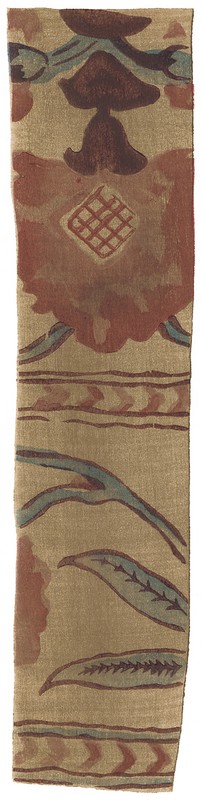
Japanese Textile Designs 139

23 Saturday Jan 2021

JapanTR-139.jpg

Posted by RichardB | Filed under Japanese Textile Designs

≈ Comments Off on Japanese Textile Designs 139

agreeable friends

21 Thursday Jan 2021

Posted by RichardB in George Eliot, Uncategorized

≈ Comments Off on agreeable friends

Tags

animals, pets


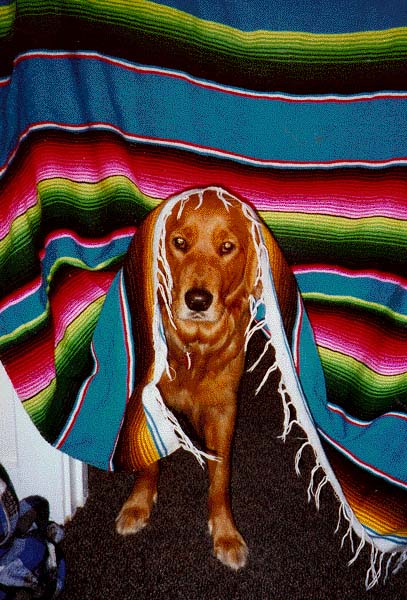
Animals are such agreeable friends – they ask no questions, they pass no criticisms. George Eliot

BD12648_

Carla van den Berg, mixed media technique

20 Wednesday Jan 2021

Posted by RichardB in art, How to, YouTube

≈ Comments Off on Carla van den Berg, mixed media technique

Tags

mixed media, youtube

Winter Sun Set

19 Tuesday Jan 2021

Posted by RichardB in My Photos

≈ Comments Off on Winter Sun Set

Tags

My Photos, winter

sunset

Top Songs I listened to in 2020: dodie – Cool Girl

18 Monday Jan 2021

Posted by RichardB in Music, youtube

≈ Comments Off on Top Songs I listened to in 2020: dodie – Cool Girl

Tags

dodie, music, youtube

Pet therapy

17 Sunday Jan 2021

Posted by RichardB in grounding, Relaxation, Stress, Therapy Dogs, Wellness

≈ Comments Off on Pet therapy

Tags

pets, PTSD, therapy dogs, vets

 The Pets for Vets program is dedicated to supporting veterans and providing a second chance for shelter pets by rescuing, training and pairing them with America’s veterans who could benefit from a companion animal.

The Pets… 3 to 4 million dogs and cats are euthanized each year. These animals can make excellent companion animals but never have that chance. Our dedicated animal trainers will evaluate and rescue the shelter animals and provide additional training to ensure that they are able to assimilate into a home, which is quite different from a shelter environment.servcedog

The Vets… Sadly, there are alarming statistics of suicide, family abuse and Post Traumatic Stress Disorder facing veterans returning to civilian life after military duty. This can cause a downward spiral of apathy, unemployment, broken relationships, addiction and depression. It is our belief that companion animals can be the life saving therapy or friend that many returning service men and women need

Medical studies have shown that companion animals significantly improve mental and physical health, including reducing stress, depression and anxiety, symptoms experienced by many serving in the military.

The Pets for Vets team interviews each veteran to ascertain what he or she is looking for in a companion animal; we pair this with his or her personality and lifestyle to make the perfect veteran-pet match. Once the perfect pet is selected for the veteran, the pet spends time in the home of one of our trainers who teaches the pet basic obedience and other valuable behaviors needed to live with his/her new owner. This can include becoming comfortable with wheel chairs or behaviors needed to help with Post Traumatic Stress Disorder (PTSD) and Traumatic Brain Injury (TBI).

Veterans who have a condition that could benefit from a trained companion animal and who are able to care for a pet, are eligible to receive a Pets for Vets companion animal.

http://pets-for-vets.com/

Image

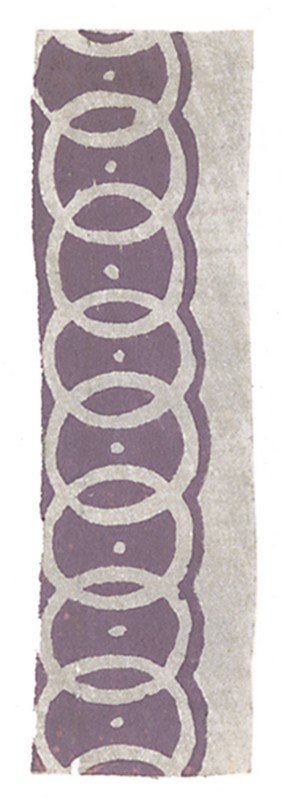
Japanese Textile Designs 14

16 Saturday Jan 2021

JapanTR-140.jpg

Posted by RichardB | Filed under Japanese Textile Designs

≈ Comments Off on Japanese Textile Designs 14

Top Songs I listened to in 2020: Haim – Don’t wanna

13 Wednesday Jan 2021

Posted by RichardB in Music, youtube

≈ Comments Off on Top Songs I listened to in 2020: Haim – Don’t wanna

Tags

HAIM, music, youtube

Image

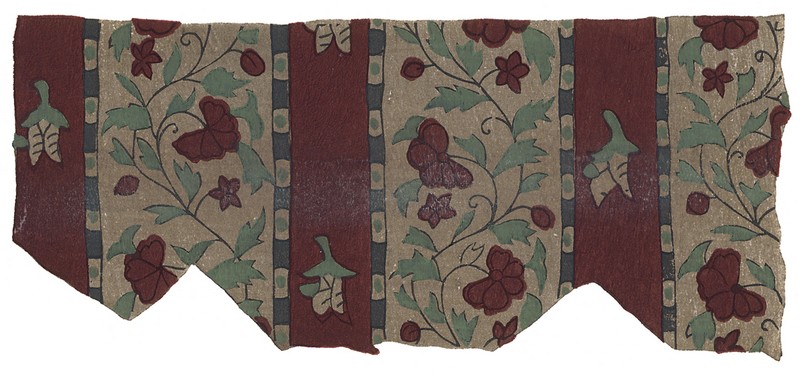
Japanese Textile Designs 141

09 Saturday Jan 2021

JapanTR-141.jpg

Posted by RichardB | Filed under Japanese Textile Designs

≈ Comments Off on Japanese Textile Designs 141

Why Do We Get Addicted

08 Friday Jan 2021

Posted by RichardB in Addiction

≈ Comments Off on Why Do We Get Addicted

Tags

Addiction

Think about an experience that makes you feel good. It could be successfully completing a project at work, eating a warm chocolate chip cookie or taking a swig of whiskey. It could be a puff of a cigarette or a shopping trip. A dose of Vicodin or a hit of heroin.

Those experiences don’t automatically lead to addiction. So what makes a particular habit or substance an addiction? What propels some people to seek out these experiences, even if they are costly or detrimental to their health and relationships? Brain-0010.jpg
“Addiction is a biopsychosocial disorder. It’s a combination of your genetics, your neurobiology and how that interacts with psychological and social factors,” said Maureen Boyle, a public health advisor and director of the science policy branch at the National Institute on Drug Abuse. That means it’s a lot like any other chronic disorder, such as type 2 diabetes, cancer and heart disease. And just like other chronic diseases, addiction is both preventable and treatable, Boyle said, but added that if left untreated, it can last a lifetime. [Do Smokers’ Lungs Heal After They Quit?]

The mutual mechanism

Though everyone’s path to addiction is different — whether he or she tries a drug or a behavior because it’s what that person’s parents or peer do, or just out of curiosity — what’s common across all substance and behavioral addictions is their stunning ability to increase levels of an important chemical in the brain called dopamine, Boyle told Live Science.

Dopamine is a molecule that ferries messages across the brain’s reward center. It’s what gives people the feeling of pleasure and reinforces behaviors critical for survival, such as eating food and having sex.

When someone uses a drug or engages in a pleasurable experience, the same natural reward circuitry is activated. “The problem with drugs is that they do the job better than natural rewards,” said Dr. Hitoshi Morikawa, an associate professor of neuroscience at the University of Texas at Austin.

Different drugs tap into the dopamine reward system in different ways. Marijuana and heroin have a chemical structure similar to another neurotransmitter and can trick some brain cells into activating neurons that use dopamine. Cocaine and amphetamines, on the other hand, prolong the effect of dopamine on its target neurons, disrupting normal communication in the brain.

How quickly each drug can get into the brain, and how powerfully it activates neural circuits, determines how addictive it will be, Morikawa told Live Science. Some modes of use, like injecting or snorting a drug, make the drug’s effects almost immediate. “That’s why heroin, for example, is the last drug you want to take,” he said. “It’s very addictive.”

From experimenting to getting hooked

As individuals continue with addictive habits or substances, the brain adapts. It tries to reestablish a balance between the dopamine surges and normal levels of the substance in the brain, Morikawa said. To do this, neurons begin to produce less dopamine or simply reduce the number of dopamine receptors. The result is that the individual needs to continue to use drugs, or practice a particular behavior, to bring dopamine levels back to “normal.” Individuals may also need to take greater amounts of drugs to achieve a high; this is called tolerance.

Without dopamine creating feelings of pleasure in the brain, individuals also become more sensitive to negative emotions such as stress, anxiety or depression, Morikawa said. Sometimes, people with addiction may even feel physically ill, which often compels them to use drugs again to relieve these symptoms of withdrawal. [Booze Snooze: Why Does Alcohol Make You Sleepy, Then Alert?]

Eventually, the desire for the drug becomes more important than the actual pleasure it provides. And because dopamine plays a key role in learning and memory, it hardwires the need for the addictive substance or experience into the brain, along with any environmental cues associated with it — people, places, things and situations associated with past use. These memories become so entwined that even walking into a bar years later, or talking to the same friends an individual had previously binged with, may then trigger an alcoholic’s cravings, Morikawa said.

Brain-imaging studies of people with addiction reveal other striking changes as well. For example, people with alcohol-, cocaine- or opioid-use disorders show a loss in neurons and impaired activity in their prefrontal cortex, according to a 2011 review of studies published in the journal Nature Reviews Neuroscience. This erodes their ability to make sound decisions and regulate their impulses.

Risk factors

Some people are more susceptible to these extreme neurobiological changes than others, and therefore more susceptible to addiction. Not everyone who tries a cigarette or gets morphine after a surgery becomes addicted to drugs. Similarly, not everyone who gambles becomes addicted to gambling. Many factors influence the development of addictions, Boyle said, from genetics, to poor social support networks, to the experience of trauma or other co-occurring mental illnesses.

One of the biggest risk factors is age. “The younger someone is, the more vulnerable they are to addiction,” Boyle said. In fact, a federal study from 2014 found that the majority (74 percent) of 18- to 30-year-olds admitted to treatment programs had started using drugs at age 17 or younger.

Additionally, like most behavioral and mental health disorders, there are many genes that add to a person’s level of risk or provide some protection against addiction, Boyle said. But unlike the way in which doctors can predict a person’s risk of breast cancer by looking for mutations in a certain gene, nobody knows enough to be able to single out any gene or predict the likelihood of inheriting traits that could lead to addiction, she said.


Halting Legacies of Trauma | Brian Dias | TEDxEmory

06 Wednesday Jan 2021

Posted by RichardB in healing, trauma

≈ Comments Off on Halting Legacies of Trauma | Brian Dias | TEDxEmory

Tags

healing, trauma

Brian Dias is a researcher in the field of neurobiology and an active participant in scientific innovation and education. Dr. Dias grew up in India and received his PhD from the University of Texas at Austin. Over the years, he has investigated the neurobiology underlying depression, anxiety, PTSD, and anti-social behavior. Currently, Dr. Dias and his team are studying how mammalian neurobiology, physiology and reproductive biology are impacted by stress, and how legacies of stress perpetuate across generations. Among other outlets, Dr. Dias’ work has been featured in Nature, on the BBC, in a list of the 10 Most Important Discoveries of 2014 published by La Recherche Magazine. Most recently, Dr. Dias was quoted in articles about the legacy of trauma (BBC) and the neurobiology of family separation (BrainFacts). In 2017, Dr. Dias received a CIFAR Azrieli Global Scholar Award from the Canadian Institute for Advanced Research (CIFAR) and is currently an Associate Fellow in CIFAR’s Child & Brain Development Program. In addition to research, Dr. Dias is interested in scientific innovation and education. This talk was given at a TEDx event using the TED conference format but independently organized by a local community.

Top Songs I listened to in 2020: Lake Street Dive – Making Do

04 Monday Jan 2021

Posted by RichardB in Music

≈ Comments Off on Top Songs I listened to in 2020: Lake Street Dive – Making Do

Tags

Lake Street Dive, music

ffff

Animal-Assisted Therapy

03 Sunday Jan 2021

Posted by RichardB in Wellness

≈ Comments Off on Animal-Assisted Therapy

Tags

adolescents, animal, therapy

Can animal-assisted therapy can help adolescents who are in hospital because of an acute psychiatric crisis? A randomized controlled trial investigates.

The study, conducted by a team of researchers led by M.C. Stefanini of the University of Florence, randomly allocated patients to either an animal-assisted therapy intervention or no intervention. Both groups continued to receive psychiatric treatment as usual, and those treating them did not know which group they were in. The results are very promising.

The intervention group had better school attendance, higher levels of global functioning, and spent less time in the hospital compared to the control group. “One possible explanation for this success is the role of the animal as a catalyst in the therapeutic process,” the researchers write. “Animals may represent a valid help in therapeutic contexts thanks to their ability to catalyze social interactions and to create a more relaxed environment.”   READ MORE HEREDogsCats

Image

Japanese Textile Designs 142

02 Saturday Jan 2021

JapanTR-142.jpg

Posted by RichardB | Filed under Japanese Textile Designs

≈ Comments Off on Japanese Textile Designs 142

Image

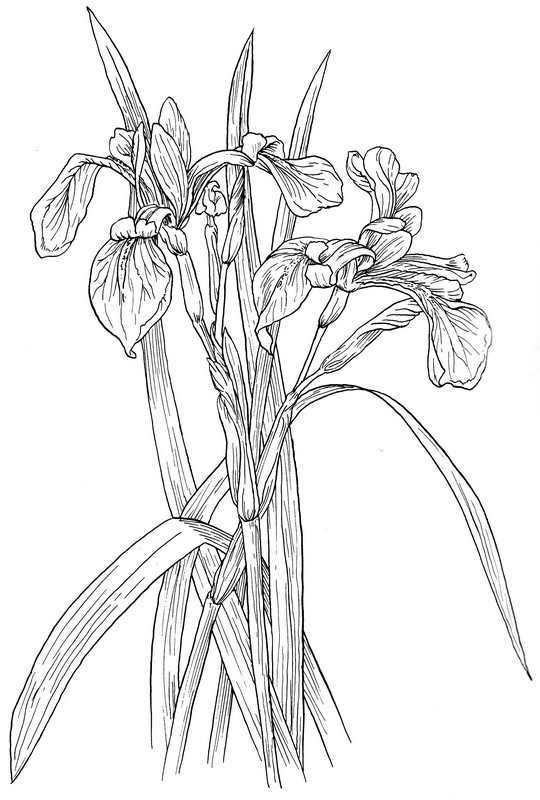
Swamp Iris Coloring Page

02 Saturday Jan 2021

Tags

Coloring Page, Swamp Iris

CPFL-Swamp Iris-TR.jpg

Posted by RichardB | Filed under Coloring Pages

≈ Comments Off on Swamp Iris Coloring Page

← Older posts
Newer posts →

instagram

Follow RichardbBrunner on WordPress.com
  • Tumblr
  • YouTube

Create a free website or blog at WordPress.com.

Privacy & Cookies: This site uses cookies. By continuing to use this website, you agree to their use.
To find out more, including how to control cookies, see here: Cookie Policy
  • Subscribe Subscribed
    • RichardbBrunner
    • Join 492 other subscribers
    • Already have a WordPress.com account? Log in now.
    • RichardbBrunner
    • Subscribe Subscribed
    • Sign up
    • Log in
    • Report this content
    • View site in Reader
    • Manage subscriptions
    • Collapse this bar
 

Loading Comments...