Tags

19 Thursday Mar 2020
Tags
19 Thursday Mar 2020
Posted in creative, daydreaming
≈ Comments Off on problem-solving: day dream answers
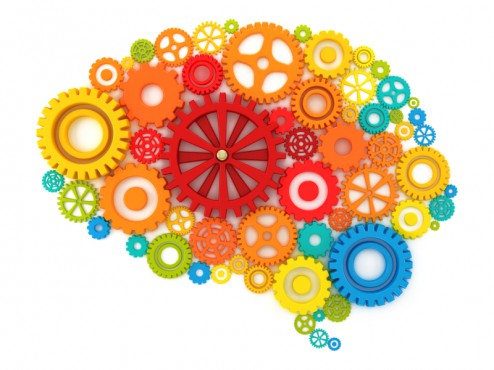 There are distinctive stages in creative problem-solving. The first stage is preparation, gathering resources. Searching out any information that might be relevant. The key to this stage is open mindedness, letting your imagination roam free. Being receptive, being able to listen openly and well, to move beyond self censorship and judgment.
18 Wednesday Mar 2020
Posted in photo
≈ Comments Off on I thought I had
Tags
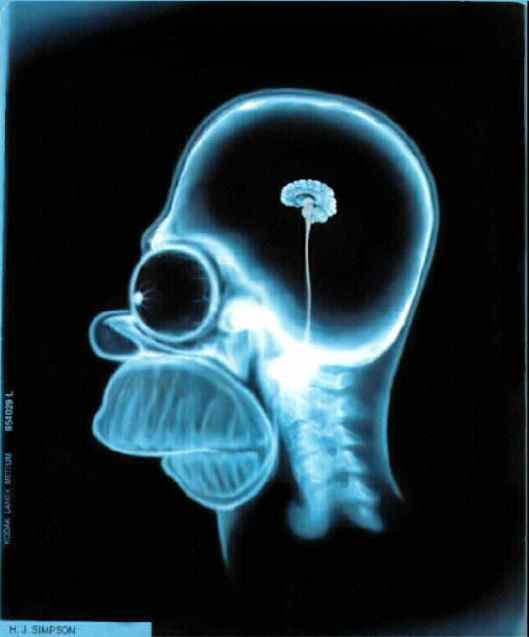
I thought I had an appetite for destruction, but all I wanted was a club sandwich.
Homer Simpson
17 Tuesday Mar 2020
Posted in creative arts therapy, journal, Mental Health
≈ Comments Off on Journal writing and self talk
Tags
Patterns of negative or positive self-talk often start in childhood. Usually, the self-talk habit is one that’s colored our thinking for years, and can affect us in many ways, influencing the experience of stress to our lives. However, any time can be a good time to change it! Here are some ways you can stop yourself from using negative self-talk and use your mind to boost your productivity and self-esteem, and relieve stress.
Notice Your Patterns:
The first step toward change is to become more aware of the problem. You probably don’t realize how often you say negative things in your head, or how much it affects your experience. Here are two strategies that can help you become more conscious of your internal dialogue and its content.
Journal Writing: Whether you carry a journal around with you and jot down negative comments when you think them, write a general summary of your thoughts at the end of the day, or just start writing about your feelings on a certain topic and later go back to analyze it for content, journaling can be an effective tool for examining your inner process.
Thought-Stopping: As you notice yourself saying something negative in your mind, you can stop your thought mid-stream my saying to yourself “Stop”. Saying this aloud will be more powerful, and having to say it aloud will make you more aware of how many times you are stopping negative thoughts, and where.
17 Tuesday Mar 2020
Posted in Meditation, mindfulness, Wellness
≈ Comments Off on What is Mindfulness?
Tags
What is Mindfulness?
Mindfulness is a concentrated state of awareness that can help us see and respond to situations with clarity and without getting carried away by emotions or the constant chatter in our heads. Mindfulness enables us to:
· Better manage tension and stress
· Enhance objectivity, mental focus
· Communicate and make decisions more effectively
· Improve productivity
· Quiet’s noise in the mind
Meditation
Meditation is the tool we use to cultivate mindfulness. With meditation, you intentionally pay attention to a particular object as a way to strengthen concentration. There are thousands of meditative techniques: Tai Chi, yoga, focusing on the breath and using a mantra are all examples. People often think that meditating “correctly” means clearing all thought from the mind. This is a myth. The mind never stops thinking – it’s when we get caught up in our thoughts that we lose mindfulness. By witnessing thoughts, allowing them to pass, and returning to your chosen object of focus, you can actually build the muscle of concentration. Think of meditation as a fitness routine for the mind.
Are there other benefits to mindfulness?
In addition to boosting brain power, numerous research studies have shown significant physical benefits including:
· Reduced blood pressure
· Lowered cholesterol levels
· Enhanced immune function
· Reduced headache, migraine, back pain
· Improved respiratory function
Mindfulness does not require a particular set of beliefs in order to learn and practice – it is a quality of mind, accessible and available to all.
Mindfulness allows us to live every moment fully without the filters of bias, judgment or emotional reaction.
Mindfulness helps the body cope with physical challenges such as headaches, back pain and even heart disease.
Mindfulness keeps us from reacting too quickly – it helps increase the gap between impulse and action.
16 Monday Mar 2020
Posted in Music, Uncategorized, YouTube
≈ Comments Off on Top Songs I listened to in 2019: Brittany Howard
Tags
Brittany Howard is an American musician, singer, and songwriter known for being the lead vocalist, guitarist, and main songwriter of rock bands Alabama Shakes and Thunderbitch.
I have a 16,000 plus digital audio collection and I use Media Monkey to manage my files. One feature of Media Monkey is you can sort your collection based on the number of times played. This playlist is based on the top music and/or music video files I played/listened/streamed from my server in 2019. Complete Playlist HERE
15 Sunday Mar 2020
14 Saturday Mar 2020

Posted by RichardB | Filed under Seguy Art Deco Designs
≈ Comments Off on Seguy Art Deco Designs 114
14 Saturday Mar 2020
Posted by RichardB | Filed under Coloring Pages
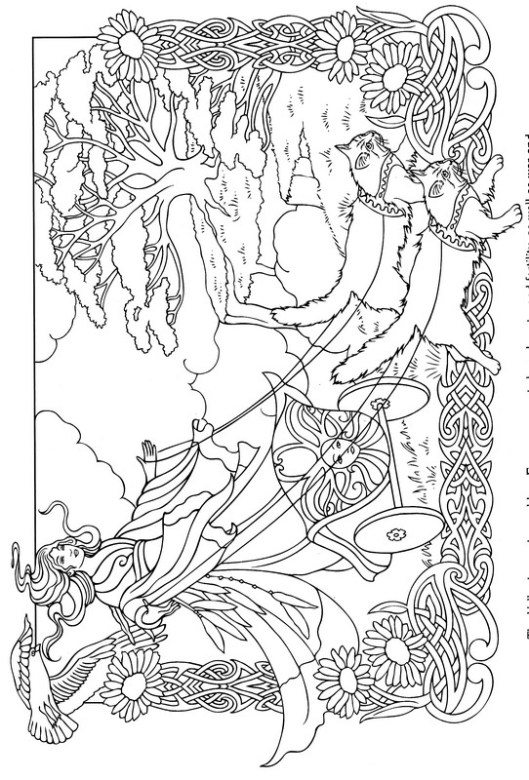
≈ Comments Off on Freya Coloring Page
13 Friday Mar 2020
Posted in dogs, Pets, Uncategorized
≈ Comments Off on Many Dogs Are Angst-Ridden
For many dog owners, thunderstorms are a source of angst, a walk to the dog park can be a fraught experience, and New Year’s celebrations are particularly stressful. According to a new study of thousands of pet dogs, anxiety and fear-related behavior problems are widespread. Certain breeds are particularly sensitive to loud noises or being left alone. Other breeds may engage in compulsive behaviors such as biting themselves or urinating, suggesting a genetic component to the activity.
Read the entire article at Scientific American.

12 Thursday Mar 2020
A team of psychologists from the Free University of Berlin in Germany decided to investigate the science behind the lure of the melancholy tune by analyzing how they make us feel. They gathered data from 772 participants, including 408 from Europe and the rest from Asia, and North America. Each participant was asked to respond to a survey about how often they listen to sad music, what kinds of situations prompted them to do so, and how they feel when they’re listening to it.
Publishing in the journal PLOS One, the researchers found that “a wide range of complex and partially positive emotions, such as nostalgia, peacefulness, tenderness, transcendence, and wonder,” were brought out in the participants by sad music. The data revealed that nostalgia was the most prevalent emotion, brought out in over 76 percent of the participants, while peacefulness came in second place at 57.5 percent.
What do nostalgia, peacefulness, tenderness, transcendence, and wonder all have in common? They’re all healthy, feel-good emotions. “For many individuals, listening to sad music can actually lead to beneficial emotional effects,” the researchers, led by psychologist Liila Taruffi, report. “Music-evoked sadness can be appreciated not only as an aesthetic, abstract reward, but [it] also plays a role in well-being, by providing consolation as well as regulating negative moods and emotions.”
The study also revealed that a high number of participants reported listening to sad music in situations of emotional distress or when they’re feeling lonely, so it could be a form of self-medication. “For most of the people, the engagement with sad music in everyday life is correlated with its potential to regulate negative moods and emotions, as well as to provide consolation,” the researchers add.
These findings appear to have some connection to previous research into sad music that suggests listening to it changes the chemistry in our brains to help us get over our grief. According to David Huron, a professor of music at Ohio University in the US, listening to sad music likely causes a spike in the hormone prolactin in the brain.
“Prolactin is the chemical that is used to help curb grief because it’s also released during basic human activities – like when we eat, when women ovulate or breastfeed and (perhaps most importantly) when we have sex,” says David Taylor Sloan at Mic.com. “So sad music actually activates a chemical that tones down your grief – suggesting that being sad (and listening to sad music to get there) has deep evolutionary benefits.
A team of psychologists from the Free University of Berlin in Germany decided to investigate the science behind the lure of the melancholy tune by analyzinganalysing how they make us feel. They gathered data from 772 participants, including 408 from Europe and the rest from Asia, and North America. Each participant was asked to respond to a survey about how often they listen to sad music, what kinds of situations prompted them to do so, and how they feel when they’re listening to it. 
12 Thursday Mar 2020
Posted in Creative Therapy Tools
Tags
In my years f doing groups I have on occasion facilitated men only groups. One issue that comes up is depression. We all have bouts of sadness now and then and when those bouts of sadness interfere with our daily lives than we need to take a step in the direction of change. Below is a handout I often use, particularly with dual diagnosed men.
Symptoms of Depression
Not everyone who is depressed or manic experiences every symptom. Some people experience only a few; some people suffer many. The severity of symptoms varies among individuals and also over time.
· Persistent sad, anxious, or “empty” mood.
· Feelings of hopelessness or pessimism.
· Feelings of guilt, worthlessness, or helplessness.
· Loss of interest or pleasure in hobbies and activities that were once enjoyable
· Decreased energy, fatigue; feeling “slowed down.”
· Difficulty concentrating, remembering, or making decisions.
· Trouble sleeping, early-morning awakening, or oversleeping.
· Changes in appetite and/or weight.
· Thoughts of death or suicide, or suicide attempts.
· Restlessness or irritability.
· Persistent physical symptoms, such as headaches, digestive disorders, and chronic pain that do not respond to routine treatment.
Co-Occurrence of Depression with Other Illnesses
Depression can coexist with other illnesses. In such cases, it is important that the depression and each co-occurring illness be appropriately diagnosed and treated. Research has shown that anxiety disorders which include post-traumatic stress disorder (PTSD), obsessive-compulsive disorder, panic disorder, social phobia, and generalized anxiety disorder commonly accompany depression.
Substance use disorders (abuse or dependence) also frequently co-occur with depressive disorders. Research has revealed that people with drug and/or alcohol addiction are almost twice as likely to experience depression.
Depression has been found to occur at a higher rate among people who have other serious illnesses such as heart disease, stroke, cancer, HIV, diabetes, and Parkinson’s.
Causes of Depression
Very often, a combination of cognitive, genetic, and environmental factors is involved in the onset of depression. Modern brain-imaging technologies reveal that, in depression, neural circuits responsible for the regulation of moods, thinking, sleep, appetite, and behavior fail to function properly.
In some families, depressive disorders seem to occur generation after generation; however, they can also occur in people with no family history of these illnesses. Genetics research indicates that risk for depression results from the influence of specific multiple genes acting together with non-genetic factors.
Environmental factors such as trauma, loss of a loved one, a difficult relationship, financial problem, or any stressful change in life patterns, whether the change is unwelcome or desired, can trigger a depressive episode in vulnerable individuals. Once someone experiences a bout of depression later episodes of depression may occur without an obvious cause.
Men and Depression
Men are more likely than women to report alcohol and drug abuse or dependence in their lifetime; however, there is debate among researchers as to whether substance use is a “symptom” of underlying depression in men or a co-occurring condition that more commonly develops in men. Nevertheless, substance use can mask depression, making it harder to recognize depression as a separate illness that needs treatment.
Instead of acknowledging their feelings, asking for help, or seeking appropriate treatment, men may turn to alcohol or drugs when they are depressed, or become frustrated, discouraged, angry, irritable, and, sometimes, violently abusive. Some men deal with depression by throwing themselves compulsively into their work, attempting to hide their depression from themselves, family, and friends. Other men may respond to depression by engaging in reckless behavior, taking risks, and putting themselves in harm’s way.
How to Help Yourself if You Are Depressed
Depressive disorders can make one feel exhausted, worthless, helpless, and hopeless. It is important to realize that these negative views are part of the depression and do not accurately reflect the actual circumstances. Negative thinking fades as treatment begins to take effect. In the meantime:
11 Wednesday Mar 2020
Posted in Gayle Brandeis
≈ Comments Off on breath
“Come back to the heartbeat, the pulse, the rhythm we all walk to, regardless of nation or color. Come back to the breath – inhale, take the world deep into your lungs; exhale, give yourself back fully. This is what the body says: release the peace that lives within your skin.” Gayle Brandeis from, The Body Politic of Peace

10 Tuesday Mar 2020
Nice article from the Times of India, citing research using Yoga Asanas: Among the many clinical researches being conducted at Nimhans , one involved patients of an old-age home who were exposed to six months of yoga therapy. MRI scans taken before and after showed an increase in the size of the hippocampus, the brain’s memory index. “It was
larger than before because the grey matter had increased. The results will be published in a scientific journal shortly ,” adds Gangadhar. The hippocampus is vulnerable to stress and atrophy is seen in patients of schizophrenia, post-traumatic stress disorder (PTSD) and severe depression. “Yoga acts as an antidepressant ,” he says. Read the entire article here.
10 Tuesday Mar 2020
Posted in Art Therapy, emotions, Health, Journaling, Self expression, Wellness
≈ Comments Off on How art aided Andrew Marr’s recovery
09 Monday Mar 2020
Tags
Nancy Sanchez – Puerta Del Sol
Nancy Sanchez is a natural musician and artist. She is a studied and award winning Jazz vocalist, but she is also a natural singer songwriter. Born in Toluca Mexico, then making her home in the United States as a young girl, her music is a reflection of two cultures.
I have a 16,000 plus digital audio collection and I use Media Monkey to manage my files. One feature of Media Monkey is you can sort your collection based on the number of times played. This playlist is based on the top music and/or music video files I played/listened/streamed from my server in 2019. Complete Playlist HERE
08 Sunday Mar 2020
Posted in African Proverb, Uncategorized
08 Sunday Mar 2020
07 Saturday Mar 2020

Posted by RichardB | Filed under Japanese Textile Designs
≈ Comments Off on Japanese Textile Designs 117
07 Saturday Mar 2020
Posted by RichardB | Filed under Coloring Pages
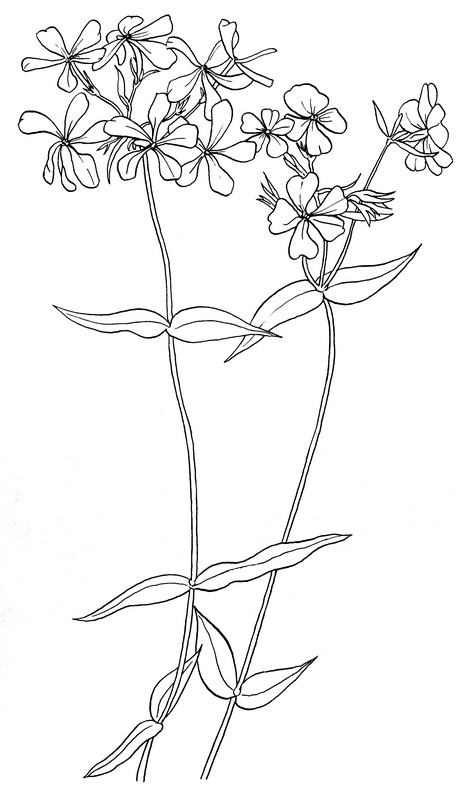
≈ Comments Off on Blue Phlox Coloring Page


 RichardbBrunner