• Home
  • Music
  • About
  • Contact
  • CreativeTherapyTools.com

RichardbBrunner

~ creative arts therapist

RichardbBrunner

Category Archives: grounding

Grounding

18 Friday Jul 2025

Posted by RichardB in grounding, Wellness

≈ Comments Off on Grounding

Tags

activities, overwhelming, wellbeing

Grounding Techniques are activities you use when you feel overwhelmed by feelings, thoughts, sensations. These techniques help a person move their focus away from what is overwhelming them to something else. That something else is preferable healthy and supportive to their wellbeing. Below is a list that clients and patients have mentioned over the years of things they do that help them ground.

  • Get ice or ice water
  • Breathe – slow and deep, like blowing up a balloon.
  • Take your shoes off and rub your feet on the ground.
  • Open your eyes and look around. See yourself in a different place than.
  • Move around. Feel your body. Stretch out your arms, hands, fingers.
  • Peel an orange or a lemon. Notice the smell. Take a bite. Focus on the taste.
  • Pet your cat, dog or rabbit.
  • Spray yourself with favorite perfume.
  • Eat ice cream! Or any favorite food. Pay attention to the taste.
  • Call a friend.
  • Take a shower.
  • Take a bath.
  • Go for a walk. Feel the sunshine (or rain, or snow!)
  • Count nice things.
  • Dig in the dirt in your garden.
  • Turn lights on.
  • Play your favorite music.
  • Hug a tree!
  • Touch things around you.
  • Frozen Orange – put your nails into it – the cold and the smell can bring you back
  • Pull up the daily newspaper on your browser. Notice the date and read a current article.
  • Stomp your feet to remind yourself where you are. Press your feet firmly into the ground.
  • Try to notice where you are, your surroundings including people, sounds like the t.v. or radio.
  • Concentrate on your breathing. Take a deep cleansing breath from your diaphragm. Count the breaths as you exhale. Make sure you breath slowly so you don’t hyperventilate.
  • Cross your legs and arms. Feel the sensations of you controlling your body.
  • Call a friend and ask them to talk with you about something you have recently done together.
  • Take a warm relaxing bubble bath or a warm shower. Feel the water touching your body.
  • Mentally remind yourself that the memory was then, and it is over. Give yourself permission to not think about it right now.
  • Realize that no matter how small you feel, you are an adult.
  • Go outside and sit against a tree. Feel the bark pressing against your body. Smell the outside aromas like the grass and the leaves. Run your fingers through the grass.
  • If you are sitting, stand. If you are standing sit. Pay attention to the movement change. Reminding yourself — you are in control.
  • Rub your palms, clap your hands. Listen to the sounds. Feel the sensation.
  • Speak out loud. Say your name or significant others name.
  • Hold something that you find comforting, for some it may be a stuffed animal or a blanket. Notice how it feels in your hands. Is it hard or soft?
  • Eat something. How does it taste, sweet or sour? Is it warm or cold?
  • If you have a pet use that moment to touch them. Feel their fur and speak the animals name out loud.
  • Visualize a bright red STOP sign to help you stop the flashback and/or memory
  • Step outside. If it’s warm, feel the sun shining down on your face. If it’s cold, feel the breeze. How does it make your body feel?
  • Take a walk outside and notice your neighborhood. Pay attention to houses and count them.
  • Listen to familiar music and sing along to it. Dance to it.
  • Write in your journal. Pay attention to yourself holding the pencil. Write about what you are remembering and visualize the memory traveling out of you into the pencil and onto the paper. Tear the paper up or seal it in an envelope. Give it to your therapist for safekeeping.
  • Go online and talk with an online friend. Write an email.
  • Imagine yourself in a safe place. Feel the safety and know it.
  • Watch a favorite t.v. program or video. Play a video game.
  • If you have a garden, work in it. Feel your hands running through the dirt.
  • Wash dishes or clean your house.
  • Meditate if you are comfortable with it.
  • Exercise. Ride a bike, stationary or otherwise. Lift weights. Do jumping jacks.

Being Creative & Meditation

20 Wednesday Mar 2024

Posted by RichardB in Creativity, grounding, Meditation, mindfulness

≈ Comments Off on Being Creative & Meditation

Tags

create, Creativity, meditation, mindfulness

Certain meditation techniques can promote creative thinking, even if you have never meditated before. This is the outcome of a study by cognitive psychologist Lorenza Colzato and Dominique Lippelt at Leiden University, published in Mindfulness.MP900309017

Long-lasting influence

The study is a clear indication that you don’t need to be an experienced meditator to profit more from meditation. The findings support the belief that meditation can have a long-lasting influence on human cognition, including how we conceive new ideas. Besides experienced meditators, also novices may profit from meditation.

Different techniques, different effects

But the results demonstrate that not all forms of meditation have the same effect on creativity. Test persons performed better in divergent thinking (= thinking up as many possible solutions for a given problem) after Open Monitoring meditation (= being receptive to every thought and sensation). The researchers did not see this effect on divergent thinking after Focused Attention meditation (=focusing on a particular thought or object.)

Setup of the study

Print40 individuals participated in this study, who had to meditate for 25 minutes before doing their thinking tasks. There were both experienced mediators and people who never meditated before. The study investigated the influences of different types of meditative techniques on the two main ingredients of creativity:

  • Divergent thinking Allows for many new ideas to be generated. It is measured using the so-called Alternate Uses Task method where participants are required to think up as many uses as possible for a particular object, such as a pen.
  • Convergent thinking Convergent thinking, on the other hand, is a process whereby one possible solution for a particular problem is generated. This is measured using the Remote Associates Task method, where three unrelated words are presented to the participants, words such as ‘time’, ‘hair’ and ‘stretch’. The participants are then asked to identify the common link: in this case, ‘long’.

Lorenza S. Colzato, Ayca Szapora, Dominique Lippelt, Bernhard Hommel. Prior Meditation Practice Modulates Performance and Strategy Use in Convergent- and Divergent-Thinking Problems. Mindfulness, 2014; DOI: 10.1007/s12671-014-0352-9

Brain System For Emotional Self-Control

27 Thursday May 2021

Posted by RichardB in brain, Cognitive behavioral therapy, grounding, Health, mental health

≈ Comments Off on Brain System For Emotional Self-Control

Tags

brain, study

Different brain areas are activated when we choose to suppress an emotion, compared to when we are instructed to inhibit an emotion, according a new study from the UCL Institute of Cognitive Neuroscience and Ghent University.
In this study, published in Brain Structure and Function, the researchers scanned the brains of healthy participants and found that key brain systems were activated when choosing for oneself to suppress an emotion. They had previously linked this brain area to deciding to inhibit movement.
“This result shows that emotional self-control involves a quite different brain system from simply being told how to respond emotionally,” said lead author Dr Simone Kuhn (Ghent University).
In most previous studies, participants were instructed to feel or inhibit an emotional response. However, in everyday life we are rarely told to suppress our emotions, and usually have to decide ourselves whether to feel or control our emotions.
In this new study the researchers showed fifteen healthy women unpleasant or frightening pictures. The participants were given a choice to feel the emotion elicited by the image, or alternatively to inhibit the emotion, by distancing themselves through an act of self-control.
The researchers used functional magnetic resonance imaging (fMRI) to scan the brains of the participants. They compared this brain activity to another experiment where the participants were instructed to feel or inhibit their emotions, rather than choose for themselves.
Different parts of the brain were activated in the two situations. When participants decided for themselves to inhibit negative emotions, the scientists found activation in the dorso-medial prefrontal area of the brain. They had previously linked this brain area to deciding to inhibit movement.
In contrast, when participants were instructed by the experimenter to inhibit the emotion, a second, more lateral area was activated.
“We think controlling one’s emotions and controlling one’s behavior involve overlapping mechanisms,” said Dr Kuhn.
“We should distinguish between voluntary and instructed control of emotions, in the same way as we can distinguish between making up our own mind about what do, versus following instructions.”
Regulating emotions is part of our daily life, and is important for our mental health. For example, many people have to conquer fear of speaking in public, while some professionals such as health-care workers and firemen have to maintain an emotional distance from unpleasant or distressing scenes that occur in their jobs.
tivityProfessor Patrick Haggard (UCL Institute of Cognitive Neuroscience) co-author of the paper said the brain mechanism identified in this study could be a potential target for therapies.
“The ability to manage one’s own emotions is affected in many mental health conditions, so identifying this mechanism opens interesting possibilities for future research.
“Most studies of emotion processing in the brain simply assume that people passively receive emotional stimuli, and automatically feel the corresponding emotion. In contrast, the area we have identified may contribute to some individuals’ ability to rise above particular emotional situations.
“This kind of self-control mechanism may have positive aspects, for example making people less vulnerable to excessive emotion. But altered function of this brain area could also potentially lead to difficulties in responding appropriately to emotional situations.”

Pet therapy

17 Sunday Jan 2021

Posted by RichardB in grounding, Relaxation, Stress, Therapy Dogs, Wellness

≈ Comments Off on Pet therapy

Tags

pets, PTSD, therapy dogs, vets

 The Pets for Vets program is dedicated to supporting veterans and providing a second chance for shelter pets by rescuing, training and pairing them with America’s veterans who could benefit from a companion animal.

The Pets… 3 to 4 million dogs and cats are euthanized each year. These animals can make excellent companion animals but never have that chance. Our dedicated animal trainers will evaluate and rescue the shelter animals and provide additional training to ensure that they are able to assimilate into a home, which is quite different from a shelter environment.servcedog

The Vets… Sadly, there are alarming statistics of suicide, family abuse and Post Traumatic Stress Disorder facing veterans returning to civilian life after military duty. This can cause a downward spiral of apathy, unemployment, broken relationships, addiction and depression. It is our belief that companion animals can be the life saving therapy or friend that many returning service men and women need

Medical studies have shown that companion animals significantly improve mental and physical health, including reducing stress, depression and anxiety, symptoms experienced by many serving in the military.

The Pets for Vets team interviews each veteran to ascertain what he or she is looking for in a companion animal; we pair this with his or her personality and lifestyle to make the perfect veteran-pet match. Once the perfect pet is selected for the veteran, the pet spends time in the home of one of our trainers who teaches the pet basic obedience and other valuable behaviors needed to live with his/her new owner. This can include becoming comfortable with wheel chairs or behaviors needed to help with Post Traumatic Stress Disorder (PTSD) and Traumatic Brain Injury (TBI).

Veterans who have a condition that could benefit from a trained companion animal and who are able to care for a pet, are eligible to receive a Pets for Vets companion animal.

http://pets-for-vets.com/

Mindfulness: how to be present in the moment

20 Tuesday Oct 2020

Posted by RichardB in grounding, Health, Meditation, mindfulness, Wellness

≈ Comments Off on Mindfulness: how to be present in the moment

Tags

meditation, mindfulness

UC San Diego Center for Mindfulness joins William Mobley, MD, PhD for a discussion of how to be present in the moment and leverage the practice of mindfulness to stay engaged, focused, and fulfilled

Opportunities 4 mindfulness

16 Wednesday Sep 2020

Posted by RichardB in grounding, Handout, Meditation, mindfulness, Wellness

≈ Comments Off on Opportunities 4 mindfulness

Tags

daily, Meditation, mindfulness, schedule

For most of us, a typical day begins when we get out of bed, wash, and then start our activities. At some point, we get a bite to eat, walk somewhere, and talk to someone. Often, by the end of the day we find ourselves stressed out and physically exhausted. It doesn’t have to be that way!

Everyday activities can be an opportunity for a meditation moments; bringing mindfulness, clarity, and peace into your day while energizing yourself and reducing stress.4_lies

A study published in the journal Consciousness and Cognition found: “Brief meditation training reduced fatigue, anxiety, and increased mindfulness. Moreover, brief mindfulness training significantly improved visuo-spatial processing, working memory, and executive functioning.”

These brief mindfulness meditations can be done anywhere or anytime …well using common sense. Just like you should not text and drive I would not meditate and drive either.

Here are two examples of how to add meditation without taking time out of your schedule.

  1. When you get up in the morning, you usually wash. Let’s use washing your face for our first meditation opportunity. Feel the temperature of the water on your hands. Focus on the temperature as you add a little soap. Notice how the suds feel on your hand. When a thought comes in, think of it as someone else’s phone ringing. You hear it, but you don’t have to answer it. Next, feel your soapy hands or the washcloth on your face. Focus on that sensation as you wash your face. Next, feel the rinse water on your face — how does it feel? Is it too cold? Too hot? Just right? If your mind wanders, there is no need to judge, just go back to focusing on the feeling of the water on your face. As you towel off, feel the sensation of the air on your face. It’s that simple, you just meditated.
  2. As you go about your day, you are most likely waiting in line or in traffic, so take a moment to breathe. Everyone has to breathe, and there is no way the person in front of you in the coffee line will know you are meditating! Sense the breath coming in and out of your nose or mouth. Don’t worry about thoughts; you know what to do, think of your thoughts as someone else’s cellphone ringing. Some people like to label their thoughts as “thought” and then let them go. The important thing is returning to sensing your breath coming in and out of your body. You will feel your shoulders relax and your patience returning.

Yoga Benefits

03 Thursday Sep 2020

Posted by RichardB in Depression, grounding, Health, Relaxation, Stress, Wellness, Yoga

≈ Comments Off on Yoga Benefits

Tags

health

Many people hear “yoga”, and think Zen gardens, meditation, and free spirits. But you may be surprised to find that one recent study showed that those who incorporated yoga into their life had improved stress levels and lower blood pressure. Yoga was ultimately developed to combine controlled breathing and poses to achieve physical, mental, and spiritual strength and unity. In fact, Michelle Obama even attributes her sleek physique to frequent yoga sessions. There are multiple types of yoga, but Hatha Yoga is the most commonly practiced type in the United States.

young woman excercising power yoga

Here are some surprising health benefits of practicing yoga that you may have never known!

Relief of Back Pain: More than 60 million Americans suffer from chronic back pain. Yoga is one of the best exercises to help alleviate pain. This is due to the increase in core stability (abdominal muscles) and the reduction of pressure across the lower back and surrounding muscles. Yoga also helps to release endorphins throughout the body that can calm inflammation. Practicing yoga for just two sessions a week may reduce or even eliminate back pain. Many individuals also report an increase in pain tolerance after attending sessions for only three weeks.

Heart Healthy: Further research also demonstrates that even one yoga session can produce a calming effect on the body, and individuals in one study showed reduction in their systolic blood pressure after only 12 weeks of two yoga sessions per week. Additionally, incorporating yoga into a cardiac rehabilitation program after a heart attack or bypass surgery has also shown promise in maintaining lower levels of stress and healthy blood pressure levels.

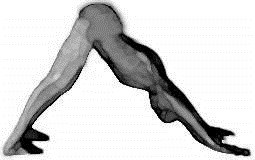
Increased Flexibility: You may be thinking, “No Duh”, on this one, but the benefits may be surprising. Practicing poses like downward dog, and tree pose can improve balance and flexibility. This can directly strengthen and protect your larger joints (knees, hips, back, neck) from injury and reduce inflammation in the smaller joints (fingers and ankles). This can also help reduce falls in the elderly, and ultimately avoid fractures in this age group.

Mood Booster: In addition to mental clarity and relaxation, yoga has been shown to improve depression, anxiety, and chronic stress. A small German study reviewed in the Harvard Mental Health Letter demonstrated that at the end of a three-month period, women perceived less stress, depression, anxiety, and fatigue. A few yoga classes could leave you happier and less stressed. Increased happiness alone is reason enough to give it a try!

As with any new exercise, always consult your physician before you begin. This is to ensure your body can safely complete the activity. I also recommend you attend a beginner class or view a video with some common poses. This will make you feel more confident during your first class and ensure you obtain the most benefit.

http://www.everydayhealth.com/columns/shilpi-agarwal-your-holistic-health-guide/yoga-the-hidden-health-benefits-of-down-dogging

Stressed?

02 Wednesday Sep 2020

Posted by RichardB in grounding, Handout, mindfulness, Relaxation, Stress, Wellness

≈ 1 Comment

Tags

relaxation, stress tios, therapy

I’ve been teaching a stress less/relaxation class for years and below is one the handouts that participants report is most helpful.:0854f-feelings-54

Change the situation: Avoid – Alter. Change your reaction: Adapt – Accept

1. Avoid unnecessary stress

Not all stress can be avoided, and it’s not healthy to avoid a situation that needs to be addressed.

Learn how to say “no” – Know your limits and stick to them.

Avoid people who stress you out –Limit the amount of time you spend with people that cause you stress.

Take control of your environment – If the evening news makes you anxious, turn the TV off.

Avoid hot-button topics –If you repeatedly argue about the same subject with the same people, stop bringing it up or excuse yourself when it’s the topic of discussion.

Pare down your to-do list –If you’ve got too much on your plate, distinguish between the “shoulds” and the “musts.”

2. Alter the situation

If you can’t avoid a stressful situation, try to alter it. Figure out what you can do to change things so the problem doesn’t present itself in the future.

Express your feelings instead of bottling them up. If something or someone is bothering you, communicate your concerns in an open and respectful way.
Be willing to compromise. When you ask someone to change their behavior, be willing to do the same.

Be more assertive. Deal with problems head on, doing your best to anticipate and prevent them.

Manage your time better. Plan ahead and make sure you don’t overextend yourself.

3. Adapt to the stressor

If you can’t change the stressor, change yourself. You can adapt to stressful situations and regain your sense of control by changing your expectations and attitude.

Reframe problems. Try to view stressful situations from a more positive perspective.

Look at the big picture. Will it matter in a month, or a year?

Adjust your standards. Set reasonable standards for yourself and others, and learn to be okay with “good enough.”

Focus on the positive. When stress is getting you down, take a moment to reflect on all the things you appreciate in your life, including your own positive qualities and gifts.

4. Accept what you can’t change

Some sources of stress are unavoidable, in such cases; the best way to cope with stress is to accept things as they are. Acceptance may be difficult, but in the long run, it’s easier than railing against a situation you can’t change.

Don’t try to control the uncontrollable. Focus on the things you can control such as the way you choose to react to problems.

Look for the upside. As the saying goes, “What doesn’t kill us makes us stronger.” When facing major challenges, try to look at them as opportunities for personal growth.

Share your feelings. Talk to a trusted friend or make an appointment with a therapist.

Learn to forgive. Accept the fact that we live in an imperfect world and that people make mistakes.

Brain System For Emotional Self-Control

09 Thursday Jul 2020

Posted by RichardB in brain, Cognitive behavioral therapy, grounding, Health, Mental Health

≈ Comments Off on Brain System For Emotional Self-Control

Tags

study

Different brain areas are activated when we choose to suppress an emotion, compared to when we are instructed to inhibit an emotion, according a new study from the UCL Institute of Cognitive Neuroscience and Ghent University.
In this study, published in Brain Structure and Function, the researchers scanned the brains of healthy participants and found that key brain systems were activated when choosing for oneself to suppress an emotion. They had previously linked this brain area to deciding to inhibit movement.
“This result shows that emotional self-control involves a quite different brain system from simply being told how to respond emotionally,” said lead author Dr Simone Kuhn (Ghent University).5a045-18
In most previous studies, participants were instructed to feel or inhibit an emotional response. However, in everyday life we are rarely told to suppress our emotions, and usually have to decide ourselves whether to feel or control our emotions.
In this new study the researchers showed fifteen healthy women unpleasant or frightening pictures. The participants were given a choice to feel the emotion elicited by the image, or alternatively to inhibit the emotion, by distancing themselves through an act of self-control.
The researchers used functional magnetic resonance imaging (fMRI) to scan the brains of the participants. They compared this brain activity to another experiment where the participants were instructed to feel or inhibit their emotions, rather than choose for themselves.
Different parts of the brain were activated in the two situations. When participants decided for themselves to inhibit negative emotions, the scientists found activation in the dorso-medial prefrontal area of the brain. They had previously linked this brain area to deciding to inhibit movement.
In contrast, when participants were instructed by the experimenter to inhibit the emotion, a second, more lateral area was activated.
“We think controlling one’s emotions and controlling one’s behavior involve overlapping mechanisms,” said Dr Kuhn.
“We should distinguish between voluntary and instructed control of emotions, in the same way as we can distinguish between making up our own mind about what do, versus following instructions.”
Regulating emotions is part of our daily life, and is important for our mental health. For example, many people have to conquer fear of speaking in public, while some professionals such as health-care workers and firemen have to maintain an emotional distance from unpleasant or distressing scenes that occur in their jobs.
tivityProfessor Patrick Haggard (UCL Institute of Cognitive Neuroscience) co-author of the paper said the brain mechanism identified in this study could be a potential target for therapies.
“The ability to manage one’s own emotions is affected in many mental health conditions, so identifying this mechanism opens interesting possibilities for future research.
“Most studies of emotion processing in the brain simply assume that people passively receive emotional stimuli, and automatically feel the corresponding emotion. In contrast, the area we have identified may contribute to some individuals’ ability to rise above particular emotional situations.
“This kind of self-control mechanism may have positive aspects, for example making people less vulnerable to excessive emotion. But altered function of this brain area could also potentially lead to difficulties in responding appropriately to emotional situations.”

Asanas that chase away the blues

28 Thursday May 2020

Posted by RichardB in breath, emotions, grounding, positive, Wellness

≈ Comments Off on Asanas that chase away the blues

Tags

asanas, health, wellness, yoga

Nice article from the Times of India, citing research using Yoga Asanas: Among the many clinical researches being conducted at Nimhans , one involved patients of an old-age home who were exposed to six months of yoga therapy. MRI scans taken before and after showed an increase in the size of the hippocampus, the brain’s memory index. “It wasdog1 larger than before because the grey matter had increased. The results will be published in a scientific journal shortly ,” adds Gangadhar. The hippocampus is vulnerable to stress and atrophy is seen in patients of schizophrenia, post-traumatic stress disorder (PTSD) and severe depression. “Yoga acts as an antidepressant ,” he says. Read the entire article here.

Meditation can relieve pain

07 Tuesday Apr 2020

Posted by RichardB in grounding, Meditation, mindfulness, pain management, positive, Therapy, Wellness

≈ Comments Off on Meditation can relieve pain

Tags

meditation, pain, wellness

Meditation can relieve pain, and it does so by activating multiple brain areas, according to an April 2011 study in the Journal of Neuroscience. Fadel Zeidan of Wake Forest University and his colleagues scanned people’s brains as they received uncomfortably hot touches to the leg. When subjects practiced a mindful meditation technique that encourages detachment from experience while focusing on breathing, they reported less pain than when they simply paid attention to their breathing. Likewise, different patterns of brain activity emerged under the two conditions, with mindful meditating resulting in more activity not only in executive centers that evaluate experiences and regulate emotions but also in lower regions that control the signals coming from the body.

The volunteers learned the meditation technique in only four 20-minute sessions, which means this pill-free analgesia could be a feasible way to help real patients suffering from pain. “People can reap some of the benefits of meditation without extensive training,” Zeidan says. feelings-01

When I work with patients using mindfulness I start by asking who has experience with any type of meditation, breathing techniques and/or relaxation exercises. We than have a  brief explanation and question and answer period and I focus on removing any doubt, fear, or skepticism. I usually than do a 10 to 12 minute body scan moving right into a mindful meditation that focuses on the breath.

With the co-occurring patients I work with this process seems to work the best. The chat in the beginning warms people up, the body scan relaxes which helps the meditators enter into a more meditative state.

breathing

26 Wednesday Feb 2020

Posted by RichardB in Awareness, breathing, grounding, Mental Health

≈ Comments Off on breathing

Tags

awareness

When we come out of the womb and take our first inhale and when we pass away and take our last exhale the breath is primal and fundamental to are being.

Since breathing is something we can control and regulate, it is a useful tool for achieving a relaxed and clear state of mind. Here are some simple breathing exercises:

Exhale completely through your mouth, making a whoosh sound.

clip_image001

Close your mouth and inhale quietly through your nose to a mental count of four.

Hold your breath for a count of seven.

Exhale completely through your mouth, making a whoosh sound to a count of eight.

This is one breath. Now inhale again and repeat the cycle three more times for a total of four breaths.

Place one hand on your chest and the other on your abdomen. When you take a deep breath in, the hand on the abdomen should rise higher than the one on the chest. This insures that the diaphragm is pulling air into the bases of the lungs.

After exhaling through the mouth, take a slow deep breath in through your nose imagining that you are sucking in all the air in the room and hold it for a count of 7 (or as long as you are able, not exceeding 7)

Slowly exhale through your mouth for a count of 8. As all the air is released with relaxation, gently contract your abdominal muscles to completely evacuate the remaining air from the lungs. It is important to remember that we deepen respirations not by inhaling more air but through completely exhaling it.

Repeat the cycle four more times for a total of 5 deep breaths and try to breathe at a rate of one breath every 10 seconds (or 6 breaths per minute). At this rate our heart rate variability increases which has a positive effect on cardiac health.

Once you feel comfortable with the above technique, you may want to incorporate words that can enhance the exercise. Examples would be to say to yourself the word, relaxation (with inhalation) and stress or anger (with exhalation). The idea being to bring in the feeling/emotion you want with inhalation and release those you don’t want with exhalation.

In general, exhalation should be twice as long as inhalation. The use of the hands on the chest and abdomen are only needed to help you train your breathing. Once you feel comfortable with your ability to breathe into the abdomen, they are no longer needed.

Grounding

19 Thursday Dec 2019

Posted by RichardB in grounding, Handout, Health, mental health, Psychoeducation, Therapy

≈ Comments Off on Grounding

Tags

grounding, handouts, health, list

Grounding Techniques are activities you use when you feel overwhelmed by feelings, thoughts, sensations. These techniques help a person move their focus away from what is overwhelming them to something else. That something else is preferable healthy and supportive to their wellbeing. Below is a list that clients and patients have mentioned over the years of things they do that help them ground.

  • Get ice or ice water
  • Breathe – slow and deep, like blowing up a balloon.
  • Take your shoes off and rub your feet on the ground.
  • Open your eyes and look around. See yourself in a different place than.
  • Move around. Feel your body. Stretch out your arms, hands, fingers.
  • Peel an orange or a lemon. Notice the smell. Take a bite. Focus on the taste.
  • Pet your cat, dog or rabbit.
  • Spray yourself with favorite perfume.
  • Eat ice cream! Or any favorite food. Pay attention to the taste.
  • Call a friend.
  • Take a shower.
  • Take a bath.
  • Go for a walk. Feel the sunshine (or rain, or snow!)
  • Count nice things.
  • Dig in the dirt in your garden.
  • Turn lights on.
  • Play your favorite music.
  • Hug a tree!
  • Touch things around you.
  • Frozen Orange – put your nails into it – the cold and the smell can bring you back
  • Pull up the daily newspaper on your browser. Notice the date and read a current article.
  • Stomp your feet to remind yourself where you are. Press your feet firmly into the ground.
  • Try to notice where you are, your surroundings including people, sounds like the t.v. or radio.
  • Concentrate on your breathing. Take a deep cleansing breath from your diaphragm. Count the breaths as you exhale. Make sure you breath slowly so you don’t hyperventilate.
  • Cross your legs and arms. Feel the sensations of you controlling your body.
  • Call a friend and ask them to talk with you about something you have recently done together.
  • Take a warm relaxing bubble bath or a warm shower. Feel the water touching your body.
  • Mentally remind yourself that the memory was then, and it is over. Give yourself permission to not think about it right now.
  • Realize that no matter how small you feel, you are an adult.
  • Go outside and sit against a tree. Feel the bark pressing against your body. Smell the outside aromas like the grass and the leaves. Run your fingers through the grass.
  • If you are sitting, stand. If you are standing sit. Pay attention to the movement change. Reminding yourself — you are in control.
  • Rub your palms, clap your hands. Listen to the sounds. Feel the sensation.
  • Speak out loud. Say your name or significant others name.
  • Hold something that you find comforting, for some it may be a stuffed animal or a blanket. Notice how it feels in your hands. Is it hard or soft?
  • Eat something. How does it taste, sweet or sour? Is it warm or cold?
  • If you have a pet use that moment to touch them. Feel their fur and speak the animals name out loud.
  • Visualize a bright red STOP sign to help you stop the flashback and/or memory
  • Step outside. If it’s warm, feel the sun shining down on your face. If it’s cold, feel the breeze. How does it make your body feel?
  • Take a walk outside and notice your neighborhood. Pay attention to houses and count them.
  • Listen to familiar music and sing along to it. Dance to it.
  • Write in your journal. Pay attention to yourself holding the pencil. Write about what you are remembering and visualize the memory traveling out of you into the pencil and onto the paper. Tear the paper up or seal it in an envelope. Give it to your therapist for safekeeping.
  • Go online and talk with an online friend. Write an email.
  • Imagine yourself in a safe place. Feel the safety and know it.
  • Watch a favorite t.v. program or video. Play a video game.
  • If you have a garden, work in it. Feel your hands running through the dirt.
  • Wash dishes or clean your house.
  • Meditate if you are comfortable with it.
  • Exercise. Ride a bike, stationary or otherwise. Lift weights. Do jumping jacks.

Happiness

11 Wednesday Dec 2019

Posted by RichardB in emotions, grounding, Health, lifestyle, Wellness

≈ Comments Off on Happiness

Tags

Happiness, happy

Finding happiness in the everyday and mundane is a challenge and really easy, at the same time. It has to do with how you see yourself and world around you. Below is a panel discussion by ‘experts’, which is funny in itself.

2013 Stanford University Roundtable: Are You Happy Now?
Streamed live on Oct 18, 2013

The talking starts at 13:00 minutes in. The science of happiness is a growing and intriguing field. Research about what truly makes people happy is not only surprising, but applicable no matter how much money we make or where we live. Join moderator Katie Couric and a panel of experts in psychology, business, neuroscience and design for a Roundtable discussion about the happiness and sense of wellbeing that elude so many, but are sought by all.

Relaxation

04 Wednesday Dec 2019

Posted by RichardB in grounding, Health, Relaxation, Wellness

≈ Comments Off on Relaxation

Tags

Anxiety, depression, peace, relazation, wellness

I started engaging in relaxation tools as a teenage in the mid 1070’s when I first started practicing Hatha and Raja Yoga. After 38 years I can say with confidence that it works for me. Since 1983 amongst other things I have taught Hatha Yoga,  and relaxation techniques. 
In the past 30 years, there has been considerable interest in the relaxation response and how inducing this state may benefit health. Research has focused primarily on illness and conditions in which stress may play a role either as the cause of the condition or as a factor that can make the condition worse.7077426-spa-wellness

Currently, there is some scientific evidence that relaxation techniques may be an effective part of an overall treatment plan for some disorders, including:

  • Anxiety. Studies have suggested that relaxation may assist in the treatment of phobias or panic disorder. Relaxation techniques have also been used to relieve anxiety for people in stressful situations, such as when undergoing a medical procedure.
  • Depression. In 2008, a major review of the evidence for relaxation in the treatment of depression found that relaxation techniques were more effective than no treatment for depression, but not as effective as cognitive-behavioral therapy.
  • Headache. There is some evidence that biofeedback and other relaxation techniques may be helpful for relieving tension or migraine headaches. In some cases, these mind and body techniques were more effective than medications for reducing the frequency, intensity, and severity of headaches.
  • Pain. Some studies have shown that relaxation techniques may help reduce abdominal and surgery pain.

Relaxation involves practice and willingness to fully engage in the process of relaxing. Stay tuned for some great relaxing tools.

Stressed?

06 Wednesday Nov 2019

Posted by RichardB in grounding, Handout, mindfulness, Relaxation, Stress, Wellness

≈ 1 Comment

Tags

relaxation, stress tios, therapy

I’ve been teaching a stress less/relaxation class for years and below is one the handouts that participants report is most helpful.:

Change the situation: Avoid – Alter. Change your reaction: Adapt – Accept

1. Avoid unnecessary stress

Not all stress can be avoided, and it’s not healthy to avoid a situation that needs to be addressed.

Learn how to say “no” – Know your limits and stick to them.

Avoid people who stress you out –Limit the amount of time you spend with people that cause you stress.

Take control of your environment – If the evening news makes you anxious, turn the TV off.

Avoid hot-button topics –If you repeatedly argue about the same subject with the same people, stop bringing it up or excuse yourself when it’s the topic of discussion.

Pare down your to-do list –If you’ve got too much on your plate, distinguish between the “shoulds” and the “musts.”

2. Alter the situation

If you can’t avoid a stressful situation, try to alter it. Figure out what you can do to change things so the problem doesn’t present itself in the future.

Express your feelings instead of bottling them up. If something or someone is bothering you, communicate your concerns in an open and respectful way.
Be willing to compromise. When you ask someone to change their behavior, be willing to do the same.

Be more assertive. Deal with problems head on, doing your best to anticipate and prevent them.

Manage your time better. Plan ahead and make sure you don’t overextend yourself.

3. Adapt to the stressor

If you can’t change the stressor, change yourself. You can adapt to stressful situations and regain your sense of control by changing your expectations and attitude.

Reframe problems. Try to view stressful situations from a more positive perspective.

Look at the big picture. Will it matter in a month, or a year?

Adjust your standards. Set reasonable standards for yourself and others, and learn to be okay with “good enough.”

Focus on the positive. When stress is getting you down, take a moment to reflect on all the things you appreciate in your life, including your own positive qualities and gifts.

4. Accept what you can’t change

Some sources of stress are unavoidable, in such cases; the best way to cope with stress is to accept things as they are. Acceptance may be difficult, but in the long run, it’s easier than railing against a situation you can’t change.

Don’t try to control the uncontrollable. Focus on the things you can control such as the way you choose to react to problems.

Look for the upside. As the saying goes, “What doesn’t kill us makes us stronger.” When facing major challenges, try to look at them as opportunities for personal growth.

Share your feelings. Talk to a trusted friend or make an appointment with a therapist.

Learn to forgive. Accept the fact that we live in an imperfect world and that people make mistakes.

Different Cultures Enhances Creativity

21 Monday Oct 2019

Posted by RichardB in create, Creativity, emotions, grounding, Health, Therapy, Wellness

≈ Comments Off on Different Cultures Enhances Creativity

Tags

create, culture, open, wellness

Creativity can be enhanced by experiencing cultures different from one’s own, according to a study in Personality and Social Psychology Bulletin (published by SAGE).hands-106
Three studies looked at students who had lived abroad and those who hadn’t, testing them on different aspects of creativity. Relative to a control group, which hadn’t experienced a different culture, participants in the different culture group provided more evidence of creativity in various standard tests of the trait. Those results suggest that multicultural learning is a critical component of the adaptation process, acting as a creativity catalyst.

The researchers believe that the key to the enhanced creativity was related to the students’ open-minded approach in adapting to the new culture. In a global world, where more people are able to acquire multicultural experiences than ever before, this research indicates that living abroad can be even more beneficial than previously thought.

“Given the literature on structural changes in the brain that occur during intensive learning experiences, it would be worthwhile to explore whether neurological changes occur within the creative process during intensive foreign culture experiences,” write the authors, William W. Maddux, Hajo Adam, and Adam D. Galinsky. “That can help paint a more nuanced picture of how foreign culture experiences may not only enhance creativity but also, perhaps literally, as well as figuratively, broaden the mind.
The article “When in Rome… Learn Why the Romans Do What They Do: How Multicultural Learning Experiences Facilitate Creativity” in the June 2010 issue of Personality and Social Psychology Bulletin is available free for a limited time here.
Source: SAGE Publications

Self-Affirmation Improves Problem-Solving

11 Friday Oct 2019

Posted by RichardB in emotions, grounding, Health, lifestyle, positive, self talk, Wellness

≈ Comments Off on Self-Affirmation Improves Problem-Solving

Tags

creative, health, solve problems, studies

It’s no secret that stress increases your susceptibility to health problems, and it also impacts your ability to solve problems and be creative. But methods to prevent associated risks and effects have been less clear – until now.feelings-34
Published in PLOS ONE, new research from Carnegie Mellon University provides the first evidence that self-affirmation can protect against the damaging effects of stress on problem-solving performance. Understanding that self-affirmation – the process of identifying and focusing on one’s most important values – boosts stressed individuals’ problem-solving abilities will help guide future research and the development of educational interventions.
“An emerging set of published studies suggest that a brief self-affirmation activity at the beginning of a school term can boost academic grade-point averages in underperforming kids at the end of the semester. This new work suggests a mechanism for these studies, showing self-affirmation effects on actual problem-solving performance under pressure,” said J. David Creswell, assistant professor of psychology in CMU’s Dietrich College of Humanities and Social Sciences.
Because previous research indicated that self-affirmation may be an effective stress management approach, Creswell and his research team had college students rank-order a set of values (e.g., art, business, family and friends) in terms of their personal importance, and indicate their levels of chronic stress. Participants randomly assigned to a self-affirmation condition were asked to write a couple of sentences about why their number one ranked value was important (a standard self-affirmation exercise). All participants then had to complete a challenging problem-solving task under time pressure, which required creativity in order to generate correct solutions.tumblr_m7dhgp7vPe1qa9c27o1_1280
The results showed that participants who were under high levels of chronic stress during the past month had impaired problem-solving performance. In fact, they solved about 50 percent fewer problems in the task. But notably, this effect was qualified by whether participants had an opportunity to first complete the self-affirmation activity. Specifically, a brief self-affirmation was effective in eliminating the deleterious effects of chronic stress on problem-solving performance, such that chronically stressed self-affirmed participants performed under pressure at the same level as participants with low chronic stress levels.
“People under high stress can foster better problem-solving simply by taking a moment beforehand to think about something that is important to them,” Creswell said. “It’s an easy-to-use and portable strategy you can roll out before you enter that high pressure performance situation.

What happens in our brain when we practice mindfulness?

21 Wednesday Aug 2019

Posted by RichardB in brain, Creative Art Therapy, grounding, mindfulness, Therapy, Wellness, YouTube

≈ Comments Off on What happens in our brain when we practice mindfulness?

Tags

meditation, mental heath, mindfulness, mindfulness practice, wellness

Wise, Reason, Emotional Mind

14 Wednesday Aug 2019

Posted by RichardB in grounding, Handout, mindfulness, Psychoeducation, Wellness

≈ Comments Off on Wise, Reason, Emotional Mind

I have been practicing meditation since the mid-70’s and started a mindfulness meditation practice in the mid-90’s. Mindfulness has to do with the quality of awareness that we bring to what we are doing and experiencing, to being in the here and now.  It has to do with learning to focus on being in the present, to focusing our attention on what we are doing and what is happening in the present.
Many of us are distracted by images, thoughts and feelings of the past, perhaps dissociating, worrying about the future, negative moods and anxieties about the present.   It’s hard to put these thing away and concentrate on the task at hand.

I started teaching mindfulness to patients a few years ago and often used the following as a hand out:
Mindfulness has to do with states of mind. Reason Mind, Emotion Mind, and Wise Mind. Reason Mind is your rational, thinking, logical mind. It plans and evaluates things logically. It is your “cool” part. Reasonable Mind can be very beneficial. It is easier to be in Reasonable Mind when you feel good. It is much harder to be in Reasonable Mind when you don’t feel good.

You Would Use Your Reasonable Mind To:
Build a bridge
Figure out how to double a recipe
Balance your checkbook
Figure out the fastest way from point “A” to point “B”

Emotion Mind describes times when emotions are what influence or control your thinking and behavior. Emotional Mind can also be very beneficial. Emotions are what motivate us to action. Emotions are what keep us attached to others and building relationships.

Emotion Mind can be aggravated by:
Illness, Lack Of Sleep, Tiredness, Drugs, Alcohol, Hungry, Overeating, Poor nutrition and/or lack of exercise, Environmental stress and threats, not taking your meds.

Both Emotion and Reasonable Mind Are Equally Important And Valuable

Reasonable mind gives you a way to solve your problems.

Emotion mind gives you a reason (motivation) to want to solve them.

Wise Mind is the integration of emotional and reasonable mind. Wise mind is that part of each person that can know and experience truth. It is where the person knows something to be true or valid. It is where the person knows something in a centered (balanced) way. It is almost always quiet and calm in this part of the mind.

Everyone Has A Wise Mind!

Some people have simply never experienced it.

No one is in Wise Mind all of the time.

Wise Mind – An Analogy for Wise Mind is like a deep well in the ground. The water is at the bottom of the well. The entire underground is an ocean called Wise Mind. But on the way down, there are often trap doors that stop progress. Sometimes the trap doors are so cleverly built that you actually believe that there is no water at the bottom of the well. The trap door may look like the bottom of the well. Perhaps it is locked and you need a key. Perhaps it is nailed shut and you need a hammer. Perhaps it is glued shut and you need a chisel.

← Older posts

instagram

Follow RichardbBrunner on WordPress.com
  • Tumblr
  • YouTube

Blog at WordPress.com.

Privacy & Cookies: This site uses cookies. By continuing to use this website, you agree to their use.
To find out more, including how to control cookies, see here: Cookie Policy
  • Subscribe Subscribed
    • RichardbBrunner
    • Join 491 other subscribers
    • Already have a WordPress.com account? Log in now.
    • RichardbBrunner
    • Subscribe Subscribed
    • Sign up
    • Log in
    • Report this content
    • View site in Reader
    • Manage subscriptions
    • Collapse this bar
 

Loading Comments...