• Home
  • Music
  • About
  • Contact
  • CreativeTherapyTools.com

RichardbBrunner

~ creative arts therapist

RichardbBrunner

Category Archives: Handout

Grounding

19 Thursday Dec 2019

Posted by RichardB in grounding, Handout, Health, mental health, Psychoeducation, Therapy

≈ Comments Off on Grounding

Tags

grounding, handouts, health, list

Grounding Techniques are activities you use when you feel overwhelmed by feelings, thoughts, sensations. These techniques help a person move their focus away from what is overwhelming them to something else. That something else is preferable healthy and supportive to their wellbeing. Below is a list that clients and patients have mentioned over the years of things they do that help them ground.

  • Get ice or ice water
  • Breathe – slow and deep, like blowing up a balloon.
  • Take your shoes off and rub your feet on the ground.
  • Open your eyes and look around. See yourself in a different place than.
  • Move around. Feel your body. Stretch out your arms, hands, fingers.
  • Peel an orange or a lemon. Notice the smell. Take a bite. Focus on the taste.
  • Pet your cat, dog or rabbit.
  • Spray yourself with favorite perfume.
  • Eat ice cream! Or any favorite food. Pay attention to the taste.
  • Call a friend.
  • Take a shower.
  • Take a bath.
  • Go for a walk. Feel the sunshine (or rain, or snow!)
  • Count nice things.
  • Dig in the dirt in your garden.
  • Turn lights on.
  • Play your favorite music.
  • Hug a tree!
  • Touch things around you.
  • Frozen Orange – put your nails into it – the cold and the smell can bring you back
  • Pull up the daily newspaper on your browser. Notice the date and read a current article.
  • Stomp your feet to remind yourself where you are. Press your feet firmly into the ground.
  • Try to notice where you are, your surroundings including people, sounds like the t.v. or radio.
  • Concentrate on your breathing. Take a deep cleansing breath from your diaphragm. Count the breaths as you exhale. Make sure you breath slowly so you don’t hyperventilate.
  • Cross your legs and arms. Feel the sensations of you controlling your body.
  • Call a friend and ask them to talk with you about something you have recently done together.
  • Take a warm relaxing bubble bath or a warm shower. Feel the water touching your body.
  • Mentally remind yourself that the memory was then, and it is over. Give yourself permission to not think about it right now.
  • Realize that no matter how small you feel, you are an adult.
  • Go outside and sit against a tree. Feel the bark pressing against your body. Smell the outside aromas like the grass and the leaves. Run your fingers through the grass.
  • If you are sitting, stand. If you are standing sit. Pay attention to the movement change. Reminding yourself — you are in control.
  • Rub your palms, clap your hands. Listen to the sounds. Feel the sensation.
  • Speak out loud. Say your name or significant others name.
  • Hold something that you find comforting, for some it may be a stuffed animal or a blanket. Notice how it feels in your hands. Is it hard or soft?
  • Eat something. How does it taste, sweet or sour? Is it warm or cold?
  • If you have a pet use that moment to touch them. Feel their fur and speak the animals name out loud.
  • Visualize a bright red STOP sign to help you stop the flashback and/or memory
  • Step outside. If it’s warm, feel the sun shining down on your face. If it’s cold, feel the breeze. How does it make your body feel?
  • Take a walk outside and notice your neighborhood. Pay attention to houses and count them.
  • Listen to familiar music and sing along to it. Dance to it.
  • Write in your journal. Pay attention to yourself holding the pencil. Write about what you are remembering and visualize the memory traveling out of you into the pencil and onto the paper. Tear the paper up or seal it in an envelope. Give it to your therapist for safekeeping.
  • Go online and talk with an online friend. Write an email.
  • Imagine yourself in a safe place. Feel the safety and know it.
  • Watch a favorite t.v. program or video. Play a video game.
  • If you have a garden, work in it. Feel your hands running through the dirt.
  • Wash dishes or clean your house.
  • Meditate if you are comfortable with it.
  • Exercise. Ride a bike, stationary or otherwise. Lift weights. Do jumping jacks.

Men and Depression

12 Thursday Dec 2019

Posted by RichardB in Handout

≈ 2 Comments

Tags

depression, men

In my years f doing groups I have on occasion facilitated men only groups. One issue that comes up is depression. We all have bouts of sadness now and then and when those bouts of sadness interfere with our daily lives than we need to take a step in the direction of change. Below is a handout I often use, particularly with dual diagnosed men.

msclip-140.jpg

Symptoms of Depression

Not everyone who is depressed or manic experiences every symptom. Some people experience only a few; some people suffer many. The severity of symptoms varies among individuals and also over time.

· Persistent sad, anxious, or “empty” mood.

· Feelings of hopelessness or pessimism.

· Feelings of guilt, worthlessness, or helplessness.

· Loss of interest or pleasure in hobbies and activities that were once enjoyable

· Decreased energy, fatigue; feeling “slowed down.”

· Difficulty concentrating, remembering, or making decisions.

· Trouble sleeping, early-morning awakening, or oversleeping.

· Changes in appetite and/or weight.

· Thoughts of death or suicide, or suicide attempts.

· Restlessness or irritability.

· Persistent physical symptoms, such as headaches, digestive disorders, and chronic pain that do not respond to routine treatment.

Co-Occurrence of Depression with Other Illnesses

Depression can coexist with other illnesses. In such cases, it is important that the depression and each co-occurring illness be appropriately diagnosed and treated. Research has shown that anxiety disorders which include post-traumatic stress disorder (PTSD), obsessive-compulsive disorder, panic disorder, social phobia, and generalized anxiety disorder commonly accompany depression.

Substance use disorders (abuse or dependence) also frequently co-occur with depressive disorders. Research has revealed that people with drug and/or alcohol addiction are almost twice as likely to experience depression.

Depression has been found to occur at a higher rate among people who have other serious illnesses such as heart disease, stroke, cancer, HIV, diabetes, and Parkinson’s.

Causes of Depression

Very often, a combination of cognitive, genetic, and environmental factors is involved in the onset of depression. Modern brain-imaging technologies reveal that, in depression, neural circuits responsible for the regulation of moods, thinking, sleep, appetite, and behavior fail to function properly.

In some families, depressive disorders seem to occur generation after generation; however, they can also occur in people with no family history of these illnesses. Genetics research indicates that risk for depression results from the influence of specific multiple genes acting together with non-genetic factors.

Environmental factors such as trauma, loss of a loved one, a difficult relationship, financial problem, or any stressful change in life patterns, whether the change is unwelcome or desired, can trigger a depressive episode in vulnerable individuals. Once someone experiences a bout of depression later episodes of depression may occur without an obvious cause.

Men and Depression

Men are more likely than women to report alcohol and drug abuse or dependence in their lifetime; however, there is debate among researchers as to whether substance use is a “symptom” of underlying depression in men or a co-occurring condition that more commonly develops in men. Nevertheless, substance use can mask depression, making it harder to recognize depression as a separate illness that needs treatment.

Instead of acknowledging their feelings, asking for help, or seeking appropriate treatment, men may turn to alcohol or drugs when they are depressed, or become frustrated, discouraged, angry, irritable, and, sometimes, violently abusive. Some men deal with depression by throwing themselves compulsively into their work, attempting to hide their depression from themselves, family, and friends. Other men may respond to depression by engaging in reckless behavior, taking risks, and putting themselves in harm’s way.msclip-139.jpg

How to Help Yourself if You Are Depressed

Depressive disorders can make one feel exhausted, worthless, helpless, and hopeless. It is important to realize that these negative views are part of the depression and do not accurately reflect the actual circumstances. Negative thinking fades as treatment begins to take effect. In the meantime:

  • Engage in mild exercise. Go to a movie, a ballgame, or participate in religious, social, AA/NA meetings or other healthy activities.
  • Set realistic goals and assume a reasonable amount of responsibility.
  • Break large tasks into small ones, set some priorities, and what you can as you can.
  • Try to be with other people and to confide in someone; it is usually better than being alone and secretive.
  • Expect your mood to improve gradually, not immediately.
  • Feeling better takes time. Often during treatment of depression, sleep and appetite will begin to improve before depressed mood lifts.
  • Postpone important decisions. Before deciding to make a significant transition–change jobs, get married or divorced–discuss it with others who know you well and have a more objective view of your situation.
  • Do not expect to ‘snap out of’ a depression. But do expect to feel a little better day-by-day.
  • Remember, positive thinking will replace the negative thinking as your depression responds to treatment.
  • Let your family and friends help you.

msclip-139.jpg

Stressed?

06 Wednesday Nov 2019

Posted by RichardB in grounding, Handout, mindfulness, Relaxation, Stress, Wellness

≈ 1 Comment

Tags

relaxation, stress tios, therapy

I’ve been teaching a stress less/relaxation class for years and below is one the handouts that participants report is most helpful.:

Change the situation: Avoid – Alter. Change your reaction: Adapt – Accept

1. Avoid unnecessary stress

Not all stress can be avoided, and it’s not healthy to avoid a situation that needs to be addressed.

Learn how to say “no” – Know your limits and stick to them.

Avoid people who stress you out –Limit the amount of time you spend with people that cause you stress.

Take control of your environment – If the evening news makes you anxious, turn the TV off.

Avoid hot-button topics –If you repeatedly argue about the same subject with the same people, stop bringing it up or excuse yourself when it’s the topic of discussion.

Pare down your to-do list –If you’ve got too much on your plate, distinguish between the “shoulds” and the “musts.”

2. Alter the situation

If you can’t avoid a stressful situation, try to alter it. Figure out what you can do to change things so the problem doesn’t present itself in the future.

Express your feelings instead of bottling them up. If something or someone is bothering you, communicate your concerns in an open and respectful way.
Be willing to compromise. When you ask someone to change their behavior, be willing to do the same.

Be more assertive. Deal with problems head on, doing your best to anticipate and prevent them.

Manage your time better. Plan ahead and make sure you don’t overextend yourself.

3. Adapt to the stressor

If you can’t change the stressor, change yourself. You can adapt to stressful situations and regain your sense of control by changing your expectations and attitude.

Reframe problems. Try to view stressful situations from a more positive perspective.

Look at the big picture. Will it matter in a month, or a year?

Adjust your standards. Set reasonable standards for yourself and others, and learn to be okay with “good enough.”

Focus on the positive. When stress is getting you down, take a moment to reflect on all the things you appreciate in your life, including your own positive qualities and gifts.

4. Accept what you can’t change

Some sources of stress are unavoidable, in such cases; the best way to cope with stress is to accept things as they are. Acceptance may be difficult, but in the long run, it’s easier than railing against a situation you can’t change.

Don’t try to control the uncontrollable. Focus on the things you can control such as the way you choose to react to problems.

Look for the upside. As the saying goes, “What doesn’t kill us makes us stronger.” When facing major challenges, try to look at them as opportunities for personal growth.

Share your feelings. Talk to a trusted friend or make an appointment with a therapist.

Learn to forgive. Accept the fact that we live in an imperfect world and that people make mistakes.

Honesty

30 Wednesday Oct 2019

Posted by RichardB in Handout, Honesty

≈ Comments Off on Honesty

Tags

handouts, Honesty

This is one of the handouts I use with groups when we talk about honesty.

  1. Figure out why you lie and who you lie to. We’ve all lied at one time or another, to different people, to ourselves, and for different reasons. But coming up with a systematic plan for becoming more honest will be difficult unless you try to define those reasons and those people for yourself.
    • Lies to make ourselves look better might include exaggerations, embellishments, and flat-out tall-tales we tell to others, and ourselves, to make ourselves feel better about our inadequacies. When you’re unhappy about something, it’s much easier to fill it in with lies than tell the truth.
    • We lie to peers we think are better than us, because we want them to respect us as we respect them. Unfortunately, being dishonest is disrespectful in the long run. Give people more credit for their ability to empathize and understand you on a deeper level.
    • Lies that avoid embarrassment might include lies told to cover up bad behaviors, transgressions, or any activity we’re not proud of. If your mom found a pack of cigarettes in your jacket, you might lie and say that they’re your friend’s to avoid punishment.
    • We lie to authoritative figures to avoid embarrassment and punishment, including ourselves. When we’ve done something we feel guilty about, lies are told to eliminate the guilt, avoid the punishments, and get back to the objectionable behavior we’re forced to lie about. It’s a vicious cycle.
  1. Anticipate behaviors that will make you feel guilty. To break the chain of embarrassment and lying, it’s important to learn to anticipate things that you’ll likely feel guilty about in the future, and avoid those behaviors. When you lie, you’re covering up some uncomfortable truth that’s more easily couched in a lie. You can either get comfortable with the truth, or abandon the behavior that makes you embarrassed.
    • If you smoke cigarettes, you won’t have to lie if everyone knows it’s true. Own up to it. If a behavior is un-own-upable, it’s probably best to avoid it. It would be humiliating for your wife to find out that you had an inappropriate relationship with a coworker, but you won’t have to lie if you don’t do it.
  1. Avoid situations in which you’ll have to lie for others. Be wary when someone tells you something in confidence that you know that you should share with someone else (e.g., knowledge of a crime, a lie, or a harmful act against another). Hearing such information puts you in a difficult position, especially when the truth eventually emerges and reveals to the affected person that you knew all along.
    • If someone begins a sentence with “Don’t tell so-and-so about this, okay?” be prepared to offer your own disclaimer: “If it’s something that I’d want to know about were I them, then please don’t tell me. I don’t want to be responsible for anyone’s secrets but my own.”

Men and Depression

28 Monday Oct 2019

Posted by RichardB in Depression, Handout, Mental Health, Psychoeducation, Therapy

≈ Comments Off on Men and Depression

Tags

depression, men, self, symtoms, wellness

In my years f doing groups I have on occasion facilitated men only groups. One issue that comes up is depression. We all have bouts of sadness now and than and when those bouts of sadness interfere with our daily lives than we need to take a step in the direction of change. Below is a handout I often use, particularly with dual diagnosed men.  5241352878_f53a343088

Symptoms of Depression

Not everyone who is depressed or manic experiences every symptom. Some people experience only a few; some people suffer many. The severity of symptoms varies among individuals and also over time.

· Persistent sad, anxious, or “empty” mood.

· Feelings of hopelessness or pessimism.

· Feelings of guilt, worthlessness, or helplessness.

· Loss of interest or pleasure in hobbies and activities that were once enjoyable

· Decreased energy, fatigue; feeling “slowed down.”

· Difficulty concentrating, remembering, or making decisions.

· Trouble sleeping, early-morning awakening, or oversleeping.

· Changes in appetite and/or weight.

· Thoughts of death or suicide, or suicide attempts.

· Restlessness or irritability.

· Persistent physical symptoms, such as headaches, digestive disorders, and chronic pain that do not respond to routine treatment.


Co-Occurrence of Depression with Other Illnesses

Depression can coexist with other illnesses. In such cases, it is important that the depression and each co-occurring illness be appropriately diagnosed and treated. Research has shown that anxiety disorders which include post-traumatic stress disorder (PTSD), obsessive-compulsive disorder, panic disorder, social phobia, and generalized anxiety disorder commonly accompany depression.

Substance use disorders (abuse or dependence) also frequently co-occur with depressive disorders. Research has revealed that people with drug and/or alcohol addiction are almost twice as likely to experience depression.

Depression has been found to occur at a higher rate among people who have other serious illnesses such as heart disease, stroke, cancer, HIV, diabetes, and Parkinson’s.

Causes of Depression

Very often, a combination of cognitive, genetic, and environmental factors is involved in the onset of depression. Modern brain-imaging technologies reveal that, in depression, neural circuits responsible for the regulation of moods, thinking, sleep, appetite, and behavior fail to function properly.

In some families, depressive disorders seem to occur generation after generation; however, they can also occur in people with no family history of these illnesses. Genetics research indicates that risk for depression results from the influence of specific multiple genes acting together with non-genetic factors.

Environmental factors such as trauma, loss of a loved one, a difficult relationship, financial problem, or any stressful change in life patterns, whether the change is unwelcome or desired, can trigger a depressive episode in vulnerable individuals. Once someone experiences a bout of depression later episodes of depression may occur without an obvious cause.

Men and Depression

Men are more likely than women to report alcohol and drug abuse or dependence in their lifetime; however, there is debate among researchers as to whether substance use is a “symptom” of underlying depression in men or a co-occurring condition that more commonly develops in men. Nevertheless, substance use can mask depression, making it harder to recognize depression as a separate illness that needs treatment.

Instead of acknowledging their feelings, asking for help, or seeking appropriate treatment, men may turn to alcohol or drugs when they are depressed, or become frustrated, discouraged, angry, irritable, and, sometimes, violently abusive. Some men deal with depression by throwing themselves compulsively into their work, attempting to hide their depression from themselves, family, and friends. Other men may respond to depression by engaging in reckless behavior, taking risks, and putting themselves in harm’s way.

How to Help Yourself if You Are Depressed

Depressive disorders can make one feel exhausted, worthless, helpless, and hopeless. It is important to realize that these negative views are part of the depression and do not accurately reflect the actual circumstances. Negative thinking fades as treatment begins to take effect. In the meantime:

  • Engage in mild exercise. Go to a movie, a ballgame, or participate in religious, social, AA/NA meetings or other healthy activities.
  • Set realistic goals and assume a reasonable amount of responsibility.
  • Break large tasks into small ones, set some priorities, and what you can as you can.
  • Try to be with other people and to confide in someone; it is usually better than being alone and secretive.
  • Expect your mood to improve gradually, not immediately.
  • Feeling better takes time. Often during treatment of depression, sleep and appetite will begin to improve before depressed mood lifts.
  • Postpone important decisions. Before deciding to make a significant transition–change jobs, get married or divorced–discuss it with others who know you well and have a more objective view of your situation.
  • Do not expect to ‘snap out of’ a depression. But do expect to feel a little better day-by-day.
  • Remember, positive thinking will replace the negative thinking as your depression responds to treatment.
  • Let your family and friends help you.

Relaxation

09 Wednesday Oct 2019

Posted by RichardB in Handout, Meditation, mindfulness, Relaxation, Wellness

≈ Comments Off on Relaxation

Tags

chill out, relax

I started engaging in relaxation tools as a teenage in the mid 1070’s when I first started practicing Hatha and Raja Yoga. After 38 years I can say with confidence that it works for me. Since 1983 amongst other things I have taught Hatha Yoga,  and relaxation techniques.creativity is courage

In the past 30 years, there has been considerable interest in the relaxation response and how inducing this state may benefit health. Research has focused primarily on illness and conditions in which stress may play a role either as the cause of the condition or as a factor that can make the condition worse.

Currently, there is some scientific evidence that relaxation techniques may be an effective part of an overall treatment plan for some disorders, including:

  • Anxiety. Studies have suggested that relaxation may assist in the treatment of phobias or panic disorder. Relaxation techniques have also been used to relieve anxiety for people in stressful situations, such as when undergoing a medical procedure.
  • Depression. In 2008, a major review of the evidence for relaxation in the treatment of depression found that relaxation techniques were more effective than no treatment for depression, but not as effective as cognitive-behavioral therapy.
  • Headache. There is some evidence that biofeedback and other relaxation techniques may be helpful for relieving tension or migraine headaches. In some cases, these mind and body techniques were more effective than medications for reducing the frequency, intensity, and severity of headaches.
  • Pain. Some studies have shown that relaxation techniques may help reduce abdominal and surgery pain.

Relaxation involves practice and willingness to fully engage in the process of relaxing. Stay tuned for some great relaxing tools.

First Step handout

16 Monday Sep 2019

Posted by RichardB in Handout, step, worksheet

≈ Comments Off on First Step handout

Tags

Acceptance, First Step

A worksheet that I have used with folks.


First Step Worksheet: Acceptance

“We admitted we are powerless over our addiction, that our lives had become unmanageable.”

The first thing is to admit powerlessness, or, in other words, to say “I can’t control my use of drugs/alcohol, or the consequences of my use of drugs/ alcohol.”

10501634_10152483771078046_6376046067124349017_n

• How have drugs placed your life, or the lives of others, in jeopardy?

What family/personal problems have you had? What legal problems have you had? What work problems have you had?

• How have you lost self-respect due to your drug use?

• How have you tried to control your use of drugs?

• What types of physical abuse have happened to you, or others, as a result of your drug use?

• Are you happy with yourself about your alcohol/drug use?

It is important to honestly look at how the consequences of our drug use have affected us.  This is “connecting the dots”.  When I use, this is what happens.  Looking back over your using history:

• What health problems have you had?

• What sexual problems have you had?

• What financial problems have you had?

Remember that “loss of control” (powerlessness) and problems (un-manageability) are symptoms of the disease of drug/alcohol dependence.  In order to recover, people have admitted their limitations and accepted that the solution is to be open to support from others (NA/AA) and to stay away from the first use, one day at a time!

Men and Depression

11 Wednesday Sep 2019

Posted by RichardB in Depression, Handout, mental health, Psychoeducation, Therapy

≈ Comments Off on Men and Depression

Tags

depression, men, self, symtoms, wellness

In my years f doing groups I have on occasion facilitated men only groups. One issue that comes up is depression. We all have bouts of sadness now and than and when those bouts of sadness interfere with our daily lives than we need to take a step in the direction of change. Below is a handout I often use, particularly with dual diagnosed men.

Symptoms of Depression

Not everyone who is depressed or manic experiences every symptom. Some people experience only a few; some people suffer many. The severity of symptoms varies among individuals and also over time.

· Persistent sad, anxious, or “empty” mood.

· Feelings of hopelessness or pessimism.

· Feelings of guilt, worthlessness, or helplessness.

· Loss of interest or pleasure in hobbies and activities that were once enjoyable

· Decreased energy, fatigue; feeling “slowed down.”

· Difficulty concentrating, remembering, or making decisions.

· Trouble sleeping, early-morning awakening, or oversleeping.

· Changes in appetite and/or weight.

· Thoughts of death or suicide, or suicide attempts.

· Restlessness or irritability.

· Persistent physical symptoms, such as headaches, digestive disorders, and chronic pain that do not respond to routine treatment.


Co-Occurrence of Depression with Other Illnesses

Depression can coexist with other illnesses. In such cases, it is important that the depression and each co-occurring illness be appropriately diagnosed and treated. Research has shown that anxiety disorders which include post-traumatic stress disorder (PTSD), obsessive-compulsive disorder, panic disorder, social phobia, and generalized anxiety disorder commonly accompany depression.

Substance use disorders (abuse or dependence) also frequently co-occur with depressive disorders. Research has revealed that people with drug and/or alcohol addiction are almost twice as likely to experience depression.

Depression has been found to occur at a higher rate among people who have other serious illnesses such as heart disease, stroke, cancer, HIV, diabetes, and Parkinson’s.

Causes of Depression

Very often, a combination of cognitive, genetic, and environmental factors is involved in the onset of depression. Modern brain-imaging technologies reveal that, in depression, neural circuits responsible for the regulation of moods, thinking, sleep, appetite, and behavior fail to function properly.

In some families, depressive disorders seem to occur generation after generation; however, they can also occur in people with no family history of these illnesses. Genetics research indicates that risk for depression results from the influence of specific multiple genes acting together with non-genetic factors.

Environmental factors such as trauma, loss of a loved one, a difficult relationship, financial problem, or any stressful change in life patterns, whether the change is unwelcome or desired, can trigger a depressive episode in vulnerable individuals. Once someone experiences a bout of depression later episodes of depression may occur without an obvious cause.

Men and Depression

Men are more likely than women to report alcohol and drug abuse or dependence in their lifetime; however, there is debate among researchers as to whether substance use is a “symptom” of underlying depression in men or a co-occurring condition that more commonly develops in men. Nevertheless, substance use can mask depression, making it harder to recognize depression as a separate illness that needs treatment.

Instead of acknowledging their feelings, asking for help, or seeking appropriate treatment, men may turn to alcohol or drugs when they are depressed, or become frustrated, discouraged, angry, irritable, and, sometimes, violently abusive. Some men deal with depression by throwing themselves compulsively into their work, attempting to hide their depression from themselves, family, and friends. Other men may respond to depression by engaging in reckless behavior, taking risks, and putting themselves in harm’s way.

How to Help Yourself if You Are Depressed

Depressive disorders can make one feel exhausted, worthless, helpless, and hopeless. It is important to realize that these negative views are part of the depression and do not accurately reflect the actual circumstances. Negative thinking fades as treatment begins to take effect. In the meantime:

  • Engage in mild exercise. Go to a movie, a ballgame, or participate in religious, social, AA/NA meetings or other healthy activities.
  • Set realistic goals and assume a reasonable amount of responsibility.
  • Break large tasks into small ones, set some priorities, and what you can as you can.
  • Try to be with other people and to confide in someone; it is usually better than being alone and secretive.
  • Expect your mood to improve gradually, not immediately.
  • Feeling better takes time. Often during treatment of depression, sleep and appetite will begin to improve before depressed mood lifts.
  • Postpone important decisions. Before deciding to make a significant transition–change jobs, get married or divorced–discuss it with others who know you well and have a more objective view of your situation.
  • Do not expect to ‘snap out of’ a depression. But do expect to feel a little better day-by-day.
  • Remember, positive thinking will replace the negative thinking as your depression responds to treatment.
  • Let your family and friends help you.

Road Blocks to Communication

02 Monday Sep 2019

Posted by RichardB in Communication, Handout, Mental Health, Psychoeducation, Wellness

≈ Comments Off on Road Blocks to Communication

Tags

talking, therapy

We all have, at one time or another, blocked, screwed up, and/or made more difficult in some way communication between yourself and ….partners, parents, children, siblings, bosses, teachers, therapists, clients …basically everyone. Knowing something about yourself, what your triggers and hot buttons are can help to not only smooth communication but to help you express what you feel and think. Listed below are some communication road blocks as well as common statements that are often said.
When have you said these? What was going on before the comments and with whom were you talking with? What might be an alternative statement(s).

Evaluate:
You should You’re wrong You should know that

Unsolicited Advice:
It would be best for you to Why don’ t you

Diagnosing:
You’re getting defensive

Commanding:
You had better You have to

Lecturing:
Don’t you realize

Devaluation Response:
It’s not so bad

Topping:
That’s nothing compared to

Condescending:
I figured you’d do that!  I should’ve expected that from you!

Al l or Nothing:
You always do that! Yes you do! You’ re never

Prying: Puts other on the spot/defensive and is intrusive

Wise, Reason, Emotional Mind

14 Wednesday Aug 2019

Posted by RichardB in grounding, Handout, mindfulness, Psychoeducation, Wellness

≈ Comments Off on Wise, Reason, Emotional Mind

I have been practicing meditation since the mid-70’s and started a mindfulness meditation practice in the mid-90’s. Mindfulness has to do with the quality of awareness that we bring to what we are doing and experiencing, to being in the here and now.  It has to do with learning to focus on being in the present, to focusing our attention on what we are doing and what is happening in the present.
Many of us are distracted by images, thoughts and feelings of the past, perhaps dissociating, worrying about the future, negative moods and anxieties about the present.   It’s hard to put these thing away and concentrate on the task at hand.

I started teaching mindfulness to patients a few years ago and often used the following as a hand out:
Mindfulness has to do with states of mind. Reason Mind, Emotion Mind, and Wise Mind. Reason Mind is your rational, thinking, logical mind. It plans and evaluates things logically. It is your “cool” part. Reasonable Mind can be very beneficial. It is easier to be in Reasonable Mind when you feel good. It is much harder to be in Reasonable Mind when you don’t feel good.

You Would Use Your Reasonable Mind To:
Build a bridge
Figure out how to double a recipe
Balance your checkbook
Figure out the fastest way from point “A” to point “B”

Emotion Mind describes times when emotions are what influence or control your thinking and behavior. Emotional Mind can also be very beneficial. Emotions are what motivate us to action. Emotions are what keep us attached to others and building relationships.

Emotion Mind can be aggravated by:
Illness, Lack Of Sleep, Tiredness, Drugs, Alcohol, Hungry, Overeating, Poor nutrition and/or lack of exercise, Environmental stress and threats, not taking your meds.

Both Emotion and Reasonable Mind Are Equally Important And Valuable

Reasonable mind gives you a way to solve your problems.

Emotion mind gives you a reason (motivation) to want to solve them.

Wise Mind is the integration of emotional and reasonable mind. Wise mind is that part of each person that can know and experience truth. It is where the person knows something to be true or valid. It is where the person knows something in a centered (balanced) way. It is almost always quiet and calm in this part of the mind.

Everyone Has A Wise Mind!

Some people have simply never experienced it.

No one is in Wise Mind all of the time.

Wise Mind – An Analogy for Wise Mind is like a deep well in the ground. The water is at the bottom of the well. The entire underground is an ocean called Wise Mind. But on the way down, there are often trap doors that stop progress. Sometimes the trap doors are so cleverly built that you actually believe that there is no water at the bottom of the well. The trap door may look like the bottom of the well. Perhaps it is locked and you need a key. Perhaps it is nailed shut and you need a hammer. Perhaps it is glued shut and you need a chisel.

Relaxation to Reduce Stress, Anxiety, & Depression

31 Wednesday Jul 2019

Posted by RichardB in Handout, Health, Meditation, mindfulness, Relaxation, Stress, Wellness

≈ Comments Off on Relaxation to Reduce Stress, Anxiety, & Depression

Tags

depression, reduce, relaxation, Stress

Here is another handout that I often give to clients/patients. I should add that I do all of the ideas in my handouts. No point talking about something if you can walk it too.

The body’s natural relaxation response is a powerful antidote to stress. Relaxation techniques such as deep breathing, visualization, progressive muscle relaxation, meditation, and yoga can help you activate this relaxation response. When practiced regularly, these activities lead to a reduction in your everyday stress levels and a boost in your feelings of joy and serenity. What’s more, they also serve a protective quality by teaching you how to stay calm and collected in the face of life’s curveballs.

The relaxation response is not: The relaxation response is:
laying on the couch

sleeping

being lazy

a mentally active process that leaves the body relaxed

best done in an awake state

trainable and becomes more profound with practice

Starting a relaxation practice

A variety of relaxation techniques help you achieve the relaxation response. Those whose stress-busting benefits have been widely studied include deep breathing, progressive muscle relaxation, meditation, visualization, yoga, and tai chi. feelings-40

Learning the basics of these relaxation techniques isn’t difficult. But it takes practice to truly harness their stress-relieving power: daily practice, in fact. Most stress experts recommend setting aside at least 10 to 20 minutes a day for your relaxation practice. If you’d like to get even more stress relief, aim for 30 minutes to an hour.

Getting the most out of your relaxation practice

Set aside time in your daily schedule. The best way to start and maintain a relaxation practice is by incorporating it into your daily routine. Schedule a set time either once or twice a day for your practice. You may find that it’s easier to stick with your practice if you do it first thing in the morning, before other tasks and responsibilities get in the way.

Don’t practice when you’re sleepy. These techniques can relax you so much that they can make you very sleepy, especially if it’s close to bedtime. You will get the most out of these techniques if you practice when you’re fully awake and alert.

Choose a technique that appeals to you. There is no single relaxation technique that is best. When choosing a relaxation technique, consider your specific needs, preferences, and fitness level. The right relaxation technique is the one that resonates with you and fits your lifestyle.

Do you need alone time or social stimulation?

If you crave solitude, solo relaxation techniques such as meditation or progressive muscle relaxation will give you the power to quiet your mind and recharge your batteries. If you crave social interaction, a class setting will give you the stimulation and support you’re looking for. Practicing with others may also help you stay motivated.

thinking

10 Monday Jun 2019

Posted by RichardB in Anger, Education, Handout, Thinking

≈ Comments Off on thinking

Tags

emotions, management

I have been teaching anger management groups for a while using a combination of psycho-educational and process oriented techniques. For recovery groups anger is often listed in the top 5 reasons people report relapsing. One of the successful techniques of managing anger and other emotions is to identify you go to mode of thinking. Below is 1 hand out I often use. We go over the and out, and I ask folks to chose their one or two go to thinking styles and give examples in relation to anger. 1510499_10152095399702618_1945865276_n


All or nothing thinking

  • Be specific, focus on the behavior only and describe it with precision

Jumping to conclusions

  • Pay attention and catch yourself making the assumptions
  • Keep an open mind to other possibilities

Should statements

  • Describe what you want or would like. Then if it doesn’t happen you

can be frustrated/disappointed but less likely to feel righteous anger

Blaming

  • Forget the other person, they’re not going to do anything different

Labelling

  • Don’t make judgments about the other person

Overgeneralization

  • Make a conscious effort to look for exceptions

Magnification

  • How bad is it really? Look at the whole picture
  • Be very accurate & precise in your answermsclip-010.jpg

Road Blocks to Communication

04 Tuesday Jun 2019

Posted by RichardB in Communication, Handout, mental health, Psychoeducation, Wellness

≈ Comments Off on Road Blocks to Communication

Tags

talking, therapy

We all have, at one time or another, blocked, screwed up, and/or made more difficult in some way communication between yourself and ….partners, parents, children, siblings, bosses, teachers, therapists, clients …basically everyone. Knowing something about yourself, what your triggers and hot buttons are can help to not only smooth communication but to help you express what you feel and think. Listed below are some communication road blocks as well as common statements that are often said.
When have you said these? What was going on before the comments and with whom were you talking with? What might be an alternative statement(s).

Evaluate:
You should You’re wrong You should know that

Unsolicited Advice:
It would be best for you to Why don’ t you

Diagnosing:
You’re getting defensive

Commanding:
You had better You have to

Lecturing:
Don’t you realize

Devaluation Response:
It’s not so bad

Topping:
That’s nothing compared to

Condescending:
I figured you’d do that!  I should’ve expected that from you!

Al l or Nothing:
You always do that! Yes you do! You’ re never

Prying: Puts other on the spot/defemsive and is intrusive

Thinking influences

28 Tuesday May 2019

Posted by RichardB in Anger, Handout, Uncategorized

≈ 1 Comment

Tags

anger, handouts, Thinking

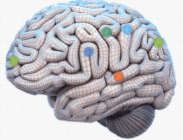
Thinking influences our feelings through the things that we say to ourselves. Unhelpful thoughts can add fuel to the fire and play a large role in keeping anger going after the event has passed. However, using helpful self-statements (or ‘cooling thoughts’) can be a good way to manage our anger and guide our behavior. brainmpExamples of these include:

  • Chill out
  • Calm down
  • Breathe away the anger
  • Don’t yell
  • Don’t give them the satisfaction of seeing you angry
  • It’s not worth it
  • Give them a chance to have a say

 To use this strategy we need to break anger into several stages:

  • Getting ready for provocation: when we know we are going to face something that will make us angry.
  • During the event: early signs of anger are cues to use coping strategies.
  • Coping with stress: early attempts at anger management may not be successful.
  • Reflecting on provocation: time to evaluate the effect of the experience on you, continue coping or give self praise.

feelings-07.jpg

Preparing for a provoking situations

  • This is going to upset me but I know how to deal with it
  • What is it that I have to do?
  • Stick to the issues and don’t take it personally
  • Try not to take this too seriously
  • Time for a few deep breaths of relaxation
  • Easy does it, remember to keep your sense of humor

During the event

  • Stay calm, just continue to relax
  • Think of what you want to get out of this
  • There is no point in getting mad
  • It’s really a shame that she has to act like this
  • If I start to get mad I’ll just be banging my head against the wall
  • What he says doesn’t matter. I’m on top of this situation and it’s under control

Coping with stress

  • My muscles are starting to feel tight, time to relax and slow things down
  • It’s just not worth it to get so angry
  • Time to take a deep breath
  • Try to reason it out. Treat each other with respect
  • He’d probably like me to get really angry. Well I’m going to disappoint him Leaving the anger and looking back
  • Try to shake it off. Don’t let it interfere with your job
  • Remember relaxation, it’s a lot better than anger
  • I handled that pretty well. It worked!
  • It could have been a lot worse
  • My pride can sure get me into trouble, but when I don’t take things too seriously, I’m better off

Wise, Reason, Emotional Mind

24 Friday May 2019

Posted by RichardB in grounding, Handout, mindfulness, Psychoeducation, Wellness

≈ Comments Off on Wise, Reason, Emotional Mind

I have been practicing meditation since the mid-70’s and started a mindfulness meditation practice in the mid-90’s. Mindfulness has to do with the quality of awareness that we bring to what we are doing and experiencing, to being in the here and now.  It has to do with learning to focus on being in the present, to focusing our attention on what we are doing and what is happening in the present.
Many of us are distracted by images, thoughts and feelings of the past, perhaps dissociating, worrying about the future, negative moods and anxieties about the present.   It’s hard to put these thing away and concentrate on the task at hand.

I started teaching mindfulness to patients a few years ago and often used the following as a hand out:
Mindfulness has to do with states of mind. Reason Mind, Emotion Mind, and Wise Mind. Reason Mind is your rational, thinking, logical mind. It plans and evaluates things logically. It is your “cool” part. Reasonable Mind can be very beneficial. It is easier to be in Reasonable Mind when you feel good. It is much harder to be in Reasonable Mind when you don’t feel good.

You Would Use Your Reasonable Mind To:
Build a bridge
Figure out how to double a recipe
Balance your checkbook
Figure out the fastest way from point “A” to point “B”

Emotion Mind describes times when emotions are what influence or control your thinking and behavior. Emotional Mind can also be very beneficial. Emotions are what motivate us to action. Emotions are what keep us attached to others and building relationships.

Emotion Mind can be aggravated by:
Illness, Lack Of Sleep, Tiredness, Drugs, Alcohol, Hungry, Overeating, Poor nutrition and/or lack of exercise, Environmental stress and threats, not taking your meds.

Both Emotion and Reasonable Mind Are Equally Important And Valuable

Reasonable mind gives you a way to solve your problems.

Emotion mind gives you a reason (motivation) to want to solve them.

Wise Mind is the integration of emotional and reasonable mind. Wise mind is that part of each person that can know and experience truth. It is where the person knows something to be true or valid. It is where the person knows something in a centered (balanced) way. It is almost always quiet and calm in this part of the mind.

Everyone Has A Wise Mind!

Some people have simply never experienced it.

No one is in Wise Mind all of the time.

Wise Mind – An Analogy for Wise Mind is like a deep well in the ground. The water is at the bottom of the well. The entire underground is an ocean called Wise Mind. But on the way down, there are often trap doors that stop progress. Sometimes the trap doors are so cleverly built that you actually believe that there is no water at the bottom of the well. The trap door may look like the bottom of the well. Perhaps it is locked and you need a key. Perhaps it is nailed shut and you need a hammer. Perhaps it is glued shut and you need a chisel.

Honesty handout

16 Tuesday Apr 2019

Posted by RichardB in Handout, Honesty, Uncategorized

≈ Comments Off on Honesty handout

Tags

handouts

This is a handout I use for groups that tend to be dishonest. 
  1. Figure out why you lie and who you lie to. We’ve all lied at one time or another, to different people, to ourselves, and for different reasons. But coming up with a systematic plan for becoming more honest will be difficult unless you try to define those reasons and those people for yourself.Transformation.jpg
    • Lies to make ourselves look better might include exaggerations, embellishments, and flat-out tall-tales we tell to others, and ourselves, to make ourselves feel better about our inadequacies. When you’re unhappy about something, it’s much easier to fill it in with lies than tell the truth.
    • We lie to peers we think are better than us, because we want them to respect us as we respect them. Unfortunately, being dishonest is disrespectful in the long run. Give people more credit for their ability to empathize and understand you on a deeper level.
    • Lies that avoid embarrassment might include lies told to cover up bad behaviors, transgressions, or any activity we’re not proud of. If your mom found a pack of cigarettes in your jacket, you might lie and say that they’re your friend’s to avoid punishment.
    • We lie to authoritative figures to avoid embarrassment and punishment, including ourselves. When we’ve done something we feel guilty about, lies are told to eliminate the guilt, avoid the punishments, and get back to the objectionable behavior we’re forced to lie about. It’s a vicious cycle.
  1. Anticipate behaviors that will make you feel guilty. To break the chain of embarrassment and lying, it’s important to learn to anticipate things that you’ll likely    feel guilty about in the future, and avoid those behaviors. When you lie, you’re covering up some uncomfortable truth that’s more easily couched in a lie. You can either get comfortable with the truth, or abandon the behavior that makes you embarrassed.
    • If you smoke cigarettes, you won’t have to lie if everyone knows it’s true. Own up to it. If a behavior is un-own-upable, it’s probably best to avoid it. It would be humiliating for your wife to find out that you had an inappropriate relationship with a coworker, but you won’t have to lie if you don’t do it.
  1. Avoid situations in which you’ll have to lie for others. Be wary when someone tells you something in confidence that you know that you should share with someone else (e.g., knowledge of a crime, a lie, or a harmful act against another). Hearing such information puts you in a difficult position, especially when the truth eventually emerges and reveals to the affected person that you knew all along.
    • If someone begins a sentence with “Don’t tell so-and-so about this, okay?” be prepared to offer your own disclaimer: “If it’s something that I’d want to know about were I them, then please don’t tell me. I don’t want to be responsible for anyone’s secrets but my own.”

Learning healthier ways to manage stress

03 Wednesday Apr 2019

Posted by RichardB in Anxiety, grounding, Handout, mental health, Psychoeducation, Relaxation, Stress, Wellness

≈ 2 Comments

Tags

handouts, Stress

If your methods of coping with stress aren’t contributing to your greater emotional and physical health, it’s time to find healthier ones. There are many healthy ways to manage and cope with stress, but they all require change. You can either change the situation or change your reaction. When deciding which option to choose, it’s helpful to think of the four As: avoid, alter, adapt, or accept.

Since everyone has a unique response to stress, there is no “one size fits all” solution to managing it. No single method works for everyone or in every situation, so experiment with different techniques and strategies. Focus on what makes you feel calm and in control.

Dealing with Stressful Situations: The Four A’s

Change the situation:

Avoid the stressor.

Alter the stressor.

Change your reaction:

Adapt to the stressor.

Accept the stressor.

1. Avoid unnecessary stress

Not all stress can be avoided, and it’s not healthy to avoid a situation that needs to be addressed.

Learn how to say “no” – Know your limits and stick to them.

Avoid people who stress you out –Limit the amount of time you spend with people that cause you stress.

Take control of your environment – If the evening news makes you anxious, turn the TV off.

Avoid hot-button topics –If you repeatedly argue about the same subject with the same people, stop bringing it up or excuse yourself when it’s the topic of discussion.

Pare down your to-do list –If you’ve got too much on your plate, distinguish between the “shoulds” and the “musts.”

2. Alter the situation

If you can’t avoid a stressful situation, try to alter it. Figure out what you can do to change things so the problem doesn’t present itself in the future.

Express your feelings instead of bottling them up. If something or someone is bothering you, communicate your concerns in an open and respectful way.
Be willing to compromise. When you ask someone to change their behavior, be willing to do the same.

Be more assertive. Deal with problems head on, doing your best to anticipate and prevent them.

Manage your time better. Plan ahead and make sure you don’t overextend yourself.

3. Adapt to the stressor

If you can’t change the stressor, change yourself. You can adapt to stressful situations and regain your sense of control by changing your expectations and attitude.

Reframe problems. Try to view stressful situations from a more positive perspective.

Look at the big picture. Will it matter in a month, or a year?

Adjust your standards. Set reasonable standards for yourself and others, and learn to be okay with “good enough.”

Focus on the positive. When stress is getting you down, take a moment to reflect on all the things you appreciate in your life, including your own positive qualities and gifts.

4. Accept what you can’t change

Some sources of stress are unavoidable, in such cases; the best way to cope with stress is to accept things as they are. Acceptance may be difficult, but in the long run, it’s easier than railing against a situation you can’t change.

Don’t try to control the uncontrollable. Focus on the things you can control such as the way you choose to react to problems.

Look for the upside. As the saying goes, “What doesn’t kill us makes us stronger.” When facing major challenges, try to look at them as opportunities for personal growth.

Share your feelings. Talk to a trusted friend or make an appointment with a therapist.

Learn to forgive. Accept the fact that we live in an imperfect world and that people make mistakes.

5. Make time for fun & relaxation

You can reduce stress in your life by nurturing yourself. If you regularly make time for healthy fun and relaxation, you’ll be in a better place to handle life’s stressors.

Healthy ways to relax and recharge

Go for a walk.

Spend time in nature.

Call a good friend.

Exercise.

Write in your journal.

Take a long bath.

Light scented candles

Play with a pet.

Work in your garden.

Get a massage.

Curl up with a good book.

Listen to music.

Watch a comedy

Nurturing yourself is a necessity, not a luxury.

Set aside relaxation time. Include rest and relaxation in your daily schedule..

Connect with others. Spend time with positive people who enhance your life.

Do something you enjoy every day. Make time for leisure activities that bring you joy, whether it be stargazing, playing the piano, or working on your bike.

Keep your sense of humor. This includes the ability to laugh at yourself.

6. Adopt a healthy lifestyle

You can increase your resistance to stress by strengthening your physical health.

Exercise regularly. Physical activity plays a key role in reducing and preventing the effects of stress.

Eat a healthy diet. Well-nourished bodies are better prepared to cope with stress, so be mindful of what you eat.

Reduce caffeine and sugar. The temporary “highs” caffeine and sugar provide often end in with a crash in mood and energy. By reducing the amount of coffee, soft drinks, chocolate, and sugar snacks in your diet, you’ll feel more relaxed and you’ll sleep better.

Avoid alcohol, cigarettes, and drugs. Self-medicating with alcohol or drugs may provide an easy escape from stress, but the relief is only temporary.

Get enough sleep. Adequate sleep fuels your mind, as well as your body. Feeling tired will increase your stress because it may cause you to think irrationally.

Anger Management

01 Monday Apr 2019

Posted by RichardB in Anger, Handout

≈ Comments Off on Anger Management

Over the years I have facilitated anger management groups. I use a variety of handouts and activities to have a process oriented group interaction. One of the hand outs I use is below. I use it in 1 of 2 ways. I have folks fill it out first and then we discuss or we go through it together and discuss. We explore as a group, learning from each other. anger-management.jpg
ANGER WORDS
anger disgust grumpiness rage  aggravation dislike hate resentment  agitation envy hostility revulsion  annoyance exasperation irritation scorn  bitterness ferocity jealousy spite  contempt frustration loathing torment  cruelty fury mean-spiritedness vengefulness  destructiveness grouchiness outrage wrath
Other:_________________________
Prompting Events for Feeling Anger
Losing power.
Losing status.
Losing respect.
Being insulted.
Not having things turn out the way you expected.
Experiencing physical pain.
Experiencing emotional pain.
Being threatened with physical or emotional pain by someone or something.
Having an important or pleasurable activity interrupted, postponed, or stopped.
Not obtaining something you want (which another person has).
Other:_______________________________
Interpretations That Prompt Feelings of Anger
Expecting pain.
Feeling that you have been treated unfairly.
Believing that things should be different.
Rigidly thinking “I’m right.”
Judging that the situation is illegitimate, wrong, or unfair.
Ruminating about the event that set off the anger in the first place, or in the past.
Other:____________________________
Experiencing the Emotion of Anger
Feeling incoherent.
Feeling out of control.
Feeling extremely emotional.
Feeling tightness or rigidity in your body.
Feeling your face flush or get hot.
Feeling nervous tension, anxiety or discomfort.
Feeling like you are going to explode.
Muscles tightening. .
Teeth clamping together, mouth tightening.
Crying; being unable to stop tears.
Wanting to hit, bang the wall, throw something, blow up.
Other:__________________________
Expressing and Acting on Anger
Frowning or not smiling; mean or unpleasant facial expression.
Gritting or showing your teeth in an unfriendly manner.
Grinning.
A red or flushed face.
Verbally attacking the cause of your anger; criticizing.
Physically attacking the cause of your anger.
Using obscenities or cursing.
U sing a loud voice, yelling, screaming, or shouting.
Complaining or bitching; talking about how lousy things are.
Clenching your hands or fists.
Making aggressive or threatening gestures.
Pounding on something, throwing things, breaking things.
Walking heavily or stomping; slamming doors, walking out.
Brooding or withdrawing from contract with others.
Other:_____________________
Aftereffects of Anger
Narrowing of attention.
Attending only to the situation making you angry.
Ruminating about the situation making you angry and not being able to think of anything else.
Remembering and ruminating about other situations that have made you angry in the past.
Imagining future situations that will make you angry.
Depersonalization, dissociative experience, numbness.
Intense shame, fear, or other negative emotions.
Other:______________________

relapse stages

05 Tuesday Mar 2019

Posted by RichardB in Addiction, Handout, mental health, Psychoeducation, recovery

≈ Comments Off on relapse stages

Tags

handout, relapse stages

I’ve been working with adults in recovery and in active addiction for many years. Going from recovery to relapse is process that could take days, weeks, months. The process is generally not paying attention, getting overwhelmed, ignoring your own thoughts/feelings and the input from others, and decided at some level of consciousness to use again. Below is one of the hand outs I use with relapse prevention groups.

Step 1: Getting Stuck In Recovery

Many of us decide that alcohol or drugs is a problem, stop using, and put together some kind of a recovery plan to help us stay sober. Initially we do fine. At some point, however, we hit a problem that we are unwilling or unable to deal with. We stop dead in our tracks. We are stuck in recovery and don’t know what to do.

Step 2: Denying That We’re Stuckf-263

Instead of recognizing that we’re stuck and asking for help, we use denial to convince ourselves that everything is OK. Denial makes it seem like the problem is gone, but it really isn’t. The problem is still there. It just goes under ground where we can’t see it. At some level we know that the problem is there, but we keep investing time and energy in denying it. This results in a buildup of pain and stress.

Step 3: Using Other Compulsions

To cope with this pain and stress, we begin to use other compulsive behaviors We can start overworking, over-eating, dieting, or over-exercising. We can get involved in addictive relationships. These behaviors make us feel good in the short run by distracting us from our problems. But since they do nothing to solve the problem, the stress and pain comes back. We feel good now, but we hurt latter. This is a hallmark of all addictive behaviors.

Step 4: Experiencing A Trigger Event

Then something happens. It’s usually not a big thing. Its something we could normally handle without getting upset. But this time something snaps inside. One person described it this way: “It feels like a trigger fires off in my gut and I go out of control.”

Step 5: Becoming Dysfunctional On The Inside:

When the trigger goes off, our stress jumps up, and our emotions take control of of our minds. To stay sober we have to keep intellect over emotion. We have to remember who we are (an addicted person), what we can’t do (use alcohol or drugs), and what we must do (stayed focused upon working a recovery program). When emotion gets control of the intellect we abandon everything we know, and start trying to feel good now at all costs.

Relapse almost always grows from the inside out. The trigger event makes our pain so severe that we can’t function normally. We have difficulty thinking clearly. We swing between emotional overreaction and emotional numbness. We can’t remember things. It’s impossible to sleep restfully and we get clumsy and start having accidents.

Step 6: Becoming Dysfunctional On The Outside:

At first this internal dysfunction comes and goes. It’s annoying, but it’s not a real problem so we learn how to ignore it. On some level, we know something is wrong so we keep it a secret. Eventually we get so bad that the problems on the inside create problems on the outside. We start making mistakes at work, creating problems with our friends, families, and coworkers. We start neglecting our recovery programs. And things keep getting worse.

Step 7: Losing Control:

We handle each problem as it comes along but look at the the growing pattern of problems. We never really solve anything, we just put a band-aides on the deep gushing cuts, put first-aide cream on seriously infected wounds, and tell ourselves the problem is solved. Then we look the other way and try to forget about the problems by getting involved in compulsive activities that will somehow magically fix us. 10501634_10152483771078046_6376046067124349017_n

This approach works for awhile, but eventually things start getting out of control. As soon as we solve one problem, two new ones pop up to replace it. Life becomes one problem after another in an apparently endless sequence of crisis. One person put it like this: “I feel like I’m standing chest deep in a swimming pool trying to hold three beach balls underwater at once. I get the first one down, then the second, but as I reach for the third, the first one pops back up again.”

We finally recognize that we’re out of control. We get scared and angry. “I’m sober! I’m not using! I’m working a program! Yet I’m out of control. If this is what sobriety is like – who needs it?”

Step 8: Using Addictive Thinking

Now we go back to using addictive thinking. We begin thinking along these lines: ” Sobriety is bad for me, look at how miserable I am. Sober people don’t understand me. Look at how critical they are. Maybe things would get better if I could talk to some of my old friends. I don’t plan to drink or use drugs, I just want to get away from things for awhile and have a little fun. People who supported my drinking and drugging were my friends. They knew how to have a good time. These new people who want me to stay sober are my enemies. Maybe I was never addicted in the first place. Maybe my problems were caused by something else. I just need to get away from it all for awhile! Then I’ll be able to figure it all out.”

Step 9: Going Back To Addictive People, Places, And Things

Now we start going back to addictive people (our old friends), addictive places (our old hangouts), and addictive things (mind polluting compulsive activities). We convince ourselves that we’re not going to drink or use drugs. We just want to relax.

Step 10: Using Addictive Substances:

Eventually things get so bad that we come to believe that we only have three choices – collapse, suicide, or self-medication. We can collapse physically or emotionally from the stress of all our problems. We can end it all by committing suicide. Or we medicate the pain with alcohol or drugs. If these were your only three choices, which one sounds like the best way out?

Step 11: Losing Control Over Use

Once addicted people start using alcohol or drugs, they tend follow one of two paths. Some have a short term and low consequence relapse. They recognize that they are in serious trouble, see that they are losing control, and manage to reach out for help and get back into recovery. Others start to use alcohol or drugs and feel such extreme shame and guilt that they refuse to seek help. They eventually develop progressive health and life problems and either get back into recovery, commit suicide, or die from medical complications, accidents, or drug-related violence

Opportunities 4 mindfulness

11 Monday Feb 2019

Posted by RichardB in grounding, Handout, Meditation, mindfulness, Wellness

≈ 1 Comment

Tags

daily, meditation, mindfulness, schedule

For most of us, a typical day begins when we get out of bed, wash, and then start our activities. At some point, we get a bite to eat, walk somewhere, and talk to someone. Often, by the end of the day we find ourselves stressed out and physically exhausted. It doesn’t have to be that way!

Everyday activities can be an opportunity for a meditation moments; bringing mindfulness, clarity, and peace into your day while energizing yourself and reducing stress.

A study published in the journal Consciousness and Cognition found: “Brief meditation training reduced fatigue, anxiety, and increased mindfulness. Moreover, brief mindfulness training significantly improved visuo-spatial processing, working memory, and executive functioning.”

These brief mindfulness meditations can be done anywhere or anytime …well using common sense. Just like you should not text and drive I would not meditate and drive either. msclip-020

Here are two examples of how to add meditation without taking time out of your schedule.

  1. When you get up in the morning, you usually wash. Let’s use washing your face for our first meditation opportunity. Feel the temperature of the water on your hands. Focus on the temperature as you add a little soap. Notice how the suds feel on your hand. When a thought comes in, think of it as someone else’s phone ringing. You hear it, but you don’t have to answer it. Next, feel your soapy hands or the washcloth on your face. Focus on that sensation as you wash your face. Next, feel the rinse water on your face — how does it feel? Is it too cold? Too hot? Just right? If your mind wanders, there is no need to judge, just go back to focusing on the feeling of the water on your face. As you towel off, feel the sensation of the air on your face. It’s that simple, you just meditated.
  2. As you go about your day, you are most likely waiting in line or in traffic, so take a moment to breathe. Everyone has to breathe, and there is no way the person in front of you in the coffee line will know you are meditating! Sense the breath coming in and out of your nose or mouth. Don’t worry about thoughts; you know what to do, think of your thoughts as someone else’s cellphone ringing. Some people like to label their thoughts as “thought” and then let them go. The important thing is returning to sensing your breath coming in and out of your body. You will feel your shoulders relax and your patience returning.
← Older posts
Newer posts →

instagram

Follow RichardbBrunner on WordPress.com
  • Tumblr
  • YouTube

Blog at WordPress.com.

Privacy & Cookies: This site uses cookies. By continuing to use this website, you agree to their use.
To find out more, including how to control cookies, see here: Cookie Policy
  • Subscribe Subscribed
    • RichardbBrunner
    • Join 491 other subscribers
    • Already have a WordPress.com account? Log in now.
    • RichardbBrunner
    • Subscribe Subscribed
    • Sign up
    • Log in
    • Report this content
    • View site in Reader
    • Manage subscriptions
    • Collapse this bar
 

Loading Comments...