• Home
  • Music
  • About
  • Contact
  • CreativeTherapyTools.com

RichardbBrunner

~ creative arts therapist

RichardbBrunner

Category Archives: Relaxation

Resiliency

01 Friday Nov 2019

Posted by RichardB in creative arts therapy, Mental Health, mindfulness, Relaxation, Resiliency, Yoga

≈ Comments Off on Resiliency

In groups I sometimes work with the idea of resiliency.
Resiliency ….. What does it mean to be resilient? Bounce back, bounce off of, withstand, remain standing. Is it a part of our hereditary, our inborn temperament? Perhaps it’s a positive self concept. An ability to remember the past, live in the present, and look to the future.
Could it also involve hitting rock bottom, being aware of limitations, seeking support? Perhaps it’s a mentor, a will to live, a focus on healing.
Could it be that resiliency is a connection with spirituality, a commitment to listen to others, a willingness to be truthful?
One thing is certain that resiliency is different for everyone, with some commonality mixed in here and there.
As a child, I found/rediscovered resiliency outside moving, often in my favorite tree.
A tree stands alone
Wind rustles leaves together
We sway arm in branch
As an adult, I have found resiliency many places and many ways. Often, in combining the practice of creative movement, tai chi and hatha yoga, something I first learned to do  in a Creative Dance Class in 1983. Something that I teach/guide individuals and groups to do whenever I can.

Stress and movement

09 Wednesday Oct 2019

Posted by RichardB in creative arts therapy, Dance Movement Therapy, Health, Mental Health, Relaxation, Stress

≈ Comments Off on Stress and movement

Tags

breathe, relax, relaxation, Stress, wellness

Stress can be indicated when a person becomes stuck/frozen or stopped in a bodily movement that can be described as either gestural, ( movements isolated to parts or part of the body) or postural ( movements carried constantly through the whole body). When  there is a continuous flow of movement from gesture to posture and vice versa than the person is considered moving in balance and not not indicated to be in stress. one example of this is something that has come up in the last 20 years of leading stress reduction exercises with groups. I ask the participants how they know they are stressed out and the top answers are:

I notice I am gripping the steering wheel- I notice I am making a fist- I am clenching my teeth-I am clenching my butt.

Each one of these actions is a frozen gesture and they generally use the most “force”, muscle, blood flow of any other component of the body while they are active.  Think about it, if you clench your fist the blood flow increases due to the sudden contraction of the muscles, a part of your attention is brought to the area because its being engaged, the rest of the body begins to respond to the clenched fist starting with the arm, shoulders, spine, abdominal muscles and so on ad so on. Suddenly your attention increases to the area dramatically and you realize; “oh I’m clenching my fist….”

The first step to releasing this body stress is the breath. When stressed we tend to hold our breath and/or it becomes shallow breathing. Taking a big breath in and a big breath out begins to increase the oxygen to the brain (and the rest if the body). That big breath also automatically signals to the body on a primal level that the stressor is less and the body begins to relax its muscular contractions. Also when we consciously are taking in a big breath we are exerting voluntary control over our bodies which is the opposite of the stress response which is a involuntary response. This voluntary and controlled breath also signals to the brain on a primal level that the stressor is lessen, resulting in the muscles lessening their contradiction.

Of course simply breathing does not seem like much of an answer for someone who experiences chronic stress/anxiety. But it is one more tool that one can use. Like mindfulness, visualizations, and other techniques, breathing is something that needs to be practiced and the more you practice the more effective it becomes.

Relaxation

09 Wednesday Oct 2019

Posted by RichardB in Handout, Meditation, mindfulness, Relaxation, Wellness

≈ Comments Off on Relaxation

Tags

chill out, relax

I started engaging in relaxation tools as a teenage in the mid 1070’s when I first started practicing Hatha and Raja Yoga. After 38 years I can say with confidence that it works for me. Since 1983 amongst other things I have taught Hatha Yoga,  and relaxation techniques.creativity is courage

In the past 30 years, there has been considerable interest in the relaxation response and how inducing this state may benefit health. Research has focused primarily on illness and conditions in which stress may play a role either as the cause of the condition or as a factor that can make the condition worse.

Currently, there is some scientific evidence that relaxation techniques may be an effective part of an overall treatment plan for some disorders, including:

  • Anxiety. Studies have suggested that relaxation may assist in the treatment of phobias or panic disorder. Relaxation techniques have also been used to relieve anxiety for people in stressful situations, such as when undergoing a medical procedure.
  • Depression. In 2008, a major review of the evidence for relaxation in the treatment of depression found that relaxation techniques were more effective than no treatment for depression, but not as effective as cognitive-behavioral therapy.
  • Headache. There is some evidence that biofeedback and other relaxation techniques may be helpful for relieving tension or migraine headaches. In some cases, these mind and body techniques were more effective than medications for reducing the frequency, intensity, and severity of headaches.
  • Pain. Some studies have shown that relaxation techniques may help reduce abdominal and surgery pain.

Relaxation involves practice and willingness to fully engage in the process of relaxing. Stay tuned for some great relaxing tools.

Music Therapy

25 Wednesday Sep 2019

Posted by RichardB in Creative Art Therapy, Health, lifestyle, music therapy, positive, Relaxation, Wellness

≈ Comments Off on Music Therapy

Tags

creative arts, music, music therapy, therapy

Most everyone enjoys listening to music. Some of us play music as well. Music has a therapeutic effect and can be used to enhance or even change how we feel. According to the American Music Therapy Association: Music Therapy is an established health profession in which music is used within a therapeutic relationship to address physical, emotional, cognitive, and social needs of individuals. After assessing the strengths and needs of each client, the qualified music therapist provides the indicated treatment including creating, music_notessinging, moving to, and/or listening to music. Through musical involvement in the therapeutic context, clients’ abilities are strengthened and transferred to other areas of their lives. Music therapy also provides avenues for communication that can be helpful to those who find it difficult to express themselves in words. Research in music therapy supports its effectiveness in many areas such as: overall physical rehabilitation and facilitating movement, increasing people’s motivation to become engaged in their treatment, providing emotional support for clients and their families, and providing an outlet for expression of feelings.

As a Creative Arts Therapist I use music to support individuals and groups when they are engaged in a therapeutic process. Whether it’s movement, art or guided meditation the music enhances focus for the participants. I often hear people report that the music helped them to get in touch with feelings and/or explore them on a deeper level.

Yoga may boost your brain power

14 Wednesday Aug 2019

Posted by RichardB in brain, breath, Creativity, emotions, Health, pain management, Relaxation, Therapy

≈ Comments Off on Yoga may boost your brain power

Tags

brain, breathe, health, research, yoga

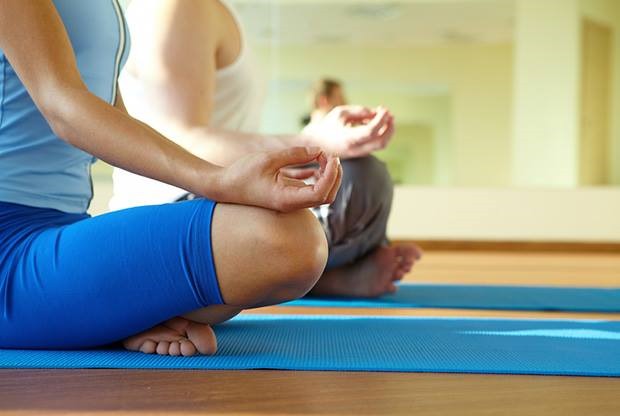
Yogis may be enjoying a surprising benefit when they unroll their mats and strike a pose. A new study finds that just 20 minutes of hatha yoga stimulates brain function.

Researchers from the University of Illinois at Urbana-Champaign enlisted 30 subjects to take tests of working memory and inhibitory control, two measures of brain function associated with the ability to focus, retain, and use new information, the researchers said.

Subjects who took a single, 20-minute yoga session were significantly faster and more accurate on their tests than subjects who walked or jogged on a treadmill for 20 minutes.
Participants on the treadmill exercised with the goal of maintaining 60 to 70 percent of their maximum heart rate throughout the exercise session. “This range was chosen to replicate previous findings that have shown improved cognitive performance in response to this intensity,” the researchers said.1472891_10151996608469691_438298404_n

“Yoga is an ancient Indian science and way of life that includes not only physical movements and postures but also regulated breathing and meditation,” said study lead Neha Gothe. “The practice involves an active attentional or mindfulness component but its potential benefits have not been thoroughly explored.”

Subjects who practiced yoga performed a 20-minute sequence of seated, standing, and supine yoga postures, with the class ending in a meditative posture and deep breathing.

“It appears that following yoga practice, the participants were better able to focus their mental resources, process information quickly, more accurately and also learn, hold and update pieces of information more effectively than after performing an aerobic exercise bout,” Gothe said.

“The breathing and meditative exercises aim at calming the mind and body and keeping distracting thoughts away while you focus on your body, posture or breath,” she said. “Maybe these processes translate beyond yoga practice when you try to perform mental tasks or day-to-day activities.”

Findings, announced June 5, appear in the Journal of Physical Activity and Health.
A separate study published last month finds that twice-weekly yoga sessions can reduce high blood pressure. In the study, researchers led by Dr. Debbie Cohen of the University of Pennsylvania tracked 58 women and men, aged 38 to 62, for 24 weeks.

Another study published earlier this year in the journal Frontiers in Psychiatry found that the practice may soothe depression and help sleep problems.

Read more:A 20-minute yoga session may boost your brain power – The Denver Post

Relaxation to Reduce Stress, Anxiety, & Depression

31 Wednesday Jul 2019

Posted by RichardB in Handout, Health, Meditation, mindfulness, Relaxation, Stress, Wellness

≈ Comments Off on Relaxation to Reduce Stress, Anxiety, & Depression

Tags

depression, reduce, relaxation, Stress

Here is another handout that I often give to clients/patients. I should add that I do all of the ideas in my handouts. No point talking about something if you can walk it too.

The body’s natural relaxation response is a powerful antidote to stress. Relaxation techniques such as deep breathing, visualization, progressive muscle relaxation, meditation, and yoga can help you activate this relaxation response. When practiced regularly, these activities lead to a reduction in your everyday stress levels and a boost in your feelings of joy and serenity. What’s more, they also serve a protective quality by teaching you how to stay calm and collected in the face of life’s curveballs.

The relaxation response is not: The relaxation response is:
laying on the couch

sleeping

being lazy

a mentally active process that leaves the body relaxed

best done in an awake state

trainable and becomes more profound with practice

Starting a relaxation practice

A variety of relaxation techniques help you achieve the relaxation response. Those whose stress-busting benefits have been widely studied include deep breathing, progressive muscle relaxation, meditation, visualization, yoga, and tai chi. feelings-40

Learning the basics of these relaxation techniques isn’t difficult. But it takes practice to truly harness their stress-relieving power: daily practice, in fact. Most stress experts recommend setting aside at least 10 to 20 minutes a day for your relaxation practice. If you’d like to get even more stress relief, aim for 30 minutes to an hour.

Getting the most out of your relaxation practice

Set aside time in your daily schedule. The best way to start and maintain a relaxation practice is by incorporating it into your daily routine. Schedule a set time either once or twice a day for your practice. You may find that it’s easier to stick with your practice if you do it first thing in the morning, before other tasks and responsibilities get in the way.

Don’t practice when you’re sleepy. These techniques can relax you so much that they can make you very sleepy, especially if it’s close to bedtime. You will get the most out of these techniques if you practice when you’re fully awake and alert.

Choose a technique that appeals to you. There is no single relaxation technique that is best. When choosing a relaxation technique, consider your specific needs, preferences, and fitness level. The right relaxation technique is the one that resonates with you and fits your lifestyle.

Do you need alone time or social stimulation?

If you crave solitude, solo relaxation techniques such as meditation or progressive muscle relaxation will give you the power to quiet your mind and recharge your batteries. If you crave social interaction, a class setting will give you the stimulation and support you’re looking for. Practicing with others may also help you stay motivated.

Study cools idea behind hot yoga

29 Wednesday May 2019

Posted by RichardB in Health, Relaxation, Stress, Wellness, Yoga

≈ Comments Off on Study cools idea behind hot yoga

Tags

hot yoga, research, study


A small study sponsored by the American Council on Exercise is one of the first to look at whether hot yoga offers any more bang for your buck than traditional yoga. The study recruited 20 healthy men and women between 19 and 44, each of whom took a 60-minute yoga class in both a room heated to 21 C and one heated to 31 C. The classes were taken 24 hours apart and were led by the same instructor and featured the same poses.

Each subject wore a heart-rate monitor and swallowed an ingestible core body temperature sensor before taking part in the class. Core body temperature was recorded five minutes before the class, every five minutes during the class and five minutes after the class.

Heart rate was recorded every minute, with subjects also ranking their perceived rate of exertion on a scale from 6 to 20.

In the end, the researchers, who hailed from the Department of Exercise and Sport Science at the University of Wisconsin-La Crosse, noted very little difference in the core temperature and heart rate of the participants despite the difference in temperature between the two classes. Core temperature for the hot yoga participants was 37.6 C versus 37.4 C for the cooler studio.

As for the intensity of the workouts, both yoga practices would be classified as “light exercise,” with heart rate averaging about 56 per cent of maximum during the regular yoga class as compared to 57 per cent of maximum heart rate during the hot yoga class.
Read the entire article here.

Different Cultures Enhances Creativity

27 Monday May 2019

Posted by RichardB in Creativity, emotions, Health, Relaxation, Wellness

≈ Comments Off on Different Cultures Enhances Creativity

Creativity can be enhanced by experiencing cultures different from one’s own, according to a study in Personality and Social Psychology Bulletin (published by SAGE).msclip-210.jpg

Three studies looked at students who had lived abroad and those who hadn’t, testing them on different aspects of creativity. Relative to a control group, which hadn’t experienced a different culture, participants in the different culture group provided more evidence of creativity in various standard tests of the trait. Those results suggest that multicultural learning is a critical component of the adaptation process, acting as a creativity catalyst.
The researchers believe that the key to the enhanced creativity was related to the students’ open-minded approach in adapting to the new culture. In a global world, where more people are able to acquire multicultural experiences than ever before, this research indicates that living abroad can be even more beneficial than previously thought.
“Given the literature on structural changes in the brain that occur during intensive learning experiences, it would be worthwhile to explore whether neurological changes occur within the creative process during intensive foreign culture experiences,” write the authors, William W. Maddux, Hajo Adam, and Adam D. Galinsky. “That can help paint a more nuanced picture of how foreign culture experiences may not only enhance creativity but also, perhaps literally, as well as figuratively, broaden the mind.
The article “When in Rome… Learn Why the Romans Do What They Do: How Multicultural Learning Experiences Facilitate Creativity” in the June 2010 issue of Personality and Social Psychology Bulletin is available free for a limited time here.
Source: SAGE Publications

Meditation and Pain management

03 Wednesday Apr 2019

Posted by RichardB in Meditation, mindfulness, pain management, Relaxation, Research

≈ Comments Off on Meditation and Pain management

Tags

meditation, mindfulness

According to a new study, mindfulness meditation exhibited even stronger physical pain reductions than morphine, says the study’s lead investigator

Open any magazine and you’ll find that mindfulness has gone mainstream. You’ll also notice there are studies that purport to show meditation’s benefits on just about everything, from kids’ math scores and migraine length to HIV management and bouncing back after a crisis. Now, an elaborate new forthcoming study looks at how the brains of meditators respond to pain, to be published in the Journal of Neuroscience.

f-202.jpgDr. Fadel Zeidan, assistant professor of neurobiology and anatomy at Wake Forest Baptist Medical Center, has studied mindfulness for 15 years and has observed improved health outcomes as a result. “But what if this is all just a placebo?” he wondered. “What if people are reporting improvements in health and reductions in pain just because of meditation’s reputation as a health-promoting practice?” He wanted to find out, so he designed a trials that included a placebo group.

Zeidan recruited 75 healthy, pain-free people and scanned their brains using an MRI while they experienced painful heat with a 120-degree thermal probe. Then, the researchers sorted them into four groups and gave them four days of training. Everyone thought they were getting the real intervention, but most of them were getting a sham treatment.

“I want to be restrained about the efficacy of mindfulness, and the way to be restrained about it is by making it harder and harder to demonstrate its effectiveness,” Zeidan says.

First, there was a placebo cream group that participants were told reduces pain over time, Zeidan says (it was really just petroleum jelly). For four days, they rubbed it on the back of their leg and tested it against that painfully hot thermal probe. Little did they know, the researchers cranked down the heat each day; the participants thought the cream was working.

Another group was taught a kind of fake mindfulness meditation—they were told to breathe deeply for 20 minutes but were given no instructions on how to do it mindfully. The control group was subjected to 20 minutes of a very boring book on tape: The Natural History and Antiquities of Selborne.996972_621934824532791_1132991476_n

For the real intervention, people sat for 20 minutes with straight posture, closed their eyes and listened to specific instructions about where to focus one’s attention and how to let thoughts and emotions pass without judgment. “Our subjects are taught to focus on the changing sensations of breath and to follow the breath with the mind’s eye as it goes down the chest and abdomen,” Zeidan says.

After four days, everyone re-entered the MRI machine and endured the same pain from the 120-degree probe. They were told to use their training—breathing deeply, mindfully meditating or the cream. They used a lever to indicate the physical intensity and emotional unpleasantness of the pain.

They found that people in all of the groups had greater pain reductions than the control group. The placebo cream reduced the sensation of pain by an average of 11% and emotional unpleasantness of pain by 13%. For the sham mindfulness group, those numbers were 9% and 24% respectively. But mindfulness meditation outperformed them all. In this group, pain intensity was cut by 27% and emotional pain reduced by 44%.

That shocked Zeidan. Past research has indicated that the opioid morphine reduces physical pain by 22%—and mindfulness had surpassed even that. But the MRI results, which showed how pain was registering in their brains, surprised him even more. People who had practiced mindfulness meditation seemed to be using different brain regions than the other groups to reduce pain.

“There was something more active, we believe, going on with the genuine mindfulness meditation group,” Zeidan says. This group had increased activation in higher-order brain regions associated with attention control and enhanced cognitive control, he says, while exhibiting a deactivation of the thalamus—a structure that acts as the gatekeeper for pain to enter the brain, he explains. “We haven’t seen that with any other technique before.”create

It’s an important preliminary study, Zeidan says, but exactly who will benefit from meditation’s impact on pain is still unknown. “We’re now at the stage, at least in my lab, where we have enough evidence that meditation reduces pain and it does it in a really unique fashion, different from any other technique we’ve seen,” he says.

And as for the questions left unanswered? “We don’t have the studies yet,” he says, “but we’re getting there.”

Learning healthier ways to manage stress

03 Wednesday Apr 2019

Posted by RichardB in Anxiety, grounding, Handout, mental health, Psychoeducation, Relaxation, Stress, Wellness

≈ 2 Comments

Tags

handouts, Stress

If your methods of coping with stress aren’t contributing to your greater emotional and physical health, it’s time to find healthier ones. There are many healthy ways to manage and cope with stress, but they all require change. You can either change the situation or change your reaction. When deciding which option to choose, it’s helpful to think of the four As: avoid, alter, adapt, or accept.

Since everyone has a unique response to stress, there is no “one size fits all” solution to managing it. No single method works for everyone or in every situation, so experiment with different techniques and strategies. Focus on what makes you feel calm and in control.

Dealing with Stressful Situations: The Four A’s

Change the situation:

Avoid the stressor.

Alter the stressor.

Change your reaction:

Adapt to the stressor.

Accept the stressor.

1. Avoid unnecessary stress

Not all stress can be avoided, and it’s not healthy to avoid a situation that needs to be addressed.

Learn how to say “no” – Know your limits and stick to them.

Avoid people who stress you out –Limit the amount of time you spend with people that cause you stress.

Take control of your environment – If the evening news makes you anxious, turn the TV off.

Avoid hot-button topics –If you repeatedly argue about the same subject with the same people, stop bringing it up or excuse yourself when it’s the topic of discussion.

Pare down your to-do list –If you’ve got too much on your plate, distinguish between the “shoulds” and the “musts.”

2. Alter the situation

If you can’t avoid a stressful situation, try to alter it. Figure out what you can do to change things so the problem doesn’t present itself in the future.

Express your feelings instead of bottling them up. If something or someone is bothering you, communicate your concerns in an open and respectful way.
Be willing to compromise. When you ask someone to change their behavior, be willing to do the same.

Be more assertive. Deal with problems head on, doing your best to anticipate and prevent them.

Manage your time better. Plan ahead and make sure you don’t overextend yourself.

3. Adapt to the stressor

If you can’t change the stressor, change yourself. You can adapt to stressful situations and regain your sense of control by changing your expectations and attitude.

Reframe problems. Try to view stressful situations from a more positive perspective.

Look at the big picture. Will it matter in a month, or a year?

Adjust your standards. Set reasonable standards for yourself and others, and learn to be okay with “good enough.”

Focus on the positive. When stress is getting you down, take a moment to reflect on all the things you appreciate in your life, including your own positive qualities and gifts.

4. Accept what you can’t change

Some sources of stress are unavoidable, in such cases; the best way to cope with stress is to accept things as they are. Acceptance may be difficult, but in the long run, it’s easier than railing against a situation you can’t change.

Don’t try to control the uncontrollable. Focus on the things you can control such as the way you choose to react to problems.

Look for the upside. As the saying goes, “What doesn’t kill us makes us stronger.” When facing major challenges, try to look at them as opportunities for personal growth.

Share your feelings. Talk to a trusted friend or make an appointment with a therapist.

Learn to forgive. Accept the fact that we live in an imperfect world and that people make mistakes.

5. Make time for fun & relaxation

You can reduce stress in your life by nurturing yourself. If you regularly make time for healthy fun and relaxation, you’ll be in a better place to handle life’s stressors.

Healthy ways to relax and recharge

Go for a walk.

Spend time in nature.

Call a good friend.

Exercise.

Write in your journal.

Take a long bath.

Light scented candles

Play with a pet.

Work in your garden.

Get a massage.

Curl up with a good book.

Listen to music.

Watch a comedy

Nurturing yourself is a necessity, not a luxury.

Set aside relaxation time. Include rest and relaxation in your daily schedule..

Connect with others. Spend time with positive people who enhance your life.

Do something you enjoy every day. Make time for leisure activities that bring you joy, whether it be stargazing, playing the piano, or working on your bike.

Keep your sense of humor. This includes the ability to laugh at yourself.

6. Adopt a healthy lifestyle

You can increase your resistance to stress by strengthening your physical health.

Exercise regularly. Physical activity plays a key role in reducing and preventing the effects of stress.

Eat a healthy diet. Well-nourished bodies are better prepared to cope with stress, so be mindful of what you eat.

Reduce caffeine and sugar. The temporary “highs” caffeine and sugar provide often end in with a crash in mood and energy. By reducing the amount of coffee, soft drinks, chocolate, and sugar snacks in your diet, you’ll feel more relaxed and you’ll sleep better.

Avoid alcohol, cigarettes, and drugs. Self-medicating with alcohol or drugs may provide an easy escape from stress, but the relief is only temporary.

Get enough sleep. Adequate sleep fuels your mind, as well as your body. Feeling tired will increase your stress because it may cause you to think irrationally.

Meditation has Long-term Effects on the Brain

25 Monday Feb 2019

Posted by RichardB in Health, Meditation, mindfulness, Relaxation, Wellness

≈ Comments Off on Meditation has Long-term Effects on the Brain

According to scientists from Harvard and Boston University, meditation produces enduring changes in emotional processing in the brain according to an article published in November of 2012 in the journal Frontiers in Human Neuroscience.
Researchers trained people with one of two different types of meditation, mindful meditation and compassionate meditation over an 8 week period. They measured activity in the brain using functional MRIs 3 weeks before the study and at 3 weeks after and noted what happened to areas of the brain related to compassion. They found the those people who learned compassionate meditation had a different and more loving response 3 weeks after the course even when not meditating.

Therapy dogs

15 Friday Feb 2019

Posted by RichardB in Health, Relaxation, Stress, Therapy Dogs

≈ Comments Off on Therapy dogs

Tags

dogs, pets, therapy, wellness

A therapy dog is a dog trained to provide affection and comfort to people in hospitals, retirement homes, nursing homes, schools, hospices, people with learning difficulties, and stressful situations, such as disaster areas.keystoneTherapyDogs
Therapy dogs come in all sizes and breeds. The most important characteristic of a therapy dog is its temperament. A good therapy dog must be friendly, patient, confident, gentle, and at ease in all situations. Therapy dogs must enjoy human contact and be content to be petted and handled, sometimes clumsily.
A therapy dog’s primary job is to allow unfamiliar people to make physical contact with it and to enjoy that contact. Children in particular enjoy hugging animals; adults usually enjoy simply petting the dog. The dog might need to be lifted onto, or climb onto, an individual’s lap or bed and sit or lie comfortably there. Many dogs contribute to the visiting experience by performing small tricks for their audience or by playing carefully structured games. In hospice environments, therapy dogs can play a role in palliative care by reducing death anxiety.Therapy-dogs

Resiliency

14 Friday Dec 2018

Posted by RichardB in creative arts therapy, mental health, mindfulness, Relaxation, Resiliency, Yoga

≈ 1 Comment

In groups I sometimes work with the idea of resiliency.
Resiliency ….. What does it mean to be resilient? Bounce back, bounce off of, withstand, remain standing. Is it a part of our hereditary, our inborn temperament? Perhaps it’s a positive self concept. An ability to remember the past, live in the present, and look to the future.
Could it also involve hitting rock bottom, being aware of limitations, seeking support? Perhaps it’s a mentor, a will to live, a focus on healing.
Could it be that resiliency is a connection with spirituality, a commitment to listen to others, a willingness to be truthful?
One thing is certain that resiliency is different for everyone, with some commonality mixed in here and there.
As a child, I found/rediscovered resiliency outside moving, often in my favorite tree.

A tree stands alone
Wind rustles leaves together
We sway arm in branch

As an adult, I have found resiliency many places and many ways. Often, in combining the practice of creative movement, tai chi and hatha yoga, something I first learned to do  in a Creative Dance Class in 1983. Something that I teach/guide individuals and groups to do whenever I can.

Different Cultures Enhances Creativity

27 Wednesday Sep 2017

Posted by RichardB in Creativity, emotions, Health, Relaxation, Wellness

≈ Comments Off on Different Cultures Enhances Creativity

Creativity can be enhanced by experiencing cultures different from one’s own, according to a study in Personality and Social Psychology Bulletin (published by SAGE).art can

Three studies looked at students who had lived abroad and those who hadn’t, testing them on different aspects of creativity. Relative to a control group, which hadn’t experienced a different culture, participants in the different culture group provided more evidence of creativity in various standard tests of the trait. Those results suggest that multicultural learning is a critical component of the adaptation process, acting as a creativity catalyst.
The researchers believe that the key to the enhanced creativity was related to the students’ open-minded approach in adapting to the new culture. In a global world, where more people are able to acquire multicultural experiences than ever before, this research indicates that living abroad can be even more beneficial than previously thought.
“Given the literature on structural changes in the brain that occur during intensive learning experiences, it would be worthwhile to explore whether neurological changes occur within the creative process during intensive foreign culture experiences,” write the authors, William W. Maddux, Hajo Adam, and Adam D. Galinsky. “That can help paint a more nuanced picture of how foreign culture experiences may not only enhance creativity but also, perhaps literally, as well as figuratively, broaden the mind.
The article “When in Rome… Learn Why the Romans Do What They Do: How Multicultural Learning Experiences Facilitate Creativity” in the June 2010 issue of Personality and Social Psychology Bulletin is available free for a limited time here.
Source: SAGE Publications

Newer posts →

instagram

Follow RichardbBrunner on WordPress.com
  • Tumblr
  • YouTube

Blog at WordPress.com.

Privacy & Cookies: This site uses cookies. By continuing to use this website, you agree to their use.
To find out more, including how to control cookies, see here: Cookie Policy
  • Subscribe Subscribed
    • RichardbBrunner
    • Join 491 other subscribers
    • Already have a WordPress.com account? Log in now.
    • RichardbBrunner
    • Subscribe Subscribed
    • Sign up
    • Log in
    • Report this content
    • View site in Reader
    • Manage subscriptions
    • Collapse this bar
 

Loading Comments...