• Home
  • Music
  • About
  • Contact
  • CreativeTherapyTools.com

RichardbBrunner

~ creative arts therapist

RichardbBrunner

Category Archives: Wellness

Yoga Benefits

03 Thursday Sep 2020

Posted by RichardB in Depression, grounding, Health, Relaxation, Stress, Wellness, Yoga

≈ Comments Off on Yoga Benefits

Tags

health

Many people hear “yoga”, and think Zen gardens, meditation, and free spirits. But you may be surprised to find that one recent study showed that those who incorporated yoga into their life had improved stress levels and lower blood pressure. Yoga was ultimately developed to combine controlled breathing and poses to achieve physical, mental, and spiritual strength and unity. In fact, Michelle Obama even attributes her sleek physique to frequent yoga sessions. There are multiple types of yoga, but Hatha Yoga is the most commonly practiced type in the United States.

young woman excercising power yoga

Here are some surprising health benefits of practicing yoga that you may have never known!

Relief of Back Pain: More than 60 million Americans suffer from chronic back pain. Yoga is one of the best exercises to help alleviate pain. This is due to the increase in core stability (abdominal muscles) and the reduction of pressure across the lower back and surrounding muscles. Yoga also helps to release endorphins throughout the body that can calm inflammation. Practicing yoga for just two sessions a week may reduce or even eliminate back pain. Many individuals also report an increase in pain tolerance after attending sessions for only three weeks.

Heart Healthy: Further research also demonstrates that even one yoga session can produce a calming effect on the body, and individuals in one study showed reduction in their systolic blood pressure after only 12 weeks of two yoga sessions per week. Additionally, incorporating yoga into a cardiac rehabilitation program after a heart attack or bypass surgery has also shown promise in maintaining lower levels of stress and healthy blood pressure levels.

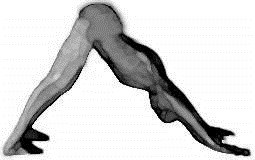
Increased Flexibility: You may be thinking, “No Duh”, on this one, but the benefits may be surprising. Practicing poses like downward dog, and tree pose can improve balance and flexibility. This can directly strengthen and protect your larger joints (knees, hips, back, neck) from injury and reduce inflammation in the smaller joints (fingers and ankles). This can also help reduce falls in the elderly, and ultimately avoid fractures in this age group.

Mood Booster: In addition to mental clarity and relaxation, yoga has been shown to improve depression, anxiety, and chronic stress. A small German study reviewed in the Harvard Mental Health Letter demonstrated that at the end of a three-month period, women perceived less stress, depression, anxiety, and fatigue. A few yoga classes could leave you happier and less stressed. Increased happiness alone is reason enough to give it a try!

As with any new exercise, always consult your physician before you begin. This is to ensure your body can safely complete the activity. I also recommend you attend a beginner class or view a video with some common poses. This will make you feel more confident during your first class and ensure you obtain the most benefit.

http://www.everydayhealth.com/columns/shilpi-agarwal-your-holistic-health-guide/yoga-the-hidden-health-benefits-of-down-dogging

Stressed?

02 Wednesday Sep 2020

Posted by RichardB in grounding, Handout, mindfulness, Relaxation, Stress, Wellness

≈ 1 Comment

Tags

relaxation, stress tios, therapy

I’ve been teaching a stress less/relaxation class for years and below is one the handouts that participants report is most helpful.:0854f-feelings-54

Change the situation: Avoid – Alter. Change your reaction: Adapt – Accept

1. Avoid unnecessary stress

Not all stress can be avoided, and it’s not healthy to avoid a situation that needs to be addressed.

Learn how to say “no” – Know your limits and stick to them.

Avoid people who stress you out –Limit the amount of time you spend with people that cause you stress.

Take control of your environment – If the evening news makes you anxious, turn the TV off.

Avoid hot-button topics –If you repeatedly argue about the same subject with the same people, stop bringing it up or excuse yourself when it’s the topic of discussion.

Pare down your to-do list –If you’ve got too much on your plate, distinguish between the “shoulds” and the “musts.”

2. Alter the situation

If you can’t avoid a stressful situation, try to alter it. Figure out what you can do to change things so the problem doesn’t present itself in the future.

Express your feelings instead of bottling them up. If something or someone is bothering you, communicate your concerns in an open and respectful way.
Be willing to compromise. When you ask someone to change their behavior, be willing to do the same.

Be more assertive. Deal with problems head on, doing your best to anticipate and prevent them.

Manage your time better. Plan ahead and make sure you don’t overextend yourself.

3. Adapt to the stressor

If you can’t change the stressor, change yourself. You can adapt to stressful situations and regain your sense of control by changing your expectations and attitude.

Reframe problems. Try to view stressful situations from a more positive perspective.

Look at the big picture. Will it matter in a month, or a year?

Adjust your standards. Set reasonable standards for yourself and others, and learn to be okay with “good enough.”

Focus on the positive. When stress is getting you down, take a moment to reflect on all the things you appreciate in your life, including your own positive qualities and gifts.

4. Accept what you can’t change

Some sources of stress are unavoidable, in such cases; the best way to cope with stress is to accept things as they are. Acceptance may be difficult, but in the long run, it’s easier than railing against a situation you can’t change.

Don’t try to control the uncontrollable. Focus on the things you can control such as the way you choose to react to problems.

Look for the upside. As the saying goes, “What doesn’t kill us makes us stronger.” When facing major challenges, try to look at them as opportunities for personal growth.

Share your feelings. Talk to a trusted friend or make an appointment with a therapist.

Learn to forgive. Accept the fact that we live in an imperfect world and that people make mistakes.

Meditation has Long-term Effects on the Brain

27 Thursday Aug 2020

Posted by RichardB in Meditation, mindfulness, Relaxation, Stress, Wellness, YouTube

≈ Comments Off on Meditation has Long-term Effects on the Brain

Tags

changes, compassion, emotional, meditation, Neuroscience

According to scientists from Harvard and Boston University, meditation produces enduring changes in emotional processing in the brain according to an article published in November of 2012 in the journal Frontiers in Human Neuroscience.
Researchers trained people with one of two different types of meditation, mindful meditation and compassionate meditation over an 8 week period. They measured activity in the brain using functional MRIs 3 weeks before the study and at 3 weeks after and noted what happened to areas of the brain related to compassion. They found the those people who learned compassionate meditation had a different and more loving response 3 weeks after the course even when not meditating.


The Power of Compliments

20 Thursday Aug 2020

Posted by RichardB in Compliments, Wellness

≈ Comments Off on The Power of Compliments

What is Mindfulness ?

06 Thursday Aug 2020

Posted by RichardB in Creativity, Meditation, mindfulness, Wellness

≈ Comments Off on What is Mindfulness ?

Tags

About, learn, meditation, mindfulness

Mindfulness is a concentrated state of awareness that can help us see and respond to situations with clarity and without getting carried away by emotions or the constant chatter in our heads. Mindfulness enables us to:

· Better manage tension and stress

· Enhance objectivity, mental focus

· Communicate and make decisions more effectively

· Improve productivity

· Quiet’s noise in the mind

Meditationmsclip-139

Meditation is the tool we use to cultivate mindfulness. With meditation, you intentionally pay attention to a particular object as a way to strengthen concentration. There are thousands of meditative techniques: Tai Chi, yoga, focusing on the breath and using a mantra are all examples. People often think that meditating “correctly” means clearing all thought from the mind. This is a myth. The mind never stops thinking – it’s when we get caught up in our thoughts that we lose mindfulness. By witnessing thoughts, allowing them to pass, and returning to your chosen object of focus, you can actually build the muscle of concentration. Think of meditation as a fitness routine for the mind.

Are there other benefits to mindfulness?

In addition to boosting brain power, numerous research studies have shown significant physical benefits including:

· Reduced blood pressure

· Lowered cholesterol levels

· Enhanced immune function

· Reduced headache, migraine, back pain

· Improved respiratory function

Mindfulness does not require a particular set of beliefs in order to learn and practice – it is a quality of mind, accessible and available to all.

Mindfulness allows us to live every moment fully without the filters of bias, judgment or emotional reaction.

Mindfulness helps the body cope with physical challenges such as headaches, back pain and even heart disease.

Mindfulness keeps us from reacting too quickly – it helps increase the gap between impulse and action.

3 Dietary Interventions that Can Help Children with ADHD

30 Thursday Jul 2020

Posted by RichardB in brain, food, Research, Wellness

≈ Comments Off on 3 Dietary Interventions that Can Help Children with ADHD

Tags

ADHD, diet, food, kids, wellness

Are dietary inter­ven­tions effec­tive for treat­ing ADHD? For many par­ents and pro­fes­sion­als, try­ing to parse through the dif­fer­ent claims about the impact of diet on ADHD has been chal­leng­ing and confusing. At this point, sub­stan­tial research on how dietary inter­ven­tions impact ADHD has accu­mu­lated and sev­eral meta-analyses of this work have been pub­lished. Recently, a review of sev­eral meta-analyses of dietary inter­ven­tions for ADHD was pub­lished [Research review: The role of diet in the treat­ment of attention-deficit/hyper­ac­tiv­ity dis­or­der — an appraisal of the evi­dence on effi­cacy and rec­om­men­da­tions on the design of future stud­ies]. In this paper, the authors sum­ma­rize find­ings across 6 dif­fer­ent meta-analyses of the impact of diet on ADHD to pro­vide a high level sum­mary of the best avail­able evi­dence to date.

Types of dietary interventions j0430914

Three types of dietary inter­ven­tions were reviewed — Restricted Elim­i­na­tion Diets (RED), Arti­fi­cial food col­or­ing exclu­sion (AFCE), and sup­ple­men­ta­tion with free fatty acids (SFFA). Although other types of sup­ple­ments beyond free fatty acids have been inves­ti­gated, the authors felt there was not suf­fi­cient research on any sin­gle approach to include in their summary.

1. Restricted elim­i­na­tion diets (RED) — There are 2 dif­fer­ent approaches to imple­ment­ing this diet. In one approach, the child is placed on an extremely restricted diet, e.g., rice, turkey, a range of veg­eta­bles (let­tuce, car­rots, cau­li­flower, cab­bage, beets), pears and water; this is some­times referred to as the Few Food Diet. When a reduc­tion in ADHD behav­iors results — this would gen­er­ally occur within 2–3 weeks if the diet is going to have a pos­i­tive effect — new foods can be added back one at a time to see if they are well-tolerated or lead to an increase in prob­lem behav­iors. Alter­na­tively, par­tic­u­lar foods that are sus­pected to exac­er­bate a child’s symp­toms may be removed one at a time to see if the child’s behav­ior improves.

2. Arti­fi­cial food col­or­ing exclu­sion (AFCE)- As the title indi­cates, this involves efforts to remove all arti­fi­cial food col­or­ings from a child’s diet, e.g.,Yellow #6, Yel­low #5, Sodium Ben­zoate, Blue #2, etc., and observ­ing whether this is asso­ci­ated with a reduc­tion in ADHD behav­iors. Care­fully con­ducted tri­als have demon­strated that AFC’s – in amounts chil­dren could typ­i­cally con­sume – can increase ADHD symp­toms in many children.

3. Essen­tial fatty acid sup­ple­men­ta­tion — Cer­tain fatty acids, e.g., Omega 3 and Omega 6, pro­mote neural func­tion­ing. These fatty acids are called essen­tial because they are not syn­the­sized in the body and must be ingested. Chil­dren with ADHD may have lower lev­els of essen­tial fatty acids rel­a­tive to peers and sev­eral stud­ies have demon­strated a link between low lev­els of EFAs and the sever­ity of ADHD symp­toms. Stud­ies inves­ti­gat­ing the ben­e­fits of fatty acid sup­ple­men­ta­tion for youth with ADHD raise fatty acid lev­els by admin­is­ter­ing cap­sules con­tain­ing the fatty acids or some­times by intro­duc­ing diets rich in fish products. – See more at: http://www.creativitypost.com/science/3_dietary_interventions_that_can_help_children_with_adhd_especially_when_pr

Meditation Reduces Anxiety

16 Thursday Jul 2020

Posted by RichardB in brain, Meditation, mindfulness, Psychoeducation, Relaxation, Research, Stress, Wellness

≈ Comments Off on Meditation Reduces Anxiety

Tags

meditation, mindfulness, relaxation, research

Scientists at Wake Forest Baptist Medical Center have identified the brain functions involved in how meditation reduces anxiety.

The team wrote in the journal Social Cognitive and Affective Neuroscience about how they studied 15 healthy volunteers with normal levels of everyday anxiety. They said these individuals had no previous meditation experience or anxiety disorders.

Signature:baed3687aecc9fc02b05e033f52ab04b5ac34144c6f0702c4e0cfe36f9d34041

Signature:baed3687aecc9fc02b05e033f52ab04b5ac34144c6f0702c4e0cfe36f9d34041

The participants took four 20-minute classes to learn a technique known as mindfulness meditation. In this form of meditation, people are taught to focus on breath and body sensations and to non-judgmentally evaluate distracting thoughts and emotions.

“Although we´ve known that meditation can reduce anxiety, we hadn´t identified the specific brain mechanisms involved in relieving anxiety in healthy individuals,” said Dr. Fadel Zeidan, Ph.D., postdoctoral research fellow in neurobiology and anatomy at Wake Forest Baptist and lead author of the study. “In this study, we were able to see which areas of the brain were activated and which were deactivated during meditation-related anxiety relief.”

The researchers found that meditation reduced anxiety ratings by as much as 39 percent in the participants.

“This showed that just a few minutes of mindfulness meditation can help reduce normal everyday anxiety,” Zeidan said.

Fadel and colleagues were also able to reveal that meditation-related anxiety relief is associated with activation of the anterior cingulate cortex and ventromedial prefrontal cortex, which are areas of the brain involved with executive-level function.

“Mindfulness is premised on sustaining attention in the present moment and controlling the way we react to daily thoughts and feelings,” Zeidan said. “Interestingly, the present findings reveal that the brain regions associated with meditation-related anxiety relief are remarkably consistent with the principles of being mindful.”

He said the results of this neuroimaging experiment complement that body of knowledge by showing the brain mechanisms associated with meditation-related anxiety relief in healthy people.

Scientists wrote in the journal Frontiers in Human Neuroscience in November 2012 about how meditation has lasting emotional benefits. They found that participating in an eight-week meditation training program could have measurable effects on how the brain functions, even when someone is not actively meditating. The team used two forms of meditation training and saw some differences in the response of the amygdala, which is the part of the brain known to be important for emotion.

Art and brain science

07 Tuesday Jul 2020

Posted by RichardB in art, Art Therapy, Therapy, Wellness

≈ Comments Off on Art and brain science

Tags

brain, NYT, research, Science

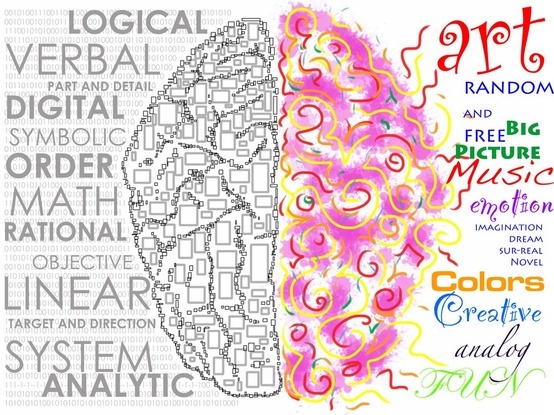
Here is an interesting article from the NYT about the brain and art from a professor of brain science at Columbia University.:

…… The portraiture that flourished in Vienna at the turn of the 20th century is a good place to start. Not only does this modernist school hold a prominent place in the history of art, it consists of just three major artists — Gustav Klimt, Oskar Kokoschka and Egon Schiele — which makes it easier to study in depth.

As a group, these artists sought to depict the unconscious, instinctual strivings of the people in their portraits, but each painter developed a distinctive way of using facial expressions and hand and body gestures to lrcommunicate those mental processes.

Their efforts to get at the truth beneath the appearance of an individual both paralleled and were influenced by similar efforts at the time in the fields of biology and psychoanalysis. Thus the portraits of the modernists in the period known as “Vienna 1900” offer a great example of how artistic, psychological and scientific insights can enrich one another.

The idea that truth lies beneath the surface derives from Carl von Rokitansky, a gifted pathologist who was dean of the Vienna School of Medicine in the middle of the 19th century. Baron von Rokitansky compared what his clinician colleague Josef Skoda heard and saw at the bedsides of his patients with autopsy findings after their deaths. This systematic correlation of clinical and pathological findings taught them that only by going deep below the skin could they understand the nature of illness.

I’ve read many a book and chatted with art therapists about the psychological process involved in art and art making and this article comes from a different perspective; brain science.

Moral determination

02 Thursday Jul 2020

Posted by RichardB in discovery, Research, Social Science, Wellness

≈ Comments Off on Moral determination

Tags

determination, moral, research

When people witness a hurtful action they make a moral determination based on whether it is intentional or accidental instantly, according to a new paper.

The paper says the brain is hard-wired to recognize when another person is being intentionally harmed. It also provides new insights into how such recognition is connected with emotion and morality, according to lead author Jean Decety, Professor of Psychology and Psychiatry at U of Chicago.

The researchers studied adults who watched videos of people who suffered accidental harm (such as being hit with a golf club) and intentional harm (such as being struck with a baseball bat). While watching the videos, brain activity 12balwas collected with equipment that accurately maps responses in different regions of the brain and importantly, the timing between these regions. The technique is known as high-density, event-related potentials technology.

The intentional harm sequence produced a response in the brain almost instantly. The study showed that within 60 milliseconds, the right posterior superior temporal sulcus (also known as TPJ area), located in the back of the brain, was first activated, with different activity depending on whether the harm was intentional or accidental. It was followed in quick succession by the amygdala, often linked with emotion, and the ventromedial prefrontal cortex (180 milliseconds), the portion of the brain that plays a critical role in moral decision-making.

There was no such response in the amygdala and ventromedial prefrontal cortex when the harm was accidental.

“Our data strongly support the notion that determining intentionality is the first step in moral computations,” said Decety, who conducted research on the topic with Stephanie Cacioppo, a research associate (assistant professor) in psychology at U of Chicago.

Other studies with functional MRI scans, including those in Decety’s lab, have shown that those areas of the brain become activated when people see others intentionally harmed, but those studies have been unable to separate or time the way the various parts of the brain may work together.

“High-density ERPs can identify spatio-temporal patterns of communication between regions that contrast analyses (such as fMRI) with low temporal resolution may not detect, and such methods are necessary to advance knowledge of neuroscience of morality,” said Cacioppo.

The ability to recognize and respond emotionally to the intentional infliction of harm is a critical source of morality that is universal across cultures, researchers believe. “It is part of humans’ evolutionary heritage,” Decety said. “The long history of mammalian evolution has shaped our brains to be sensitive to signs of suffering of others. And this constitutes a natural foundation for morality and sensitivity to justice.”

Philosophers have debated the origins of this moral response for ages. Some maintain that moral judgments begin with an immediate aversive reaction to perceived or imagined harm to victims, though the full moral judgment may form only after the fact. Other philosophers maintain that moral principals develop from reason alone and are not connected to emotion.

The new research suggests that emotion and the perception of intentionality, rather than deliberate reasoning, comprise the vital first component of moral responses—at least for responses that stem from care for others Decety said.

The research may help inform other areas of neurodevelopment research, including studies of the moral responses of psychopaths and of children who lack empathy for others, displaying what are called callous-unemotional traits.

Published in the Journal of Neurophysiology. See article here.

What is Mindfulness ?

18 Thursday Jun 2020

Posted by RichardB in Meditation, mental health, mindfulness, Relaxation, Wellness

≈ Comments Off on What is Mindfulness ?

Mindfulness is a concentrated state of awareness that can help us see and respond to situations with clarity and without getting carried away by emotions or the constant chatter in our heads. Mindfulness enables us to:
· Better manage tension and stress

· Enhance objectivity, mental focus
· Communicate and make decisions more effectively
· Improve productivity
· Quiet’s noise in the mind
Meditation
Meditation is the tool we use to cultivate mindfulness. With meditation, you intentionally pay attention to a particular object as a way to strengthen concentration. There are thousands of meditative techniques: Tai Chi, yoga, focusing on the breath and using a mantra are all examples. People often think that meditating “correctly” means clearing all thought from the mind. This is a myth. The mind never stops thinking – it’s when we get caught up in our thoughts that we lose mindfulness. By witnessing thoughts, allowing them to pass, and returning to your chosen object of focus, you can actually build the muscle of concentration. Think of meditation as a fitness routine for the mind.
Are there other benefits to mindfulness?
In addition to boosting brain power, numerous research studies have shown significant physical benefits including:
· Reduced blood pressure
· Lowered cholesterol levels
· Enhanced immune function
· Reduced headache, migraine, back pain
· Improved respiratory function
Mindfulness does not require a particular set of beliefs in order to learn and practice – it is a quality of mind, accessible and available to all.
Mindfulness allows us to live every moment fully without the filters of bias, judgment or emotional reaction.
Mindfulness helps the body cope with physical challenges such as headaches, back pain and even heart disease.
Mindfulness keeps us from reacting too quickly – it helps increase the gap between impulse and action.

Asanas that chase away the blues

28 Thursday May 2020

Posted by RichardB in breath, emotions, grounding, positive, Wellness

≈ Comments Off on Asanas that chase away the blues

Tags

asanas, health, wellness, yoga

Nice article from the Times of India, citing research using Yoga Asanas: Among the many clinical researches being conducted at Nimhans , one involved patients of an old-age home who were exposed to six months of yoga therapy. MRI scans taken before and after showed an increase in the size of the hippocampus, the brain’s memory index. “It wasdog1 larger than before because the grey matter had increased. The results will be published in a scientific journal shortly ,” adds Gangadhar. The hippocampus is vulnerable to stress and atrophy is seen in patients of schizophrenia, post-traumatic stress disorder (PTSD) and severe depression. “Yoga acts as an antidepressant ,” he says. Read the entire article here.

Relaxation

26 Tuesday May 2020

Posted by RichardB in Handout, Meditation, mindfulness, Relaxation, Wellness

≈ Comments Off on Relaxation

Tags

chill out, relax

I started engaging in relaxation tools as a teenage in the mid 1970’s when I first started practicing Hatha and Raja Yoga. After 38 years I can say with confidence that it works for me. Since 1983 amongst other things I have taught Hatha Yoga,  and relaxation techniques.

In the past 30 years, there has been considerable interest in the relaxation response and how inducing this state may benefit health. Research has focused primarily on illness and conditions in which stress may play a role either as the cause of the condition or as a factor that can make the condition worse.

Fitness and Health

Currently, there is some scientific evidence that relaxation techniques may be an effective part of an overall treatment plan for some disorders, including:

  • Anxiety. Studies have suggested that relaxation may assist in the treatment of phobias or panic disorder. Relaxation techniques have also been used to relieve anxiety for people in stressful situations, such as when undergoing a medical procedure.
  • Depression. In 2008, a major review of the evidence for relaxation in the treatment of depression found that relaxation techniques were more effective than no treatment for depression, but not as effective as cognitive-behavioral therapy.
  • Headache. There is some evidence that biofeedback and other relaxation techniques may be helpful for relieving tension or migraine headaches. In some cases, these mind and body techniques were more effective than medications for reducing the frequency, intensity, and severity of headaches.
  • Pain. Some studies have shown that relaxation techniques may help reduce abdominal and surgery pain.

Relaxation involves practice and willingness to fully engage in the process of relaxing. Stay tuned for some great relaxing tools.

Water colors

19 Tuesday May 2020

Posted by RichardB in Art Therapy, emotions, mindfulness, positive, Therapy, Wellness

≈ Comments Off on Water colors

Tags

cognitive processes, drama therapy cards, emotional expression, feelings cards, mindfulness practice, movement cards, paint, yoga asana cards

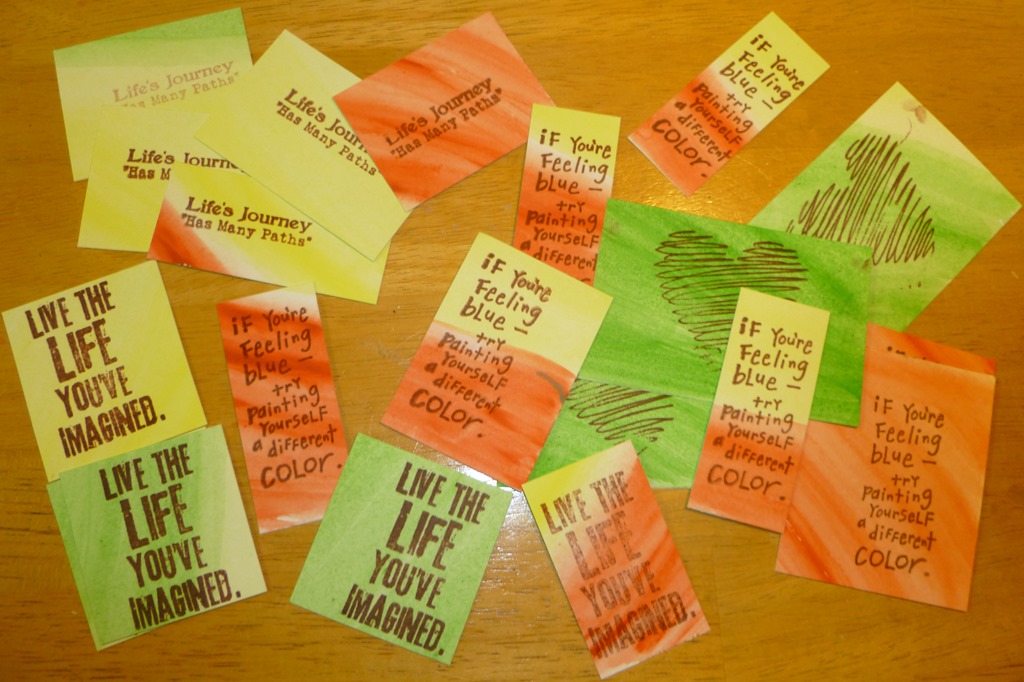
One Creative Therapy Tool that I use is to paint. Some times 1bcdspictures of actual ‘things’ like trees or boats; but I usually paint shapes. Lately I have been using water colors to paint shades and gradients of color. Colors shifting from one type of purple(for instance) to a deeper purple.

There is a lot going on in the simple act of painting color that involves cognitive processes, emotional expression, mindfulness practice, amongst others. There is the hand eye coordination, and the movement of the body 2bcds(hand,arm shoulder), to apply the paint to the brush, water and paper. There is the picking and choosing of colors that I want to use; sometimes I pick a color that has a pleasing effect on how I feel, and sometimes that choice changes how I feel. The act of painting requires focus and at least a little concentration being in the here and now.

I have been turning my gradient paintings in to therapy cards. I work a lot with groups providing therapy and often participants have difficulty expressing their feelings and/or thoughts.3bcds The cards provide an avenue for people to share/start a conversation. I have created affirmation cards, feelings cards, drama therapy cards, movement cards, yoga asana cards, and many others.
(click image for larger size)

4bcds

Art and Asthma

12 Tuesday May 2020

Posted by RichardB in Art Therapy, Wellness

≈ Comments Off on Art and Asthma

The fear and anxiety associated with an asthma attack can last long after the attack has subsided. Now research, published online in the Journal of Allergy & Clinical Immunology, reports that the art therapy showed benefits both during the therapy and for months afterward. “Asthma impacts not only a child’s physical well-being but also has a considerable effect on a child’s quality of life and psychological development,” said Anya Beebe, MA, an art therapist at National Jewish Health. “Our study shows that art therapy for children with severe, chronic asthma is clearly beneficial. Our results were striking and persisted for months after treatment stopped.”
In art therapy, patients create artwork that helps express their feelings about an illness, a trauma or medical concerns. The artwork can then serve as a starting point for discussions about these issues. Researchers believe that creating art helps participants establish distance between themselves and their medical concerns. They learn to understand that they have a personal identity outside of their illness. It is believed to be particularly effective with children because they often do not have the adult capabilities to verbally articulate their emotions, perceptions, or beliefs, and often can more comfortably convey ideas in ways other than talking.
You can read more at the National Jewish Health website.

Acceptance

12 Tuesday May 2020

Posted by RichardB in Acceptance, Addiction, photo, quote, Wellness

≈ Comments Off on Acceptance

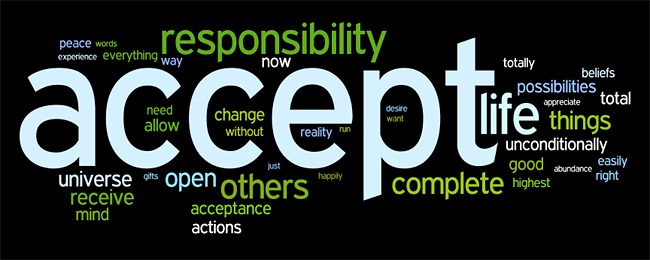
Acceptance is outcomes without attachments, guilt, shame, remorse, self pity, resentment, fear, anger, etc. These are the tools of the disease of addiction. To maintain Recovery One must maintain a state of Acceptance.

acceptance

Level 5 vegan

06 Wednesday May 2020

Posted by RichardB in food, Health, photos, quote, Wellness

≈ Comments Off on Level 5 vegan

Tags

food, photo, quote, vegan

I’m a level 5 vegan, I don’t eat anything that casts a shadow. Matt Groening

Art and Asthma

05 Tuesday May 2020

Posted by RichardB in art, Art Therapy, Therapy, Wellness

≈ Comments Off on Art and Asthma

Tags

asthma, creative arts, therapy

The fear and anxiety associated with an asthma attack can last long after the attack has subsided. Now research, published online in the Journal of Allergy & Clinical Immunology, reports that the art therapy showed benefits both during the therapy and for months afterward. “Asthma impacts not only a child’s physical well-being but also has a considerable effect on a child’s quality of life and psychological development,” said Anya Beebe, MA, an art therapist at National Jewish Health. “Our study shows that art therapy for children with severe, chronic asthma is clearly beneficial. Our results were striking and persisted for months after treatment stopped.”

In art therapy, patients create artwork that helps express their feelings about an illness, a trauma or medical concerns. The artwork can then serve as a starting point for discussions about these issues. Researchers believe that creating art helps participants establish distance between themselves and their medical concerns. They learn to understand that they have a personal identity outside of their illness. It is believed to be particularly effective with children because they often do not have the adult capabilities to verbally articulate their emotions, perceptions, or beliefs, and often can more comfortably convey ideas in ways other than talking.

You can read more at the National Jewish Health website.

Asanas that chase away the blues

28 Tuesday Apr 2020

Posted by RichardB in Wellness, Yoga

≈ Comments Off on Asanas that chase away the blues

Nice article from the Times of India, citing research using Yoga Asanas: Among the many clinical researches being conducted at Nimhans , one involved patients of an old-age home who were exposed to six months of yoga therapy. MRI scans taken before and after showed an increase in the size of the hippocampus, the brain’s memory index. “It was larger than before because the grey matter had increased. The results will be published in a scientific journal shortly ,” adds Gangadhar. The hippocampus is vulnerable to stress and atrophy is seen in patients of schizophrenia, post-traumatic stress disorder (PTSD) and severe depression. “Yoga acts as an antidepressant ,” he says. Read the entire article here.

What Don’t You Do That You Should Be Doing?

28 Tuesday Apr 2020

Posted by RichardB in Community, Health, Social Media, Wellness, youtube

≈ Comments Off on What Don’t You Do That You Should Be Doing?

Tags

Don't, should Be Doing, street

Food & Mood

23 Thursday Apr 2020

Posted by RichardB in food, Mood, Wellness

≈ Comments Off on Food & Mood

There are 4 brain chemicals that can influence mood.

Four chemicals directly impact mood and are present in higher concentrations after meals than between meals:

  • Serotonin, released after eating carbs (sugars and starches). This “feel-good” chemical enhances calm, improves outlook and lessens depression. The key is to consume complex carbohydrates (whole grains, beans and vegetables) and not simple carbohydrates (cookies, candy, etc.). “Simple carbohydrates give you a quick burst of energy because they increase blood sugar,” says Ms. Jamieson-Petonic. ” But that burst doesn’t last long. Complex carbohydrates provide a longer-lasting effect.”
  • Dopamine and norepinephrine, released after eating protein (meats, poultry, dairy and legumes). These chemicals work together to increase your energy level, enhance your concentration and make you more alert. “Choose lean proteins, which are not only better for your heart but also are easier to digest. They won’t leave you feeling weighed down like fried or high-fat food choices,” she says.
  • Acetylcholine, produced from a B vitamin called choline found in wheat germ and eggs. This chemical is believed to influence learning, memory and mood.Food-0005.jpg
The ideal meal

The best meal to enhance your mood is one that combines complex carbohydrates with lean proteins, such as:

  • Tuna on 100 percent whole wheat bread
  • A turkey meatball with whole grain pasta and red sauce
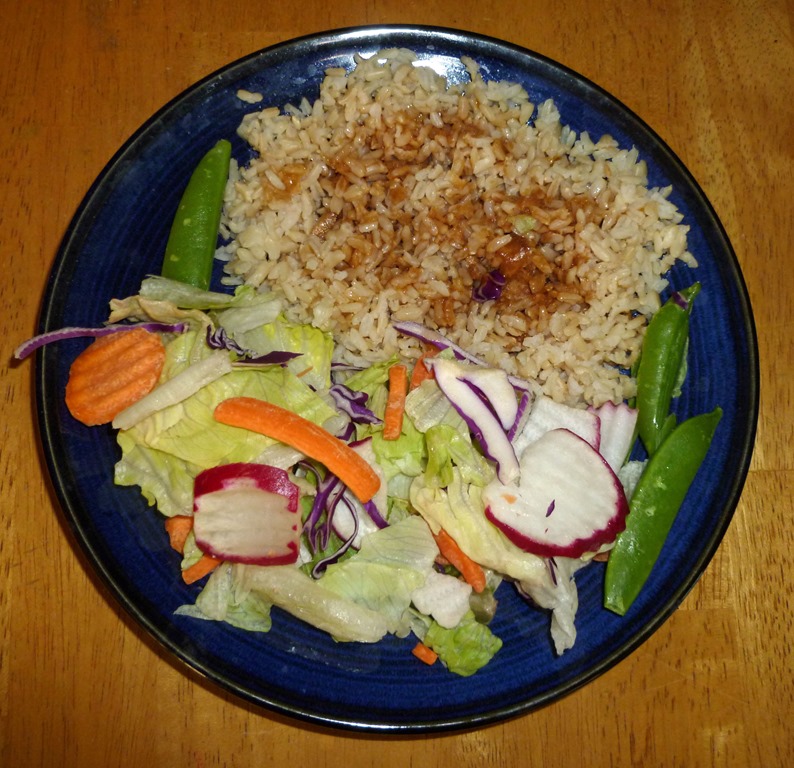
  • A lean piece of beef with brown rice and vegetables

“Vegetarians can opt for soy or quinoa,” says Ms. Jamieson-Petonic. “These are both complete plant proteins that offer all the essential amino acids (protein building blocks) you need.”

Foods that spoil your mood

Meanwhile, avoid foods that may taste good at first but won’t leave you feeling your best:

  • Lunchmeat submarine sandwich on white. “The white roll will reduce serotonin levels and leave you feeling drained, and the tidal wave of salt from the lunchmeats will make you tired and bloated,” says Ms. Jamieson-Petonic.
  • Bag of chips, bottle of regular soda and a cookie. “I’ve seen folks buy this for lunch,” she says. “The chips are high in saturated fat (which tends to increase inflammation inside blood vessels) and low in serotonin. And tons of added sugars in the soda and cookie will trigger a protein cascade that will leave you feeling low, low down.”
  • Fried fish sandwich with french fries. “Fish is normally a “feel-good” food, but not when it’s coated with white flour and deep-fried in a vat of oil,” says Ms. Jamieson-Petonic. “Both the fish and fries are high in fat and sodium, which will zap your mood quicker than a dreary day.”

If you’ll be making changes in your diet, be patient. It may take two to three weeks to see an improvement in your mood.

← Older posts
Newer posts →

instagram

Follow RichardbBrunner on WordPress.com
  • Tumblr
  • YouTube

Create a free website or blog at WordPress.com.

Privacy & Cookies: This site uses cookies. By continuing to use this website, you agree to their use.
To find out more, including how to control cookies, see here: Cookie Policy
  • Subscribe Subscribed
    • RichardbBrunner
    • Join 492 other subscribers
    • Already have a WordPress.com account? Log in now.
    • RichardbBrunner
    • Subscribe Subscribed
    • Sign up
    • Log in
    • Report this content
    • View site in Reader
    • Manage subscriptions
    • Collapse this bar

Loading Comments...