-
Creative minds ‘mimic schizophrenia’
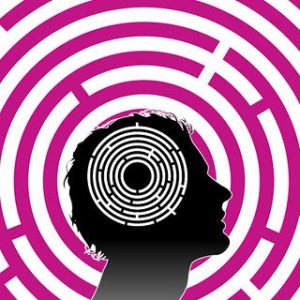
Creativity is akin to insanity, say scientists who have been studying how the mind works. Brain scans reveal striking similarities in the thought pathways of highly creative people and those with schizophrenia. Both groups lack important receptors used to filter and direct thought. It could be this uninhibited processing that allows creative people to "think outside the box", say experts from Sweden’s Karolinska Institute. more here BBC News
-
TravelTuesday: From the Archives-To Town Early Spring
-
MusicMonday: Cultura Profética – Bendito Vicio
-
Pile o’peeps
In the groups that I helped to co-facilitate in the ’80’s and ’90’s … at the end of a long day of movement and processing, folks would just lay down on the floor very close to each other. That was generally referred to as a puppy pile.

-
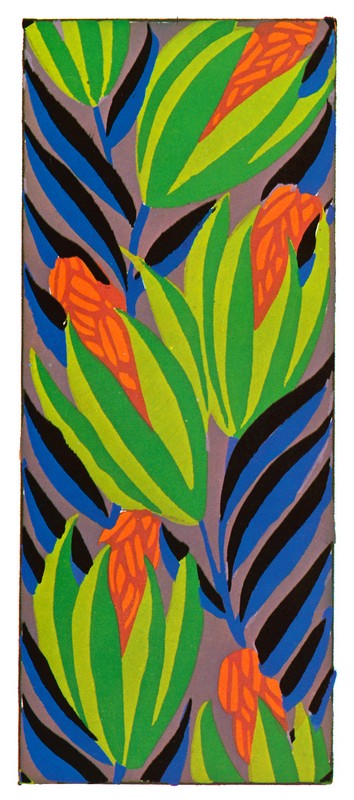
Seguy Art Deco Designs 34
-
Trading Economics
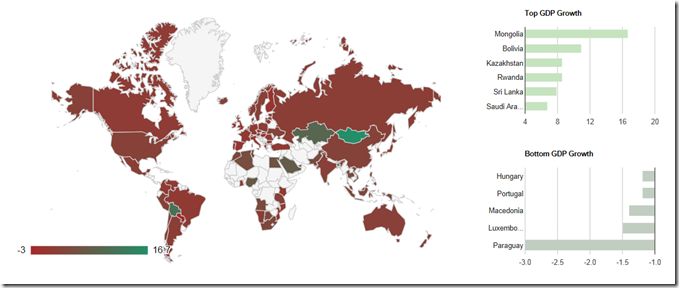
Interesting website with oodles of info and graphics expressing said info: Trading Economics provides its users with accurate information for 232 countries including historical data for more than 300.000 economic indicators, exchange rates, stock market indexes, government bond yields and commodity prices. Our data is regularly checked for inconsistencies and based on official sources; with the World Bank, the International Monetary Fund, central banks and national statistics bureaus being the most important. TradingEconomics.com has received more than 20 million page views from more than 200 countries.
-
Watch: The Wealth of Nations Turns 250 from Council on Foreign Relations
On the 250th anniversary of Adam Smith’s The Wealth of Nations, this episode revisits a book that laid the foundations of modern economics and then considers the tensions between free markets and industrial policy today. It highlights the ways in which specialization and global trade remain powerful drivers of prosperity, reflecting Smith’s insight that self-interest can benefit society when shaped by competition and institutions, while noting the ongoing relevance of his warnings about moral judgment, the rule of law, and resistance to cronyism.
Adam Smith argued that free markets only work when they rely on a foundation of moral sentiment, trust, and ethical behavior—often rooted in justice—to function effectively. While he acknowledged religious frameworks, his focus was on self-interest, justice, and the “invisible hand” within a well-regulated society. [1, 2, 3]
Key insights regarding Smith’s views on morality and markets include:
• Moral Foundations: Smith argued that for markets to function, participants must have integrity, as low trust increases transaction costs.
• Role of Ethics: His work emphasizes that true capitalism requires justice, not just self-interest, and thrives when there is a level playing field and fair rules.
• Justice over Religion: Smith believed that a system of “natural liberty” required a framework of justice to prevent the “master” class from oppressing workers.
• Invisible Hand: Smith believed the “invisible hand” works best when individuals, pursuing their own interests, are guided by a societal, and often divine, order. [1, 2, 3, 4, 5]
[1] https://christianhistoryinstitute.org/magazine/article/the-invisible-hand
[2] https://surface.syr.edu/cgi/viewcontent.cgi?article=1134&context=ecn
[3] https://favs.news/adam-smith-capitalism-with-a-conscience/
[4] https://www.historynewsnetwork.org/blog/153685
[5] https://geopoliticalfutures.com/adam-smith-economics-finance-and-geopolitics/ -
Ways of moving
I have learned a lot about the Creative Arts and Dance Movement Therapy in particular over many years as first a participant, then co-facilitator, then facilitator. I have come to know the far reaching effects that movement has in discovering one’s own thoughts and feelings. I have come to recognize others feelings by witnessing their movement as well.
In one situation I spend time directing a group of clients to move in ways that expressed relaxation for them. Ten people moving in ten different ways, all expressing the same thing. Later the group shared their experience first with a movement and then with verbal processing. The clients discovered new ways of relaxing and being relaxed by exploring and witnessing others move and share.
We can all learn new ways of moving and being moved by witnessing others. As children we learned patterns of movement from our care givers and from our culture. As adults we add to our developmental movement patterns by incorporating the uniqueness of who we are. As we mature and age, our movement patterns change again to reflect where in our lives we are.
We all move, everyone of us. With our breath, our smiles and frowns, our heart beat, and more. It is what we have in common. It is who we are.

-
TravelTuesday: From the Archives-To Town in Winter Snow
-
MusicMonday: Marsh Dondurma | Fluences


 RichardbBrunner