Tags
Take care of your body. It’s the only place you have to live. ~Jim Rohn


20 Friday Jul 2018
Tags
Take care of your body. It’s the only place you have to live. ~Jim Rohn
18 Wednesday Jul 2018

Posted by RichardB | Filed under Seguy Art Deco Designs
≈ Comments Off on Seguy Art Deco Designs 129
17 Tuesday Jul 2018
Posted in brain, medication, Research
≈ Comments Off on Ten Myths About Psychotropic Drugs
Dr. Peter Gotzsche has created a controversy and sparked criticism over what he sees as a damaging over-prescription of drugs by psychiatrists.
Gotzsche recently compiled a list of ten common myths held not only by the general public, but also trained psychiatrists concerning the safety of psychotropic drugs, and the rationale for their use.

As an internist, Gotzsche remarked that since he was outside of the political orthodoxy of the world of psychiatric medicine, he was free to express what he believed to be the sentiments of many psychiatrists who must remain quiet in their objections for fear of hurting their careers.
1. Mental diseases are caused by a chemical imbalance in the brain
“We have no idea about which interplay of psychosocial conditions, biochemical processes, receptors and neural pathways that lead to mental disorders and the theories that patients with depression lack serotonin and that patients with schizophrenia have too much dopamine have long been refuted.”
2. It’s easy to go off antidepressants any time you want to
Here, Gotzsche points to drug trails involving agoraphobics and people suffering from panic disorder, whom were not depressed. Fifty percent of the patients found it difficult to come off antidepressants even though they were gradually reducing their doses. It could not be that the patients saw their depression returning, as they were not depressed to begin with.
3. Psychotropic drugs are to mental illness as insulin is to diabetes
“When you give insulin to a patient with diabetes, you give something the patient lacks, namely insulin. Since we’ve never been able to demonstrate that a patient with a mental disorder lacks something that people who are not sick don’t lack, it is wrong to use this analogy.”
4. Psychotropic drugs reduce the number of chronically ill patients
“In 1987, just before the newer antidepressants (SSRIs or happy pills) came on the market, very few children in the United States were mentally disabled. Twenty years later it was over 500,000, which represents a 35-fold increase. The number of disabled mentally ill has exploded in all Western countries.”
5. SSRIs don’t cause suicide in children and adolescents
“The companies and the psychiatrists have consistently blamed the disease when patients commit suicide. It is true that depression increases the risk of suicide, but happy pills increase it even more, at least up to about age 40, according to a meta-analysis of 100,000 patients in randomized trials performed by the US Food and Drug Administration.”
6. SSRIs don’t have side effects
“Patients care less about the consequences of their actions, lose empathy towards others, and can become very aggressive. In school shootings in the United States and elsewhere a striking number of people have been on antidepressants.”
7. SSRIs are not addictive
“The worst argument I have heard about the pills not causing dependency is that patients do not require higher doses. Shall we then also believe that cigarettes are not addictive? The vast majority of smokers consume the same number of cigarettes for years.”
8. The prevalence in depression has increased a lot in recent history
Gotzsche points out that this is difficult if not impossible to determine, as the criteria for being diagnosed as clinically depressed has been drastically lowered over the last 50 years.
9. The main problem is not overtreatment, but undertreatment
“In a 2007 survey, 51% of the 108 psychiatrists said that they used too much medicine and only 4 % said they used too little. In 2001-2003, 20% of the US population aged 18-54 years received treatment for emotional problems.”
10. Antipsychotics prevent brain damage
“Some professors say that schizophrenia causes brain damage and that it is therefore important to use antipsychotics. However, antipsychotics lead to shrinkage of the brain, and this effect is directly related to the dose and duration of the treatment.”
Read the rest of the article here:http://www.designntrend.com/articles/10379/20140123/danish-doctor-offers-ten-myths-psychotropic-drugs.htm
16 Monday Jul 2018
Tags
13 Friday Jul 2018
Interesting article about pets and how humans react/respond to them. From the abstract:
Neural substrates underlying the human-pet relationship are largely unknown. We examined fMRI brain activation patterns as mothers viewed images of their own child and dog and an unfamiliar child and dog. There was a common network of brain regions involved in emotion, reward, affiliation, visual processing and social cognition when mothers viewed images of both their child and dog. Viewing images of their child resulted in brain  activity in the midbrain (ventral tegmental area/substantia nigra involved in reward/affiliation), while a more posterior cortical brain activation pattern involving fusiform gyrus (visual processing of faces and social cognition) characterized a mother’s response to her dog. Mothers also rated images of their child and dog as eliciting similar levels of excitement (arousal) and pleasantness (valence), although the difference in the own vs. unfamiliar child comparison was larger than the own vs. unfamiliar dog comparison for arousal. Valence ratings of their dog were also positively correlated with ratings of the attachment to their dog. Although there are similarities in the perceived emotional experience and brain function associated with the mother-child and mother-dog bond, there are also key differences that may reflect variance in the evolutionary course and function of these relationships.
Stoeckel LE, Palley LS, Gollub RL, Niemi SM, Evins AE (2014) Patterns of Brain Activation when Mothers View Their Own Child and Dog: An fMRI Study. PLoS ONE 9(10): e107205. doi:10.1371/journal.pone.0107205
http://www.plosone.org/article/info%253Adoi%252F10.1371%252Fjournal.pone.0107205
11 Wednesday Jul 2018

Posted by RichardB | Filed under Seguy Art Deco Designs
≈ Comments Off on Seguy Art Deco Designs 128
10 Tuesday Jul 2018
Posted in creative arts therapy, Meditation, mindfulness
≈ Comments Off on What is Mindfulness ?
Tags
Mindfulness is a concentrated state of awareness that can help us see and respond to situations with clarity and without getting carried away by emotions or the constant chatter in our heads. Mindfulness enables us to:
· Better manage tension and stress
· Enhance objectivity, mental focus
· Communicate and make decisions more effectively
· Improve productivity
· Quiet’s noise in the mind

Meditation
Meditation is the tool we use to cultivate mindfulness. With meditation, you intentionally pay attention to a particular object as a way to strengthen concentration. There are thousands of meditative techniques: Tai Chi, yoga, focusing on the breath and using a mantra are all examples. People often think that meditating “correctly” means clearing all thought from the mind. This is a myth. The mind never stops thinking – it’s when we get caught up in our thoughts that we lose mindfulness. By witnessing thoughts, allowing them to pass, and returning to your chosen object of focus, you can actually build the muscle of concentration. Think of meditation as a fitness routine for the mind.
Are there other benefits to mindfulness?
In addition to boosting brain power, numerous research studies have shown significant physical benefits including:
· Reduced blood pressure
· Lowered cholesterol levels
· Enhanced immune function
· Reduced headache, migraine, back pain
· Improved respiratory function
Mindfulness does not require a particular set of beliefs in order to learn and practice – it is a quality of mind, accessible and available to all.
Mindfulness allows us to live every moment fully without the filters of bias, judgment or emotional reaction.
Mindfulness helps the body cope with physical challenges such as headaches, back pain and even heart disease.
Mindfulness keeps us from reacting too quickly – it helps increase the gap between impulse and action.
09 Monday Jul 2018
06 Friday Jul 2018
Ever wondered what airborne cats looked like? Wonder no more.

03 Tuesday Jul 2018
Posted in creative arts therapy, Depression, Yoga
≈ Comments Off on Yoga & Depression
From an article on the Yoga International web site:
Anyone who has suffered from depression understands how deep, abiding sadness or worthlessness can infiltrate and affect every aspect of our being. Our psychological makeup, physical health, mental outlook, and even our ability to interact with friends and family and be present to the world around us can get shaken to their core. Why? Because we identify with and attach ourselves to things that will inevitably change. As our feelings and other symptoms of depression persist, we have an increasingly difficult time imagining a life in which we break free from their spell and avoid “becoming” them.
Yoga teaches us that we aren’t our feelings or our symptoms but live in multidimensional relationship with them. 
One way to grasp this paradox is to picture the Self (purusha or pure, undifferentiated awareness) as pervading all nine interlocking and interdependent spheres of influence without being any one of them. See More here.
https://yogainternational.com/article/view/yoga-for-depression-an-integrated-practice
26 Tuesday Jun 2018
Posted in Addiction, recovery, TEDx Talks, YouTube
≈ Comments Off on The Power of Addiction and The Addiction of Power: Gabor Maté
19 Tuesday Jun 2018
Posted in creative arts therapy, mindfulness
≈ Comments Off on Meditation and creative thinking
Tags
Certain meditation techniques can promote creative thinking, even if you have never meditated before. This is the outcome of a study by cognitive psychologist Lorenza Colzato and Dominique Lippelt at Leiden University, published in Mindfulness.
Long-lasting influence
The study is a clear indication that you don’t need to be an experienced meditator to profit more from meditation. The findings support the belief that meditation can have a long-lasting influence on human cognition, including how we conceive new ideas. Besides experienced meditators, also novices may profit from meditation.
Different techniques, different effects
But the results demonstrate that not all forms of meditation have the same effect on creativity. Test persons performed better in divergent thinking (= thinking up as many possible solutions for a given problem) after Open Monitoring meditation (= being receptive to every thought and sensation). The researchers did not see this effect on divergent thinking after Focused Attention meditation (=focusing on a particular thought or object.)
Setup of the study
40 individuals participated in this study, who had to meditate for 25 minutes before doing their thinking tasks. There were both experienced mediators and people who never meditated before. The study investigated the influences of different types of meditative techniques on the two main ingredients of creativity:
Lorenza S. Colzato, Ayca Szapora, Dominique Lippelt, Bernhard Hommel. Prior Meditation Practice Modulates Performance and Strategy Use in Convergent- and Divergent-Thinking Problems. Mindfulness, 2014;
12 Tuesday Jun 2018
“We do not think ourselves into new ways of living, we live ourselves into new ways of thinking.” Richard Rohr, from Everything Belongs

05 Tuesday Jun 2018
Posted in brain, Meditation, mindfulness
≈ Comments Off on Meditation may physically alter regions of the brain
Tags
Harvard researchers at the Massachusetts General Hospital reported that the practice of mindfulness meditation can physically alter regions of the brain associated with memory, sense of self, empathy, and stress. 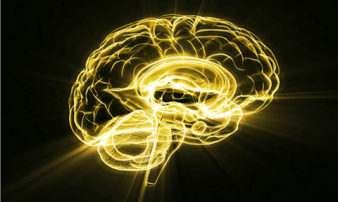
The study, to be published in January 2015, in “Psychiatry Research: Neuroimaging” indicates that the brain’s gray matter may change as a result of meditation.
“Although the practice of meditation is associated with a sense of peacefulness and physical relaxation, practitioners have long claimed that meditation also provides cognitive and psychological benefits that persist throughout the day,” said Sara Lazar, the study’s senior author. “This study demonstrates that changes in brain structure may underlie some of these reported improvements and that people are not just feeling better because they are spending time relaxing.”
Researchers measured MR images of participants brains during the eight-week “Mindfulness-Based Stress Reduction” program, conducted by the University of Massachusetts Center for Mindfulness. Participants spent an average of 27 minutes in meditation during the program. The program was delivered through recorded audios and guided meditations.
Compared to measurements on MR scans of a control group who did not participate in the program, the participants’ brains showed an increase in gray-matter density in the hippocampus. The hippocampus is the region of the brain associated with learning, introspection, memory and awareness.There also was a decrease in gray-matter density in the amygdala, the region associated with anxiety and stress. However, the Insula, a region of the brain thought to be associated with self-awareness according to earlier research, remained unchanged, and the researchers hypothesize that participants may have to meditate for longer periods of time before any change is noticed in this region.
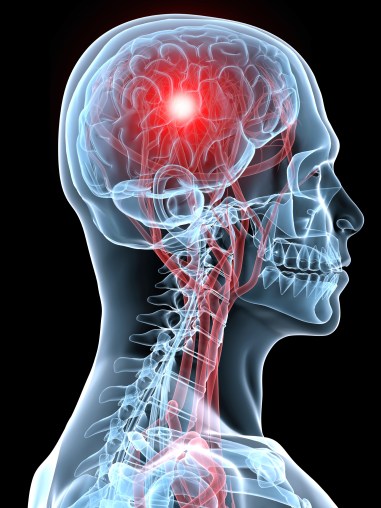 It has been noted that meditation can reduce stress but according to Britta Hölzel, one of the authors, “Other studies in different patient populations have shown that meditation can make significant improvements in a variety of symptoms, and we are now investigating the underlying mechanisms in the brain that facilitate this change.”
The researchers believe that these findings of physiological change can pave the wave for a better understanding and treatment of stress-related disorders. The study was supported by the BBC, National Institutes of Health and the Mind and Life Institute.
29 Tuesday May 2018
Posted in addicted, Addiction, TEDx Talks, YouTube
≈ Comments Off on Rewriting The Story Of My Addiction | Jo Harvey | TEDx
Tags
22 Tuesday May 2018
Posted in creative arts therapy, Meditation, mindfulness
≈ Comments Off on Meditation Reduces Anxiety
Tags
Scientists at Wake Forest Baptist Medical Center have identified the brain functions involved in how meditation reduces anxiety.
The team wrote in the journal Social Cognitive and Affective Neuroscience about how they studied 15 healthy volunteers with normal levels of everyday anxiety. They said these individuals had no previous meditation experience or anxiety disorders. 
The participants took four 20-minute classes to learn a technique known as mindfulness meditation. In this form of meditation, people are taught to focus on breath and body sensations and to non-judgmentally evaluate distracting thoughts and emotions.
“Although we´ve known that meditation can reduce anxiety, we hadn´t identified the specific brain mechanisms involved in relieving anxiety in healthy individuals,” said Dr. Fadel Zeidan, Ph.D., postdoctoral research fellow in neurobiology and anatomy at Wake Forest Baptist and lead author of the study. “In this study, we were able to see which areas of the brain were activated and which were deactivated during meditation-related anxiety relief.”
The researchers found that meditation reduced anxiety ratings by as much as 39 percent in the participants.
“This showed that just a few minutes of mindfulness meditation can help reduce normal everyday anxiety,” Zeidan said.
Fadel and colleagues were also able to reveal that meditation-related anxiety relief is associated with activation of the anterior cingulate cortex and ventromedial prefrontal cortex, which are areas of the brain involved with executive-level function.
“Mindfulness is premised on sustaining attention in the present moment and controlling the way we react to daily thoughts and feelings,” Zeidan said. “Interestingly, the present findings reveal that the brain regions associated with meditation-related anxiety relief are remarkably consistent with the principles of being mindful.”
 He said the results of this neuroimaging experiment complement that body of knowledge by showing the brain mechanisms associated with meditation-related anxiety relief in healthy people.
Scientists wrote in the journal Frontiers in Human Neuroscience in November 2012 about how meditation has lasting emotional benefits. They found that participating in an eight-week meditation training program could have measurable effects on how the brain functions, even when someone is not actively meditating. The team used two forms of meditation training and saw some differences in the response of the amygdala, which is the part of the brain known to be important for emotion.
15 Tuesday May 2018
The most authentic thing about us is our capacity to create, to overcome, to endure, to transform, to love and to be greater than our suffering. -Ben Okri

08 Tuesday May 2018
Posted in Meditation
≈ Comments Off on Opportunities 4 mindfulness
Tags
For most of us, a typical day begins when we get out of bed, wash, and then start our activities. At some point, we get a bite to eat, walk somewhere, and talk to someone. Often, by the end of the day we find ourselves stressed out and physically exhausted. It doesn’t have to be that way!
Everyday activities can be an opportunity for a meditation moments; bringing mindfulness, clarity, and peace into your day while energizing yourself and reducing stress.
A study published in the journal Consciousness and Cognition found: “Brief meditation training reduced fatigue, anxiety, and increased mindfulness. Moreover, brief mindfulness training significantly improved visuo-spatial processing, working memory, and executive functioning.”
These brief mindfulness meditations can be done anywhere or anytime …well using common sense. Just like you should not text and drive I would not meditate and drive either.
Here are two examples of how to add meditation without taking time out of your schedule.
01 Tuesday May 2018
Posted in Court, Drug court, recovery
≈ Comments Off on Drug courts
Tags
Drug courts are judicially supervised court dockets that provide a sentencing alternative of treatment combined with supervision for people living with serious substance use and mental health disorders. Drug courts are problem-solving courts that take a public health approach using a specialized model in which the judiciary, prosecution, defense bar, probation, law enforcement, mental health, social service, and treatment communities work together to help addicted offenders into long-term recovery. 
An Indiana drug court graduate looks back three years and sees her former self as someone sad and sick.
In her jail booking photo from three years ago, you can still see the red mark on Faith Spriggs’ left arm where she injected methamphetamine.
Dressed in an orange jumpsuit, her face is droopy, eyes slightly downcast. In the photo, she’s still high. She had just gone to someone’s house to see if she could score more meth when police stopped her and found drugs and a syringe in her purse.
Now, Spriggs looks at the photo and sees someone who looks sad and sick.
Three years later, she’s a graduate of Noble County Drug Court and hasn’t used for 32 months. She shared the photo — with pride — with the large crowd gathered during her graduation Dec. 5 to show how far she’s come. Read the rest HERE.
24 Tuesday Apr 2018
Tags
Beyond living and dreaming
there is something more important:
waking up. Antonio Machado

 RichardbBrunner