Tags
Top Songs I listened to in 2021: Aldous Harding – ‘Old Peel’
06 Monday Jun 2022
Posted in Music
≈ Comments Off on Top Songs I listened to in 2021: Aldous Harding – ‘Old Peel’

06 Monday Jun 2022
Posted in Music
≈ Comments Off on Top Songs I listened to in 2021: Aldous Harding – ‘Old Peel’
Tags
05 Sunday Jun 2022
04 Saturday Jun 2022
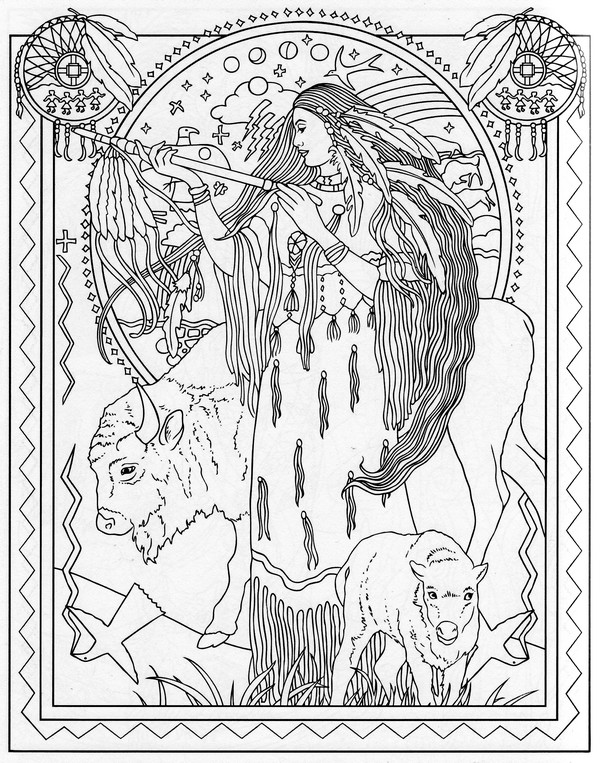
Posted by RichardB | Filed under Coloring Pages
≈ Comments Off on White Buffalo Womyn Coloring Page
03 Friday Jun 2022
Posted in Pets
≈ Comments Off on Veterinarians Debunk 15 Dog Myths
02 Thursday Jun 2022
Posted in creative arts therapy, Dance Movement Therapy
≈ Comments Off on We walk together
In my work with clients/patients I sometimes use the written word to help process what they are feeling and what I am feeling about working with them. I worked for years at a residential drug/alcohol rehab center and wrote a short poem about one experience.
1. We walk together
toe to heal
In the way we came here
Youngest to oldest – Male to female –
Opiate to alcohol – Forceps to stone
2. We all
Everyone of us
walk for a reason
3. Up the hill
breathlessly
we reach the top
4. around the pond and into the trees
A shelter – A holding
in the environment
5. Close your eyes
Notice your breath – As you inhale – as you exhale
Feel the wind – notice the smells – the scent of the earth
The sunlight and shadows sway back and forth to the rhythm of the branches moving in the wind
6. Don’t be afraid – shiver- cry out – weep – scream
We are all killers inside
We are all healers inside
Our blood runs through the veins of our ancestors
And is here to stay – an echo of times now gone
A dream of times yet to come
Interpretation
1. Today I took my clients outside to the park. We walked in a pecking order; the client with the most time were in front followed by the others in order of time, drug of choice, sex, finally by age. It was a metaphor for their life journey, of their choices and circumstances thrust on them from birth.
2. In the clients (and us all) our journey is a reflection of who and where we came from. Our personality and our history. Our wants and needs. Our understanding of these things. In this residential rehab clients have come because of an intersection of factors, both internal and external.
3. The walk with the clients took us up a sharp and steep hill, the last little leg of our walk before we reached the park and the pond. The walk of addiction is a mighty hard row to hoe in the discovery of the self
4. The clients were very happy to see the pond and dogs and people, and we headed for the trees to find some sanctuary. This little stand of trees I felt would be a good holding environment to do a movement meditation in a public space.
5. I led the group through a meditation in the environment, giving them a chance to be calm/passive and feel nature, with its enormous power. Like that higher power that 12 step teaches. Also nature has a rhythm that we, as earthlings cannot escape, it is deep inside us, with us since the womb.
6. In the mediation I encouraged the group to go to where it was safe and to go a little beyond safety, to a new place. Being different (clean/sober) in a setting (park) that is familiar is challenging. They will face that challenge when they leave the rehab. As addicts they must accept their dark side, and they must recognize their light side. This killer and healer is the story of being human, told by all cultures since we first lit a fire and huddled together. It is this story telling that teaches us to remember the mistakes so we know what to do if we make them and know how to avoid them.

30 Monday May 2022
Posted in Music
≈ Comments Off on Top Songs I listened to in 2021: tricot – Summer Night Town
29 Sunday May 2022
28 Saturday May 2022

Posted by RichardB | Filed under Coloring Pages
≈ Comments Off on Egyptian Mau Coloring Page
27 Friday May 2022
Posted in cats
≈ Comments Off on Watch “Veterinarians Debunk 13 Cat Myths” on YouTube
25 Wednesday May 2022
Since the late 1990’s I have had some sort of web site(s) or blog(s) hosted on a variety of platforms. To help facilitate this I have collected a massive library of story/post ideas, images and quotes. Below are five (5) of my favorite quotes that express in part who I am.
“Real devotion is an unbroken receptivity to the truth. Real devotion is rooted in an awed and reverent gratitude, but one that is lucid, grounded, and intelligent.” Sogyal Rinpoche
“There must exist a paradigm, a practical model for social change that includes an understanding of ways to transform consciousness that are linked to efforts to transform structures.” Bell Hooks, Killing Rage: Ending Racism.
“Wounding and healing are not opposites. They’re part of the same thing. It is our wounds that enable us to be compassionate with the wounds of others. It is our limitations that make us kind to the limitations of other people. It is our loneliness that helps us to find other people or to even know they’re alone with an illness. I think I have served people perfectly with parts of myself I used to be ashamed of.” Rachel Naomi Remen
“If there is no friendship with the poor and no sharing of the life of the poor, then there is no authentic commitment to liberation, because love exists only among equals.” Gustavo Gutierrez, A Theology of Liberation.
“We only believe those thoughts which have been conceived not in the brain but in the whole body.” W.B. Yeats
25 Wednesday May 2022
Posted in Dance Movement Therapy
≈ Comments Off on Transference
In Dance Movement Therapy (D/MT) transference and counter transference play a crucial role in the therapy session. Understanding the differing theories of transference, where and how they take place, whether on an emotional, physical, cognitive, or neurological level is an important foundation for the effective treatment of a client. It is because transference is primarily an unconscious process that D/MT as an effective avenue into the subconscious can allow for transference actions to become consciously embodied. It is this embodiment of these subconscious processes that allows for the exploration and bringing to light transference and thus one part of ‘healing’ for the client.
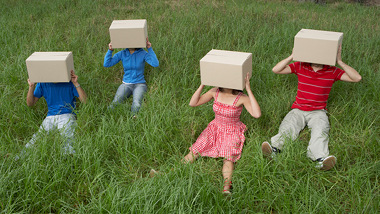
In D/MT client(s) move, through posture and/or gesture in ways that can be less likely to be self-censored. For instance, a therapist asks a question and the client hesitates and chooses their words and answers, censoring (either consciously or not) their response. It’s a cognitive process that we all do generally with little thinking or effort. The therapist asks the same questions and directs the client to respond with the hands in a gesture or a posture with a fuller body expression. I’ve noticed over the years that people tend to respond/react to this type of direction with the same hesitation and then begin to move in ways that express something rarely captured by words. I believe this is because people are used to censoring their words but less so with their movement/gestures/postures.
A great example of this is the Stress-less classes I have taught over the years. Participants almost always identify the body as the way they know they are really stressed out. They report grinding their teeth, clenching their fists, clenching their butt muscles, as the primary resources of how they are feeling/thinking. It’s the bodies uncensored expression of what is happening internally that they notice most. In Dance Movement therapy it is what the body says that we notice most.

23 Monday May 2022
Posted in Music
≈ Comments Off on Top Songs I listened to in 2021: Pauline Croze – Phobe
Tags
22 Sunday May 2022
21 Saturday May 2022
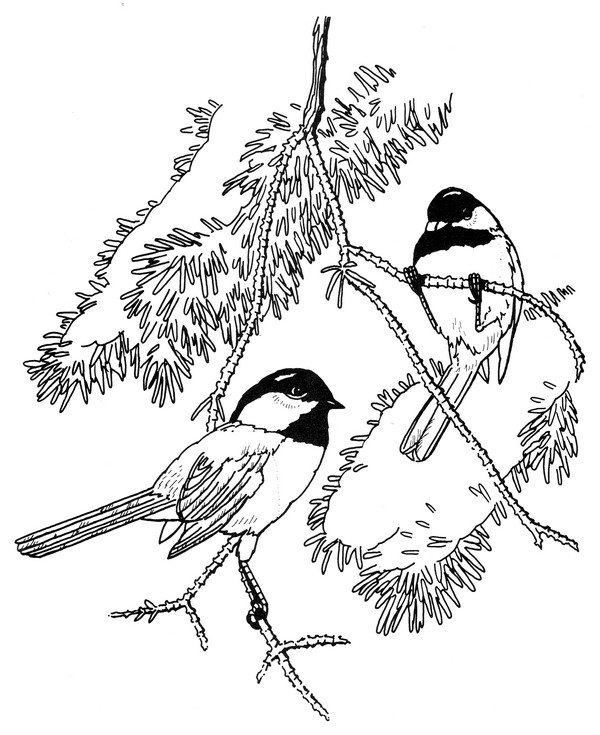
Posted by RichardB | Filed under Coloring Pages
≈ Comments Off on Chickadee Coloring Page
20 Friday May 2022
Posted in cats
≈ Comments Off on Why Do Cats Miaow? | Cats Uncovered | BBC
19 Thursday May 2022
18 Wednesday May 2022
Posted in Dance Movement Therapy, Movement, YouTube
≈ Comments Off on Movement therapy helps young kids
Tags
health, kids, movement therapy, Psychotherapy, therapy, wellness
16 Monday May 2022
Posted in Music
≈ Comments Off on Top Songs I listened to in 2021: Feels Like the Last Time · Lake Street Dive
Tags
15 Sunday May 2022
14 Saturday May 2022

Posted by RichardB | Filed under Coloring Pages
≈ Comments Off on Colorado Hairstreak Coloring Page


 RichardbBrunner