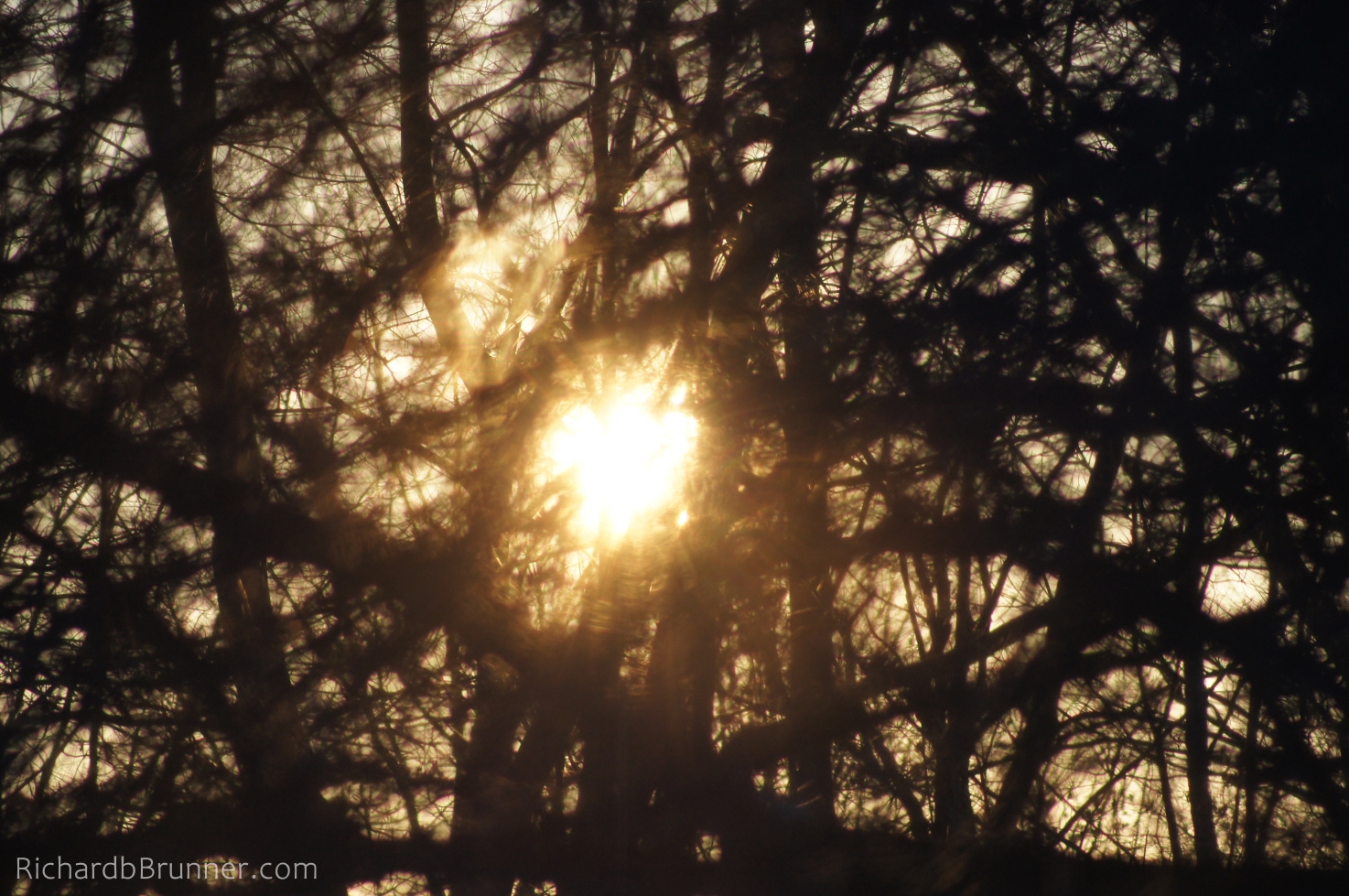
Sun blur
28 Tuesday Dec 2021
Posted in My Photos
≈ Comments Off on Sun blur

28 Tuesday Dec 2021
Posted in My Photos
≈ Comments Off on Sun blur
27 Monday Dec 2021
26 Sunday Dec 2021
25 Saturday Dec 2021
Posted in Uncategorized
≈ Comments Off on Santa Claws
Santa Claws: The rotund huckster of retail excess and elfin slavery who punishes reindeer with Eurocentric names and whips them into a flying frenzy . Lewis black

24 Friday Dec 2021
23 Thursday Dec 2021
Posted in My Photos, Uncategorized
≈ Comments Off on Feeder 3
22 Wednesday Dec 2021
Posted in Dance Movement Therapy
≈ Comments Off on Authentic movement
Authentic Movement, a process of moving one’s feelings and thoughts was originally called Movement in Depth by Dance Movement Therapy pioneer Mary Starks Whitehouse. Authentic movement grew from Whitehouse’s roots in dance, Jungian studies, and work in dance/movement therapy. Building on Jung’s method of active imagination, she saw symbolic meaning in physical action.
Authentic movement enables a direct connection to the depths of the unconscious, accessing the rich resources of intuitive wisdom expressed through the embodied word, image, sensation and of course movement.
For me authentic movement is connecting with the deep internal well of the self, the sub-consciousness. Drawing slowly one bucket at a time, of feelings, thoughts, and sensations – than pouring them out, to the external, sometimes a few drops, sometimes a cup full, on occasion a whole bucket at a time, washed over the movement floor.
How does a feeling move me? What body part has an urge to move? What thought moves me and what body part has an urge to move from that thought? How does one sensation (physical, emotional, mental) and one body part moving form/transform into a pattern of movement and a pattern of sensation?
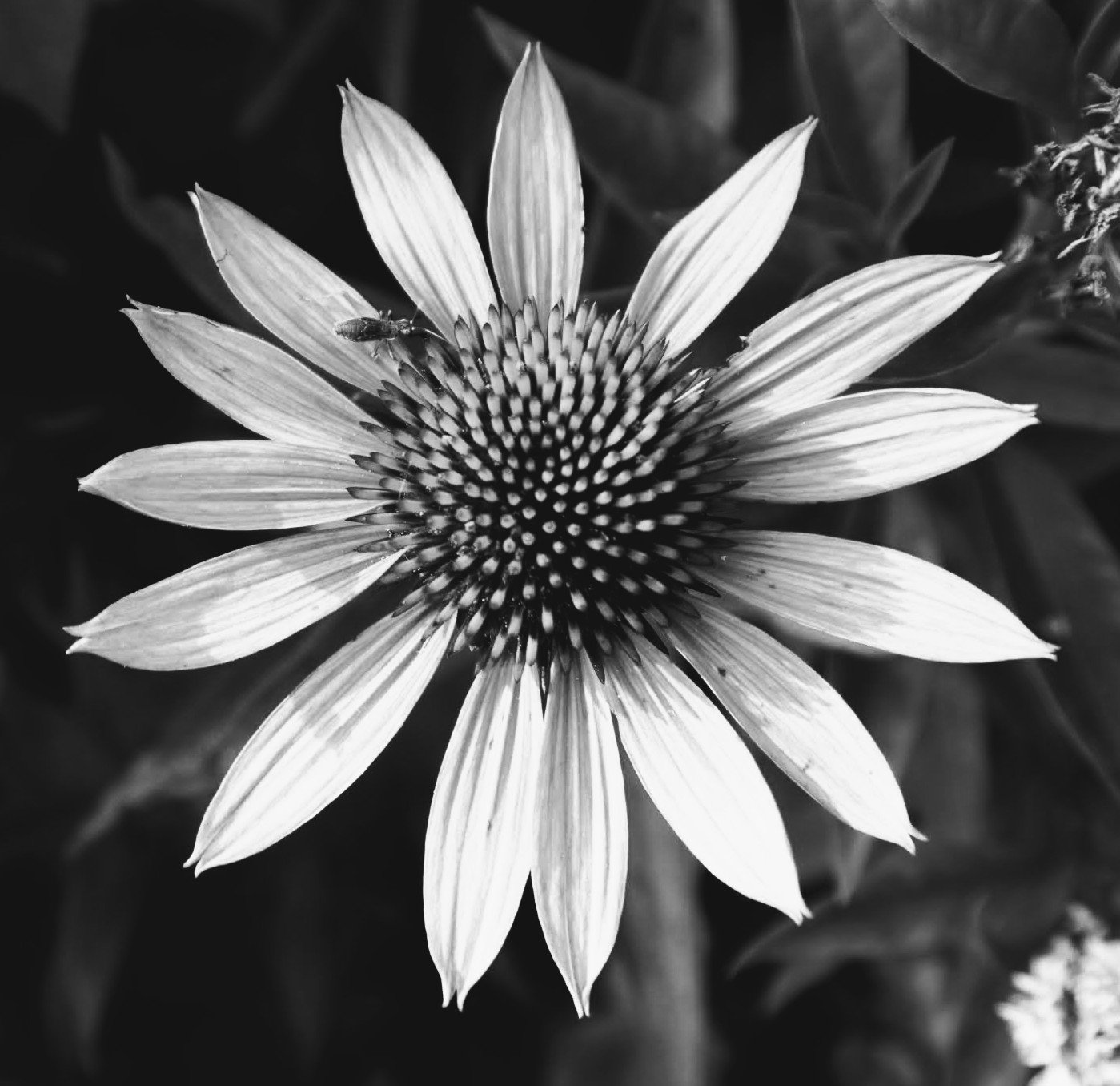
These questions are a part of the authentic movement experience for me and they don’t arise while moving but are answered nevertheless by the process.
I sit with my eyes closed, noticing my breath, noticing contractions and expansions in my body. Noticing discomfort and comfort, and then reconnecting with my breath. The mind/thinking creates images and thought patterns in response to the bodily sensations. The body begins to create movement in response to feelings and thought sensations. Letting it happen without censoring, without wondering why or where it is coming from. It just happens.
Moving with the eyes closed in my own internal space, bringing the interior to the exterior, the internal to the external. Using a minimum of sound/words (or none at all); connecting with the floor, walls, ceiling, and air; with the very molecules themselves.
Taking the internal to the external and taking that external even further by sensing others in the room, closer, further; the sound of their breath, of their movement. Perhaps even a touch, and more touch, and less touch. Trying effortlessly to maintain the self (the internal to the external) without being swayed by the connection with another. Trying effortlessly to maintain the self while connecting with the space, the walls, floor, air, molecules.
21 Tuesday Dec 2021
Posted in My Photos
≈ Comments Off on Sunset
20 Monday Dec 2021
Tags
19 Sunday Dec 2021
18 Saturday Dec 2021
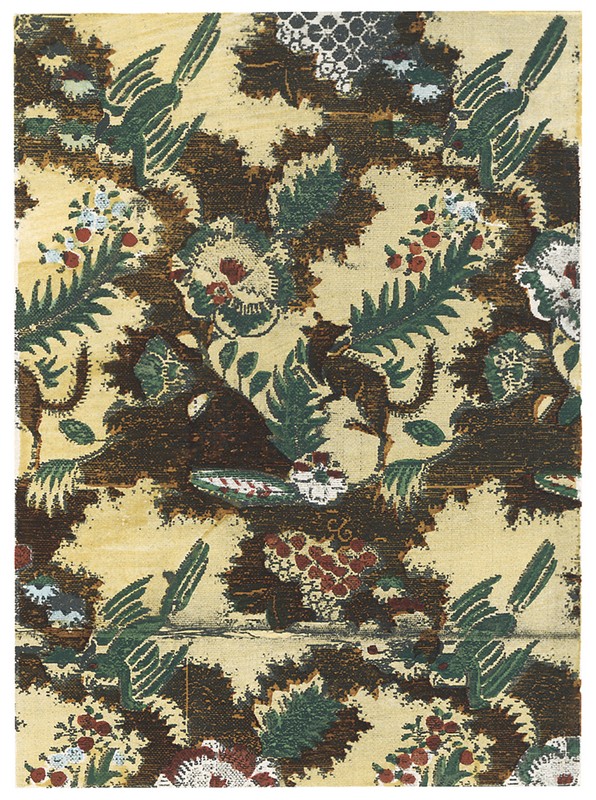
Posted by RichardB | Filed under Japanese Textile Designs
≈ Comments Off on Japanese Textile Designs 83
16 Thursday Dec 2021
Posted in My Photos, Uncategorized
≈ Comments Off on Feeder
15 Wednesday Dec 2021
Posted in Health and wellness, Research
≈ Comments Off on Narrative Medicine
From Wikipedia: Narrative medicine is a medical approach that utilizes people’s narratives in clinical practice, research, and education as a way to promote healing. It aims to address the relational and psychological dimensions that occur in tandem with physical illness, with an attempt to deal with the individual stories of patients. In doing this, narrative medicine aims not only to validate the experience of the patient, but also to encourage creativity and self-reflection in the physician.

Excerpt below from Philosophy, Ethics, and Humanities in Medicine: Exploring perception and usage of narrative medicine by physician specialty: a qualitative analysis.
Background
Narrative medicine is a well-recognized and respected approach to care. It is now found in medical school curricula and widely implemented in practice. However, there has been no analysis of the perception and usage of narrative medicine across different medical specialties and whether there may be unique recommendations for implementation based upon specialty. The aims of this study were to explore these gaps in research.
Fifteen senior physicians who specialize in internal medicine, pediatrics, or surgery (5 physicians from each specialty) were interviewed in a semi-structured format about the utilization, benefits, drawbacks (i.e., negative consequences), and roles pertaining to narrative medicine. Qualitative content analysis of each interview was then performed.
Excerpt from : Exploring perception and usage of narrative medicine by physician specialty: a qualitative analysis.
14 Tuesday Dec 2021
13 Monday Dec 2021
Posted in Music
≈ Comments Off on Ibeyi – Away Away
12 Sunday Dec 2021
11 Saturday Dec 2021
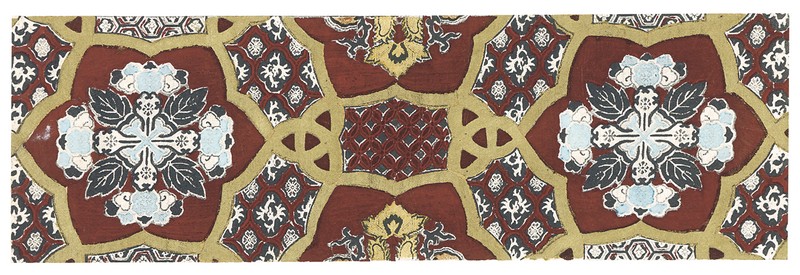
Posted by RichardB | Filed under Japanese Textile Designs
≈ Comments Off on Japanese Textile Designs 88
10 Friday Dec 2021
Posted in Research, Uncategorized
≈ Comments Off on Human Skin Color
Tags
09 Thursday Dec 2021
Posted in photo
≈ Comments Off on one
Tags
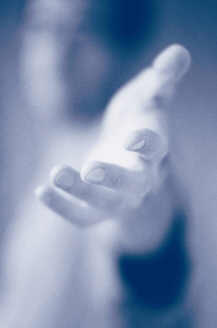
I am only one, but still I am one. I cannot do everything, but still I can do something; and because I cannot do everything, I will not refuse to do something I can do. Edward Everett Hale
08 Wednesday Dec 2021
Posted in Dance Movement Therapy
≈ Comments Off on A Child’s View of Sensory Processing





 RichardbBrunner