
Posted by RichardB | Filed under Creative Therapy Tools
≈ Comments Off on Happy Dogs !!

25 Wednesday Dec 2019
24 Tuesday Dec 2019
Posted in creative, Creativity, Health, Intuition
≈ Comments Off on The Creative Life and Well-Being

See more at: http://www.creativitypost.com/psychology/the_creative_life_and_well_being
23 Monday Dec 2019
Posted in article, Meditation, mindfulness
≈ Comments Off on Gene expression changes with meditation
Tags
With evidence growing that meditation can have beneficial health effects, scientists have sought to understand how these practices physically affect the body.
A new study by researchers in Wisconsin, Spain, and France reports the first evidence of specific molecular changes in the body following a period of mindfulness meditation. The study investigated the effects of a day of intensive mindfulness practice in a group of experienced meditators, compared to a group of untrained control subjects who engaged in quiet non-meditative activities. After eight hours of mindfulness practice, the meditators showed a range of genetic and molecular differences, including altered levels of gene-regulating machinery and reduced levels of pro-inflammatory genes, which in turn correlated with faster physical recovery from a stressful situation.
“To the best of our knowledge, this is the first paper that shows rapid alterations in gene expression within subjects associated with mindfulness meditation practice,” says study author Richard J. Davidson, founder of the Center for Investigating Healthy Minds and the William James and Vilas Professor of Psychology and Psychiatry at the University of Wisconsin-Madison.
“Most interestingly, the changes were observed in genes that are the current targets of anti-inflammatory and analgesic drugs,” says Perla Kaliman, first author of the article and a researcher at the Institute of Biomedical Research of Barcelona, Spain (IIBB-CSIC-IDIBAPS), where the molecular analyses were conducted.
The study was published in the journal Psychoneuroendocrinology.
Mindfulness-based trainings have shown beneficial effects on inflammatory disorders in prior clinical studies. The new results provide a possible biological mechanism for therapeutic effects.
The results show a down-regulation of genes that have been implicated in inflammation. The affected genes include the pro-inflammatory genes RIPK2 and COX2 as well as several histone deacetylase (HDAC) genes, which regulate the activity of other genes epigenetically by removing a type of chemical tag. What’s more, the extent to which some of those genes were downregulated was associated with faster cortisol recovery to a social stress test involving an impromptu speech and tasks requiring mental calculations performed in front of an audience and video camera.
Perhaps surprisingly, the researchers say, there was no difference in the tested genes between the two groups of people at the start of the study. The observed effects were seen only in the meditators following mindfulness practice. In addition, several other DNA-modifying genes showed no differences between groups, suggesting that the mindfulness practice specifically affected certain regulatory pathways.
However, it is important to note that the study was not designed to distinguish any effects of long-term meditation training from those of a single day of practice. Instead, the key result is that meditators experienced genetic changes following mindfulness practice that were not seen in the non-meditating group after other quiet activities — an outcome providing proof of principle that mindfulness practice can lead to epigenetic alterations of the genome.
Previous studies in rodents and in people have shown dynamic epigenetic responses to physical stimuli such as stress, diet, or exercise within just a few hours.
“Our genes are quite dynamic in their expression and these results suggest that the calmness of our mind can actually have a potential influence on their expression,” Davidson says.
“The regulation of HDACs and inflammatory pathways may represent some of the mechanisms underlying the therapeutic potential of mindfulness-based interventions,” Kaliman says. “Our findings set the foundation for future studies to further assess meditation strategies for the treatment of chronic inflammatory conditions.”
Study funding came from National Center for Complementary and Alternative Medicine (grant number P01-AT004952) and grants from the Fetzer Institute, the John Templeton Foundation, and an anonymous donor to Davidson. The study was conducted at the Center for Investigating Healthy Minds at the UW-Madison Waisman Center.
Journal Reference:
Perla Kaliman, María Jesús Álvarez-López, Marta Cosín-Tomás, Melissa A. Rosenkranz, Antoine Lutz, Richard J. Davidson. Rapid changes in histone deacetylases and inflammatory gene expression in expert meditators.Psychoneuroendocrinology, 2014; 40: 96 DOI: 10.1016/j.psyneuen.2013.11.004
23 Monday Dec 2019
Tags
21 Saturday Dec 2019

Posted by RichardB | Filed under Seguy Art Deco Designs
≈ Comments Off on Seguy Art Deco Designs 115
21 Saturday Dec 2019

Posted by RichardB | Filed under Coloring Pages
≈ Comments Off on Cedar Waxwing Coloring Page
20 Friday Dec 2019
Tags
“You must learn from the mistakes of others. You can’t possibly live long enough to make them all yourself.” Sam Levenson

20 Friday Dec 2019
Posted in photo, quote, Richard Rohr
≈ Comments Off on ourselves
Tags
“We do not think ourselves into new ways of living, we live ourselves into new ways of thinking.” Richard Rohr

19 Thursday Dec 2019
Posted in grounding, Handout, Health, mental health, Psychoeducation, Therapy
≈ Comments Off on Grounding
Grounding Techniques are activities you use when you feel overwhelmed by feelings, thoughts, sensations. These techniques help a person move their focus away from what is overwhelming them to something else. That something else is preferable healthy and supportive to their wellbeing. Below is a list that clients and patients have mentioned over the years of things they do that help them ground.
18 Wednesday Dec 2019
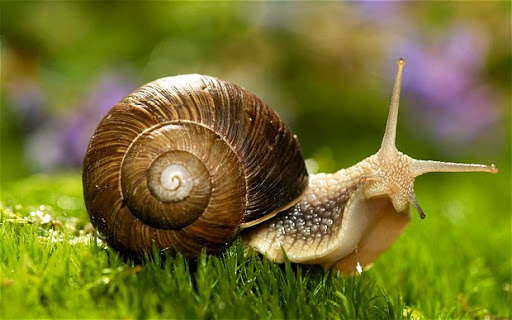
researchers examined whether simply walking could temporarily improve some types of thinking, such as free-flowing thought compared to focused concentration. “Asking someone to take a 30-minute run to improve creativity at work would be an unpopular prescription for many people,” Schwartz said. “We wanted to see if a simple walk might lead to more free-flowing thoughts and more creativity.”

18 Wednesday Dec 2019
Posted in Depression, mindfulness, practice, YouTube
≈ Comments Off on The mindful way through depression
Tags
17 Tuesday Dec 2019
Posted in Uncategorized
≈ Comments Off on Research as a graphic novel
Research as a graphic novel or is it a graphic novel as research. Interesting article from The London School of Economics Impact of Social Sciences blog.
What would be a novel way of engaging people more people with research findings? Academics are wondering if traditional journal articles are still fit for purpose or if an injection of creativity is needed. Go to original post here.

16 Monday Dec 2019
Posted in Meditation, mindfulness, Wellness, YouTube
≈ Comments Off on TEDx:The Practice of Mindfulness
Tags
Former Buddhist nun Diana Winston is the director of Mindfulness Education at UCLA Mindful Awareness Center, and the author of several books on mindfulness and meditation. With more than 20 years in the study and practice of mindfulness, Diana explains how routinely taking the time to be in the moment can have a profound impact on our everyday lives and relationships.
16 Monday Dec 2019
Posted in Music
≈ Comments Off on Lou Doillon – Nothings
Tags
14 Saturday Dec 2019
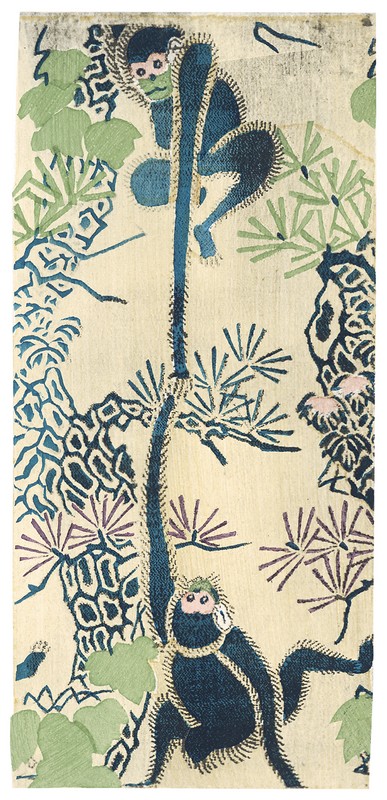
Posted by RichardB | Filed under Japanese Textile Designs
≈ Comments Off on Japanese Textile Designs 131
14 Saturday Dec 2019
13 Friday Dec 2019
Posted in Uncategorized
≈ Comments Off on our food
Mother Nature clearly intended for us to get our food from the “patty” group, which includes hamburgers, fish sticks, and McNuggets- foods that have had all of their organs safely removed. Dave Barry

Photo by Valeria Boltneva on Pexels.com
13 Friday Dec 2019
Tags
“You must learn from the mistakes of others. You can’t possibly live long enough to make them all yourself.” Sam Levenson

12 Thursday Dec 2019
Posted in Handout
Tags
In my years f doing groups I have on occasion facilitated men only groups. One issue that comes up is depression. We all have bouts of sadness now and then and when those bouts of sadness interfere with our daily lives than we need to take a step in the direction of change. Below is a handout I often use, particularly with dual diagnosed men.

Symptoms of Depression
Not everyone who is depressed or manic experiences every symptom. Some people experience only a few; some people suffer many. The severity of symptoms varies among individuals and also over time.
· Persistent sad, anxious, or “empty” mood.
· Feelings of hopelessness or pessimism.
· Feelings of guilt, worthlessness, or helplessness.
· Loss of interest or pleasure in hobbies and activities that were once enjoyable
· Decreased energy, fatigue; feeling “slowed down.”
· Difficulty concentrating, remembering, or making decisions.
· Trouble sleeping, early-morning awakening, or oversleeping.
· Changes in appetite and/or weight.
· Thoughts of death or suicide, or suicide attempts.
· Restlessness or irritability.
· Persistent physical symptoms, such as headaches, digestive disorders, and chronic pain that do not respond to routine treatment.
Co-Occurrence of Depression with Other Illnesses
Depression can coexist with other illnesses. In such cases, it is important that the depression and each co-occurring illness be appropriately diagnosed and treated. Research has shown that anxiety disorders which include post-traumatic stress disorder (PTSD), obsessive-compulsive disorder, panic disorder, social phobia, and generalized anxiety disorder commonly accompany depression.
Substance use disorders (abuse or dependence) also frequently co-occur with depressive disorders. Research has revealed that people with drug and/or alcohol addiction are almost twice as likely to experience depression.
Depression has been found to occur at a higher rate among people who have other serious illnesses such as heart disease, stroke, cancer, HIV, diabetes, and Parkinson’s.
Causes of Depression
Very often, a combination of cognitive, genetic, and environmental factors is involved in the onset of depression. Modern brain-imaging technologies reveal that, in depression, neural circuits responsible for the regulation of moods, thinking, sleep, appetite, and behavior fail to function properly.
In some families, depressive disorders seem to occur generation after generation; however, they can also occur in people with no family history of these illnesses. Genetics research indicates that risk for depression results from the influence of specific multiple genes acting together with non-genetic factors.
Environmental factors such as trauma, loss of a loved one, a difficult relationship, financial problem, or any stressful change in life patterns, whether the change is unwelcome or desired, can trigger a depressive episode in vulnerable individuals. Once someone experiences a bout of depression later episodes of depression may occur without an obvious cause.
Men and Depression
Men are more likely than women to report alcohol and drug abuse or dependence in their lifetime; however, there is debate among researchers as to whether substance use is a “symptom” of underlying depression in men or a co-occurring condition that more commonly develops in men. Nevertheless, substance use can mask depression, making it harder to recognize depression as a separate illness that needs treatment.
Instead of acknowledging their feelings, asking for help, or seeking appropriate treatment, men may turn to alcohol or drugs when they are depressed, or become frustrated, discouraged, angry, irritable, and, sometimes, violently abusive. Some men deal with depression by throwing themselves compulsively into their work, attempting to hide their depression from themselves, family, and friends. Other men may respond to depression by engaging in reckless behavior, taking risks, and putting themselves in harm’s way.
How to Help Yourself if You Are Depressed
Depressive disorders can make one feel exhausted, worthless, helpless, and hopeless. It is important to realize that these negative views are part of the depression and do not accurately reflect the actual circumstances. Negative thinking fades as treatment begins to take effect. In the meantime:

11 Wednesday Dec 2019
Finding happiness in the everyday and mundane is a challenge and really easy, at the same time. It has to do with how you see yourself and world around you. Below is a panel discussion by ‘experts’, which is funny in itself.
2013 Stanford University Roundtable: Are You Happy Now?
Streamed live on Oct 18, 2013
The talking starts at 13:00 minutes in. The science of happiness is a growing and intriguing field. Research about what truly makes people happy is not only surprising, but applicable no matter how much money we make or where we live. Join moderator Katie Couric and a panel of experts in psychology, business, neuroscience and design for a Roundtable discussion about the happiness and sense of wellbeing that elude so many, but are sought by all.

 RichardbBrunner