Tags
It takes two to lie. One to lie and one to listen. Matt Groening

06 Saturday Apr 2019
Posted in Creative Therapy Tools
≈ Comments Off on 2 lie
Tags
It takes two to lie. One to lie and one to listen. Matt Groening
06 Saturday Apr 2019
Posted in History
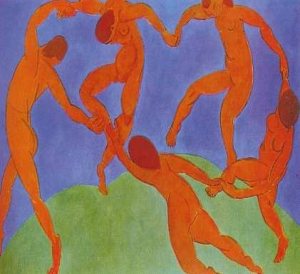
≈ Comments Off on Waldeen and the Americas
Tags
05 Friday Apr 2019
Posted in Nietzsche, Uncategorized
≈ Comments Off on Our treasure
Our treasure lies in the beehive of our knowledge. We are perpetually on the way thither, being by nature winged insects and honey gatherers of the mind. Friedrich Nietzsche

05 Friday Apr 2019
Posted in dogs
≈ Comments Off on Nonverbal communication with Pets
Nonverbal communication is a gift that all living beings share, one you’ll need to reawaken to better interact with and care for your animal companions. Most dog and cat lovers already understand canine and feline body language, which is one non-verbal technique. But you can use your other, natural, nonverbal communication skills, and actually begin to see things through your dog or cat’s eyes, and become his/her voice. 
You can learn animal communication by taking a class or reading some of the great books available today on the subject. But many of the basics are so simple that we can easily begin nonverbally communicating right away. Remember, long before humans had spoken language, we were able to communicate among ourselves and with the animals; it is a kind of heart to heart communication skill that we all possess.
Did you ever know a set of twins who said they each knew what the other was thinking, or you heard your mother say she had “woman’s intuition” or “just knew something was wrong.” Have you ever had an image of a friend come to mind and then received a phone call from that very person saying, “I was just thinking about you and wanted to say hello”? These are all examples of nonverbal communication.
04 Thursday Apr 2019
03 Wednesday Apr 2019
Posted in Meditation, mindfulness, pain management, Relaxation, Research
≈ Comments Off on Meditation and Pain management
Tags
According to a new study, mindfulness meditation exhibited even stronger physical pain reductions than morphine, says the study’s lead investigator
Open any magazine and you’ll find that mindfulness has gone mainstream. You’ll also notice there are studies that purport to show meditation’s benefits on just about everything, from kids’ math scores and migraine length to HIV management and bouncing back after a crisis. Now, an elaborate new forthcoming study looks at how the brains of meditators respond to pain, to be published in the Journal of Neuroscience.
 Dr. Fadel Zeidan, assistant professor of neurobiology and anatomy at Wake Forest Baptist Medical Center, has studied mindfulness for 15 years and has observed improved health outcomes as a result. “But what if this is all just a placebo?” he wondered. “What if people are reporting improvements in health and reductions in pain just because of meditation’s reputation as a health-promoting practice?” He wanted to find out, so he designed a trials that included a placebo group.
Zeidan recruited 75 healthy, pain-free people and scanned their brains using an MRI while they experienced painful heat with a 120-degree thermal probe. Then, the researchers sorted them into four groups and gave them four days of training. Everyone thought they were getting the real intervention, but most of them were getting a sham treatment.
“I want to be restrained about the efficacy of mindfulness, and the way to be restrained about it is by making it harder and harder to demonstrate its effectiveness,” Zeidan says.
First, there was a placebo cream group that participants were told reduces pain over time, Zeidan says (it was really just petroleum jelly). For four days, they rubbed it on the back of their leg and tested it against that painfully hot thermal probe. Little did they know, the researchers cranked down the heat each day; the participants thought the cream was working.
Another group was taught a kind of fake mindfulness meditation—they were told to breathe deeply for 20 minutes but were given no instructions on how to do it mindfully. The control group was subjected to 20 minutes of a very boring book on tape: The Natural History and Antiquities of Selborne.
For the real intervention, people sat for 20 minutes with straight posture, closed their eyes and listened to specific instructions about where to focus one’s attention and how to let thoughts and emotions pass without judgment. “Our subjects are taught to focus on the changing sensations of breath and to follow the breath with the mind’s eye as it goes down the chest and abdomen,” Zeidan says.
After four days, everyone re-entered the MRI machine and endured the same pain from the 120-degree probe. They were told to use their training—breathing deeply, mindfully meditating or the cream. They used a lever to indicate the physical intensity and emotional unpleasantness of the pain.
They found that people in all of the groups had greater pain reductions than the control group. The placebo cream reduced the sensation of pain by an average of 11% and emotional unpleasantness of pain by 13%. For the sham mindfulness group, those numbers were 9% and 24% respectively. But mindfulness meditation outperformed them all. In this group, pain intensity was cut by 27% and emotional pain reduced by 44%.
That shocked Zeidan. Past research has indicated that the opioid morphine reduces physical pain by 22%—and mindfulness had surpassed even that. But the MRI results, which showed how pain was registering in their brains, surprised him even more. People who had practiced mindfulness meditation seemed to be using different brain regions than the other groups to reduce pain.
“There was something more active, we believe, going on with the genuine mindfulness meditation group,” Zeidan says. This group had increased activation in higher-order brain regions associated with attention control and enhanced cognitive control, he says, while exhibiting a deactivation of the thalamus—a structure that acts as the gatekeeper for pain to enter the brain, he explains. “We haven’t seen that with any other technique before.”
It’s an important preliminary study, Zeidan says, but exactly who will benefit from meditation’s impact on pain is still unknown. “We’re now at the stage, at least in my lab, where we have enough evidence that meditation reduces pain and it does it in a really unique fashion, different from any other technique we’ve seen,” he says.
And as for the questions left unanswered? “We don’t have the studies yet,” he says, “but we’re getting there.”
03 Wednesday Apr 2019
Posted in Anxiety, grounding, Handout, mental health, Psychoeducation, Relaxation, Stress, Wellness
If your methods of coping with stress aren’t contributing to your greater emotional and physical health, it’s time to find healthier ones. There are many healthy ways to manage and cope with stress, but they all require change. You can either change the situation or change your reaction. When deciding which option to choose, it’s helpful to think of the four As: avoid, alter, adapt, or accept.
Since everyone has a unique response to stress, there is no “one size fits all” solution to managing it. No single method works for everyone or in every situation, so experiment with different techniques and strategies. Focus on what makes you feel calm and in control.
Dealing with Stressful Situations: The Four A’s
| Change the situation:
Avoid the stressor. Alter the stressor. |
Change your reaction:
Adapt to the stressor. Accept the stressor. |
1. Avoid unnecessary stress
Not all stress can be avoided, and it’s not healthy to avoid a situation that needs to be addressed.
Learn how to say “no” – Know your limits and stick to them.
Avoid people who stress you out –Limit the amount of time you spend with people that cause you stress.
Take control of your environment – If the evening news makes you anxious, turn the TV off.
Avoid hot-button topics –If you repeatedly argue about the same subject with the same people, stop bringing it up or excuse yourself when it’s the topic of discussion.
Pare down your to-do list –If you’ve got too much on your plate, distinguish between the “shoulds” and the “musts.”
2. Alter the situation
If you can’t avoid a stressful situation, try to alter it. Figure out what you can do to change things so the problem doesn’t present itself in the future.
Express your feelings instead of bottling them up. If something or someone is bothering you, communicate your concerns in an open and respectful way.
Be willing to compromise. When you ask someone to change their behavior, be willing to do the same.
Be more assertive. Deal with problems head on, doing your best to anticipate and prevent them.
Manage your time better. Plan ahead and make sure you don’t overextend yourself.
3. Adapt to the stressor
If you can’t change the stressor, change yourself. You can adapt to stressful situations and regain your sense of control by changing your expectations and attitude.
Reframe problems. Try to view stressful situations from a more positive perspective.
Look at the big picture. Will it matter in a month, or a year?
Adjust your standards. Set reasonable standards for yourself and others, and learn to be okay with “good enough.”
Focus on the positive. When stress is getting you down, take a moment to reflect on all the things you appreciate in your life, including your own positive qualities and gifts.
4. Accept what you can’t change
Some sources of stress are unavoidable, in such cases; the best way to cope with stress is to accept things as they are. Acceptance may be difficult, but in the long run, it’s easier than railing against a situation you can’t change.
Don’t try to control the uncontrollable. Focus on the things you can control such as the way you choose to react to problems.
Look for the upside. As the saying goes, “What doesn’t kill us makes us stronger.” When facing major challenges, try to look at them as opportunities for personal growth.
Share your feelings. Talk to a trusted friend or make an appointment with a therapist.
Learn to forgive. Accept the fact that we live in an imperfect world and that people make mistakes.
5. Make time for fun & relaxation
You can reduce stress in your life by nurturing yourself. If you regularly make time for healthy fun and relaxation, you’ll be in a better place to handle life’s stressors.
Healthy ways to relax and recharge
| Go for a walk.
Spend time in nature. Call a good friend. Exercise. Write in your journal. Take a long bath. Light scented candles |
Play with a pet.
Work in your garden. Get a massage. Curl up with a good book. Listen to music. Watch a comedy |
Nurturing yourself is a necessity, not a luxury.
Set aside relaxation time. Include rest and relaxation in your daily schedule..
Connect with others. Spend time with positive people who enhance your life.
Do something you enjoy every day. Make time for leisure activities that bring you joy, whether it be stargazing, playing the piano, or working on your bike.
Keep your sense of humor. This includes the ability to laugh at yourself.
6. Adopt a healthy lifestyle
You can increase your resistance to stress by strengthening your physical health.
Exercise regularly. Physical activity plays a key role in reducing and preventing the effects of stress.
Eat a healthy diet. Well-nourished bodies are better prepared to cope with stress, so be mindful of what you eat.
Reduce caffeine and sugar. The temporary “highs” caffeine and sugar provide often end in with a crash in mood and energy. By reducing the amount of coffee, soft drinks, chocolate, and sugar snacks in your diet, you’ll feel more relaxed and you’ll sleep better.
Avoid alcohol, cigarettes, and drugs. Self-medicating with alcohol or drugs may provide an easy escape from stress, but the relief is only temporary.
Get enough sleep. Adequate sleep fuels your mind, as well as your body. Feeling tired will increase your stress because it may cause you to think irrationally.
02 Tuesday Apr 2019
Posted in Uncategorized
Interesting article:
Source: BPS Research Digest: Images of ultra-thin models need your attention to make you feel bad
We all know that fashion models have unrealistic bodies. Even if they aren’t photoshopped, most of us could never be that thin, at least not without making ourselves ill. Previous research has suggested that viewing pictures of unrealistically thin female models makes young women feel bad – leaving them dissatisfied with their own bodies, more sad, angry and insecure.
A crucial question is whether the effect of these thin-ideal images is automatic. Does the comparison to the models, which is thought to be the key driver in their negative effects, happen without our intention, attention or both? Knowing the answer will tell us just how much power these images have, and also how best we might protect ourselves from them.
01 Monday Apr 2019
01 Monday Apr 2019

31 Sunday Mar 2019
30 Saturday Mar 2019
Posted in culture, discovery, Environment, History
≈ Comments Off on Icelandic elves
From the BBC: Plans to build a new road in Iceland ran into trouble recently when campaigners warned that it would disturb elves living in its path. Construction work had to be stopped while a solution was found.
From his desk at the Icelandic highways department in Reykjavik, Petur Matthiasson smiles at me warmly from behind his glasses, but firmly.
“Let’s get this straight before we start – I do not believe in elves,” he says.
I raise my eyebrows slightly and incline my head towards his computer screen which is displaying the plans for a new road in a neighboring town. There are two yellow circles marked on the plans, one that reads Elf Church and another that reads Elf Chapel. Petur sighs.
“Ok,” he acknowledges wearily. “But it’s not every day in Iceland that we divert roads for elves. It’s just in this case we were warned that elves were living in some of the rocks in the path of the road – well, we have to respect that belief.” He grins shyly and picks up his car keys. 
“Come on, I’ll show you where the elves live,” he says indulgently. Read More here
29 Friday Mar 2019
Tags
Rutu Modan, an illustrator and comic book creator, is a chosen artist of the Israel Cultural Excellence Foundation. She has done comic strips for the Israeli newpapers Yedioth Acharonot and Ma’ariv and illustrations for The New Yorker, Le Monde, The New York Times and many other publications. Her first graphic novel, Exit Wounds, has been published. Ms. Modan, usually based in Tel Aviv, is currently in Sheffield, England.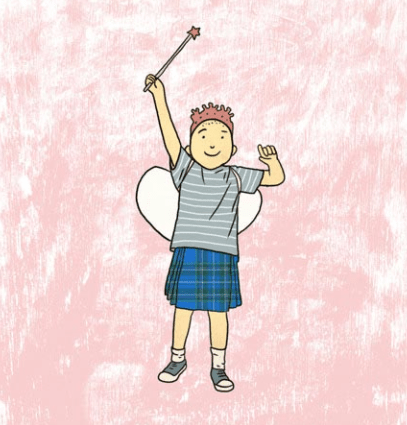
28 Thursday Mar 2019
Tags
Another world is not only possible, she is on her way. On a quiet day, I can hear her breathing. Arundhati Roy

27 Wednesday Mar 2019
Posted in create
≈ Comments Off on Injury
Currently recovering from an injury and will start posting again in a week or so.

27 Wednesday Mar 2019
Posted in Depression, mental health, research, Uncategorized
≈ Comments Off on Depression and the inflammatory process
Tags
Most people feel down, tired and inactive when they’re injured or ill. This “sickness behavior” is caused by the activation of the body’s immune response. It’s the brain’s way of conserving energy so the body can heal.
This immune response can also occur in people with depression. This has prompted some researchers and clinicians to hypothesise that depression is actually a side effect of the inflammatory process.
But while there may be a connection between inflammation and depression, one doesn’t necessarily lead to the other. So it’s too simplistic to say depression is a physical, rather than a psychiatric, illness.
University of California clinical psychologist and researcher George Slavich is one of the key recent proponents of depression as a physical illness. He hypothesises that social threats and adversity trigger the production of pro-inflammatory “cytokines”. These are messenger molecules of the immune system that play a critical role in orchestrating the host’s response to injury and infection.
This inflammatory process, Slavich argues, can initiate profound behavioral changes, including the induction of depression.
The idea that the activation of the immune response may trigger depression in some people is by no means a new one. Early descriptions of post-influenza depression appeared in the 19th century in the writings of English physician Daniel Tuke.
But it was not until the 1988 seminal paper, published by veterinarian Benjamin Hart, that the phenomenon of acute “sickness behavior” caught the interest of the scientific community.
Hart described his detailed observations of the “behavior of sick animals”. During acute infection, and in response to fever, the animals sought sleep, lost their appetite, showed a reduction in activity, grooming and social interactions, as well as showing signs of “depression”.
Just like the immune response itself, these changes reflect an evolved survival strategy that shifts priorities toward energy conservation and recovery.
Cytokine-induced sickness behavior has subsequently been studied as an example of communication between the immune system and the brain.
The behavioral changes during sickness resemble those associated with depression, so it didn’t take long for researchers to make a connection between the phenomenon of sickness behavior and mental disorders.
Such speculation was strengthened by research showing that depressive states can be experimentally induced by administering cytokines and other immunogenic agents (such as vaccines) that cause an inflammatory response.
Depression is frequently associated with inflammatory illnesses such as heart disease and rheumatoid arthritis. It’s also a side effect of treatment with cytokines to enhance the immune system.
Over recent decades, researchers have made progress in understanding how inflammation may impact on the activity of signalling pathways to and from the brain, as well as on the functioning of key neural systems involved in mood regulation.
From the available evidence it’s clear, however, that not everyone who suffers from depression has evidence of inflammation. And not all people with high levels of inflammation develop depression.
 Trajectories of depression depend on a complex interplay of a spectrum of additional risk and resilience factors, which may be present to varying degrees and in a different combination in any individual at different times. These factors include the person’s:
In line with the notion that inflammation drives depression, some researchers have already trialled the effectiveness of anti-inflammatory therapy as a treatment for depression.
While some recipients (such as those with high levels of inflammation) showed benefit from the treatment, others without increased inflammation did not. This supports the general hypothesis.
However, in our desire to find more effective treatments for depression, we should not forget that the immune response, including inflammation, has a specific purpose. It protects us from infection, disease and injury.
Cytokines act at many different levels, and often in subtle ways, to fulfill their numerous roles in the orchestration of the immune response. Undermining their vital role could have negative consequences.
The recent enthusiasm to embrace inflammation as the major culprit in psychiatric conditions ignores the reality that “depression” is not a single condition. Some depressive states, such as melancholia, are diseases; some are reactions to the environment; some are existential; and some normal.
Such separate states have differing contributions of biological, social and psychological causes. So any attempt to invoke a single all-explanatory “cause” should be rejected. Where living organisms are concerned it is almost never that simple.
In the end, we cannot escape the reality that changes must occur at the level of the brain, in regions responsible for mood regulation, for “depression” to be experienced.
26 Tuesday Mar 2019
Posted in emotions, Positive Self Talk, Wellness
≈ Comments Off on Emotional Intelligence

25 Monday Mar 2019
24 Sunday Mar 2019
23 Saturday Mar 2019
Posted in creative arts therapy
≈ Comments Off on Creative Arts Therapists
Tags
Creative Arts Therapists are human service professionals that help individuals, families, and groups improve their overall physical and mental 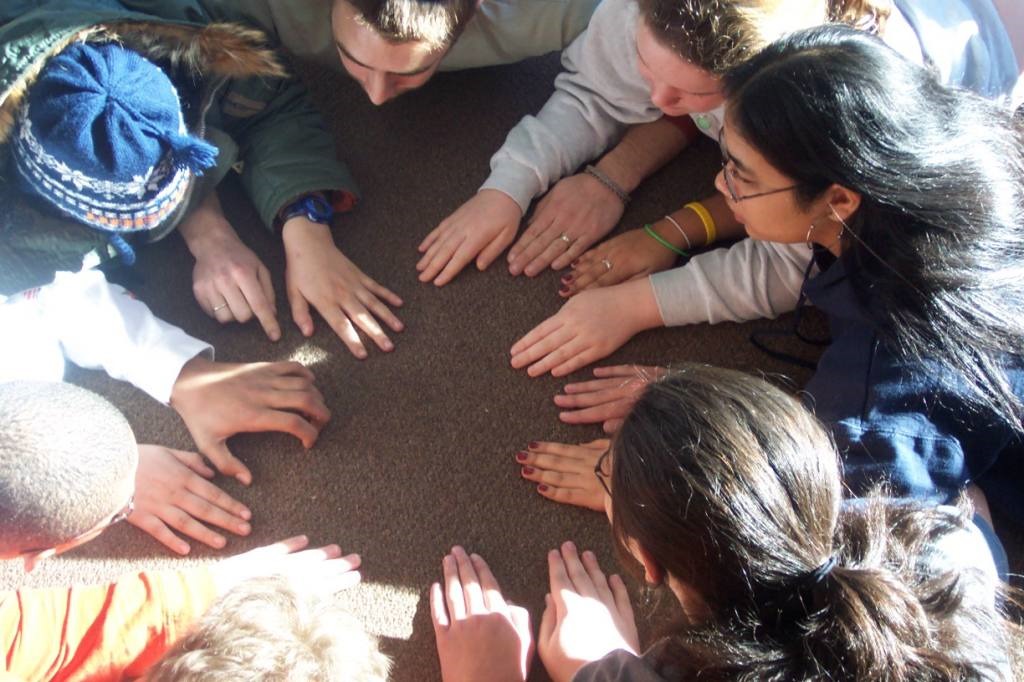 health. They apply the principles and techniques of each art form in an effort to improve communications, allow expression of feelings, improve coordination, and increase cognitive and social function. Creative arts therapists sometimes specialize in a single area such as dance and movement therapy, drama therapy, art therapy, music therapy, or poetry therapy. They begin by interviewing patients and consulting other health professional to determine the psychotherapeutic needs of the patient. They then develop and implement a customized creative arts therapy program. They observe patients and maintain accurate records so they can consult with the rest of the therapeutic team, which may include physicians, psychologists, psychiatrists, nurses, counselors, and teachers. Creative arts therapists work with a variety of patients including those with learning disorders, emotional problems, mental retardation, substance abuse/dependency, and physical disabilities. They may also be called upon to conduct scientific research and teach students and other professionals the latest therapeutic methods.
American Art Therapy Association
American Dance Therapy Association



 RichardbBrunner