Tags


17 Sunday Feb 2019
16 Saturday Feb 2019
Tags
A presentation at the United Nations North Lawn building presented statistics gathered by the Stockholm International Peace Research Institute (SIPRI) about spending on armaments and militarism. The report declared that in 2013 over 1,747 billion dollars were spent on armaments. SIPRI Director Sam Perlo Freeman pointed out that the overwhelming majority of military spending was being done by the US and its allies.
While military spending by the United States has slightly decreased, spending by strategic US aligned regimes around the world is dramatically rising. Kingdom of Saudi Arabia, which is a key US ally in the Middle East and a backer of insurgent groups in Syria, has increased its military spending by 14.8%, the largest increase of any country on earth. John Feffer of Institute for Policy Studies, one of the presenters, told Press TV, that the build-up of military spending by US aligned regimes around the world has dangerous implications and could lead to war. Presenters pointed out that military spending is rising most rapidly in the Middle East and the Pacific, and that despite recent cuts, the United States remains the main exporter of weapons and supplier of military aid. See video here.

Information from the Stockholm International Peace Research Institute.
15 Friday Feb 2019
Posted in brain, create, Creativity, YouTube
≈ Comments Off on Your brain’s creativity
Tags
15 Friday Feb 2019
Posted in Health, Relaxation, Stress, Therapy Dogs
≈ Comments Off on Therapy dogs
A therapy dog is a dog trained to provide affection and comfort to people in hospitals, retirement homes, nursing homes, schools, hospices, people with learning difficulties, and stressful situations, such as disaster areas.
Therapy dogs come in all sizes and breeds. The most important characteristic of a therapy dog is its temperament. A good therapy dog must be friendly, patient, confident, gentle, and at ease in all situations. Therapy dogs must enjoy human contact and be content to be petted and handled, sometimes clumsily.
A therapy dog’s primary job is to allow unfamiliar people to make physical contact with it and to enjoy that contact. Children in particular enjoy hugging animals; adults usually enjoy simply petting the dog. The dog might need to be lifted onto, or climb onto, an individual’s lap or bed and sit or lie comfortably there. Many dogs contribute to the visiting experience by performing small tricks for their audience or by playing carefully structured games. In hospice environments, therapy dogs can play a role in palliative care by reducing death anxiety.
14 Thursday Feb 2019
Tags
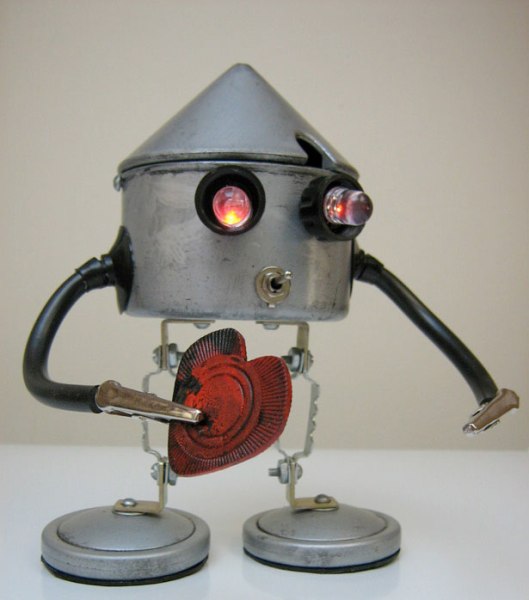
Romance is dead. It was acquired in a hostile takeover by Hallmark and Disney, homogenized, and sold off piece by piece. Matt Groening
13 Wednesday Feb 2019
Posted in Meditation, Pain
≈ Comments Off on Meditation, Hypnosis, and Relaxation for Pain Treatment
Tags
Stress and pain are intimately related. When being in pain causes stress or being stressed worsens pain, psychological therapies — including hypnosis, meditation, and relaxation — may help break the cycle.
For pain therapists, these treatments, which focus on the relationship between the mind and body, are considered mainstream. For other health professionals, they may be considered alternative or complementary therapies. Regardless of how they are labeled, there is evidence that for many people they work.
If you’re considering trying one of these approaches to pain relief, here’s what you need to know.

Hypnosis
For many, hypnosis brings to mind a parlor game or nightclub act, where a man with a swinging watch gets volunteers to walk like a chicken or bark like a dog. But clinical, or medical, hypnosis is more than fun and games. It is an altered state of awareness used by licensed therapists to treat psychological or physical problems.
During hypnosis, the conscious part of the brain is temporarily tuned out as the person focuses on relaxation and lets go of distracting thoughts. The American Society of Clinical Hypnotists likens hypnosis to using a magnifying glass to focus the rays of the sun and make them more powerful. When our minds are concentrated and focused, we are able to use them more powerfully. When hypnotized, a person may experience physiologic changes, such as a slowing of the pulse and respiration, and an increase in alpha brain waves. The person may also become more open to specific suggestions and goals, such as reducing pain. In the post-suggestion phase, the therapist reinforces continued use of the new behavior.
Benefits of Hypnosis
Research has shown medical hypnosis to be helpful for acute andchronic pain. In 1996, a panel of the National Institutes of Health found hypnosis to be effective in easing cancer pain. More recent studies have demonstrated its effectiveness for pain related to burns, cancer, and rheumatoid arthritis and reduction of anxiety associated with surgery. An analysis of 18 studies by researchers at Mount Sinai School of Medicine in New York revealed moderate to large pain-relieving effects from hypnosis, supporting the effectiveness of hypnotic techniques for pain management.
If you want to try hypnosis, you can expect to see a practitioner by yourself for a course of 1-hour or half-hour treatments, although some practitioners may start with a longer initial consultation and follow up with 10- to 15-minute appointments. Your therapist can give you a post-hypnotic suggestion that will enable you to induce self-hypnosis after the treatment course is completed.
Alternatively, audio recordings exist that walk the listener through the steps necessary to achieve the benefits from hypnosis.
To find a hypnotherapist, speak to your doctor or contact the American Society of Clinical Hypnosis.
Meditation
Meditation involves using a number of awareness techniques to help quiet the mind and relax the body. The two most common techniques are:
Benefits of Meditation
Studies suggest that meditating can increase pain tolerance, activity levels, and self-esteem and decrease anxiety, stress, depression, and use of pain medications.
Mindfulness meditation has been used successfully in programs to reduce pain and improve mood in patients with chronic pain from a variety of conditions, including headache, low back pain, chest pain, and gastrointestinal pain.
There are varied forms of meditation and training certification organizations; for example, one can get certified in mindfulness-based stress reduction (MBSR), but if you’re not sure, speak to your doctor, who may be able to recommend a good teacher or teaching facility.
To practice meditation, repeated meetings with the instructor may not be necessary. A recent study examining the perception of pain and various mental training techniques has found that relatively short and simple mindfulness meditation training can have a significant positive and long-term effect on pain.
Relaxation Therapies
Relaxation therapies include a range of techniques with the goal of reducing stress. In addition to meditation, the major types of relaxation techniques are:
Progressive muscle relaxation .Also known as systematic muscle relaxation and Jacobson relaxation, this technique involves slowly tensing, briefly holding, and then releasing each muscle group in a systematic fashion, starting with the muscles in the toes and moving upward. During this exercise, the person should notice the differences between tension and relaxation.
Autogenic training . This technique uses visual imagery and body awareness to achieve relaxation. The person imagines being in a peaceful place and then focuses on different physical sensations, such as heaviness of the limbs or a calm heartbeat. People may practice on their own, creating their own images, or be guided by a therapist. Patients may also be encouraged to see themselves coping more effectively with stressors in their lives.
Breathing. Breathing techniques teach people to breathe effectively to relieve stress. While placing one hand on the chest and another on the belly, the person is instructed to take a slow, deep breath, taking in as much air as possible. During this, the belly should press against the hand. After holding their breath for a few seconds, patients are instructed to slowly exhale.
Benefits of Relaxing
While research is ongoing, there is evidence to suggest the effectiveness of relaxation techniques for reducing chronic pain related to a variety of medical conditions, including stress-related disorders. Other benefits may include reduced muscle tension and insomnia and increased activity level.
The best way to learn relaxation techniques is with the help of a trained practitioner. Usually, these techniques are taught in a group class and then practiced regularly at home.
There is no widely accepted license for practicing relaxation therapy. However, it is often practiced by therapists and psychologists. Ask your doctor for a recommendation.
Risks of Mind-Body Therapies
Although mind/body therapies don’t have the risks of medical or surgical therapies, there have been rare reports of adverse reactions from them.
If you have poorly controlled cardiovascular disease, experts recommend avoiding progressive muscle relaxation, because abdominal tensing can cause increased pressure in the chest cavity, slowing of the pulse, decreased return of blood to the heart, and increased venous pressure.
If you have a history of psychosis or epilepsy, you may wish to speak with your doctor before trying meditation. There have been reports of some people having further acute episodes following deep and prolonged meditation.
Hypnosis or deep relaxation can sometimes worsen psychological problems in people with post-traumatic stress disorders or a susceptibility to false memories. Its use should be avoided in patients with borderline personality disorder, dissociative disorders, or with patients who have histories of profound abuse. Because competent hypnotherapists are skilled in recognizing and referring patients with these conditions, only appropriately trained and experienced practitioners should undertake hypnosis.
13 Wednesday Feb 2019
Posted in Quiet, Uncategorized
≈ Comments Off on hands
Tags
To clasp the hands in prayer is the beginning of an uprising against the disorder of the world. Karl Barth

12 Tuesday Feb 2019
Posted in Depression, TedTalks, youtube
≈ Comments Off on Why We Need to Talk About Depression | Kevin Breel | TED Talks
Tags
11 Monday Feb 2019
11 Monday Feb 2019
Posted in grounding, Handout, Meditation, mindfulness, Wellness
Tags
For most of us, a typical day begins when we get out of bed, wash, and then start our activities. At some point, we get a bite to eat, walk somewhere, and talk to someone. Often, by the end of the day we find ourselves stressed out and physically exhausted. It doesn’t have to be that way!
Everyday activities can be an opportunity for a meditation moments; bringing mindfulness, clarity, and peace into your day while energizing yourself and reducing stress.
A study published in the journal Consciousness and Cognition found: “Brief meditation training reduced fatigue, anxiety, and increased mindfulness. Moreover, brief mindfulness training significantly improved visuo-spatial processing, working memory, and executive functioning.”
These brief mindfulness meditations can be done anywhere or anytime …well using common sense. Just like you should not text and drive I would not meditate and drive either. 
Here are two examples of how to add meditation without taking time out of your schedule.
10 Sunday Feb 2019
10 Sunday Feb 2019
09 Saturday Feb 2019
Posted in bbc, Organizations, Violence, women
≈ Comments Off on Red River Women
Tags

Each year, dozens of Canadian Aboriginal women are murdered or disappear never to be seen again. Some end up in a river that runs through the heart of Winnipeg. One of them was a 15-year-old school girl called Tina Fontaine, whose body was found in August 2014.
Read about Canada’s Red River Women.
08 Friday Feb 2019
Posted in Addiction, Opioids, Pain, Research, Substance use
≈ Comments Off on Narrow Indication for Abuse-Deterrent Morphine
Tags
The latest opioid approved by FDA will be “expected” to reduce abuse by only one route — injection — in its official labeling.
In a carefully-worded press release, drugmaker Egalet said its extended-release morphine drug Arymo ER “increased resistance to cutting, crushing, grinding or breaking using a variety of tools. Due to its physical and chemical properties, Arymo ER is expected to make abuse by injection difficult.” 
In an FDA advisory committee meeting last year, participants voted that the drug could deter abuse via the oral, nasal, and intravenous routes of abuse. But there were several reasons only the intravenous route won labeling.
An FDA spokesperson told MedPage Today that MorphaBond, another morphine product, has “marketing exclusivity for labeling describing the expected reduction of abuse of single-entity, extended-release morphine by the intranasal route due to physicochemical properties.” MORE HERE
08 Friday Feb 2019
Posted in Pets
≈ Comments Off on Animals & Mental Illness
Everyone who has a pet thinks at some point that their feline/canine friend is, well … crazy. From poop in the shoes to chewed up pillows our furry buddies can sometimes cause us to react with confusion, anger, and frustration. 
Maybe you’ve had or heard about a pet cat on Prozac, or a dog that doesn’t quite seem like itself in the weeks following the death of another animal in the home. On the one hand, it’s hard not to question whether there is some owner-projection or anthropomorphism happening here. But on the other, as the BBC reports, some scientists are starting to seriously investigate the inner lives of animals, including potential signs of mental illness.
Some researchers have argued that there are observable behaviors in animals that look a lot like the behaviors in humans with certain mental illnesses: There are pet birds that pluck out their own feathers, dogs that won’t quit licking their tails or paws, and bonobos that pull out their own hair. Some military dogs that have been in combat may even show signs of PTSD, such as a dramatic change in temperament.
07 Thursday Feb 2019
Tags

I cannot say whether things will get better if we change; what I can say is that they must change if they are to get better. Georg Lichtenberg
06 Wednesday Feb 2019
Posted in creative arts therapy, photo, quote
≈ Comments Off on believe

06 Wednesday Feb 2019
Posted in Creativity, self control
≈ Comments Off on Self-control and Success
 Most of us believe that a certain amount of self-control is crucial for success. In order to succeed in the modern world, you need expertise in some area. Gaining that expertise requires work and practice. The discipline to work or practice at something means that you have to give up things that might be fun right now in order to engage in actions that will be rewarding in the future.
05 Tuesday Feb 2019
Posted in brain, Creative Art Therapy, Meditation, mindfulness, Wellness, youtube
≈ Comments Off on Applying Mindfulness-Based Cognitive Therapy to Treatment
04 Monday Feb 2019
Posted in Health, Psychoeducation, Research, Wellness
≈ Comments Off on Habits
Tags
DESPITE the best intentions for the new year, the reality is that by next month, gym memberships will lapse, chocolate will replace carrots and Candy Crush will edge out Moby Dick.
It’s not (only) that we’re undisciplined slugs. It’s that much of what we know — or think we know — about habits is wrong. Here’s a primer that might help keep you off the couch and on the treadmill.
MYTH 1 We fail to change our habits — or start good new ones — because we lack willpower.
Not really, said Wendy Wood, a professor of psychology and business at the University of Southern California. Willpower, she said, is more about looking at those yummy chocolate chip cookies and refusing them. A good habit ensures you’re rarely around those chocolate chip cookies in the first place.
To create or change a habit, you have to think much more about altering your environment and patterns of living than work on steeling your mind, Professor Wood said, because “behavior is very much a product of environment.”
Habits — at least good ones — exist so we don’t have to resist temptation all the time. Imagine if every morning you had a debate with yourself about eating cake or cereal for breakfast. Instead, most of us form the habit of eating something relatively healthy for breakfast, which bypasses the lure of the cake altogether.
That’s why it’s sometimes easiest to start or break a habit during a major transition. This may sound counterintuitive, but a new house, job or relationship breaks old patterns, said Gretchen Rubin, author of the forthcoming book, “Better Than Before: Mastering the Habits of Our Everyday Lives.”
“People say wait a few days to get settled, but don’t,” she said. “Start right away.”
MYTH 2 We fall back on bad habits when stressed. In fact, good habits persist even in times of high anxiety, Professor Wood said. A study of which Professor Wood was one of the co-authors found that students who already had unhealthy diets would eat junk food when stressed, but those who already had the habit of eating well — or of reading a newspaper or of going to the gym — were just as likely to do that.
MYTH 3 It takes about 21 days to break or make a habit.
That number seems to have cropped up in the 1960s and somehow became “fact” with no real proof. But in 2009, researchers in Britain decided to take a deeper look by studying how long it took participants to learn new habits, such as eating fruit daily or going jogging. The average was 66 days.
But individuals’ times varied greatly, from 18 days to 245 days, depending on temperament and, of course, the task involved. It will most likely take far less time to get into the habit of eating an apple every afternoon than of practicing the piano for an hour a day.
MYTH 4 You need positive thinking to break or make a habit.
“We find positive fantasy is not helpful and may even be hurtful when trying to reach a desired future or fulfill a wish,” said Gabriele Oettingen, a professor of psychology at New York University and the University of Hamburg.
Over years of research, she discovered that people need to pair optimistic daydreams about the future with identifying and imagining the obstacles that prevent them from reaching that goal — something she calls mental contrasting.
Say you want to stop being a procrastinator. The first step is easy. Imagine how it will feel if your work is completed with plenty of time to spare, if you can sleep instead of pulling an all-nighter, said Professor Oettingen, author of “Rethinking Positive Thinking.”
But don’t just resolve to stop procrastinating. The second step is to identify what holds you back from changing yourself. Is it fear that you won’t succeed? Is it the adrenaline rush of frantically working at the last minute? Is it because of negative feelings toward a boss or teacher?
The mental contrasting needs to be in the right order. It’s important to “experience our dreams, then switch gears and mentally face reality,” Professor Oettingen said.
Doing it the opposite way — imagining the obstacles and then fantasizing about changing habits — doesn’t seem to work as well, research shows.
MYTH 5 Doing things by rote, or habit, isn’t good in most cases. It’s better to be mindful of everything we do.
Research shows that most people repeat about 40 percent of their activities almost every day.
“We only have so much room in our brain,” said Ian Newby-Clark, an associate professor of psychology at the University of Guelph in Canada. “It would be incredibly taxing if we had to mindfully plan every step of our day.” Habits free us up so we can think about other things.
And while some habits are objectively bad — smoking, say, or being consistently late — most are subjective. “Habits are only good or bad to the extent they’re consistent or inconsistent with your goals,” Professor Wood of U.S.C. said. It’s a bad habit when “it starts interfering with other goals you have.”
For example, many people said their resolution this year was to cut down the time they spend online.
But why? Because it’s an inherently bad thing to do? Or is it an obstacle to spending more time reading books or riding a bike or learning to knit?
After thinking about it, you may choose to spend less time on your computer or phone. Or you might decide it’s not so terrible in limited doses and shed the habit of feeling guilty about it.
MYTH 6 Everything in moderation.
“There’s a real difference among people about how easily they adapt to habits,” Ms. Rubin said. Some see habits as liberating; some see them as a trap. Some prefer to make a huge change all at once; others proceed step by step.
“I’m in the small minority that loves habits,” Ms. Rubin said, adding that she tends to find it easier to abstain from certain things altogether. For example, she eats no carbohydrates.
“People said I was doomed to failure, but it’s not true,” she said. But, she noted, “it’s a mistake to think the abstainer is more disciplined. For me it’s easier to be an abstainer than have to deliberate each time whether I can eat something or not. Others would go nuts if they abstain.”
That’s why you shouldn’t listen to people who tell you you’re doing it wrong if it works for you, she said.
Also, people shouldn’t fear that their habit will dissolve if they don’t practice it daily.
“If you lapse once or twice, you’re not ruined,” Professor Wood said. “That’s a misconception.”
And that leads to …
MYTH 7 Shame and guilt keep you on track.
No. People need to be kinder to themselves, showing self-compassion if they lapse, Ms. Rubin said. But it’s a fine balance between treating yourself kindly and making endless rationalizations and excuses.
“I might mindfully make an exception,” she said, such as choosing to eat a traditional Christmas cake every year. “But I’m not making excuses in the moment: I’ll hurt the hostesses’ feelings. You only live once. It’s the holidays.”
One last piece of advice: If you want to be in better shape, get a dog. Professor Wood said studies show dog owners have lower body mass indexes. But here’s the catch: That’s only true if you walk the animal.



 RichardbBrunner