Tags
Little Girl Experiences Her First Rainfall
31 Thursday Dec 2020
Posted in children, Preschoolers, YouTube
≈ Comments Off on Little Girl Experiences Her First Rainfall

31 Thursday Dec 2020
Posted in children, Preschoolers, YouTube
≈ Comments Off on Little Girl Experiences Her First Rainfall
Tags
31 Thursday Dec 2020
Generation X writer Neal Pollack thought he had it all: a good writing career, a strong marriage, even a lucrative 3-day run on “Jeopardy”! That brought him national attention. Like many in his generation, he also smoked a lot of marijuana. He had discovered that food, music and even his beloved yoga was much better when he smoked. In 2014, as several states in the country legalized pot, Pollack scored a writing gig for a marijuana site that provided free weed. He saw his drug use as harmless and joked about it often in his writing. But as more states, including California, began to legalize the drug, Pollack’s life began to fall apart, in part because of his drug use. Both of his parents died and he soon found himself spiraling out of control, sometimes in public. By 2018, Pollack admitted publicly he had a marijuana addiction and set about to conquer it, through honesty . . . and humor. Pollack’s new book, Pothead, is about coming to terms with his marijuana problems just as the country increased its recreational availability. The book is a cautionary and timely tale for those who think the drug isn’t dangerous and can’t cause serious addictive problems. Join us for a special evening program as Pollack discusses his story with Los Angeles novelist Bucky Sinister.
30 Wednesday Dec 2020
Posted in African Proverb, Uncategorized
≈ Comments Off on If you want
29 Tuesday Dec 2020
Posted in Dance Movement Therapy
≈ Comments Off on Transformation of the Ordinary
Tags
ADTA, dance therapy, dmt, enactment, movement therapy, Psychotherapy, self understanding, transformation
Dance/movement therapy (DMT) can be an avenue for creating a symbolic transformation of individual, or community experience. DMT can use the same characteristics of weight, balance, and dynamics as do everyday actions such as walking, working, playing, or communication. Out of our everyday and ordinary motor activities, DMT can select, heighten or subdue, gestures/postures and body movement to achieve something which transcends the ordinary.
For instance as a teen I learned a West African Maize Dance from the Arthur Hall African American Dance company. This dance uses the movements of planting, tending, and harvesting of maize as the core elements of the dance. Taking these agrarian movements and enacting them outside of their usual context begins the process of symbolic transformation. As the movements are performed an element of artistic quality begins to emerge and becomes evident in the transitional movements that occur between planting, tending, and harvesting. This Maize Dance combines the ordinary with the extra ordinary; taking the everyday actions and ritualizing them in a way that expresses and celebrates an important aspect of West African culture.

Symbolic transformation can take place on an individual level as well. Once, working with a client an opportunity arose to explore the bodily expression of sadness; i.e. what are you doing/feeling physically when you are sad. The client took the ordinary movements/gestures/postures of their sadness and made them bigger and smaller, connecting, un-connecting and reconnecting them as they slowly evolved into a pattern. As this client continued with their exploration a transformation occurred and new movements, suggestive of another feeling emerged. Asking the client to add words to their exploration of the new movements provided a clearer understanding of sadness.
Enacting movements/postures/gestures outside of their usual context allows the possibility of experiencing in way that can be more; objective and subjective. Making bigger and smaller, connecting and reconnecting, movement and feelings emerge uncensored, allowing a different understanding of the original feeling and all that surrounds it. The therapeutic process of dance movement therapy can guide the mover as they explore, uncovering the extraordinary in the ordinary.
29 Tuesday Dec 2020
28 Monday Dec 2020
Posted in Music
≈ Comments Off on From the Play List Top songs I have listened to in 2015: Ana Tijoux – Sacar La Voz
Tags
27 Sunday Dec 2020
26 Saturday Dec 2020
26 Saturday Dec 2020

Posted by RichardB | Filed under Japanese Textile Designs
≈ Comments Off on Japanese Textile Designs 95
25 Friday Dec 2020
24 Thursday Dec 2020
Heidi Fledderjohn MA, BC-DMT is a Board Certified Dance/movement Therapist with 20 years of experience supporting peoples’ desire to learn deeply, grow and feel good. Using play, movement and meditation Fledderjohn generates a solid, soulful and vibrant method for approaching life, change and the self.
24 Thursday Dec 2020
22 Tuesday Dec 2020
Posted in Journaling, positive, self talk
Tags
Patterns of negative or positive self-talk often start in childhood. Usually, the self-talk habit is one that’s colored our thinking for years, and can affect us in many ways, influencing the experience of stress to our lives. However, any time can be a good time to change it! Here are some ways you can stop yourself from using negative self-talk and use your mind to boost your productivity and self-esteem, and relieve stress.
Notice Your Patterns:
The first step toward change is to become more aware of the problem. You probably don’t realize how often you say negative things in your head, or how much it affects your experience. Here are two strategies that can help you become more conscious of your internal dialogue and its content.
Journal Writing: Whether you carry a journal around with you and jot down negative comments when you think them, write a general summary of your thoughts at the end of the day, or just start writing about your feelings on a certain topic and later go back to analyze it for content, journaling can be an effective tool for examining your inner process.
Thought-Stopping: As you notice yourself saying something negative in your mind, you can stop your thought mid-stream my saying to yourself “Stop”. Saying this aloud will be more powerful, and having to say it aloud will make you more aware of how many times you are stopping negative thoughts, and where.
22 Tuesday Dec 2020
21 Monday Dec 2020
Posted in Music
≈ Comments Off on From the Play List Top songs I have listened to in 2014: WORLD ORDER – “HAVE A NICE DAY”
Tags
20 Sunday Dec 2020
By placing dogs in an MRI scanner, researchers from Hungary found that the canine brain reacts to voices in the same way that the human brain does. Emotionally charged sounds, such as crying or laughter, also prompted similar responses, perhaps explaining why dogs are attuned to human emotions.

The work is published in the journal Current Biology. The full article is @ BBC.
Eleven pet dogs took part in the study; training them took some time. “We used positive reinforcement strategies – lots of praise,” said Dr Andics. “There were 12 sessions of preparatory training, then seven sessions in the scanner room, then these dogs were able to lie motionless for as long as eight minutes. Once they were trained, they were so happy, I wouldn’t have believed it if I didn’t see it.”
19 Saturday Dec 2020
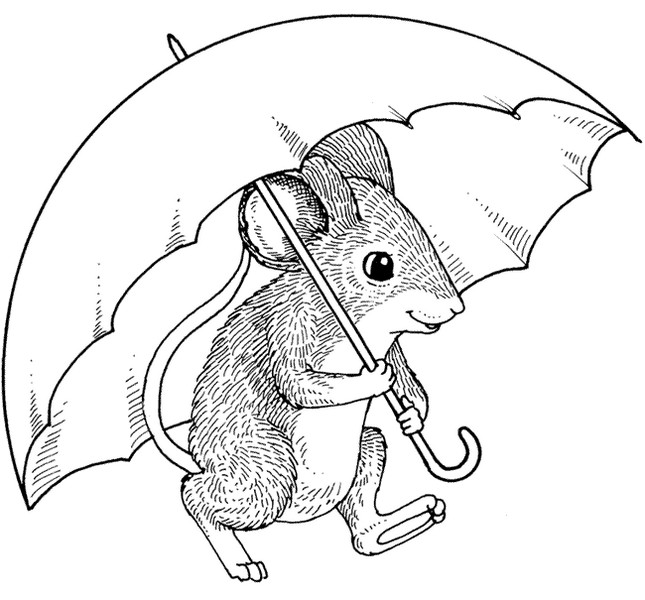
Posted by RichardB | Filed under Coloring Pages
≈ Comments Off on Mouse and Umbrella Coloring Page
19 Saturday Dec 2020
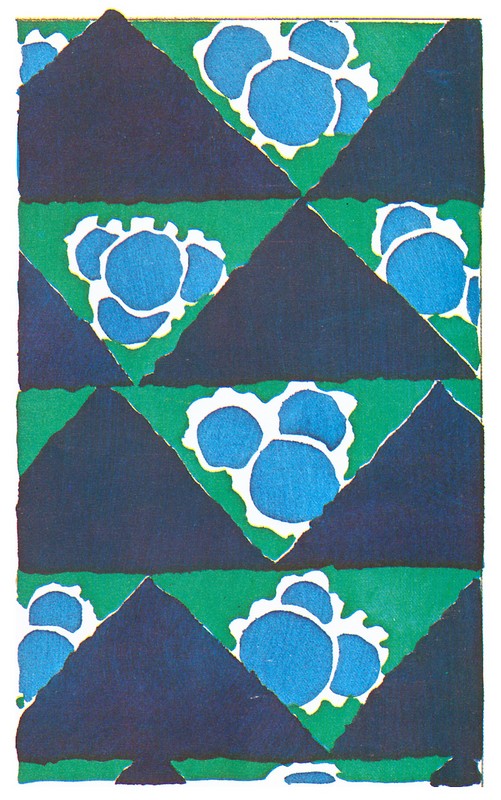
Posted by RichardB | Filed under Seguy Art Deco Designs
≈ Comments Off on Seguy Art Deco Designs 93
18 Friday Dec 2020
Posted in Pets, Uncategorized
≈ Comments Off on Testing the Feline Mew-mory-NHK
17 Thursday Dec 2020
Posted in Anger, Handout, Uncategorized
≈ Comments Off on Thinking influences
Thinking influences our feelings through the things that we say to ourselves. Unhelpful thoughts can add fuel to the fire and play a large role in keeping anger going after the event has passed. However, using helpful self-statements (or ‘cooling thoughts’) can be a good way to manage our anger and guide our behavior. 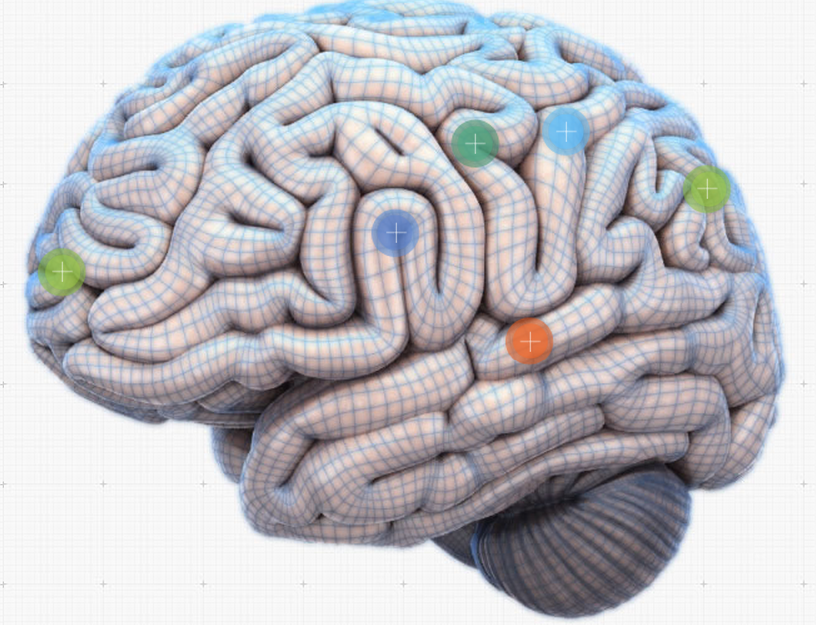 Examples of these include:
To use this strategy we need to break anger into several stages:

Preparing for a provoking situations
During the event
Coping with stress






 RichardbBrunner