
Posted by RichardB | Filed under Seguy Art Deco Designs
≈ Comments Off on Seguy Art Deco Designs 98

05 Saturday Jun 2021
Posted by RichardB | Filed under Seguy Art Deco Designs
≈ Comments Off on Seguy Art Deco Designs 98
04 Friday Jun 2021
Posted in news
≈ Comments Off on We know what you did during lockdown. An FT Film
We gave up our privacy to fight Covid-19, can we get it back? An FT film starring Lydia West and Arthur Darvill in collaboration with Sonia Friedman Productions and supported by Luminate. An interrogation scene explores how Covid-19 has exposed the tension between the need for data to track and trace, and the right to privacy and justice.
02 Wednesday Jun 2021
Tags
activities, ADHD, adherents, alignment, analysis, Another, asanas, assessments, asthma, attention, attitude, author, authors, Back, behavior, benefits, Both, bronchodilator, Cardiovascular, cases, Cochrane, composition, concentration, conclusions, consensus, deficit, difference, disease, disorder, disorders, efficacy, energy, Europe, Evidence, Except, factors, handouts, harmony, Hatha, health, improvement, inadequacies, India, Indian, indices, instructor, intervention, interventions, Iyengar, life, lifestyle, literature, measures, medication, medicine, Meditation, metabolic, method, methodology, origins, outcome, output, Overall, pain, Patients, persons, philosophy, postures, pranayama, purposes, questionnaire, Raja, RCTs, relaxation, resistance, response, restriction, results, selection, self, sessions, Spirometry, status, stimulus, subjects, symptoms, syndrome, techniques, therapy, times, tolerance, tradition, treatment, trend, viniyoga, week, weeks
Yoga is a mind and body practice in complementary medicine with origins in ancient Indian philosophy. The various styles of yoga that people use for health purposes typically combine physical postures, breathing techniques, and meditation or relaxation. There are numerous schools of yoga. Hatha yoga, the most commonly practiced in the United States and Europe, emphasizes postures (asanas) and breathing exercises (pranayama).
Since the 1020’s researchers have been studying and publishing articles on the results of a Yoga practice. Listed below are some of the research results of Hatha Yoga and specific medical conditions. :
ADHD Eighteen boys with diagnosed attention-deficit/hyperactivity disorder (ADHD) were randomly assigned to either a yoga treatment or a cooperative activities group. After 20 sessions of yoga, the boys showed improvement on a variety of indices, including oppositional behavior, emotional lability, and restlessness or impulsivity. The subjects exhibited a dose/ response curve, with those subjects who participated in additional home practice showing a greater response. The control group showed superior scores on measures of hyperactivity, anxiety, and shyness, as well as social function measures.7
Anxiety A meta-analysis of the research involving yoga interventions for anxiety and related disorders reviewed eight studies conducted during 2004. Overall, this research reported positive results, especially in cases of obsessive-compulsive disorder. However, the authors were quick to point out a generally poor quality of research techniques, inadequacies in methodology, and difficulty comparing studies.8 A Cochrane review of two RCTs that investigated the effectiveness of meditation and yoga on patients with diagnosed anxiety disorders stated that based on the available research, no distinct conclusions can be drawn on the ability of meditation and yoga to be effective for anxiety disorders.9
Asthma To determine the efficacy of Iyengar yoga practice on symptoms and perceived quality of life of people living with asthma, 62 patients with mild to moderate asthma were randomized and divided into two groups. The treatment group performed Iyengar yoga for 4 weeks, and the control group enrolled in a “stretching” program. Both groups underwent spirometry testing and recorded their bronchodilator use, symptoms, and quality of life assessments. At no point in the study did the yoga intervention group show a measured benefit in clinical indices.10
Another small RCT divided 17 subjects into a yoga treatment and a control group. The yoga group engaged in relaxation pranayama (mindful breathing) techniques, yoga postures, and meditation 3 times per week for 16 weeks. Spirometry testing showed little difference between the two groups; however, the yoga group showed improved exercise tolerance and reported relaxation as well as a more positive attitude as measured by questionnaire. This study also showed a trend toward less use of short-acting bronchodilator medication in the yoga group.11
Back pain A 12-week RCT compared viniyoga practice with conventional therapeutic back exercises or a self-help book for 101 patients with chronic low back pain. The yoga group met with one instructor for a weekly 75-minute viniyoga practice. Patients were also encouraged to practice at home daily and were given handouts and an audio CD guide. This group showed greater improvement in functional status, decreased activity restriction, and increased general health compared to the conventional exercise group or the self-help book group at 12 weeks. At 26 weeks post treatment, the conventional exercise and yoga therapy group did not show a significant difference in outcome, though at all points in time, viniyoga therapy appeared to be more effective than the self- care book. The viniyoga benefit also lasted for months after the intervention.12
Cardiovascular disease A systematic literature review of 70 studies published over the past two decades showed a trend toward beneficial changes in metabolic syndrome risk factors such as insulin resistance, lipid profiles, BP, and anthropomorphic indices. The author noted that by controlling risk factors for metabolic syndrome, a regular yoga practice might possibly reduce the risk of cardiovascular disease (CVD). It is important to note that approximately one-third of the reviewed studies were RCTs and that the majority of the others were uncontrolled or nonrandomized controlled clinical trials.4 A 2002 comprehensive review of the literature on the psychophysiological effects of hatha yoga concluded that regular hatha yoga practice and a “yoga lifestyle” have the potential to benefit CVD risk indices.5
Cardiovascular fitness A 50-minute hatha yoga routine burns 2.2 to 3.6 kcal/min, the equivalent a very slow walk. Except in persons who are very deconditioned, this type of yoga practice alone is unlikely to have a significant training effect on cardiovascular fitness, pulmonary function, body composition, or fat metabolism.13 More vigorous forms of power or vinyasa yoga require a higher energy output, depending on the method of teaching and selection of asanas (postures). One recent study demonstrated a 7% increase in VO2 max after previously sedentary subjects practiced 8 weeks of yoga training.13 However, the general consensus is that yoga does not provide the significant cardiovascular stimulus necessary to enhance cardiovascular function.14
1. Tindle HA, Davis RB, Phillips RS, Eisenberg DM. Trends in use of complementary and alternative medicine by US adults: 1997-2002. Altern Ther Health Med. 2005;11(1):42-49.
2. Carrico M. Yoga Journal’s Yoga Basics: The Essential Beginner’s Guide to Yoga for a Lifetime of Health and Fitness. New York, NY: Henry Holt and Company; 1997.
3. Nayak NN, Shankar K. Yoga: a therapeutic approach. Phys Med Rehabil Clin N Am. 2004;15(4): 783-798, vi.
4. Innes KE, Bourguignon C, Taylor AG. Risk indices associated with the insulin resistance syndrome, cardiovascular disease, and possible protection with yoga: a systematic review. J Am Board Fam Pract. 2005;18(6):491-519.
5. Raub JA. Psychophysiologic effects of Hatha yoga on musculoskeletal and cardiopulmonary function: a literature review. J Altern Complement Med. 2002;8(6):797-812.
6. Luskin FM, Newell KA, Griffith M, et al. A review of mind-body therapies in the treatment of musculoskeletal disorders with implications for the elderly. Altern Ther Health Med. 2000;6(2): 46-56.
7. Jensen PS, Kenny DT. The effects of yoga on the attention and behavior of boys with attentiondeficit/ hyperactivity disorder (ADHD). J Atten Disord. 2004;7(4):205-216.
8. Kirkwood G, Rampes H, Tuffrey V, et al. Yoga for anxiety: a systematic review of the research evidence. Br J Sports Med. 2005;39(12):884-891.
9. Krisanaprakornkit T, Krisanaprakornkit W, Piyavhatkul N, Laopaiboon M. Meditation therapy for anxiety disorders. Cochrane Database Syst Rev. 2006;(1):CD004998.
10. Sabina AB, Williams AL, Wall HK, et al. Yoga intervention for adults with mild-to-moderate asthma: a pilot study. Ann Allergy Asthma Immunol. 2005;94(5):543-548.
11. Vendanthan PK, Kesavalu LN, Murthy KC, et al. Clinical study of yoga techniques in university students with asthma: a controlled study. Allergy Asthma Proc. 1998;19(1):3-9.
12. Sherman KJ, Cherkin DC, Erro J, et al. Comparing yoga, exercise, and a self-care book for chronic low back pain: a randomized, controlled trial. Ann Intern Med. 2005;143(12):849-856.
13. Tran MD, Holly RG, Lashbrook J, Amsterdam EA. Effects of Hatha yoga practice on the healthrelated aspects of physical fitness. Prev Cardiol. 2001;4(4):165-170.
14. Clay CC, Lloyd LK, Walker JL, et al. The metabolic cost of Hatha yoga. J Strength Cond Res. 2005;19(3):604-610.
31 Monday May 2021
Posted in Music
≈ Comments Off on Top Songs I listened to in 2020: Ximena Sariñana – Nostalgia
Tags
29 Saturday May 2021

Posted by RichardB | Filed under Japanese Textile Designs
≈ Comments Off on Japanese Textile Designs 122
28 Friday May 2021
Embattled royal Prince Andrew used his status to help promote a secretive private bank, whose clients included kleptocrats and alleged criminals.
27 Thursday May 2021
Posted in brain, Cognitive behavioral therapy, grounding, Health, mental health
≈ Comments Off on Brain System For Emotional Self-Control
Different brain areas are activated when we choose to suppress an emotion, compared to when we are instructed to inhibit an emotion, according a new study from the UCL Institute of Cognitive Neuroscience and Ghent University.
In this study, published in Brain Structure and Function, the researchers scanned the brains of healthy participants and found that key brain systems were activated when choosing for oneself to suppress an emotion. They had previously linked this brain area to deciding to inhibit movement.
“This result shows that emotional self-control involves a quite different brain system from simply being told how to respond emotionally,” said lead author Dr Simone Kuhn (Ghent University).
In most previous studies, participants were instructed to feel or inhibit an emotional response. However, in everyday life we are rarely told to suppress our emotions, and usually have to decide ourselves whether to feel or control our emotions.
In this new study the researchers showed fifteen healthy women unpleasant or frightening pictures. The participants were given a choice to feel the emotion elicited by the image, or alternatively to inhibit the emotion, by distancing themselves through an act of self-control.
The researchers used functional magnetic resonance imaging (fMRI) to scan the brains of the participants. They compared this brain activity to another experiment where the participants were instructed to feel or inhibit their emotions, rather than choose for themselves.
Different parts of the brain were activated in the two situations. When participants decided for themselves to inhibit negative emotions, the scientists found activation in the dorso-medial prefrontal area of the brain. They had previously linked this brain area to deciding to inhibit movement.
In contrast, when participants were instructed by the experimenter to inhibit the emotion, a second, more lateral area was activated.
“We think controlling one’s emotions and controlling one’s behavior involve overlapping mechanisms,” said Dr Kuhn.
“We should distinguish between voluntary and instructed control of emotions, in the same way as we can distinguish between making up our own mind about what do, versus following instructions.”
Regulating emotions is part of our daily life, and is important for our mental health. For example, many people have to conquer fear of speaking in public, while some professionals such as health-care workers and firemen have to maintain an emotional distance from unpleasant or distressing scenes that occur in their jobs.
 Professor Patrick Haggard (UCL Institute of Cognitive Neuroscience) co-author of the paper said the brain mechanism identified in this study could be a potential target for therapies.
“The ability to manage one’s own emotions is affected in many mental health conditions, so identifying this mechanism opens interesting possibilities for future research.
“Most studies of emotion processing in the brain simply assume that people passively receive emotional stimuli, and automatically feel the corresponding emotion. In contrast, the area we have identified may contribute to some individuals’ ability to rise above particular emotional situations.
“This kind of self-control mechanism may have positive aspects, for example making people less vulnerable to excessive emotion. But altered function of this brain area could also potentially lead to difficulties in responding appropriately to emotional situations.”
26 Wednesday May 2021
Tags
Beans, breakfast, circulation, fiber, foods, heart, inflammation, meal, meat, Nuts, Oats, Omega, Plants, Some, stanols, Sterols, system
It’s easy to eat your way to an alarmingly high cholesterol level. The reverse is true too — changing what you eat can lower your cholesterol and improve the armada of fats floating through your bloodstream. Fresh fruits and vegetables, whole grains, and “good fats” are all part of a heart-healthy diet. But some foods are particularly good at helping bring down cholesterol.
How? Some cholesterol-lowering foods deliver a good dose of soluble fiber, which binds cholesterol and its precursors in the digestive system and drags them out of the body before they get into circulation. Others provide polyunsaturated fats, which directly lower LDL. And those with plant sterols and stanols keep the body from absorbing cholesterol. Here are 5 of those foods:
But stay away from…
As you consider eating more of the foods that can help dial down cholesterol, keep in mind that avoiding certain foods can improve your results. To keep cholesterol levels where you want them to be, limit intake of:
Saturated fats. The saturated fats found in red meat, milk and other dairy foods, and coconut and palm oils directly boost LDL. So one way to lower your LDL is to cut back on saturated fat. Try substituting extra-lean ground beef for regular; low-fat or skim milk for whole milk; olive oil or a vegetable-oil margarine for butter; baked fish or chicken for fried.
Trans fats. Trans fats are a byproduct of the chemical reaction that turns liquid vegetable oil into solid margarine or shortening and that prevents liquid vegetable oils from turning rancid. Trans fats boost LDL as much as saturated fats do. They also lower protective HDL, rev up inflammation, and increase the tendency for blood clots to form inside blood vessels. Although trans fats were once ubiquitous in prepared foods, many companies now use trans-free alternatives. Some restaurants and fast-food chains have yet to make the switch.
24 Monday May 2021
Posted in Music
≈ Comments Off on Anoushka Shankar recorded Live @ Festival Les Nuits de Fourviere, France
Tags
22 Saturday May 2021

Posted by RichardB | Filed under Japanese Textile Designs
≈ Comments Off on Japanese Textile Designs 124
21 Friday May 2021
The story of Greensill Capital’s rise and fall has everything: investment banks, opaque finance, private jets, trophy mansions and the biggest British lobbying scandal in a generation, involving former prime minister David Cameron. The Financial Times charts the rise of Lex Greensill and Sanjeev Gupta and examines where it all went wrong.
20 Thursday May 2021
Posted in Dr. Seuss, Uncategorized
≈ Comments Off on You’re in
19 Wednesday May 2021
Posted in waking up
≈ Comments Off on waking up
Tags
Beyond living and dreaming
there is something more important:
waking up. Antonio Machado

17 Monday May 2021
Posted in Music
≈ Comments Off on Top Songs I listened to in 2020: Laboratorium Pieśni – Lecieli żurauli
15 Saturday May 2021
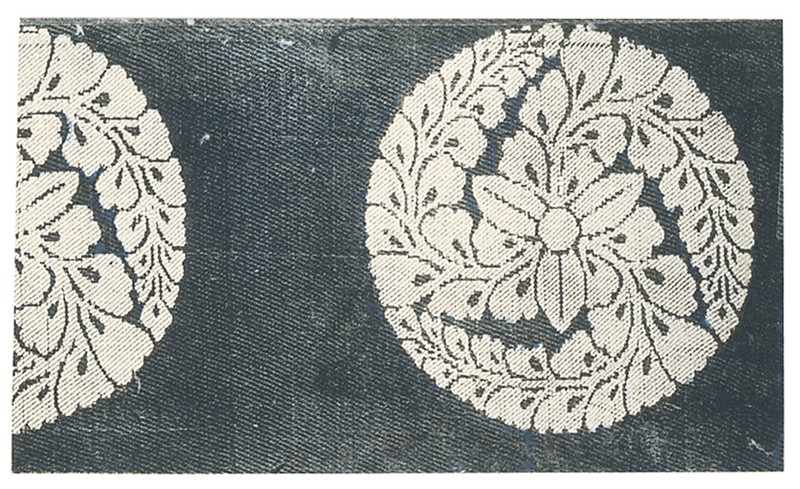
Posted by RichardB | Filed under Japanese Textile Designs
≈ Comments Off on Japanese Textile Designs 125
13 Thursday May 2021
See the web site to walk a mile in a kitty’s paws.
http://hiroshima-welcome.jp/kanpai/catstreetview/index_2_on.html
12 Wednesday May 2021
London has the red double-decker bus, New York the yellow taxi, and the Philippines has the Jeepney.
The country’s most popular means of public transport zipping by adds a flash of vibrancy in the often frustrating, gridlocked streets of metropolitan Manila.
With names like Delilah and Rosa emblazoned across the front, each one is individually adorned with religious and nationalistic artwork – no two are identical.
For Ed Sarao, head of Sarao Motors – one of the first makers of Jeepneys – the vehicle represents the multi-cultural history of the Philippines.
“There is bit of Spanish, Mexican traits there; how they incorporate vivid colours, fiesta-like feelings. There is a little of the Americans because it evolved from the Jeep. There is a little Japan because of the Japanese engine. But it was built by Filipino hands,” he says.
But while it was once part of the Philippines’ image and identity, the Jeepney has now become something of a dinosaur – and newer, more economical vehicles are starting to take its place. Read the full story HERE.
08 Saturday May 2021

Posted by RichardB | Filed under Japanese Textile Designs
≈ Comments Off on Japanese Textile Designs 128
06 Thursday May 2021
Posted in creative arts therapy, discovery, Wellness
≈ Comments Off on Yoga can help girls who suffered childhood trauma
As a Creative Arts Therapist who specializes in the body and is a former Yoga teacher this article is not at all surprising. Most therapists who have worked with trauma survivors know that people have a tendency to have some level of dissociation with their bodies. Yoga can gently bring a new level of conscious feeling, movement and functionally of the body which can’t be processed with other modalities.
As a teenager, Rocsana Enriquez ran away from home frequently to escape fights with her mother and sexual abuse from her stepfather. She got involved with street gangs and cycled in and out of juvenile detention.
While she was incarcerated in Central California, she started to learn yoga. It became an outlet for her anger and an antidote to the deep insecurity she felt. Before she got into a fight, she reminded herself to take a deep breath. And she loved the way she felt when she stretched into “Warrior II” pose. “It made me feel very strong,” she said.
A new report by the Center on Poverty and Inequality at Georgetown Law School shows that yoga programs can be particularly effective at helping girls who are incarcerated cope with the effects of trauma that many have experienced. Research shows yoga and mindfulness can promote healthier relationships, increase concentration, and improve self esteem and physical health.
Such programs, if offered more broadly, would be a cost-effective way to help one of the country’s most vulnerable groups heal and improve their lives, the report says.

05 Wednesday May 2021
Posted in dogs
≈ Comments Off on Nonverbal communication with Pets
Nonverbal communication is a gift that all living beings share, one you’ll need to reawaken to better interact with and care for your animal companions. Most dog and cat lovers already understand canine and feline body language, which is one non-verbal technique. But you can use your other, natural, nonverbal communication skills, and actually begin to see things through your dog or cat’s eyes, and become his/her voice. 
You can learn animal communication by taking a class or reading some of the great books available today on the subject. But many of the basics are so simple that we can easily begin nonverbally communicating right away. Remember, long before humans had spoken language, we were able to communicate among ourselves and with the animals; it is a kind of heart to heart communication skill that we all possess.
Did you ever know a set of twins who said they each knew what the other was thinking, or you heard your mother say she had “woman’s intuition” or “just knew something was wrong.” Have you ever had an image of a friend come to mind and then received a phone call from that very person saying, “I was just thinking about you and wanted to say hello”? These are all examples of nonverbal communication.

 RichardbBrunner