
Posted by RichardB | Filed under Japanese Textile Designs
≈ Comments Off on Japanese Textile Designs 103

26 Saturday Sep 2020
Posted by RichardB | Filed under Japanese Textile Designs
≈ Comments Off on Japanese Textile Designs 103
25 Friday Sep 2020
CSIS: The China Economic Risk Matrix, written by the Trustee Chair in Chinese Business and Economics’ non-resident senior associate Daniel Rosen, non-resident adjunct fellow Logan Wright, and Associate Director of the China Projects team at Rhodium Group, Lauren Gloudeman. Despite rising inefficiency, China’s financial system has served as the shock absorber that has helped China’s economy recover from the virus outbreak and maintain growth. But the same elements that have driven China’s recovery have also pushed China’s financial system deep into a gauntlet of systemic financial risks. The China Economic Risk Matrix is the combination of indicators of financial vulnerability that threaten to overwhelm Beijing’s policy tools to manage them, along with a novel, China-specific financial stress indicator. Building on the earlier CSIS volume, Credit and Credibility, this report explores the specific conditions and markets in which changes in government credibility can have a significant impact on systemic stability in China.
24 Thursday Sep 2020
Posted in photos, quote, Uncategorized
≈ Comments Off on The body
24 Thursday Sep 2020
Tags
activities, ADHD, adherents, alignment, analysis, Another, asanas, assessments, asthma, attention, attitude, author, authors, Back, behavior, benefits, Both, bronchodilator, Cardiovascular, cases, Cochrane, composition, concentration, conclusions, consensus, deficit, difference, disease, disorder, disorders, efficacy, energy, Europe, Evidence, Except, factors, handouts, harmony, Hatha, health, improvement, inadequacies, India, Indian, indices, instructor, intervention, interventions, Iyengar, life, lifestyle, literature, measures, medication, medicine, meditation, metabolic, method, methodology, origins, outcome, output, Overall, pain, Patients, persons, philosophy, postures, pranayama, purposes, questionnaire, Raja, RCTs, relaxation, resistance, response, restriction, results, selection, self, sessions, Spirometry, status, stimulus, subjects, symptoms, syndrome, techniques, therapy, times, tolerance, tradition, treatment, trend, viniyoga, week, weeks
Yoga is a mind and body practice in complementary medicine with origins in ancient Indian philosophy. The various styles of yoga that people use for health purposes typically combine physical postures, breathing techniques, and meditation or relaxation. There are numerous schools of yoga. Hatha yoga, the most commonly practiced in the United States and Europe, emphasizes postures (asanas) and breathing exercises (pranayama).
Since the 1020’s researchers have been studying and publishing articles on the results of a Yoga practice. Listed below are some of the research results of Hatha Yoga and specific medical conditions. :

ADHD Eighteen boys with diagnosed attention-deficit/hyperactivity disorder (ADHD) were randomly assigned to either a yoga treatment or a cooperative activities group. After 20 sessions of yoga, the boys showed improvement on a variety of indices, including oppositional behavior, emotional lability, and restlessness or impulsivity. The subjects exhibited a dose/ response curve, with those subjects who participated in additional home practice showing a greater response. The control group showed superior scores on measures of hyperactivity, anxiety, and shyness, as well as social function measures.7
Anxiety A meta-analysis of the research involving yoga interventions for anxiety and related disorders reviewed eight studies conducted during 2004. Overall, this research reported positive results, especially in cases of obsessive-compulsive disorder. However, the authors were quick to point out a generally poor quality of research techniques, inadequacies in methodology, and difficulty comparing studies.8 A Cochrane review of two RCTs that investigated the effectiveness of meditation and yoga on patients with diagnosed anxiety disorders stated that based on the available research, no distinct conclusions can be drawn on the ability of meditation and yoga to be effective for anxiety disorders.9
Asthma To determine the efficacy of Iyengar yoga practice on symptoms and perceived quality of life of people living with asthma, 62 patients with mild to moderate asthma were randomized and divided into two groups. The treatment group performed Iyengar yoga for 4 weeks, and the control group enrolled in a “stretching” program. Both groups underwent spirometry testing and recorded their bronchodilator use, symptoms, and quality of life assessments. At no point in the study did the yoga intervention group show a measured benefit in clinical indices.10
Another small RCT divided 17 subjects into a yoga treatment and a control group. The yoga group engaged in relaxation pranayama (mindful breathing) techniques, yoga postures, and meditation 3 times per week for 16 weeks. Spirometry testing showed little difference between the two groups; however, the yoga group showed improved exercise tolerance and reported relaxation as well as a more positive attitude as measured by questionnaire. This study also showed a trend toward less use of short-acting bronchodilator medication in the yoga group.11
Back pain A 12-week RCT compared viniyoga practice with conventional therapeutic back exercises or a self-help book for 101 patients with chronic low back pain. The yoga group met with one instructor for a weekly 75-minute viniyoga practice. Patients were also encouraged to practice at home daily and were given handouts and an audio CD guide. This group showed greater improvement in functional status, decreased activity restriction, and increased general health compared to the conventional exercise group or the self-help book group at 12 weeks. At 26 weeks post treatment, the conventional exercise and yoga therapy group did not show a significant difference in outcome, though at all points in time, viniyoga therapy appeared to be more effective than the self- care book. The viniyoga benefit also lasted for months after the intervention.12
Cardiovascular disease A systematic literature review of 70 studies published over the past two decades showed a trend toward beneficial changes in metabolic syndrome risk factors such as insulin resistance, lipid profiles, BP, and anthropomorphic indices. The author noted that by controlling risk factors for metabolic syndrome, a regular yoga practice might possibly reduce the risk of cardiovascular disease (CVD). It is important to note that approximately one-third of the reviewed studies were RCTs and that the majority of the others were uncontrolled or nonrandomized controlled clinical trials.4 A 2002 comprehensive review of the literature on the psychophysiological effects of hatha yoga concluded that regular hatha yoga practice and a “yoga lifestyle” have the potential to benefit CVD risk indices.5
Cardiovascular fitness A 50-minute hatha yoga routine burns 2.2 to 3.6 kcal/min, the equivalent a very slow walk. Except in persons who are very deconditioned, this type of yoga practice alone is unlikely to have a significant training effect on cardiovascular fitness, pulmonary function, body composition, or fat metabolism.13 More vigorous forms of power or vinyasa yoga require a higher energy output, depending on the method of teaching and selection of asanas (postures). One recent study demonstrated a 7% increase in VO2 max after previously sedentary subjects practiced 8 weeks of yoga training.13 However, the general consensus is that yoga does not provide the significant cardiovascular stimulus necessary to enhance cardiovascular function.14
1. Tindle HA, Davis RB, Phillips RS, Eisenberg DM. Trends in use of complementary and alternative medicine by US adults: 1997-2002. Altern Ther Health Med. 2005;11(1):42-49.
2. Carrico M. Yoga Journal’s Yoga Basics: The Essential Beginner’s Guide to Yoga for a Lifetime of Health and Fitness. New York, NY: Henry Holt and Company; 1997.
3. Nayak NN, Shankar K. Yoga: a therapeutic approach. Phys Med Rehabil Clin N Am. 2004;15(4): 783-798, vi.
4. Innes KE, Bourguignon C, Taylor AG. Risk indices associated with the insulin resistance syndrome, cardiovascular disease, and possible protection with yoga: a systematic review. J Am Board Fam Pract. 2005;18(6):491-519.
5. Raub JA. Psychophysiologic effects of Hatha yoga on musculoskeletal and cardiopulmonary function: a literature review. J Altern Complement Med. 2002;8(6):797-812.
6. Luskin FM, Newell KA, Griffith M, et al. A review of mind-body therapies in the treatment of musculoskeletal disorders with implications for the elderly. Altern Ther Health Med. 2000;6(2): 46-56.
7. Jensen PS, Kenny DT. The effects of yoga on the attention and behavior of boys with attentiondeficit/ hyperactivity disorder (ADHD). J Atten Disord. 2004;7(4):205-216.
8. Kirkwood G, Rampes H, Tuffrey V, et al. Yoga for anxiety: a systematic review of the research evidence. Br J Sports Med. 2005;39(12):884-891.
9. Krisanaprakornkit T, Krisanaprakornkit W, Piyavhatkul N, Laopaiboon M. Meditation therapy for anxiety disorders. Cochrane Database Syst Rev. 2006;(1):CD004998.
10. Sabina AB, Williams AL, Wall HK, et al. Yoga intervention for adults with mild-to-moderate asthma: a pilot study. Ann Allergy Asthma Immunol. 2005;94(5):543-548.
11. Vendanthan PK, Kesavalu LN, Murthy KC, et al. Clinical study of yoga techniques in university students with asthma: a controlled study. Allergy Asthma Proc. 1998;19(1):3-9.
12. Sherman KJ, Cherkin DC, Erro J, et al. Comparing yoga, exercise, and a self-care book for chronic low back pain: a randomized, controlled trial. Ann Intern Med. 2005;143(12):849-856.
13. Tran MD, Holly RG, Lashbrook J, Amsterdam EA. Effects of Hatha yoga practice on the healthrelated aspects of physical fitness. Prev Cardiol. 2001;4(4):165-170.
14. Clay CC, Lloyd LK, Walker JL, et al. The metabolic cost of Hatha yoga. J Strength Cond Res. 2005;19(3):604-610.
23 Wednesday Sep 2020
Posted in creative arts therapy, discovery, Wellness
≈ Comments Off on Yoga can help girls who suffered childhood trauma
As a Creative Arts Therapist who specializes in the body and is a former Yoga teacher this article is not at all surprising. Most therapists who have worked with trauma survivors know that people have a tendency to have some level of dissociation with their bodies. Yoga can gently bring a new level of conscious feeling, movement and functionally of the body which can’t be processed with other modalities.
As a teenager, Rocsana Enriquez ran away from home frequently to escape fights with her mother and sexual abuse from her stepfather. She got involved with street gangs and cycled in and out of juvenile detention.
While she was incarcerated in Central California, she started to learn yoga. It became an outlet for her anger and an antidote to the deep insecurity she felt. Before she got into a fight, she reminded herself to take a deep breath. And she loved the way she felt when she stretched into “Warrior II” pose. “It made me feel very strong,” she said.
A new report by the Center on Poverty and Inequality at Georgetown Law School shows that yoga programs can be particularly effective at helping girls who are incarcerated cope with the effects of trauma that many have experienced. Research shows yoga and mindfulness can promote healthier relationships, increase concentration, and improve self esteem and physical health.
Such programs, if offered more broadly, would be a cost-effective way to help one of the country’s most vulnerable groups heal and improve their lives, the report says.
Or go direct to the Report From Center on Poverty and Inequality

22 Tuesday Sep 2020
Posted in Meditation, practice
≈ Comments Off on soft practice
Be soft in your practice. Think of the method as a fine silvery stream, not a raging waterfall. Follow the stream, have faith in its course. It will go its own way, meandering here, trickling there. It will find the grooves, the cracks, the crevices. Just follow it. Never let out of your sight. It will take you. Sheng-yen

22 Tuesday Sep 2020
21 Monday Sep 2020
19 Saturday Sep 2020

Posted by RichardB | Filed under Seguy Art Deco Designs
≈ Comments Off on Seguy Art Deco Designs 101
19 Saturday Sep 2020

Posted by RichardB | Filed under Coloring Pages
≈ Comments Off on Tiger Beetle Coloring Page
18 Friday Sep 2020
By Geeta Pandey BBC News, Delhi: For centuries, professional letter writers have helped millions of illiterate Indians but many have long disappeared from the cities – but not in Delhi, where one man claims to be the last letter writer left in the country’s capital.

An abiding memory of my childhood years in the Indian city of Calcutta is of my mother writing letters for our domestic help, Kailash. Kailash was 50, he was from the neighboring state of Orissa and had never been to school. Every month, my mother would put pen to paper and consult him before writing each sentence. The letters would always begin with “Dear son…” and would then ask after the well-being of his large family. They contained all his news and instructions on how to spend the money he was sending them. In our teenage years, my sister and I took on the responsibility of composing his letters. Kailash lived in our home and he could come to any of us to write his letters.
Jagdish Chandra Sharma is perhaps the Indian capital’s last surviving professional letter writer. Continue reading the main story
17 Thursday Sep 2020
Posted in brain, Meditation, mindfulness, Wellness
≈ Comments Off on Study brain can be trained in compassion
Tags
Researchers at the Center for Investigating Healthy Minds at the Waisman Center of the University of Wisconsin-Madison examined whether training adults in compassion can result in greater altruistic behavior and related changes in neural systems underlying compassion.
In the study, the investigators trained young adults to engage in compassion meditation, an ancient Buddhist technique to increase caring feelings for people who are suffering.
In the meditation, participants envisioned a time when someone has suffered and then practiced wishing that his or her suffering was relieved.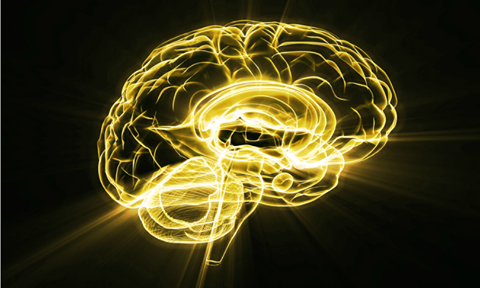
Participants practiced with different categories of people, first starting with a loved one, someone whom they easily felt compassion for, like a friend or family member. Then, they practiced compassion for themselves and a stranger.
Finally, they practiced compassion for someone they actively had conflict with called the “difficult person”, such as a troublesome coworker or roommate.
“It’s kind of like weight training. Using this systematic approach, we found that people can actually build up their compassion ‘muscle’ and respond to others’ suffering with care and a desire to help,” said Helen Weng, lead author of the study and a graduate student in clinical psychology.
Compassion training was compared to a control group that learned cognitive reappraisal, a technique where people learn to reframe their thoughts to feel less negative.
“We wanted to investigate whether people could begin to change their emotional habits in a relatively short period of time,” said Weng.
The real test of whether compassion could be trained was to see if people would be willing to be more altruistic – even helping people they had never met.
“We found that people trained in compassion were more likely to spend their own money altruistically to help someone who was treated unfairly than those who were trained in cognitive reappraisal,” Weng said.
The study measured changes in brain responses using functional magnetic resonance imaging (fMRI) before and after training.
The researchers found that the people who were the most altruistic after compassion  training were the ones who showed the most brain changes when viewing human suffering.
They found that activity was increased in the inferior parietal cortex, a region involved in empathy and understanding others.
Compassion training also increased activity in the dorsolateral prefrontal cortex and the extent to which it communicated with the nucleus accumbens, brain regions involved in emotion regulation and positive emotions.
17 Thursday Sep 2020
Posted in Uncategorized
≈ Comments Off on devotion
16 Wednesday Sep 2020
Posted in grounding, Handout, Meditation, mindfulness, Wellness
≈ Comments Off on Opportunities 4 mindfulness
Tags
For most of us, a typical day begins when we get out of bed, wash, and then start our activities. At some point, we get a bite to eat, walk somewhere, and talk to someone. Often, by the end of the day we find ourselves stressed out and physically exhausted. It doesn’t have to be that way!
Everyday activities can be an opportunity for a meditation moments; bringing mindfulness, clarity, and peace into your day while energizing yourself and reducing stress.
A study published in the journal Consciousness and Cognition found: “Brief meditation training reduced fatigue, anxiety, and increased mindfulness. Moreover, brief mindfulness training significantly improved visuo-spatial processing, working memory, and executive functioning.”
These brief mindfulness meditations can be done anywhere or anytime …well using common sense. Just like you should not text and drive I would not meditate and drive either.
Here are two examples of how to add meditation without taking time out of your schedule.
15 Tuesday Sep 2020
I often work with groups using lists. In movement therapy as well as psychotherapy, educational and process oriented groups lists are a great structure for groups to explore thoughts, and/or feelings. Here is a list that often comes up in groups ten suggestions about feelings.
1. Become emotionally literate. Label your feelings, rather than labeling people or situations.
Use three word sentences beginning with “I feel”.
Start labeling feelings; stop labeling people & situations 
“I feel impatient.” vs “This is ridiculous.” I feel hurt and bitter”. vs. “You are an insensitive jerk.”
“I feel afraid.” vs. “You are driving like an idiot.”
2. Distinguish between thoughts and feelings.
Thoughts: I feel like…& I feel as if…. & I feel that
Feelings: I feel: (feeling word)
3. Take more responsibility for your feelings.
“I feel jealous.” vs. “You are making me jealous.”
Analyze your own feelings rather than the action or motives of other people. Let your feelings help you identify your unmet emotional needs.
4. Use your feelings to help make decisions
“How will I feel if I do this?” “How will I feel if I don’t?”
“How do I feel?” “What would help me feel better?”
Ask others “How do you feel?” and “What would help you feel better?”
5. Use feelings to set and achieve goals
– Set feeling goals. Think about how you want to feel or how you want others to feel. (your employees, your clients, your students, your children, your partner)
– Get feedback and track progress towards the feeling goals by periodically measuring feelings from 0-10. For example, ask clients, students, teenagers how much they feel respected from 0 to 10.
6. Feel energized, not angry.
Use what others call “anger” to help feel energized to take productive action.
7. Validate other people’s feelings.
Show empathy, understanding, and acceptance of other people’s feelings.
8. Use feelings to help show respect for others.
How will you feel if I do this? How will you feel if I don’t? Then listen and take their feelings into consideration.
9. Don’t advise, command, control, criticize, judge or lecture to others.
Instead, try to just listen with empathy and non-judgment.
10. Avoid people who invalidate you.
While this is not always possible, at least try to spend less time with them, or try not to let them have psychological power over you.
15 Tuesday Sep 2020
The Japan Chair is delighted to invite Rory Medcalf, Professor and Head of the National Security College at the Australian National University, to discuss his new book, Indo-Pacific Empire: China, America and the contest for the world’s pivotal region. Please join us virtually to learn about the Indo-Pacific region and the potential for great power conflict between the United States and China.
14 Monday Sep 2020
Tags
From the Play List Top songs I have listened to in 2010: PAULINE CROZE – Jour de foule
I have a 16,000 plus digital audio collection and I use Media Monkey to manage my files. One feature of Media Monkey is you can sort your collection based on the number of times played. This playlist is based on the top music and/or music video files I played/listened/streamed from my server: Playlist 2010
13 Sunday Sep 2020
The U.S. unemployment rate shot up faster than in any other developed country during the pandemic. WSJ explains how differences in government aid and labor-market structures can help predict how and where jobs might recover.
The covid-19 pandemic is set to increase public debt to levels last seen after the second world war. But is rising public debt a cause for concern? New economic thinking suggests perhaps not, at least for now.
12 Saturday Sep 2020
12 Saturday Sep 2020

Posted by RichardB | Filed under Japanese Textile Designs
≈ Comments Off on Japanese Textile Designs 104




 RichardbBrunner