
Looking and Listening
08 Tuesday Dec 2020

08 Tuesday Dec 2020
07 Monday Dec 2020
Tags
06 Sunday Dec 2020
06 Sunday Dec 2020
Posted in Pets
≈ Comments Off on Cats are
05 Saturday Dec 2020
05 Saturday Dec 2020
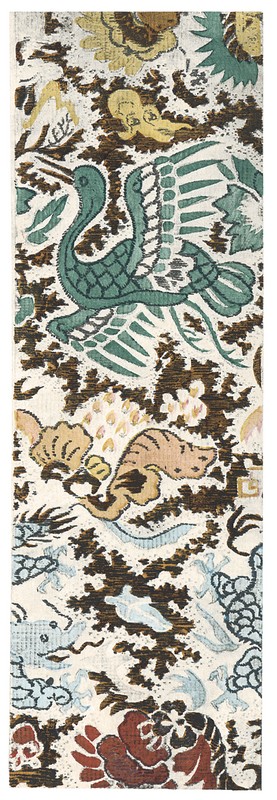
Posted by RichardB | Filed under Japanese Textile Designs
≈ Comments Off on Japanese Textile Designs 97
03 Thursday Dec 2020
Posted in Body Image, body language, Dance Movement Therapy, Movement, Neuroscience, Psychology, Psychotherapy, Wellness, YouTube
Tags
03 Thursday Dec 2020
Posted in brain, drugs, research, Uncategorized
≈ Comments Off on Drugs and the Brain
The human brain is the most complex organ in the body. This three-pound mass of gray and white matter sits at the center of all human activity—you need it to drive a car, to enjoy a meal, to breathe, to create an artistic masterpiece, and to enjoy everyday activities. In brief, the brain regulates your body’s basic functions; enables you to interpret and respond to everything you experience; and shapes your thoughts, emotions, and behavior.
The brain is made up of many parts that all work together as a team. Different parts of the brain are responsible for coordinating and performing specific functions. Drugs can alter important brain areas that are necessary for life-sustaining functions and can drive the compulsive drug abuse that marks addiction. Brain areas affected by drug abuse include:
How do the parts of the brain communicate?
The brain is a communications center consisting of billions of neurons, or nerve cells. Networks of neurons pass messages back and forth among different structures within the brain, the spinal cord, and nerves in the rest of the body (the peripheral nervous system). These nerve networks coordinate and regulate everything we feel, think, and do.
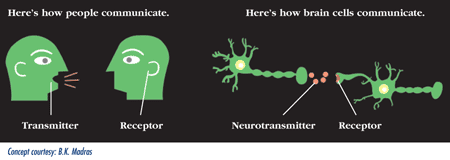
To send a message, a brain cell (neuron) releases a chemical (neurotransmitter) into the space (synapse) between it and the next cell. The neurotransmitter crosses the synapse and attaches to proteins (receptors) on the receiving brain cell. This causes changes in the receiving cell—the message is delivered.
How do drugs work in the brain?
Drugs are chemicals that affect the brain by tapping into its communication system and interfering with the way neurons normally send, receive, and process information. Some drugs, such as marijuana and heroin, can activate neurons because their chemical structure mimics that of a natural neurotransmitter. This similarity in structure “fools” receptors and allows the drugs to attach onto and activate the neurons. Although these drugs mimic the brain’s own chemicals, they don’t activate neurons in the same way as a natural neurotransmitter, and they lead to abnormal messages being transmitted through the network.
Other drugs, such as amphetamine or cocaine, can cause the neurons to release abnormally large amounts of natural neurotransmitters or prevent the normal recycling of these brain chemicals. This disruption produces a greatly amplified message, ultimately disrupting communication channels.
How do drugs work in the brain to produce pleasure?
Most drugs of abuse directly or indirectly target the brain’s reward system by flooding the circuit with dopamine. Dopamine is a neurotransmitter present in regions of the brain that regulate movement, emotion, motivation, and feelings of pleasure. When activated at normal levels, this system rewards our natural behaviors. Overstimulating the system with drugs, however, produces euphoric effects, which strongly reinforce the behavior of drug use—teaching the user to repeat it.
Most drugs of abuse target the brain’s reward system by flooding it with dopamine.

How does stimulation of the brain’s pleasure circuit teach us to keep taking drugs?
Our brains are wired to ensure that we will repeat life-sustaining activities by associating those activities with pleasure or reward. Whenever this reward circuit is activated, the brain notes that something important is happening that needs to be remembered, and teaches us to do it again and again without thinking about it. Because drugs of abuse stimulate the same circuit, we learn to abuse drugs in the same way.
Why are drugs more addictive than natural rewards?
When some drugs of abuse are taken, they can release 2 to 10 times the amount of dopamine that natural rewards such as eating and sex do.15 In some cases, this occurs almost immediately (as when drugs are smoked or injected), and the effects can last much longer than those produced by natural rewards. The resulting effects on the brain’s pleasure circuit dwarf those produced by naturally rewarding behaviors.16,17The effect of such a powerful reward strongly motivates people to take drugs again and again. This is why scientists sometimes say that drug abuse is something we learn to do very, very well.
Long-term drug abuse impairs brain functioning.
What happens to your brain if you keep taking drugs?
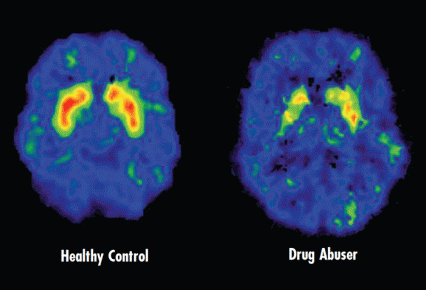
For the brain, the difference between normal rewards and drug rewards can be described as the difference between someone whispering into your ear and someone shouting into a microphone. Just as we turn down the volume on a radio that is too loud, the brain adjusts to the overwhelming surges in dopamine (and other neurotransmitters) by producing less dopamine or by reducing the number of receptors that can receive signals. As a result, dopamine’s impact on the reward circuit of the brain of someone who abuses drugs can become abnormally low, and that person’s ability to experience anypleasure is reduced.
This is why a person who abuses drugs eventually feels flat, lifeless, and depressed, and is unable to enjoy things that were previously pleasurable. Now, the person needs to keep taking drugs again and again just to try and bring his or her dopamine function back up to normal—which only makes the problem worse, like a vicious cycle. Also, the person will often need to take larger amounts of the drug to produce the familiar dopamine high—an effect known as tolerance.
Decreased Dopamine Transporters in a Methamphetamine Abuser18
How does long-term drug taking affect brain circuits?
We know that the same sort of mechanisms involved in the development of tolerance can eventually lead to profound changes in neurons and brain circuits, with the potential to severely compromise the long-term health of the brain. For example, glutamate is another neurotransmitter that influences the reward circuit and the ability to learn. When the optimal concentration of glutamate is altered by drug abuse, the brain attempts to compensate for this change, which can cause impairment in cognitive function. Similarly, long-term drug abuse can trigger adaptations in habit or non-conscious memory systems. Conditioning is one example of this type of learning, in which cues in a person’s daily routine or environment become associated with the drug experience and can trigger uncontrollable cravings whenever the person is exposed to these cues, even if the drug itself is not available. This learned “reflex” is extremely durable and can affect a person who once used drugs even after many years of abstinence.
What other brain changes occur with abuse?
Chronic exposure to drugs of abuse disrupts the way critical brain structures interact to control and inhibit behaviors related to drug use. Just as continued abuse may lead to tolerance or the need for higher drug dosages to produce an effect, it may also lead to addiction, which can drive a user to seek out and take drugs compulsively. Drug addiction erodes a person’s self-control and ability to make sound decisions, while producing intense impulses to take drugs.
02 Wednesday Dec 2020
Posted in Uncategorized
≈ Comments Off on Reading the World
Interesting post from the BBC.
Writer Ann Morgan set herself a challenge – to read a book from every country in the world in one year. She describes the experience and what she learned.
http://www.bbc.com/culture/story/20130715-reading-the-world-in-365-days
Ann Morgan’s reading list can be found here: http://ayearofreadingtheworld.com/thelist/

01 Tuesday Dec 2020
30 Monday Nov 2020
Tags
29 Sunday Nov 2020
Interesting article about pets and how humans react/respond to them. From the abstract:
Neural substrates underlying the human-pet relationship are largely unknown. We examined fMRI brain activation patterns as mothers viewed images of their own child and dog and an unfamiliar child and dog. There was a common network of brain regions involved in emotion, reward, affiliation, visual processing and social cognition when mothers viewed images of both their child and dog. Viewing images of their child resulted in brain

activity in the midbrain (ventral tegmental area/substantia nigra involved in reward/affiliation), while a more posterior cortical brain activation pattern involving fusiform gyrus (visual processing of faces and social cognition) characterized a mother’s response to her dog. Mothers also rated images of their child and dog as eliciting similar levels of excitement (arousal) and pleasantness (valence), although the difference in the own vs. unfamiliar child comparison was larger than the own vs. unfamiliar dog comparison for arousal. Valence ratings of their dog were also positively correlated with ratings of the attachment to their dog. Although there are similarities in the perceived emotional experience and brain function associated with the mother-child and mother-dog bond, there are also key differences that may reflect variance in the evolutionary course and function of these relationships.
Stoeckel LE, Palley LS, Gollub RL, Niemi SM, Evins AE (2014) Patterns of Brain Activation when Mothers View Their Own Child and Dog: An fMRI Study. PLoS ONE 9(10): e107205. doi:10.1371/journal.pone.0107205
http://www.plosone.org/article/info%253Adoi%252F10.1371%252Fjournal.pone.0107205
28 Saturday Nov 2020
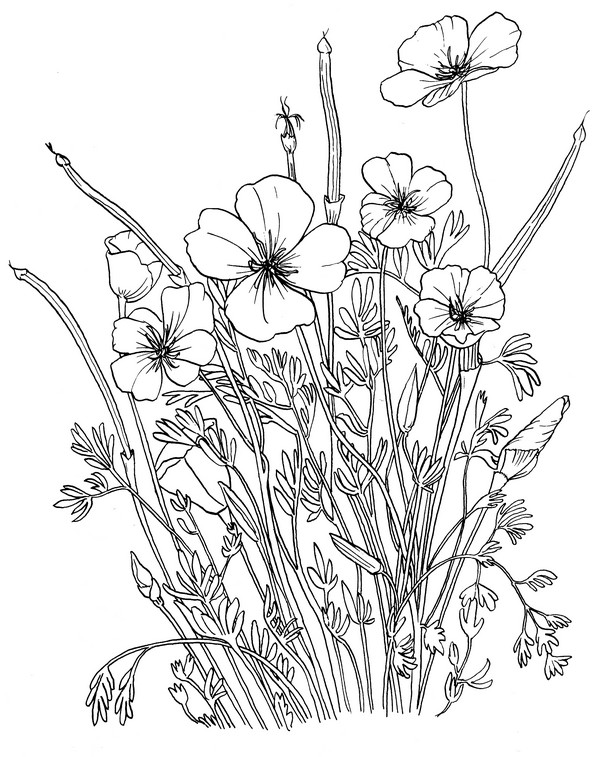
Posted by RichardB | Filed under Coloring Pages
≈ Comments Off on California poppy Coloring Page
28 Saturday Nov 2020
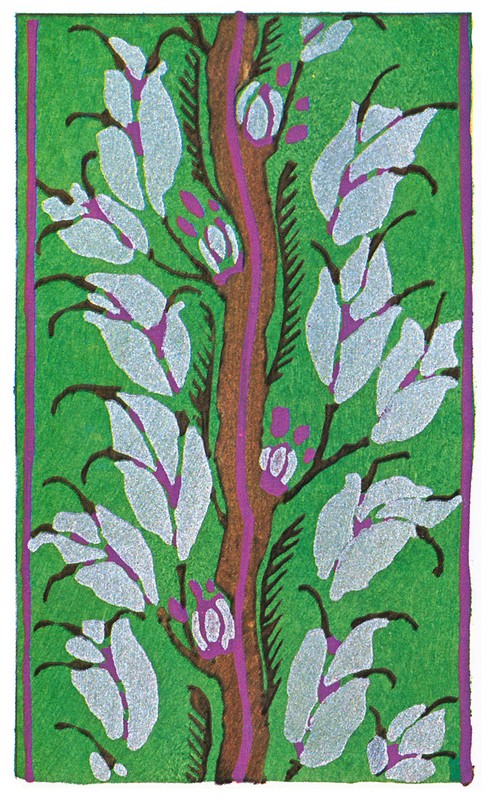
Posted by RichardB | Filed under Seguy Art Deco Designs
≈ Comments Off on Seguy Art Deco Designs 95
27 Friday Nov 2020
During the Great Depression, photographers created riveting images chronicling the desperation of those times. Pictures helped mold the nation’s collective memory and conscience. Seventy years later, the plight and potential of the least fortunate members of our communities is mostly unseen and ignored, and photographers are once again poised to jump-start a national conversation about the issue of poverty.
AmericanPoverty.org is a non-profit alliance of photojournalists using visual storytelling to raise awareness about “how the other half lives.” Joining us are renowned American writers, filmmakers and educators, all of whom seek to alleviate poverty and make it a national priority. Together we are working to dispel stereotypes and encourage actions that can create lasting impact in the lives of disadvantaged people.
The photo “Migrant Mother” was one of thousands of pictures Dorothea Lange took on assignment for the federal government, documenting the poverty of the Dust Bowl. Before it had that iconic title, the 1936 photo was captioned “Destitute peapickers in California.” For more about Dorothea Lange and this image check out Studio 360.
26 Thursday Nov 2020
Posted in creative arts therapy, Dance Movement Therapy, YouTube
≈ Comments Off on Dance Movement Therapy at Mattel Children’s Hospital UCLA
Great video about what Dance Movement Therapy is and how its done in a Medical setting with children.
25 Wednesday Nov 2020
Posted in Collecting, My Photos, rocks
≈ Comments Off on Suiseki: Get your Rocks on
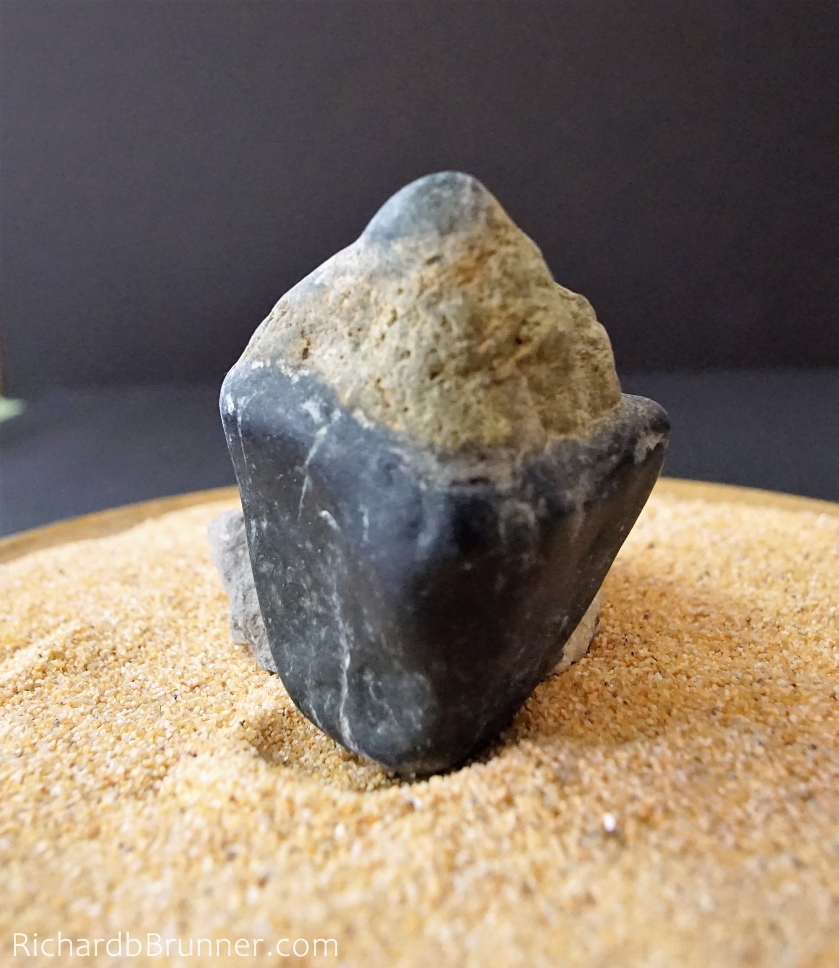
Over the years as I have moved and changed I have gotten rid of many things and I have kept only 4 things from my younger days; a book of translations of ancient Chinese and Japanese poetry, my bamboo flute, an image of a Bodhisattva, and my collection of rocks. I started collecting rocks with their simplicity, austerity, dignified beauty, and spirit when I was a teen, perhaps influenced by the book of poems I read as a child. The rocks have been gathered from New England, Mid Atlantic states as well as Texas, California, New Mexico and the Dakotas. When I travel for work/training’s I try and take some time to find a rock that expresses something of the place.
See NHK post about: Suiseki Wikipedia Some of my rocks below.


24 Tuesday Nov 2020
Posted in creative arts therapy, Dance Movement Therapy, Psychology
≈ Comments Off on Assessment and evaluation
Tags
In therapy at some point the counselor will engage in an assessment/evaluation process that generally involves examining how the therapy sessions are going and hopefully includes feed back from the client/patient. If the counselor is trained as a
dance movement therapist the evaluation/assessment may include many areas such
as verbal sharing, drawings and movement. Movement assessment can include
observing ( which can be considered seeing someone move objectively) and
witnessing (which can be considered seeing someone move subjectively) a person
move. I look at:

I first learned and applied these techniques while studying the movement based
group creative arts modalities know as the Halprin Method and Motional Process
in the 80’s and early 90’s. If you would like more info I recommend 4 books I found useful:
Dance/Movement Therapists in Action: A Working Guide to Research Options
Artistic Inquiry in Dance/Movement Therapy: Creative Research Alternatives
Meaning of Movement
Dance Therapy and Depth Psychology: The Moving Imagination.
These books helped me to strengthen my assessment techniques and to discover new
methods.
24 Tuesday Nov 2020
23 Monday Nov 2020
Tags




 RichardbBrunner