• Home
  • Music
  • About
  • Contact
  • CreativeTherapyTools.com

RichardbBrunner

~ creative arts therapist

RichardbBrunner

Category Archives: Uncategorized

Providing Food as part of a weight loss program Has Little Benefit

23 Wednesday Oct 2019

Posted by RichardB in food, Health, Uncategorized

≈ Comments Off on Providing Food as part of a weight loss program Has Little Benefit

Tags

diet, heart disease, overweight

Providing weekly food delivery as part of a weight loss program has little impact on outcomes, based on the results of a one-year study conducted in Toronto, Canada.

Published in the Journal of the American College of Cardiology, this study tested four weight loss interventions in 919 overweight Canadian adults. Roughly half of participants were assigned to one of three dietary interventions, which included dietary advice, weekly food delivery, or food delivery plus dietary advice. The other half were part of the control group and received only a dietary brochure at the start of the study.

All of the interventions promoted current dietary guidelines and the DASH diet, which limits salt intake and helps lower blood pressure. While weight loss interventions lasted six months, participants were followed for one year to track outcomes like weight, waist circumference and blood pressure.

The goal of the study was to see whether dietary advice and/or weekly food delivery helps boost weight loss and reduce cardiovascular risk in overweight adults.

The good news is that all participants saw small reductions in weight, waist circumference and blood pressure at six months. A year after the interventions, participants also had lower ten-year risk for developing heart disease, as measured by the Framingham risk score. However, there were no significant differences in outcomes between groups, which means monthly phone calls and weekly food delivery had no impact on weight loss or changes in cardiovascular risk.

Authors did note, however, a difference in drop-out rates between groups. Participants receiving food delivery were much more likely to stay in the study, with only 9% of participants dropping out of the study by six months, compared to 33% of participants with no food delivery. Participants receiving weekly food baskets plus advice also had consistent increases in consumption of recommended foods like fruits, vegetables and whole grains.

Based on findings, authors conclude that providing food as part of a dietary intervention has little added benefit on weight loss or cardiovascular risk reduction. However, findings also confirm the overall benefits of the DASH diet and general dietary guidelines. As other studies have shown, maintaining a healthy diet promotes a healthy weight, reduces risk for heart disease and improves overall health. Authors hope that with future research, we can improve available resources to help adults achieve both a healthy weight and diet.

See study here at American College of Cardiology.

it’s the courage

22 Tuesday Oct 2019

Posted by RichardB in photo, Uncategorized

≈ Comments Off on it’s the courage

Tags

quote

Success is not final, failure is not fatal, it’s the courage to continue that counts. Winston Churchill

j0431331.jpg

Dancers

15 Tuesday Oct 2019

Posted by RichardB in Dance, Uncategorized

≈ Comments Off on Dancers

Tags

Martha Graham, photo, quote

Dancers are the messengers of the gods. ~Martha Graham

T-140

small things

10 Thursday Oct 2019

Posted by RichardB in Mother Teresa, Uncategorized

≈ Comments Off on small things

Tags

small, strenght

Do not wait for leaders; do it alone, person to person. Be faithful in small things because it is in them that your strength lies. Mother Teresa

nature-01.jpg


love deeply

01 Tuesday Oct 2019

Posted by RichardB in cats, dogs, Pets, quote, Uncategorized

≈ Comments Off on love deeply

Tags

cats, dogs, pets, quote

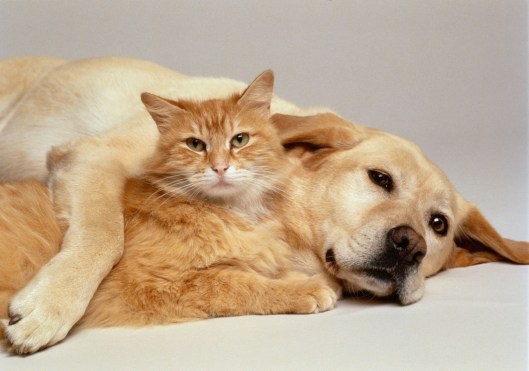
“Each time you love, love as deeply as if it were forever.” Audre Lorde

DogsCats.jpg

hands

05 Thursday Sep 2019

Posted by RichardB in Quiet, Uncategorized

≈ Comments Off on hands

Tags

Karl Barth, photo, quote

To clasp the hands in prayer is the beginning of an uprising against the disorder of the world. Karl Barth

03ddd3589490395225e606a74425a5cc

Our treasure

29 Thursday Aug 2019

Posted by RichardB in Nietzsche, Uncategorized

≈ Comments Off on Our treasure

Our treasure lies in the beehive of our knowledge. We are perpetually on the way thither, being by nature winged insects and honey gatherers of the mind. Friedrich Nietzsche

DSC02631-TR.jpg

Self-Care and #Depression

13 Tuesday Aug 2019

Posted by RichardB in Depression, Self-Care, Uncategorized

≈ Comments Off on Self-Care and #Depression

Tags

depression, wellness

As a clinical psychologist, Mary Pipher, PhD, designed “healing packages” for her patients: activities, resources, and comforts to help them recover from trauma. Then, after Dr. Pipher’s book Reviving Ophelia became a runaway best-seller, she herself suffered from an episode of major depression and designed a healing package of her own. “The essence of my personal healing package,” she describes in her book Seeking Peace, “was to keep my life as simple and quiet as possible and to allow myself sensual and small pleasures.” She created a mini-retreat center in her home and modified the ancient ways of calming troubled nerves to fit her lifestyle. Pipher’s healing package looked like this:

She accessed the healing power of water by walking at Holmes Lake Dam, swimming at the university’s indoor pool, and reading The New Yorker magazine in the bathtub every morning.loneliness1.jpg

She cooked familiar foods, dishes that reminded her of home: jaternice, sweetbreads, and perch; and cornbread and pinto beans with ham hocks.

She unpacked her childhood teacup collection and displayed it near her computer desk to remind her of happy times and of people who loved her.

She reconnected with the natural world by walking many miles every week on the frozen prairie, watching the yellow aconites blossom in February and the daffodils and jonquils in March, following the cycles of the moon, and witnessing sunrises and sunsets.

She read biographies of heroes like Abe Lincoln, and read the poetry of Billy Collins, Robert Frost, Mary Oliver, and Ted Kooser.

She found role models for coping with adversity.

She limited her encounters with people and gave herself permission to skip holiday gatherings and postpone social obligations. She erased calendar engagements until she had three months of “white space” in her future.

She embraced her body through yoga and massage. She started to pay attention to tension in her neck and other cues from her body and let those signals teach her about herself.

msclip-030.jpgShe meditated every day.

These activities were exactly what she needed to emerge from the other side of depression. She writes:

After taking care of my body for several months, it began to take good care of me. My blood pressure improved and my heart problems disappeared. After a few months of my simple, relatively stress-free life and my healing package of activities, I felt my depression lifting. I enjoyed the return of positive emotions: contentment, joy, calmness and new sparks of curiosity and energy. I again felt a great tenderness toward others.


Psychiatrist James Gordon, MD, discusses similar healing packages in his best-selling book Unstuck. At the end of his first meetings with all of his patients, he will write out a “prescription of self-care,” which includes instructions on changing diet, advice about specific recommended meditations or exercises, and a list of supplements and herbs. “Among my recommendations, there are always actions, techniques, approaches, and attitudes that each person has told me — which she already knows — are helpful,” he explains. At the end of his introduction, he suggests each reader take some time to write out his or her own prescription. He supplies a form and everything.

Each person’s healing package is unique. Many people have benefited from more meditation and mindfulness exercises, psychotherapy sessions, and therapies like Eye Movement Desensitization and Reprocessing (EMDR) that help unclog the brain of painful memories. Some people do better with more physical exercise and nutritional changes. While mindfulness and meditation have certainly helped many become aware of my rumination patterns, the most profound changes in others recovery  have come from the bags of dark, green leafy vegetables, yoga, and breathing exercises.

It’s empowering to know that we don’t need a doctor or any mental health professional to design a healing package for us. We are perfectly capable of writing this prescription ourselves. Sometimes (not always), all it takes are a few simple tweaks to our lifestyle over a period of time to pull us out of a crippling depression or unrelenting anxiety.

Nature

09 Friday Aug 2019

Posted by RichardB in quote, Uncategorized

≈ Comments Off on Nature

Tags

Marianne Williamson, photo

Nature is infinitely creative. It is always producing the possibility of new beginnings. – Marianne Williamson

Tree-SLT-00021-TR.jpg

Serotonin deficiency may not be linked to depression

19 Friday Jul 2019

Posted by RichardB in brain, Depression, mental health, Neuroscience, Uncategorized

≈ 1 Comment

Tags

brain, depression, Mental Health

Depression strikes some 35 million people worldwide, according to the World Health Organization, contributing to lowered quality of life as well as an increased risk of heart disease and suicide. Treatments typically include psychotherapy, support groups and education as well as psychiatric medications. SSRIs, or selective serotonin reuptake inhibitors, currently are the most commonly prescribed category of antidepressant drugs in the U.S., and have become a household name in treating depression.feelings-54.jpg

The action of these compounds is fairly familiar. SSRIs increase available levels of serotonin, sometimes referred to as the feel-good neurotransmitter, in our brains. Neurons communicate via neurotransmitters, chemicals which pass from one nerve cell to another. A transporter molecule recycles unused transmitter and carries it back to the pre-synaptic cell. For serotonin, that shuttle is called SERT (short for “serotonin transporter”). An SSRI binds to SERT and blocks its activity, allowing more serotonin to remain in the spaces between neurons. Yet, exactly how this biochemistry then works against depression remains a scientific mystery.

In fact, SSRIs fail to work for mild cases of depression, suggesting that regulating serotonin might be an indirect treatment only. “There’s really no evidence that depression is a serotonin-deficiency syndrome,” says Alan Gelenberg, a depression and psychiatric researcher at The Pennsylvania State University. “It’s like saying that a headache is an aspirin-deficiency syndrome.” SSRIs work insofar as they reduce the symptoms of depression, but “they’re pretty nonspecific,” he adds.

Now, research headed up by neuroscientists David Gurwitz and Noam Shomron of Tel Aviv University in Israel supports recent thinking that rather than a shortage of serotonin, a lack of synaptogenesis (the growth of new synapses, or nerve contacts) and neurogenesis (the generation and migration of new neurons) could cause depression. In this model lower serotonin levels would merely result when cells stopped making new connections among neurons or the brain stopped making new neurons. So, directly treating the cause of this diminished neuronal activity could prove to be a more effective therapy for depression than simply relying on drugs to increase serotonin levels.

Evidence for this line of thought came when their team found that cells in culture exposed to a 21-day course of the common SSRI paroxetine (Paxil is one of the brand names) expressed significantly more of the gene for an integrin protein called ITGB3 (integrin beta-3). Integrins are known to play a role in cell adhesion and connectivity and therefore are essential for synaptogenesis. The scientists think SSRIs might promote synaptogenesis and neurogenesis by turning on genes that make ITGB3 as well as other proteins that are involved in these processes. A microarray, which can house an entire genome on one laboratory slide, was used to pinpoint the involved genes. Of the 14 genes that showed increased activity in the paroxetine-treated cells, the gene that expresses ITGB3 showed the greatest increase in activity. That gene,ITGB3, is also crucial for the activity of SERT. Intriguingly, none of the 14 genes are related to serotonin signaling or metabolism, and, ITGB3 has never before been implicated in depression or an SSRI mode of action.

These results, published October 15 2013 in Translational Psychiatry, suggest that SSRIs do indeed work by blocking SERT. But, the bigger picture lies in the fact that in order to make up for the lull in SERT, more ITGB3 is produced, which then goes to work in bolstering synaptogenesis and neurogenesis, the true culprits behind depression. “There are many studies proposing that antidepressants act by promoting synaptogenesis and neurogenesis,” Gurwitz says. “Our work takes one big step on the road for validating such suggestions.”

 let-out-your-emotions_14-things-adults-can-learn-from-children.jpg

The research is weakened by its reliance on observations of cells in culture rather than in actual patients. The SSRI dose typically delivered to a patient’s brain is actually a fraction of what is swallowed in a pill. “Obvious next steps are showing that what we found here is indeed viewed in patients as well,” Shomron says.

The study turned up additional drug targets for treating depression—two microRNA molecules, miR-221 and miR-222. Essentially, microRNAs are small molecules that can turn a gene off by binding to it. The microarray results showed a significant decrease in the expression of miR-221 and miR-222, both of which are predicted to target ITGB3, when cells were exposed to paroxetine. So, a drug that could prevent those molecules from inhibiting the production of the ITGB3 protein would arguably enable the growth of more new neurons and synapses. And, if the neurogenesis and synaptogenesis hypothesis holds, a drug that specifically targeted miR-221 or miR-222 could bring sunnier days to those suffering from depression.

no-kill

12 Friday Jul 2019

Posted by RichardB in cats, dogs, Pets, Uncategorized

≈ Comments Off on no-kill

Tags

cats, dogs, pets

The no-kill movement began two decades ago in the United States, and it has given millions of dogs a second chance; instead of being euthanized, they are matched with families. Wonderful story about how dogs can be loved and given a second chance. Read it or listen to it here:   NPR

dinazcampbell_sherry

It takes two

30 Thursday May 2019

Posted by RichardB in photo, Uncategorized

≈ Comments Off on It takes two

Tags

quote

It takes two to lie. One to lie and one to listen. Homer Simpson

feelings-51.jpg

Thinking influences

28 Tuesday May 2019

Posted by RichardB in Anger, Handout, Uncategorized

≈ 1 Comment

Tags

anger, handouts, Thinking

Thinking influences our feelings through the things that we say to ourselves. Unhelpful thoughts can add fuel to the fire and play a large role in keeping anger going after the event has passed. However, using helpful self-statements (or ‘cooling thoughts’) can be a good way to manage our anger and guide our behavior. brainmpExamples of these include:

  • Chill out
  • Calm down
  • Breathe away the anger
  • Don’t yell
  • Don’t give them the satisfaction of seeing you angry
  • It’s not worth it
  • Give them a chance to have a say

 To use this strategy we need to break anger into several stages:

  • Getting ready for provocation: when we know we are going to face something that will make us angry.
  • During the event: early signs of anger are cues to use coping strategies.
  • Coping with stress: early attempts at anger management may not be successful.
  • Reflecting on provocation: time to evaluate the effect of the experience on you, continue coping or give self praise.

feelings-07.jpg

Preparing for a provoking situations

  • This is going to upset me but I know how to deal with it
  • What is it that I have to do?
  • Stick to the issues and don’t take it personally
  • Try not to take this too seriously
  • Time for a few deep breaths of relaxation
  • Easy does it, remember to keep your sense of humor

During the event

  • Stay calm, just continue to relax
  • Think of what you want to get out of this
  • There is no point in getting mad
  • It’s really a shame that she has to act like this
  • If I start to get mad I’ll just be banging my head against the wall
  • What he says doesn’t matter. I’m on top of this situation and it’s under control

Coping with stress

  • My muscles are starting to feel tight, time to relax and slow things down
  • It’s just not worth it to get so angry
  • Time to take a deep breath
  • Try to reason it out. Treat each other with respect
  • He’d probably like me to get really angry. Well I’m going to disappoint him Leaving the anger and looking back
  • Try to shake it off. Don’t let it interfere with your job
  • Remember relaxation, it’s a lot better than anger
  • I handled that pretty well. It worked!
  • It could have been a lot worse
  • My pride can sure get me into trouble, but when I don’t take things too seriously, I’m better off

Different Cultures Enhances Creativity

25 Saturday May 2019

Posted by RichardB in creative, mental health, Mood, research, Uncategorized

≈ Comments Off on Different Cultures Enhances Creativity

Tags

Cultures, wellness

Creativity can be enhanced by experiencing cultures different from one’s own, according to a study in Personality and Social Psychology Bulletin (published by SAGE).

Three studies looked at students who had lived abroad and those who hadn’t, testing them on different aspects of creativity. Relative to a control group, which hadn’t experienced a different culture, participants in the different culture group provided more evidence of creativity in various standard tests of the trait. Those results suggest that multicultural learning is a critical component of the adaptation process, acting as a creativity catalyst.

msclip-155

The researchers believe that the key to the enhanced creativity was related to the students’ open-minded approach in adapting to the new culture. In a global world, where more people are able to acquire multicultural experiences than ever before, this research indicates that living abroad can be even more beneficial than previously thought.

“Given the literature on structural changes in the brain that occur during intensive learning experiences, it would be worthwhile to explore whether neurological changes occur within the creative process during intensive foreign culture experiences,” write the authors, William W. Maddux, Hajo Adam, and Adam D. Galinsky. “That can help paint a more nuanced picture of how foreign culture experiences may not only enhance creativity but also, perhaps literally, as well as figuratively, broaden the mind.

The article “When in Rome… Learn Why the Romans Do What They Do: How Multicultural Learning Experiences Facilitate Creativity” in the June 2010 issue of Personality and Social Psychology Bulletin.

Evidence based Yoga

01 Wednesday May 2019

Posted by RichardB in Uncategorized

≈ Comments Off on Evidence based Yoga

Yoga is a mind and body practice in complementary medicine with origins in ancient Indian philosophy. The various styles of yoga that people use for health purposes typically combine physical postures, breathing techniques, and meditation or relaxation. There are numerous schools of yoga. Hatha yoga, the most commonly practiced in the United States and Europe, emphasizes postures (asanas) and breathing exercises (pranayama).
Since the 1020’s researchers have been studying and publishing articles on the results of a Yoga practice. Listed below are some of the research results of Hatha Yoga and specific medical conditions. :
ADHD Eighteen boys with diagnosed attention-deficit/hyperactivity disorder (ADHD) were randomly assigned to either a yoga treatment or a cooperative activities group. After 20 sessions of yoga, the boys showed improvement on a variety of indices, including oppositional behavior, emotional lability, and restlessness or impulsivity. The subjects exhibited a dose/ response curve, with those subjects who participated in additional home practice showing a greater response. The control group showed superior scores on measures of hyperactivity, anxiety, and shyness, as well as social function measures.7 redswril

Anxiety A meta-analysis of the research involving yoga interventions for anxiety and related disorders reviewed eight studies conducted during 2004. Overall, this research reported positive results, especially in cases of obsessive-compulsive disorder. However, the authors were quick to point out a generally poor quality of research techniques, inadequacies in methodology, and difficulty comparing studies.8 A Cochrane review of two RCTs that investigated the effectiveness of meditation and yoga on patients with diagnosed anxiety disorders stated that based on the available research, no distinct conclusions can be drawn on the ability of meditation and yoga to be effective for anxiety disorders.9

Asthma To determine the efficacy of Iyengar yoga practice on symptoms and perceived quality of life of people living with asthma, 62 patients with mild to moderate asthma were randomized and divided into two groups. The treatment group performed Iyengar yoga for 4 weeks, and the control group enrolled in a “stretching” program. Both groups underwent spirometry testing and recorded their bronchodilator use, symptoms, and quality of life assessments. At no point in the study did the yoga intervention group show a measured benefit in clinical indices.10 Another small RCT divided 17 subjects into a yoga treatment and a control group. The yoga group engaged in relaxation pranayama (mindful breathing) techniques, yoga postures, and meditation 3 times per week for 16 weeks. Spirometry testing showed little difference between the two groups; however, the yoga group showed improved exercise tolerance and reported relaxation as well as a more positive attitude as measured by questionnaire. This study also showed a trend toward less use of short-acting bronchodilator medication in the yoga group.11

Back pain A 12-week RCT compared viniyoga practice with conventional therapeutic back exercises or a self-help book for 101 patients with chronic low back pain. The yoga group met with one instructor for a weekly 75-minute viniyoga practice. Patients were also encouraged to practice at home daily and were given handouts and an audio CD guide. This group showed greater improvement in functional status, decreased activity restriction, and increased general health compared to the conventional exercise group or the self-help book group at 12 weeks. At 26 weeks post treatment, the conventional exercise and yoga therapy group did not show a significant difference in outcome, though at all points in time, viniyoga therapy appeared to be more effective than the self- care book. The viniyoga benefit also lasted for months after the intervention.12

Cardiovascular disease A systematic literature review of 70 studies published over the past two decades showed a trend toward beneficial changes in metabolic syndrome risk factors such as insulin resistance, lipid profiles, BP, and anthropomorphic indices. The author noted that by controlling risk factors for metabolic syndrome, a regular yoga practice might possibly reduce the risk of cardiovascular disease (CVD). It is important to note that approximately one-third of the reviewed studies were RCTs and that the majority of the others were uncontrolled or nonrandomized controlled clinical trials.4 A 2002 comprehensive review of the literature on the psychophysiological effects of hatha yoga concluded that regular hatha yoga practice and a “yoga lifestyle” have the potential to benefit CVD risk indices.5

Cardiovascular fitness A 50-minute hatha yoga routine burns 2.2 to 3.6 kcal/min, the equivalent a very slow walk. Except in persons who are very deconditioned, this type of yoga practice alone is unlikely to have a significant training effect on cardiovascular fitness, pulmonary function, body composition, or fat metabolism.13 More vigorous forms of power or vinyasa yoga require a higher energy output, depending on the method of teaching and selection of asanas (postures). One recent study demonstrated a 7% increase in VO2 max after previously sedentary subjects practiced 8 weeks of yoga training.13 However, the general consensus is that yoga does not provide the significant cardiovascular stimulus necessary to enhance cardiovascular function.14

REFERENCES

1. Tindle HA, Davis RB, Phillips RS, Eisenberg DM. Trends in use of complementary and alternative medicine by US adults: 1997-2002. Altern Ther Health Med. 2005;11(1):42-49.
2. Carrico M. Yoga Journal’s Yoga Basics: The Essential Beginner’s Guide to Yoga for a Lifetime of Health and Fitness. New York, NY: Henry Holt and Company; 1997.
3. Nayak NN, Shankar K. Yoga: a therapeutic approach. Phys Med Rehabil Clin N Am. 2004;15(4): 783-798, vi.
4. Innes KE, Bourguignon C, Taylor AG. Risk indices associated with the insulin resistance syndrome, cardiovascular disease, and possible protection with yoga: a systematic review. J Am Board Fam Pract. 2005;18(6):491-519.
5. Raub JA. Psychophysiologic effects of Hatha yoga on musculoskeletal and cardiopulmonary function: a literature review. J Altern Complement Med. 2002;8(6):797-812.
6. Luskin FM, Newell KA, Griffith M, et al. A review of mind-body therapies in the treatment of musculoskeletal disorders with implications for the elderly. Altern Ther Health Med. 2000;6(2): 46-56.
7. Jensen PS, Kenny DT. The effects of yoga on the attention and behavior of boys with attentiondeficit/ hyperactivity disorder (ADHD). J Atten Disord. 2004;7(4):205-216.
8. Kirkwood G, Rampes H, Tuffrey V, et al. Yoga for anxiety: a systematic review of the research evidence. Br J Sports Med. 2005;39(12):884-891.
9. Krisanaprakornkit T, Krisanaprakornkit W, Piyavhatkul N, Laopaiboon M. Meditation therapy for anxiety disorders. Cochrane Database Syst Rev. 2006;(1):CD004998.
10. Sabina AB, Williams AL, Wall HK, et al. Yoga intervention for adults with mild-to-moderate asthma: a pilot study. Ann Allergy Asthma Immunol. 2005;94(5):543-548.
11. Vendanthan PK, Kesavalu LN, Murthy KC, et al. Clinical study of yoga techniques in university students with asthma: a controlled study. Allergy Asthma Proc. 1998;19(1):3-9.
12. Sherman KJ, Cherkin DC, Erro J, et al. Comparing yoga, exercise, and a self-care book for chronic low back pain: a randomized, controlled trial. Ann Intern Med. 2005;143(12):849-856.
13. Tran MD, Holly RG, Lashbrook J, Amsterdam EA. Effects of Hatha yoga practice on the healthrelated aspects of physical fitness. Prev Cardiol. 2001;4(4):165-170.
14. Clay CC, Lloyd LK, Walker JL, et al. The metabolic cost of Hatha yoga. J Strength Cond Res. 2005;19(3):604-610.

Types of Depression

29 Monday Apr 2019

Posted by RichardB in Depression, Uncategorized

≈ 2 Comments

Tags

depression

Whether you’re a college student in the middle of a major slump, a new mom who can’t pinpoint why she’s feeling so glum, or a retiree grieving over the loss of a loved one, that question isn’t an easy one to answer.21789-113979.jpg
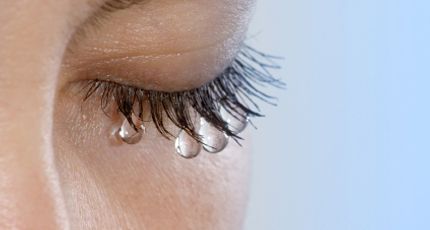
But there’s one thing for sure: “It is much more than just a sad mood,” said Angelos Halaris, MD, a professor of psychiatry and medical director of adult psychiatry at the Loyola University Medical Center in Chicago. Symptoms may include everything from hopelessness and fatigue to physical pain. And just as symptoms vary from person to person, so do the actual diagnoses. The word depression is actually just an umbrella term for a number of different forms, from major depression to atypical depression to dysthymia.

The most common form of depression? Major depression. In fact, about 7 percent of the adult U.S. population has this debilitating mental health condition at any given time, according to the National Institute of Mental Health (NIMH).

If you’re experiencing major depression, you may feel and see symptoms of extreme sadness, hopelessness, lack of energy, irritability, trouble concentrating, changes in sleep or eating habits, feelings of guilt, physical pain, and thoughts of death or suicide — and for an official diagnosis, your symptoms must last for more than two weeks. In some instances, a person might only experience one episode of major depression, but the condition tends to recur throughout a person’s life.

The best treatment is usually with antidepressant medications, explained Dr. Halaris, but talk therapy may also be used to treat depression. And there’s good news: An estimated 80 to 90 percent of people with major depression respond well to treatment.

About 2 percent of the American population has a form of depression that’s less severe than major depression, but is still very real — dysthymia.

Dysthymia is a type of depression that causes a low mood over a long period of time — perhaps for a year or more, explained Halaris. “People can function adequately, but not optimally.” Symptoms include sadness, trouble concentrating, fatigue, and changes in sleep habits and appetite.

This depression usually responds better to talk therapy than to medications, though some studies suggest that combining medication with talk therapy may lead to the greatest improvement. People with dysthymia may also be at risk for episodes of major depression.

A whopping 85 percent of new moms feel some sadness after their baby is born — but for up to 16 percent of women, that sadness is serious enough to be diagnosable.5241352878_f53a343088.jpg

Postpartum depression is characterized by feelings of extreme sadness, fatigue, loneliness, hopelessness, suicidal thoughts, fears about hurting the baby, and feelings of disconnect from the child. It can occur anywhere from weeks to months after childbirth, and Halaris explained it most always develops within a year after a woman has given birth.

“It needs prompt and experienced medical care,” he said — and that may include a combination of talk and drug therapy.

Would you prefer to hibernate during the winter than face those cold, dreary days? Do you tend to gain weight, feel blue, and withdraw socially during the season?

You could be one of 4 to 6 percent of people in the United States estimated to have seasonal affective disorder, or SAD. Though many people find themselves in winter funks, SAD is characterized by symptoms of anxiety, increased irritability, daytime fatigue, and weight gain. This form of depression typically occurs in winter climates, likely due to the lessening of natural sunlight. “We don’t really know why some people are more sensitive to this reduction in light,” said Halaris. “But symptoms are usually mild, though they can be severe.”

This depression usually starts in early winter and lifts in the spring, and it can be treated with light therapy or artificial light treatment.

Despite its name, atypical depression is not unusual. In fact, it may be one of the most common types of depression — and some doctors even believe it is underdiagnosed.

“This type of depression is less well understood than major depression,” explained Halaris. Unlike major depression, a common sign of atypical depression is a sense of heaviness in the arms and legs — like a form of paralysis. However, a study published in the Archives of General Psychiatry (now known as JAMA Psychiatry) found that oversleeping and overeating are the two most important symptoms for diagnosing atypical depression. People with the condition may also gain weight, be irritable, and have relationship problems.

Some studies show that talk therapy works well to treat this kind of depression.

Psychosis — a mental state characterized by false beliefs, known as delusions, or false sights or sounds, known as hallucinations — doesn’t typically get associated with depression. But according to the National Alliance on Mental Illness, about 20 percent of people with depression have episodes so severe that they see or hear things that are not really there.

“People with this psychotic depression may become catatonic, not speak, or not leave their bed,” explained Halaris. Treatment may require a combination of antidepressant and antipsychotic medications. A review of 10 studies concluded that it may be best to start with an antidepressant drug alone and then add an antipsychotic drug if needed. Another review, however, found the combination of medications was more effective than either drug alone in treating psychotic depression.

If your periods of extreme lows are followed by periods of extreme highs, you could have bipolar disorder (sometimes called manic depressive disorder because symptoms can alternate between mania and depression).

Symptoms of mania include high energy, excitement, racing thoughts, and poor judgment. “Symptoms may cycle between depression and mania a few times per year or much more rapidly,” Halaris said. “This disorder affects about 2 to 3 percent of the population and has one of the highest risks for suicide.” Bipolar disorder has four basic subtypes: bipolar I (characterized by at least one manic episode); bipolar II (characterized by hypomanic episodes — which are milder — along with depression); cyclothymic disorder; and other specified bipolar and related disorder.

People with bipolar disorder are typically treated with drugs called mood stabilizers.

Premenstrual dysphoric disorder, or PMDD, is a type of depression that affects women during the second half of their menstrual cycles. Symptoms include depression, anxiety, and mood swings. Unlike premenstrual syndrome (PMS), which affects up to 85 percent of women and has milder symptoms, PMDD affects about 5 percent of women and is much more severe.

“PMDD can be severe enough to affect a woman’s relationships and her ability to function normally when symptoms are active,” said Halaris. Treatment may include a combination of depression drugs as well as talk and nutrition therapies.

Also called adjustment disorder, situational depression is triggered by a stressful or life-changing event, such as job loss, the death of a loved one, trauma — even a bad breakup.

Situational depression is about three times more common than major depression, and medications are rarely needed — that’s because it tends to clear up over time once the event has ended. However, that doesn’t mean it should be ignored: Symptoms of situational depression may include excessive sadness, worry, or nervousness, and if they don’t go away, they may become warning signs of major depression.


Honesty handout

16 Tuesday Apr 2019

Posted by RichardB in Handout, Honesty, Uncategorized

≈ Comments Off on Honesty handout

Tags

handouts

This is a handout I use for groups that tend to be dishonest. 
  1. Figure out why you lie and who you lie to. We’ve all lied at one time or another, to different people, to ourselves, and for different reasons. But coming up with a systematic plan for becoming more honest will be difficult unless you try to define those reasons and those people for yourself.Transformation.jpg
    • Lies to make ourselves look better might include exaggerations, embellishments, and flat-out tall-tales we tell to others, and ourselves, to make ourselves feel better about our inadequacies. When you’re unhappy about something, it’s much easier to fill it in with lies than tell the truth.
    • We lie to peers we think are better than us, because we want them to respect us as we respect them. Unfortunately, being dishonest is disrespectful in the long run. Give people more credit for their ability to empathize and understand you on a deeper level.
    • Lies that avoid embarrassment might include lies told to cover up bad behaviors, transgressions, or any activity we’re not proud of. If your mom found a pack of cigarettes in your jacket, you might lie and say that they’re your friend’s to avoid punishment.
    • We lie to authoritative figures to avoid embarrassment and punishment, including ourselves. When we’ve done something we feel guilty about, lies are told to eliminate the guilt, avoid the punishments, and get back to the objectionable behavior we’re forced to lie about. It’s a vicious cycle.
  1. Anticipate behaviors that will make you feel guilty. To break the chain of embarrassment and lying, it’s important to learn to anticipate things that you’ll likely    feel guilty about in the future, and avoid those behaviors. When you lie, you’re covering up some uncomfortable truth that’s more easily couched in a lie. You can either get comfortable with the truth, or abandon the behavior that makes you embarrassed.
    • If you smoke cigarettes, you won’t have to lie if everyone knows it’s true. Own up to it. If a behavior is un-own-upable, it’s probably best to avoid it. It would be humiliating for your wife to find out that you had an inappropriate relationship with a coworker, but you won’t have to lie if you don’t do it.
  1. Avoid situations in which you’ll have to lie for others. Be wary when someone tells you something in confidence that you know that you should share with someone else (e.g., knowledge of a crime, a lie, or a harmful act against another). Hearing such information puts you in a difficult position, especially when the truth eventually emerges and reveals to the affected person that you knew all along.
    • If someone begins a sentence with “Don’t tell so-and-so about this, okay?” be prepared to offer your own disclaimer: “If it’s something that I’d want to know about were I them, then please don’t tell me. I don’t want to be responsible for anyone’s secrets but my own.”

Our treasure

05 Friday Apr 2019

Posted by RichardB in Nietzsche, Uncategorized

≈ Comments Off on Our treasure

Our treasure lies in the beehive of our knowledge. We are perpetually on the way thither, being by nature winged insects and honey gatherers of the mind. Friedrich Nietzsche

DSC02631-TR.jpg

BPS Research Digest: Images of ultra-thin models need your attention to make you feel bad

02 Tuesday Apr 2019

Posted by RichardB in Uncategorized

≈ 1 Comment

Interesting article:

Source: BPS Research Digest: Images of ultra-thin models need your attention to make you feel bad

We all know that fashion models have unrealistic bodies. Even if they aren’t photoshopped, most of us could never be that thin, at least not without making ourselves ill. Previous research has suggested that viewing pictures of unrealistically thin female models makes young women feel bad – leaving them dissatisfied with their own bodies, more sad, angry and insecure.

A crucial question is whether the effect of these thin-ideal images is automatic. Does the comparison to the models, which is thought to be the key driver in their negative effects, happen without our intention, attention or both?  Knowing the answer will tell us just how much power these images have, and also how best we might protect ourselves from them.

Depression and the inflammatory process

27 Wednesday Mar 2019

Posted by RichardB in Depression, mental health, research, Uncategorized

≈ Comments Off on Depression and the inflammatory process

Tags

depression, inflammation, research

Most people feel down, tired and inactive when they’re injured or ill. This “sickness behavior” is caused by the activation of the body’s immune response. It’s the brain’s way of conserving energy so the body can heal.

This immune response can also occur in people with depression. This has prompted some researchers and clinicians to hypothesise that depression is actually a side effect of the inflammatory process.

But while there may be a connection between inflammation and depression, one doesn’t necessarily lead to the other. So it’s too simplistic to say depression is a physical, rather than a psychiatric, illness.

The inflammation hypothesis

University of California clinical psychologist and researcher George Slavich is one of the key recent proponents of depression as a physical illness. He hypothesises that social threats and adversity trigger the production of pro-inflammatory “cytokines”. These are messenger molecules of the immune system that play a critical role in orchestrating the host’s response to injury and infection.

This inflammatory process, Slavich argues, can initiate profound behavioral changes, including the induction of depression.5241352878_f53a343088.jpg

The idea that the activation of the immune response may trigger depression in some people is by no means a new one. Early descriptions of post-influenza depression appeared in the 19th century in the writings of English physician Daniel Tuke.

But it was not until the 1988 seminal paper, published by veterinarian Benjamin Hart, that the phenomenon of acute “sickness behavior” caught the interest of the scientific community.

Hart described his detailed observations of the “behavior of sick animals”. During acute infection, and in response to fever, the animals sought sleep, lost their appetite, showed a reduction in activity, grooming and social interactions, as well as showing signs of “depression”.

Just like the immune response itself, these changes reflect an evolved survival strategy that shifts priorities toward energy conservation and recovery.

Putting the theory into practice

Cytokine-induced sickness behavior has subsequently been studied as an example of communication between the immune system and the brain.

The behavioral changes during sickness resemble those associated with depression, so it didn’t take long for researchers to make a connection between the phenomenon of sickness behavior and mental disorders.

Such speculation was strengthened by research showing that depressive states can be experimentally induced by administering cytokines and other immunogenic agents (such as vaccines) that cause an inflammatory response.

Depression is frequently associated with inflammatory illnesses such as heart disease and rheumatoid arthritis. It’s also a side effect of treatment with cytokines to enhance the immune system.

Over recent decades, researchers have made progress in understanding how inflammation may impact on the activity of signalling pathways to and from the brain, as well as on the functioning of key neural systems involved in mood regulation.

But there’s not always a link

From the available evidence it’s clear, however, that not everyone who suffers from depression has evidence of inflammation. And not all people with high levels of inflammation develop depression.

brain-anatomy-colored.jpgTrajectories of depression depend on a complex interplay of a spectrum of additional risk and resilience factors, which may be present to varying degrees and in a different combination in any individual at different times. These factors include the person’s:

  • genetic vulnerabilities affecting the intensity of our inflammatory response
  • other medical conditions
  • acquired hyper-vigilance in the stress response systems due to early life trauma, current adversities, or physical stressors
  • coping strategies, including social support
  • health behaviors, such as sleep, diet and exercise.

Implications for treatment

In line with the notion that inflammation drives depression, some researchers have already trialled the effectiveness of anti-inflammatory therapy as a treatment for depression.

While some recipients (such as those with high levels of inflammation) showed benefit from the treatment, others without increased inflammation did not. This supports the general hypothesis.

However, in our desire to find more effective treatments for depression, we should not forget that the immune response, including inflammation, has a specific purpose. It protects us from infection, disease and injury.

Cytokines act at many different levels, and often in subtle ways, to fulfill their numerous roles in the orchestration of the immune response. Undermining their vital role could have negative consequences.

Mind versus body

The recent enthusiasm to embrace inflammation as the major culprit in psychiatric conditions ignores the reality that “depression” is not a single condition. Some depressive states, such as melancholia, are diseases; some are reactions to the environment; some are existential; and some normal.

Such separate states have differing contributions of biological, social and psychological causes. So any attempt to invoke a single all-explanatory “cause” should be rejected. Where living organisms are concerned it is almost never that simple.

In the end, we cannot escape the reality that changes must occur at the level of the brain, in regions responsible for mood regulation, for “depression” to be experienced.


← Older posts
Newer posts →

instagram

Follow RichardbBrunner on WordPress.com
  • Tumblr
  • YouTube

Create a free website or blog at WordPress.com.

Privacy & Cookies: This site uses cookies. By continuing to use this website, you agree to their use.
To find out more, including how to control cookies, see here: Cookie Policy
  • Subscribe Subscribed
    • RichardbBrunner
    • Join 492 other subscribers
    • Already have a WordPress.com account? Log in now.
    • RichardbBrunner
    • Subscribe Subscribed
    • Sign up
    • Log in
    • Report this content
    • View site in Reader
    • Manage subscriptions
    • Collapse this bar
 

Loading Comments...