-
Creativity is akin to insanity
Creativity is akin to insanity, say scientists who have been studying how the mind works. Brain scans reveal striking similarities in the thought pathways of highly creative people and those with schizophrenia. Both groups lack important receptors used to filter and direct thought. It could be this uninhibited
 processing that allows creative people to “think outside the box”, say experts from Sweden’s Karolinska Institute. more here BBC News
 -
How Does Art Therapy Heal
-
Relaxation
I started engaging in relaxation tools as a teenage in the mid 70’s when I first started practicing Hatha and Raja Yoga. After 38 years I can say with confidence that it works for me. Since 1983 amongst other things I have taught Hatha Yoga, and relaxation techniques.
In the past 30 years, there has been considerable interest in the relaxation response and how inducing this state may benefit health. Research has focused primarily on illness and conditions in which stress may play a role either as the cause of the condition or as a factor that can make the condition worse.

Currently, there is some scientific evidence that relaxation techniques may be an effective part of an overall treatment plan for some disorders, including:
- Anxiety. Studies have suggested that relaxation may assist in the treatment of phobias or panic disorder. Relaxation techniques have also been used to relieve anxiety for people in stressful situations, such as when undergoing a medical procedure.
- Depression. In 2008, a major review of the evidence for relaxation in the treatment of depression found that relaxation techniques were more effective than no treatment for depression, but not as effective as cognitive-behavioral therapy.
- Headache. There is some evidence that biofeedback and other relaxation techniques may be helpful for relieving tension or migraine headaches. In some cases, these mind and body techniques were more effective than medications for reducing the frequency, intensity, and severity of headaches.
- Pain. Some studies have shown that relaxation techniques may help reduce abdominal and surgery pain.
Relaxation involves practice and willingness to fully engage in the process of relaxing. Stay tuned for some great relaxing tools.
-
Mindfulness: Reason Mind, Emotion Mind, and Wise Mind
I have been practicing meditation since the mid-70’s and started a mindfulness meditation practice in the mid-90’s. Mindfulness has to do with the quality of awareness that we bring to what we are doing and experiencing, to being in the here and now. It has to do with learning to focus on being in the present, to focusing our attention on what we are doing and what is happening in the present.

Many of us are distracted by images, thoughts and feelings of the past, perhaps dissociating, worrying about the future, negative moods and anxieties about the present. It’s hard to put these thing away and concentrate on the task at hand.
I started teaching mindfulness to patients a few years ago and often used the following as a hand out:
Mindfulness has to do with states of mind. Reason Mind, Emotion Mind, and Wise Mind. Reason Mind is your rational, thinking, logical mind. It plans and evaluates things logically. It is your “cool” part. Reasonable Mind can be very beneficial. It is easier to be in Reasonable Mind when you feel good. It is much harder to be in Reasonable Mind when you don’t feel good.
You Would Use Your Reasonable Mind To:
Build a bridge
Figure out how to double a recipe
Balance your checkbook
Figure out the fastest way from point “A” to point “B”
Emotion Mind describes times when emotions are what influence or control your thinking and behavior. Emotional Mind can also be very beneficial. Emotions are what motivate us to action. Emotions are what keep us attached to others and building relationships.
Emotion Mind can be aggravated by:
Illness, Lack Of Sleep, Tiredness, Drugs, Alcohol, Hungry, Overeating, Poor nutrition and/or lack of exercise, Environmental stress and threats, not taking your meds.
Both Emotion and Reasonable Mind Are Equally Important And Valuable
Reasonable mind gives you a way to solve your problems.
Emotion mind gives you a reason (motivation) to want to solve them.
Wise Mind is the integration of emotional and reasonable mind. Wise mind is that part of each person that can know and experience truth. It is where the person knows something to be true or valid. It is where the person knows something in a centered (balanced) way. It is almost always quiet and calm in this part of the mind.
Everyone Has A Wise Mind!
Some people have simply never experienced it.
No one is in Wise Mind all of the time.
Wise Mind – An Analogy for Wise Mind is like a deep well in the ground. The water is at the bottom of the well. The entire underground is an ocean called Wise Mind. But on the way down, there are often trap doors that stop progress. Sometimes the trap doors are so cleverly built that you actually believe that there is no water at the bottom of the well. The trap door may look like the bottom of the well. Perhaps it is locked and you need a key. Perhaps it is nailed shut and you need a hammer. Perhaps it is glued shut and you need a chisel. -
Addicted And Pregnant
by KARI ANN RINKER. Article from NPR
I bought my first and only pregnancy test when I was 26.At the time, I had been doing a lot of meth. I was fortunate if I remembered to eat one meal a day. Refilling my birth-control prescription had become just another missed detail in a life that had ceased to have much meaning for me.

I was an addict, and I was staring at two very bright pink lines on a stick.
I showed the test to my boyfriend. “What are we going to do?” I asked. He replied, “Have a baby, I guess.”
He wanted to see the pregnancy through. I was much less certain about motherhood. How would the pregnancy affect my drug and alcohol use? I don’t recall ever feeling as vulnerable and afraid as I did then. Read more click here.
-
Top Songs I listened to in 2019: Ritviz
I have a 16,000 plus digital audio collection and I use Media Monkey to manage my files. One feature of Media Monkey is you can sort your collection based on the number of times played. This playlist is based on the top music and/or music video files I played/listened/streamed from my server in 2019.
Ritviz
21-year old Singer, DJ & Dance Music Producer. His music is bass heavy, and rich in eastern sounds owing to his training as a Hindustani classical musician since the age of 6. -
snow fence

-
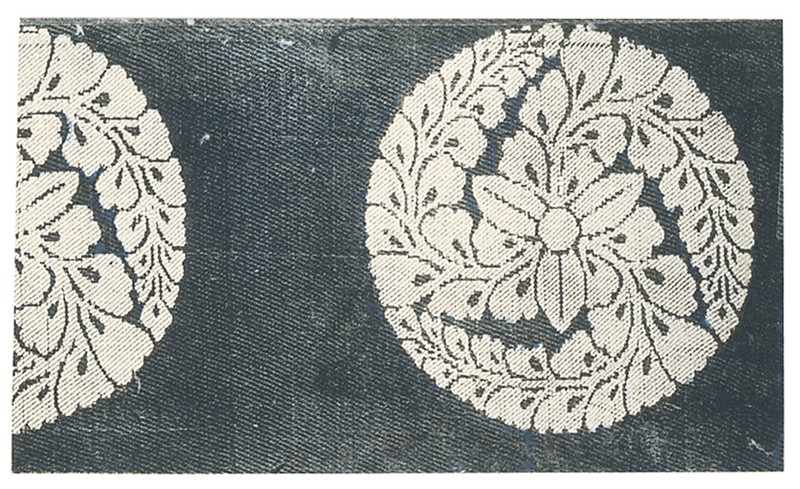
Japanese Textile Designs 125
-
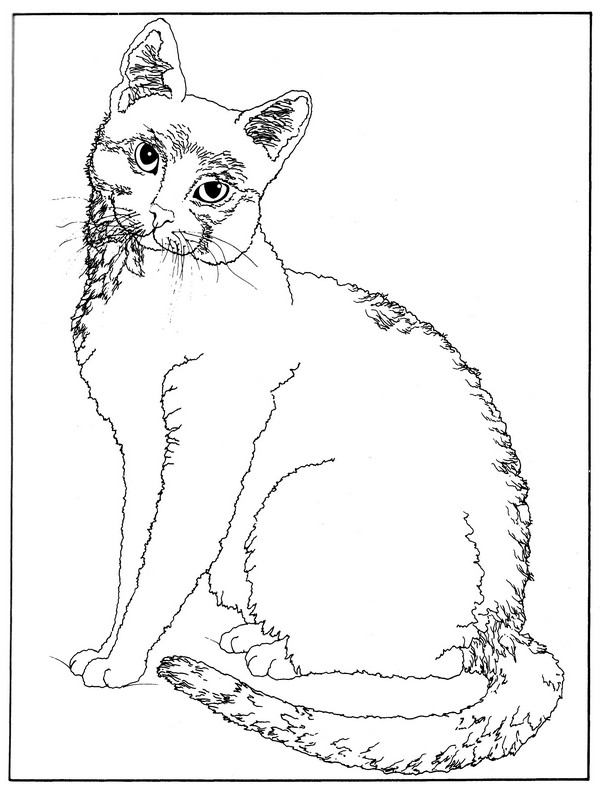
American Wirehair Coloring Page
-
The Growing Edge
Every moment of life invites us to open our eyes to what Howard Thurman calls “the growing edge” of life, and aspire to grow with it. As he says, nothing embodies the growing edge better than a newborn — or, I’d say, a very young child.
A wonderful and interesting article from PARKER J. PALMER. Click here for more.


 RichardbBrunner