-
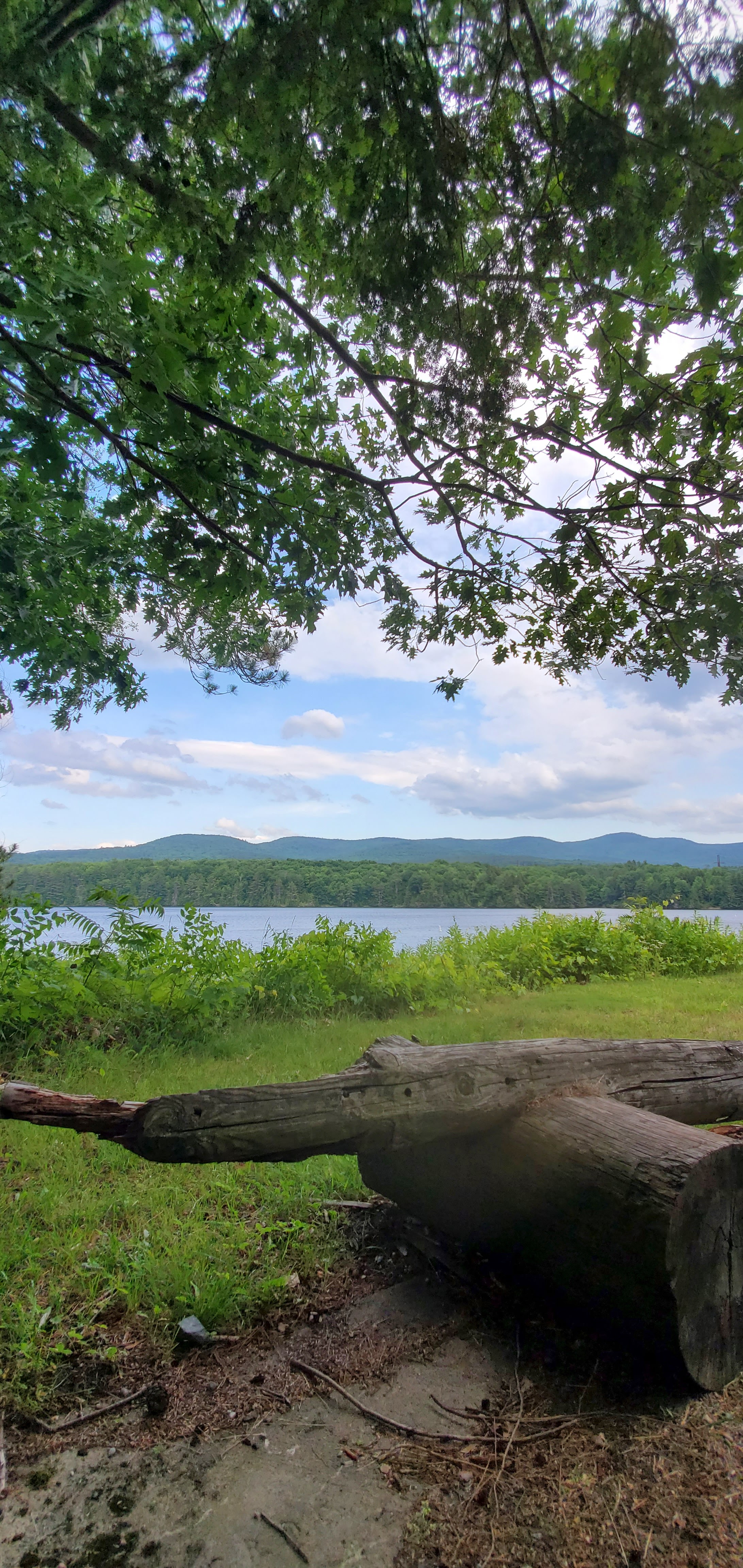
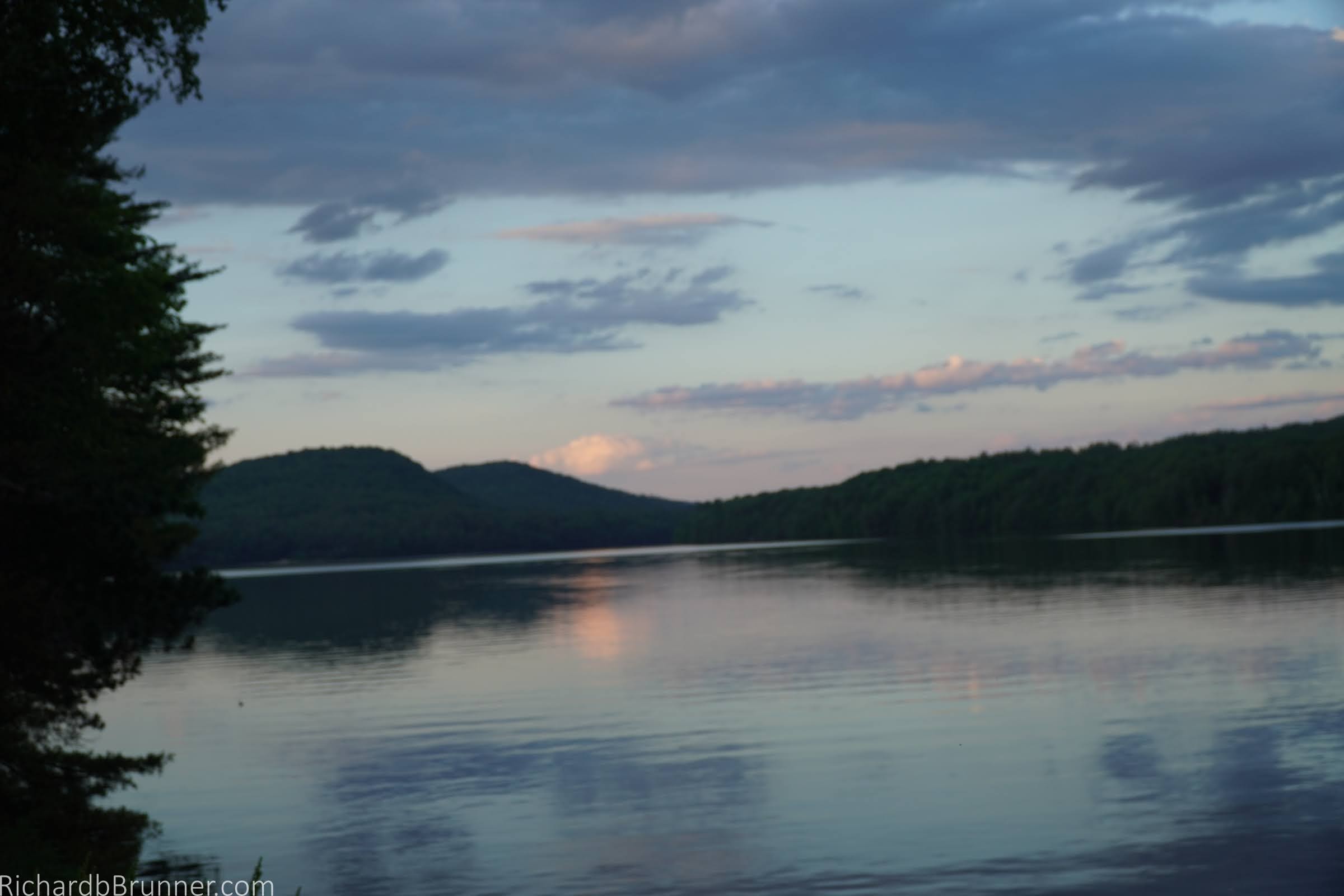
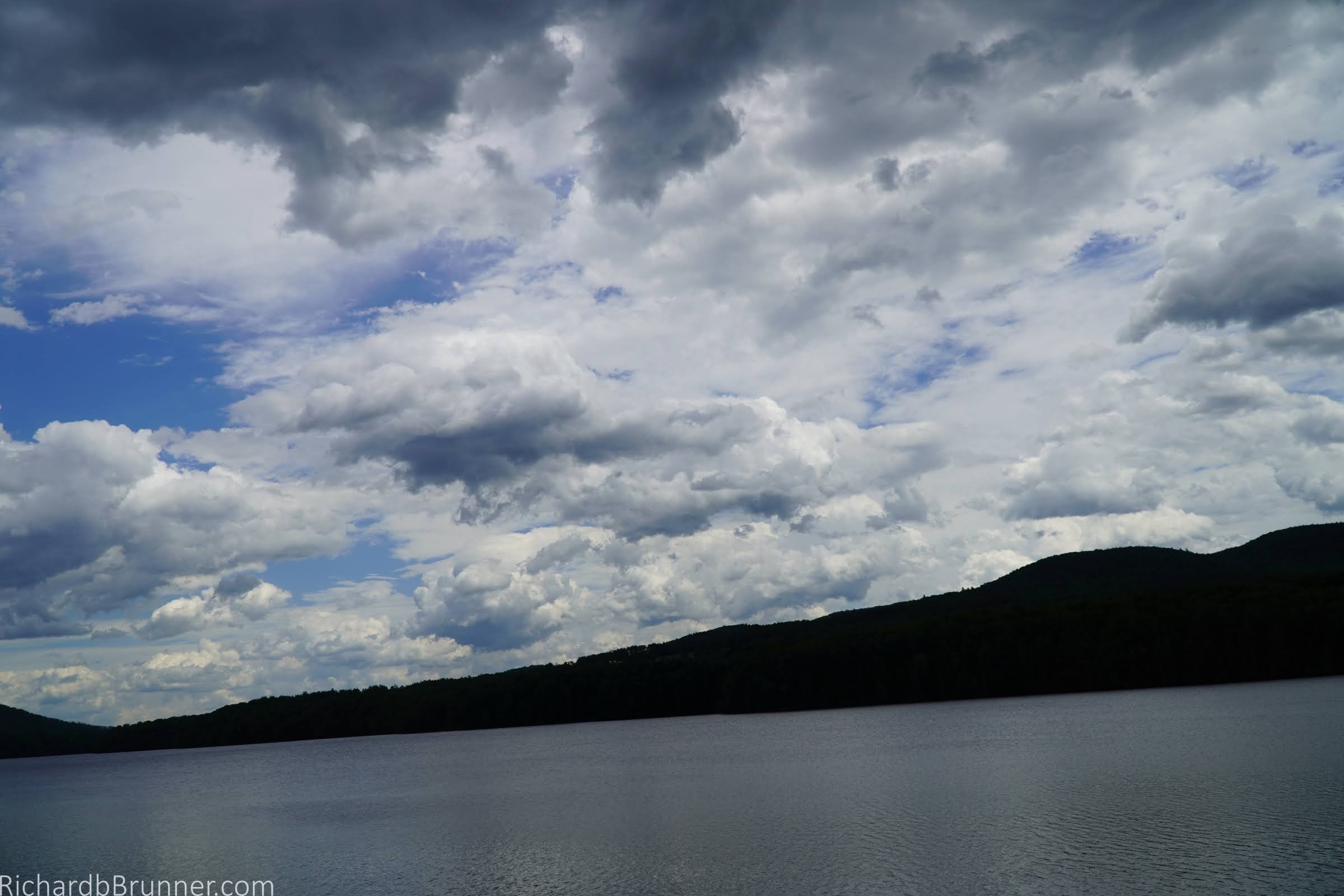
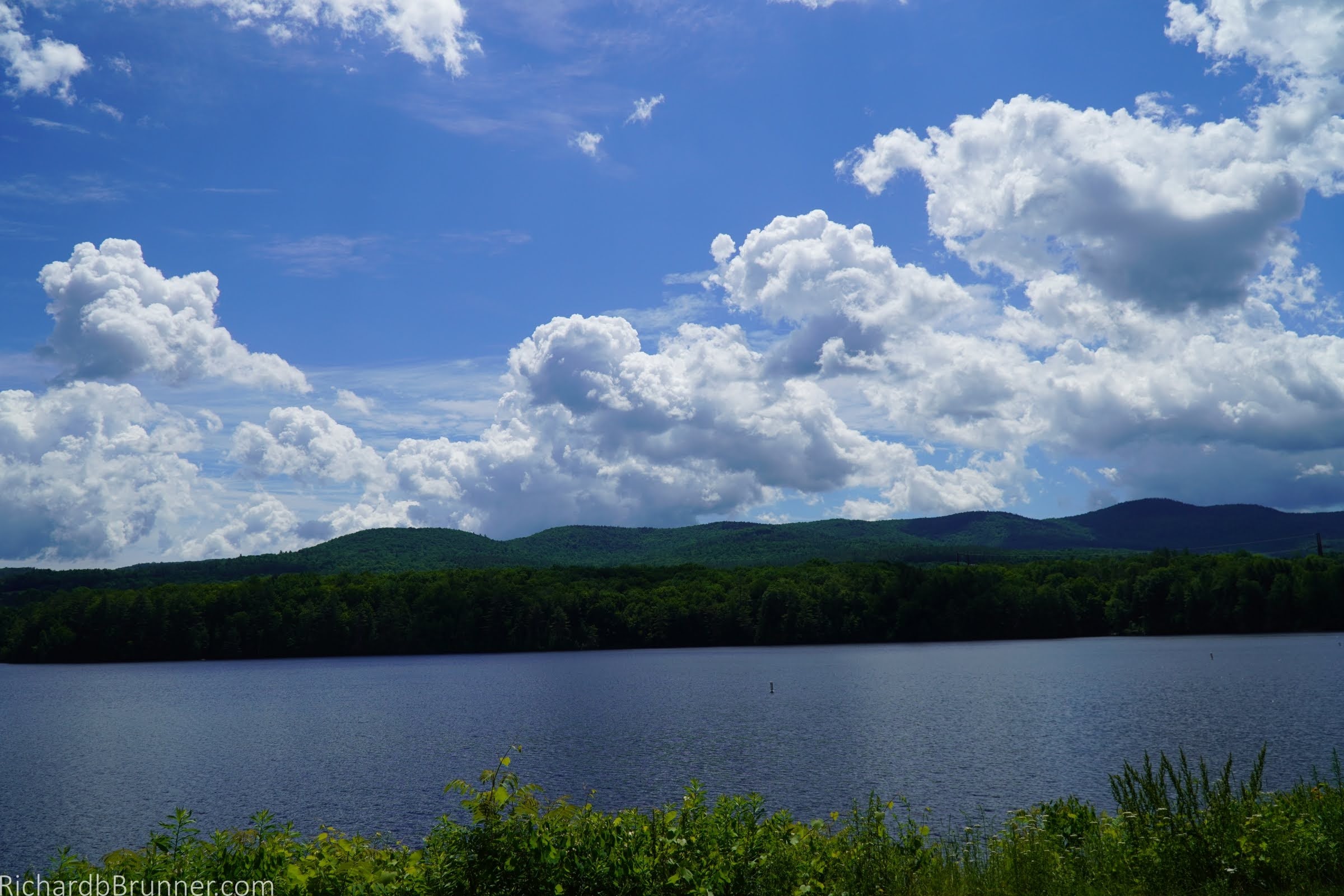
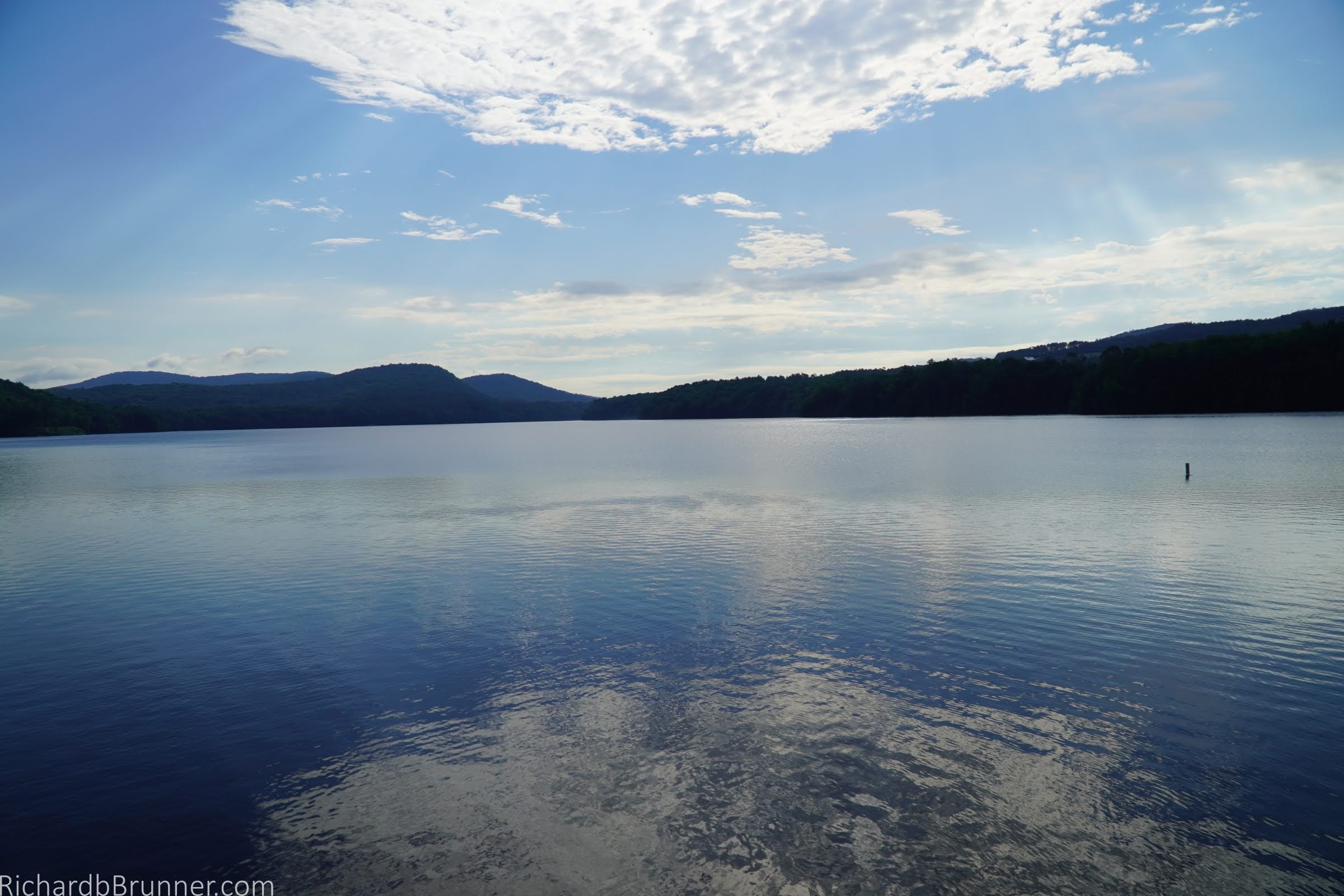
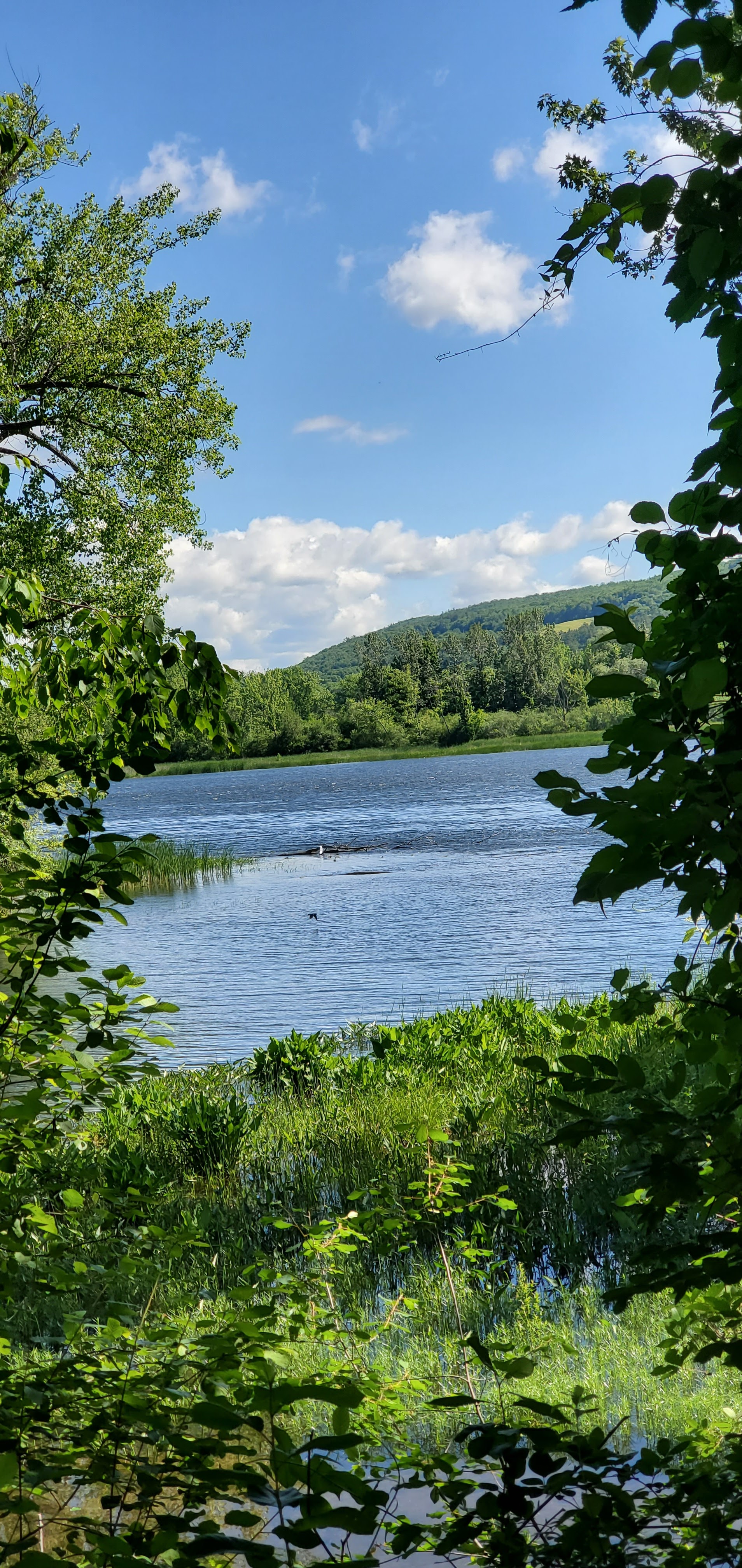
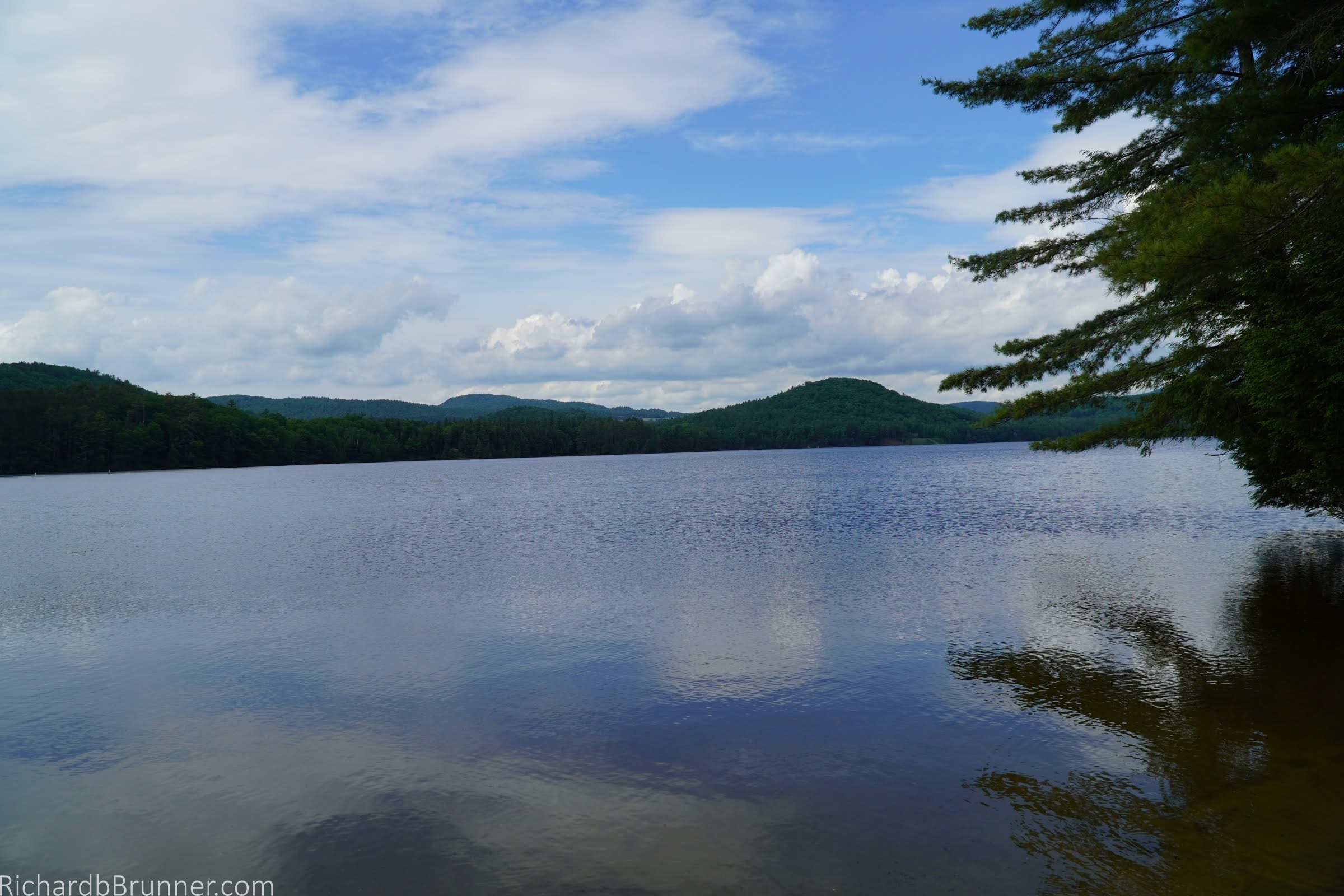
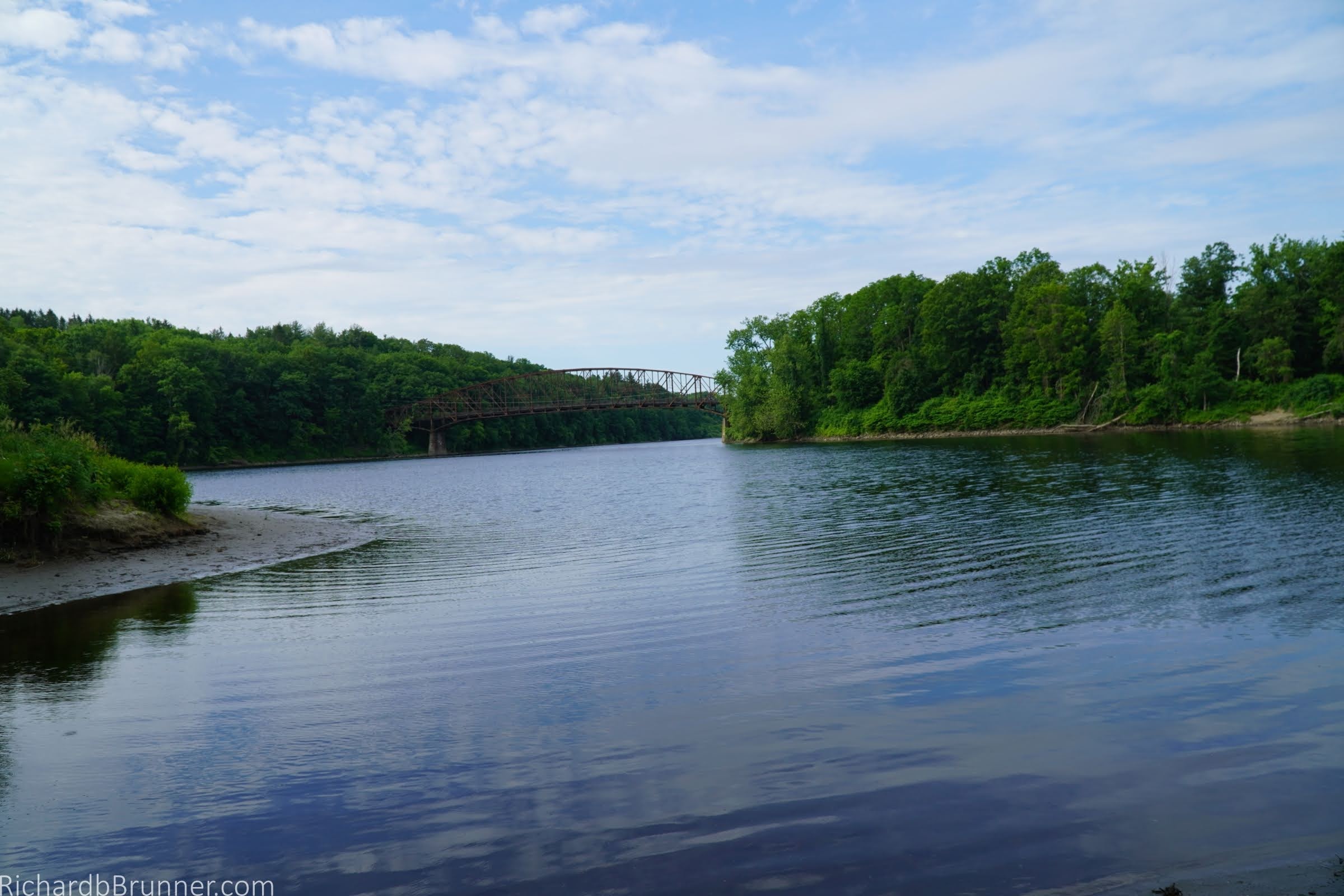
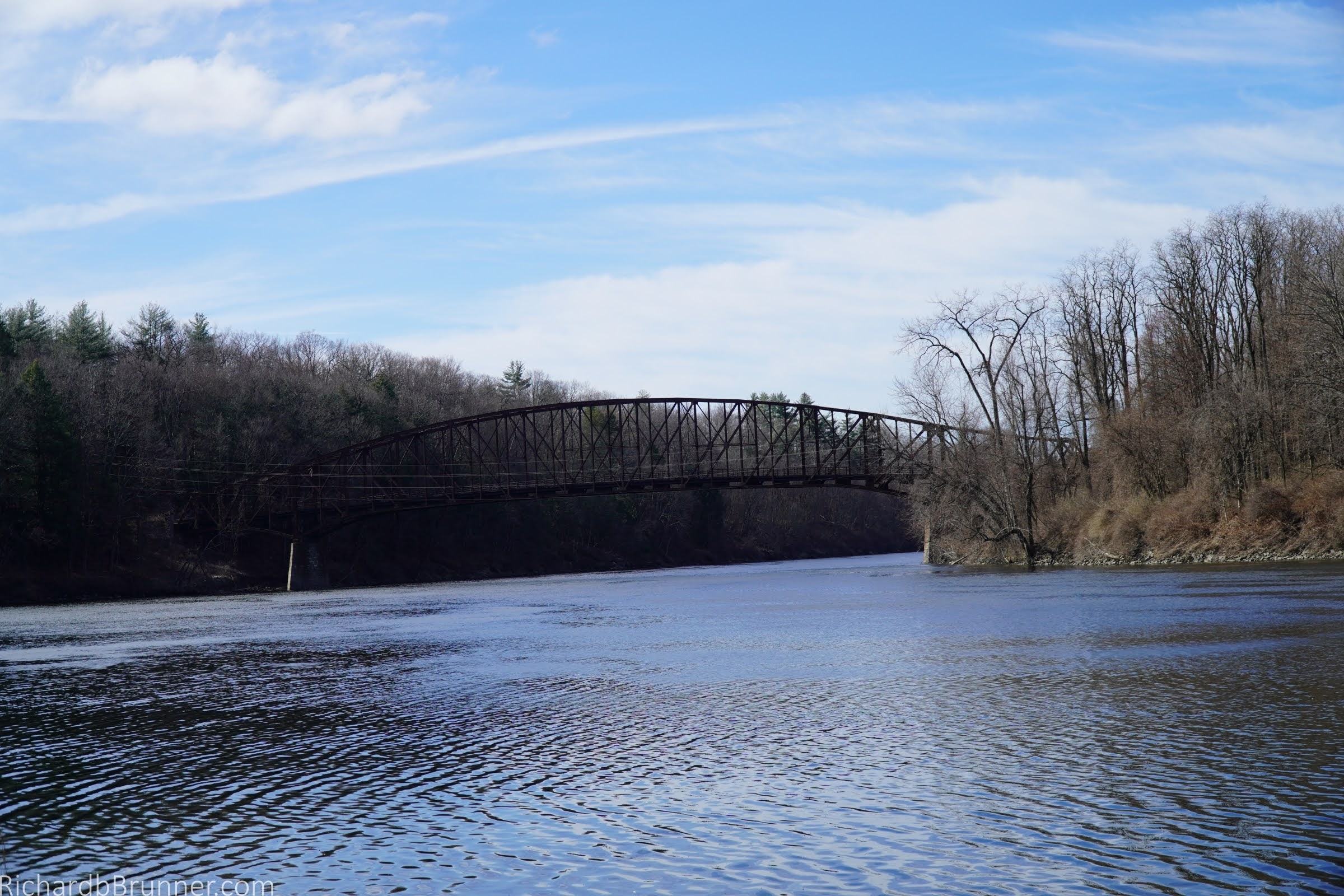
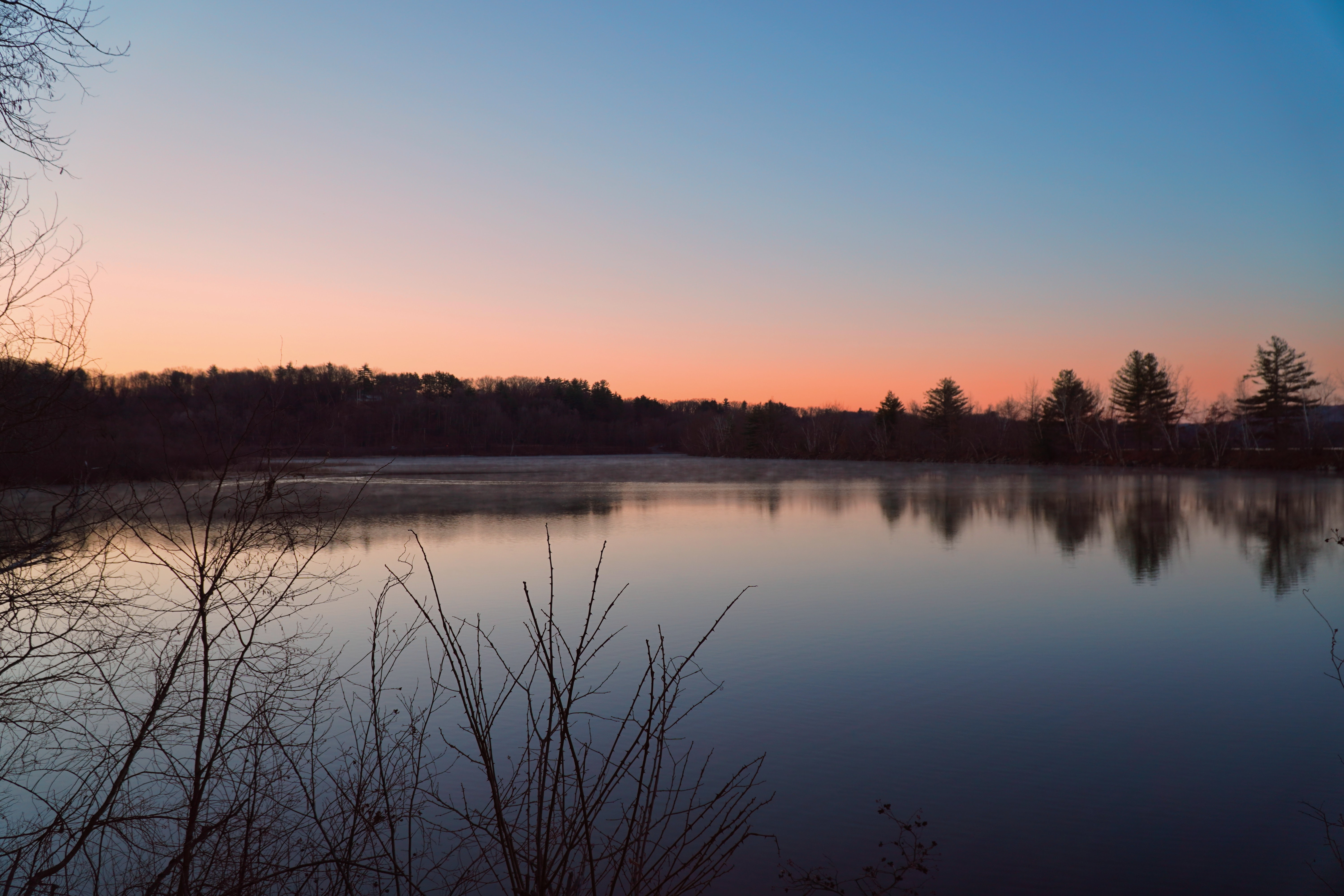
TravelTuesday: Connecticut River
-
MusicMonday: Jorge Drexler – ¿Cómo se ama? (Video Oficial)
-
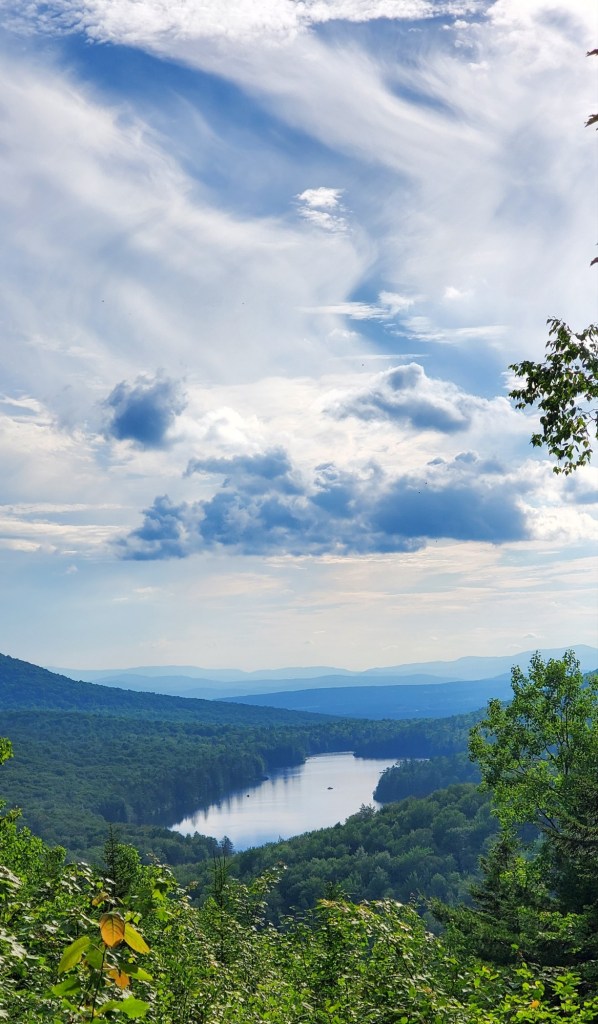
From the Archives: July 12 2021 Groton State Park
-
Watch: Plainfield, Two Years After the Flood [Stuck in Vermont 771]
On July 10 and 11, 2024, the village of Plainfield was hit hard by flooding that washed out roads, bridges, houses and apartments, the second major flooding event in as many years. After a deluge of rain, the Great Brook was raging with trees and rocks when it demolished the Mill Street Bridge and two-thirds of a historic apartment building that locals call the “Heartbreak Hotel.” Five cats died, and 12 residents were displaced. Images of the remnants of the battered building were seen around the globe in the news coverage that followed.
-
Japanese Textile Designs 41

-
Watch: A Philosophical Look at System Dynamics
Dartmouth College, Hanover, New Hampshire, Spring of 1977. In this lecture, Donella Meadows takes on a more philosophical concept. How can we bring ourselves to be aware of the assumptions we make as systems thinkers? She asserts that models are a set of assumptions. Donella Meadows defines some of these system dynamics assumptions (such as causal relationships and feedback loops) in this video.
-
WaterWednesday: watch The Surprising Solutions to the World’s Water Crisis
Our survival depends on water, yet global reserves are rapidly shrinking. It’s now replaced oil as the most likely cause of global conflict. Can technology help secure humanity’s future water needs?
Watch more from The Future With Hannah Fry -
MusicMonday: Nduduzo Makhathini – Unembeza (Official Video)
-
From the Archives: July 5 2020 Stand out

-
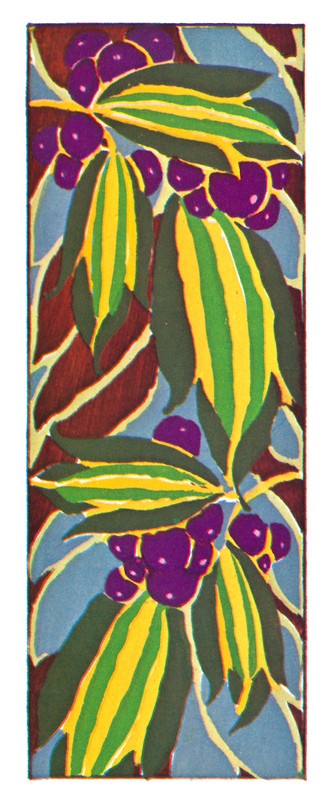
Seguy Art Deco Designs 25

 RichardbBrunner