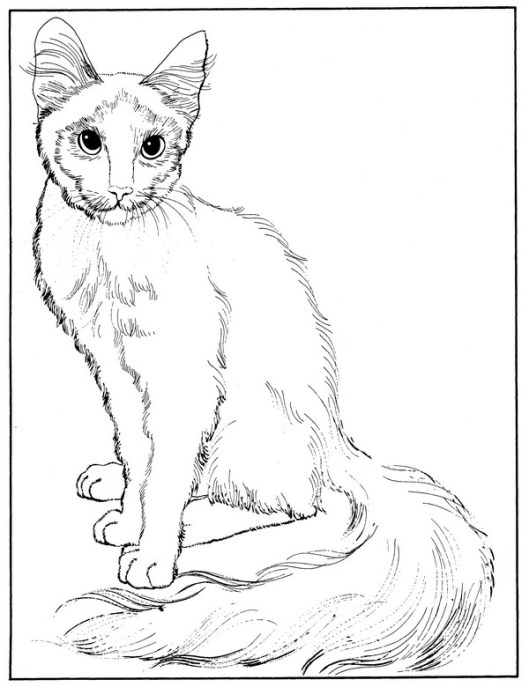
Posted by RichardB | Filed under Coloring Pages
≈ Comments Off on Coloring Page Balinese Cat

21 Saturday Sep 2019
20 Friday Sep 2019
Tags
some where in the blue …
aqua waves caress the beach
sunshine glistens on sand as far as the eyes can see 
stars dance every night in the sky
they tell us when to
pray and sleep
and love and pray
and sleep and love
in the morning
we drink mango juice from our palms
licking every drop
lips wanting more
when the sun is at its highest
the wind stops and waits for the clouds ….
sitting in the evening distance
20 Friday Sep 2019
The most authentic thing about us is our capacity to create, to overcome, to endure, to transform, to love and to be greater than our suffering. Ben Okri

19 Thursday Sep 2019

18 Wednesday Sep 2019
18 Wednesday Sep 2019
Posted in creative arts therapy, dance, Dance Movement Therapy, YouTube
≈ Comments Off on Kinesthetic Empathy: The Keystone of Dance/Movement Therapy
17 Tuesday Sep 2019
Tags
I drive way too fast to worry about cholesterol. Author Unknown

16 Monday Sep 2019
Posted in Music
≈ Comments Off on Natalia Lafourcade – Hasta la Raíz
16 Monday Sep 2019
Tags
A worksheet that I have used with folks.
First Step Worksheet: Acceptance
“We admitted we are powerless over our addiction, that our lives had become unmanageable.”
The first thing is to admit powerlessness, or, in other words, to say “I can’t control my use of drugs/alcohol, or the consequences of my use of drugs/ alcohol.”

• How have drugs placed your life, or the lives of others, in jeopardy?
What family/personal problems have you had? What legal problems have you had? What work problems have you had?
• How have you lost self-respect due to your drug use?
• How have you tried to control your use of drugs?
• What types of physical abuse have happened to you, or others, as a result of your drug use?
• Are you happy with yourself about your alcohol/drug use?
It is important to honestly look at how the consequences of our drug use have affected us. This is “connecting the dots”. When I use, this is what happens. Looking back over your using history:
• What health problems have you had?
• What sexual problems have you had?
• What financial problems have you had?
Remember that “loss of control” (powerlessness) and problems (un-manageability) are symptoms of the disease of drug/alcohol dependence. In order to recover, people have admitted their limitations and accepted that the solution is to be open to support from others (NA/AA) and to stay away from the first use, one day at a time!
14 Saturday Sep 2019
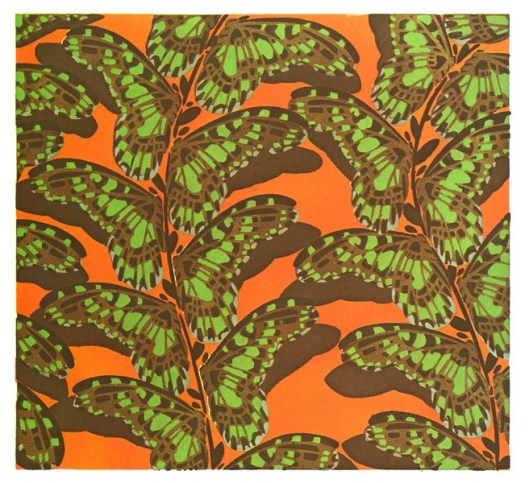
Posted by RichardB | Filed under Seguy Art Deco Designs
≈ Comments Off on Seguy Art Deco Designs 121
14 Saturday Sep 2019
13 Friday Sep 2019
Posted in create, Creativity, quote, self talk, Wellness
≈ Comments Off on Creativity requires the courage
13 Friday Sep 2019
Each year, dozens of Canadian Aboriginal women are murdered or disappear never to be seen again. Some end up in a river that runs through the heart of Winnipeg. One of them was a 15-year-old school girl called Tina Fontaine, whose body was found in August 2014. Read the entire article here.

12 Thursday Sep 2019
Posted in Japanese Textile Designs, photos, quote
Tags
“Words mean more than what is set down on paper. It takes the human voice to infuse them with deeper meaning.” Maya Angelou

11 Wednesday Sep 2019
Posted in YouTube
≈ Comments Off on The Power of Outrospection
11 Wednesday Sep 2019
Posted in Depression, Handout, mental health, Psychoeducation, Therapy
≈ Comments Off on Men and Depression
Tags
depression, men, self, symtoms, wellness
In my years f doing groups I have on occasion facilitated men only groups. One issue that comes up is depression. We all have bouts of sadness now and than and when those bouts of sadness interfere with our daily lives than we need to take a step in the direction of change. Below is a handout I often use, particularly with dual diagnosed men.
Symptoms of Depression
Not everyone who is depressed or manic experiences every symptom. Some people experience only a few; some people suffer many. The severity of symptoms varies among individuals and also over time.
· Persistent sad, anxious, or “empty” mood.
· Feelings of hopelessness or pessimism.
· Feelings of guilt, worthlessness, or helplessness.
· Loss of interest or pleasure in hobbies and activities that were once enjoyable
· Decreased energy, fatigue; feeling “slowed down.”
· Difficulty concentrating, remembering, or making decisions.
· Trouble sleeping, early-morning awakening, or oversleeping.
· Changes in appetite and/or weight.
· Thoughts of death or suicide, or suicide attempts.
· Restlessness or irritability.
· Persistent physical symptoms, such as headaches, digestive disorders, and chronic pain that do not respond to routine treatment.
Co-Occurrence of Depression with Other Illnesses
Depression can coexist with other illnesses. In such cases, it is important that the depression and each co-occurring illness be appropriately diagnosed and treated. Research has shown that anxiety disorders which include post-traumatic stress disorder (PTSD), obsessive-compulsive disorder, panic disorder, social phobia, and generalized anxiety disorder commonly accompany depression.
Substance use disorders (abuse or dependence) also frequently co-occur with depressive disorders. Research has revealed that people with drug and/or alcohol addiction are almost twice as likely to experience depression.
Depression has been found to occur at a higher rate among people who have other serious illnesses such as heart disease, stroke, cancer, HIV, diabetes, and Parkinson’s.
Causes of Depression
Very often, a combination of cognitive, genetic, and environmental factors is involved in the onset of depression. Modern brain-imaging technologies reveal that, in depression, neural circuits responsible for the regulation of moods, thinking, sleep, appetite, and behavior fail to function properly.
In some families, depressive disorders seem to occur generation after generation; however, they can also occur in people with no family history of these illnesses. Genetics research indicates that risk for depression results from the influence of specific multiple genes acting together with non-genetic factors.
Environmental factors such as trauma, loss of a loved one, a difficult relationship, financial problem, or any stressful change in life patterns, whether the change is unwelcome or desired, can trigger a depressive episode in vulnerable individuals. Once someone experiences a bout of depression later episodes of depression may occur without an obvious cause.
Men and Depression
Men are more likely than women to report alcohol and drug abuse or dependence in their lifetime; however, there is debate among researchers as to whether substance use is a “symptom” of underlying depression in men or a co-occurring condition that more commonly develops in men. Nevertheless, substance use can mask depression, making it harder to recognize depression as a separate illness that needs treatment.
Instead of acknowledging their feelings, asking for help, or seeking appropriate treatment, men may turn to alcohol or drugs when they are depressed, or become frustrated, discouraged, angry, irritable, and, sometimes, violently abusive. Some men deal with depression by throwing themselves compulsively into their work, attempting to hide their depression from themselves, family, and friends. Other men may respond to depression by engaging in reckless behavior, taking risks, and putting themselves in harm’s way.
How to Help Yourself if You Are Depressed
Depressive disorders can make one feel exhausted, worthless, helpless, and hopeless. It is important to realize that these negative views are part of the depression and do not accurately reflect the actual circumstances. Negative thinking fades as treatment begins to take effect. In the meantime:
10 Tuesday Sep 2019

Posted by RichardB | Filed under Japanese Textile Designs
≈ Comments Off on Japanese Textile Designs 129
09 Monday Sep 2019
09 Monday Sep 2019
07 Saturday Sep 2019

Posted by RichardB | Filed under Japanese Textile Designs
≈ Comments Off on Japanese Textile Designs 137


