• Home
  • Music
  • About
  • Contact
  • CreativeTherapyTools.com

RichardbBrunner

~ creative arts therapist

RichardbBrunner

Tag Archives: meditation

Weight Loss and Meditation

01 Wednesday Oct 2025

Posted by RichardB in Wellness

≈ Comments Off on Weight Loss and Meditation

Tags

meditation, weight loss

Before you commit to that detox or diet you’re considering, try the simple, cost-free strategy that could not only help you slim down but also lift stress and anxiety off your shoulders.

What is meditation?
Meditation is a daily practice of clearing your mind in order to return to a place of clear thinking and calm emotions. Some people practice for as little as five minutes a day, although most meditation experts suggest working up to 20 minutes daily.

How do you meditate?
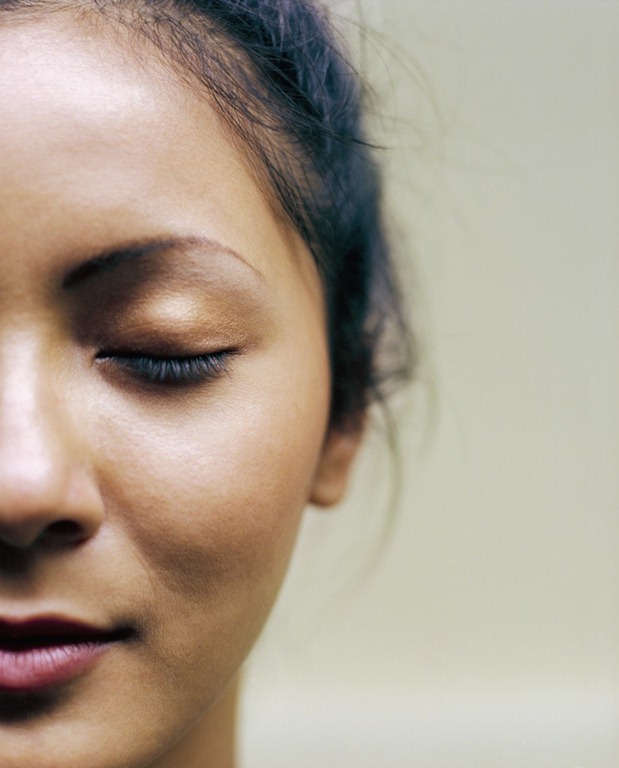
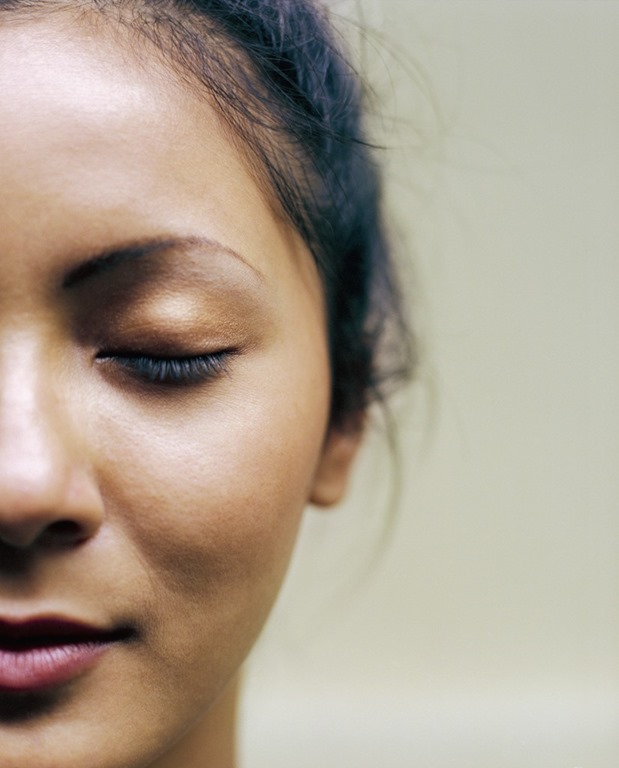
Meditation doesn’t have to be difficult! If you’re just starting out, try taking five minutes as soon as you wake up to clear your mind before you face your busy day. Simply close your eyes and focus on the pattern of your breathing without trying to change it. Focus only on your breathing. If your mind wanders–and it probably will at first–simply guide your mind back to your breathing without judgement.
Although many suggests practicing for 10 minutes daily–five minutes in the morning and five at night but the amount of time is not as important as simply doing it regularly. It can be hard to form new habits, so if you start at just five minutes a day, that’s OK. Whatever amount of time you start with, it’s been shown that the best time to meditate is first thing in the morning and right before you go to bed at night. Feel free to sit or lie down, whatever feels most comfortable for you.

What’s the connection between meditation and weight loss?
Meditation can be an effective tool to help people lose weight by aligning the conscious and unconscious mind to agree on changes we want to apply to our behavior. Those changes could be a number of factors such as cravings for unhealthy food or control of eating behaviors. It’s important to get your unconscious mind involved because that’s where those bad habits that often cause us to pack on the pounds, like emotional eating, are ingrained. Meditation can help you be more aware of these and, with practice, override them and even replace them with slimming habits.


But there’s a more immediate payoff of meditating. Meditation can directly reduce the levels of stress hormones. Stress hormones, like cortisol, signal our bodies to store calories as fat. If you have a ton of cortisol pumping through your system, it’s going to be harder to lose weight even if you’re making healthy choices than if you clear all that stress out. We know that sounds hard; we’re all stressed, and it seems impossible to shake. But all it takes is 25 minutes of meditation three days in a row to significantly reduce stress, a study out of Carnegie Mellon University found. Hormones not only tell our bodies to store extra weight but also cause other physical problems that can lead to excess weight, like inflammation.
Participants in a 2016 study showed “increased attention, relaxation, calmness, body-mind awareness, and brain activity,” after just a couple short sessions according to Yi-Yuan Tang, the presidential endowed chair in neuroscience and a professor in the Department of Psychological Sciences at Texas Tech University. Your self-control could also increase with daily practice, the study suggests. Researchers found that the parts of the brain most affected by meditation were those that help us control ourselves. That means a couple minutes of meditation daily could make it easier to pass on that second cookie or avoid the ice cream when you’re feeling down.

How can meditation help when diet and exercise don’t seem to be working?
In many cases stress is a primary trigger for excessive weight gain or the inability to effectively lose weight. So if you’ve been dieting and exercising, but constantly feel stressed, you might not be addressing the problem that’s keeping the weight around. Again, stress releases hormones that store extra fat–exactly what we don’t want! This can even fuel a cycle of stress. You can’t lose weight because you’re stressed, which makes you stress about not being able to lose weight. It’s an easy pattern to get stuck in, but you can break it–and meditation can help.
To better deal with stress or eliminate it, you need to first understand what causes it the most in your life. Some stressors are easy to identify, but others can be more subtle.

How can you make sure meditation works for you?
If you want to add meditation to your weight-loss arsenal, it’s important to not make it stressful. Meditation is supposed to help you ditch the stress, not be a source of it. Here are three easy ways to incorporate the calming practice into your daily life without feeling like it’s an extra obligation or chore. Of course, you’ll see the best results if you make meditation a habit and make time every day for even a couple minutes of practice.
Use a mantra that helps you lose weight. A mantra is a word or phrase that you repeat to yourself to focus your practice and bring you back to center when your mind wanders. A mantra can give you something to focus on while you meditate. Although many people find it helpful to their practice–especially since you pick something that resonates with you personally–it is absolutely not necessary. Don’t feel that you need to force yourself to use one if it doesn’t feel natural or helpful. If you choose to use one repeat it to yourself as you inhale and again as you exhale. Common choices include “I am loved,” “I am at peace,” and “Om.” If a mantra just doesn’t feel right for you simply focus on your breathing.


Follow your breath to reduce stress. Try using four counts on your inhale and eight counts on your exhale. But meditation is all about reducing stress, so if these counts feel strained or unnatural it’s OK to deviate from them. Try to increase your counts every time you meditate.
Try a guided meditation. Feeling a little lost on your own? No problem! There are plenty of recordings, podcasts, websites, and phone apps that connect you with experts who can guide you through meditation exercises until you feel comfortable going it alone.


Meditation may physically alter regions of the brain

14 Wednesday Aug 2024

Posted by RichardB in Minfulness, Wellness

≈ Comments Off on Meditation may physically alter regions of the brain

Tags

meditation, wellness

Meditation may physically alter regions of the brain
 
Harvard researchers at the Massachusetts General Hospital reported that the practice of mindfulness meditation can physically alter regions of the brain associated with memory, sense of self, empathy, and stress.


The study, published in January 2015, in “Psychiatry Research: Neuro-imaging” indicates that the brain’s gray matter may change as a result of meditation.
“Although the practice of meditation is associated with a sense of peacefulness and physical relaxation, practitioners have long claimed that meditation also provides cognitive and psychological benefits that persist throughout the day,” said Sara Lazar, the study’s senior author. “This study demonstrates that changes in brain structure may underlie some of these reported improvements and that people are not just feeling better because they are spending time relaxing.”
Researchers measured MR images of participants brains during the eight-week “Mindfulness-Based Stress Reduction” program, conducted by the University of Massachusetts Center for Mindfulness. Participants spent an average of 27 minutes in meditation during the program. The program was delivered through recorded audios and guided meditations.

Compared to measurements on MR scans of a control group who did not participate in the program, the participants’ brains showed an increase in gray-matter density in the hippocampus. The hippocampus is the region of the brain associated with learning, introspection, memory and awareness. There also was a decrease in gray-matter density in the amygdala, the region associated with anxiety and stress. However, the Insula, a region of the brain thought to be associated with self-awareness according to earlier research, remained unchanged, and the researchers hypothesize that participants may have to meditate for longer periods of time before any change is noticed in this region.

It has been noted that meditation can reduce stress but according to Britta Hölzel, one of the authors, “Other studies in different patient populations have shown that meditation can make significant improvements in a variety of symptoms, and we are now investigating the underlying mechanisms in the brain that facilitate this change.”
The researchers believe that these findings of physiological change can pave the wave for a better understanding and treatment of stress-related disorders. The study was supported by the BBC, National Institutes of Health and the Mind and Life Institute.

a brain


https://news.harvard.edu/gazette/story/2011/01/eight-weeks-to-a-better-brain/

Being Creative & Meditation

20 Wednesday Mar 2024

Posted by RichardB in Creativity, grounding, Meditation, mindfulness

≈ Comments Off on Being Creative & Meditation

Tags

create, Creativity, meditation, mindfulness

Certain meditation techniques can promote creative thinking, even if you have never meditated before. This is the outcome of a study by cognitive psychologist Lorenza Colzato and Dominique Lippelt at Leiden University, published in Mindfulness.MP900309017

Long-lasting influence

The study is a clear indication that you don’t need to be an experienced meditator to profit more from meditation. The findings support the belief that meditation can have a long-lasting influence on human cognition, including how we conceive new ideas. Besides experienced meditators, also novices may profit from meditation.

Different techniques, different effects

But the results demonstrate that not all forms of meditation have the same effect on creativity. Test persons performed better in divergent thinking (= thinking up as many possible solutions for a given problem) after Open Monitoring meditation (= being receptive to every thought and sensation). The researchers did not see this effect on divergent thinking after Focused Attention meditation (=focusing on a particular thought or object.)

Setup of the study

Print40 individuals participated in this study, who had to meditate for 25 minutes before doing their thinking tasks. There were both experienced mediators and people who never meditated before. The study investigated the influences of different types of meditative techniques on the two main ingredients of creativity:

  • Divergent thinking Allows for many new ideas to be generated. It is measured using the so-called Alternate Uses Task method where participants are required to think up as many uses as possible for a particular object, such as a pen.
  • Convergent thinking Convergent thinking, on the other hand, is a process whereby one possible solution for a particular problem is generated. This is measured using the Remote Associates Task method, where three unrelated words are presented to the participants, words such as ‘time’, ‘hair’ and ‘stretch’. The participants are then asked to identify the common link: in this case, ‘long’.

Lorenza S. Colzato, Ayca Szapora, Dominique Lippelt, Bernhard Hommel. Prior Meditation Practice Modulates Performance and Strategy Use in Convergent- and Divergent-Thinking Problems. Mindfulness, 2014; DOI: 10.1007/s12671-014-0352-9

Study shows gene expression changes with meditation

19 Wednesday Jul 2023

Posted by RichardB in Minfulness

≈ Comments Off on Study shows gene expression changes with meditation

Tags

meditation, mindfulness

1378006_10151699852947169_1244682694_nWith evidence growing that meditation can have beneficial health effects, scientists have sought to understand how these practices physically affect the body.

A new study by researchers in Wisconsin, Spain, and France reports the first evidence of specific molecular changes in the body following a period of mindfulness meditation. The study investigated the effects of a day of intensive mindfulness practice in a group of experienced meditators, compared to a group of untrained control subjects who engaged in quiet non-meditative activities. After eight hours of mindfulness practice, the meditators showed a range of genetic and molecular differences, including altered levels of gene-regulating machinery and reduced levels of pro-inflammatory genes, which in turn correlated with faster physical recovery from a stressful situation.

“To the best of our knowledge, this is the first paper that shows rapid alterations in gene expression within subjects associated with mindfulness meditation practice,” says study author Richard J. Davidson, founder of the Center for Investigating Healthy Minds and the William James and Vilas Professor of Psychology and Psychiatry at the University of Wisconsin-Madison.

“Most interestingly, the changes were observed in genes that are the current targets of anti-inflammatory and analgesic drugs,” says Perla Kaliman, first author of the article and a researcher at the Institute of Biomedical Research of Barcelona, Spain (IIBB-CSIC-IDIBAPS), where the molecular analyses were conducted.

The study was published in the journal Psychoneuroendocrinology.

Mindfulness-based trainings have shown beneficial effects on inflammatory disorders in prior clinical studies. The new results provide a possible biological mechanism for therapeutic effects.

The results show a down-regulation of genes that have been implicated in inflammation. The affected genes include the pro-inflammatory genes RIPK2 and COX2 as well as several histone deacetylase (HDAC) genes, which regulate the activity of other genes epigenetically by removing a type of chemical tag. What’s more, the extent to which some of those genes were downregulated was associated with faster cortisol recovery to a social stress test involving an impromptu speech and tasks requiring mental calculations performed in front of an audience and video camera.f-193

Perhaps surprisingly, the researchers say, there was no difference in the tested genes between the two groups of people at the start of the study. The observed effects were seen only in the meditators following mindfulness practice. In addition, several other DNA-modifying genes showed no differences between groups, suggesting that the mindfulness practice specifically affected certain regulatory pathways.

However, it is important to note that the study was not designed to distinguish any effects of long-term meditation training from those of a single day of practice. Instead, the key result is that meditators experienced genetic changes following mindfulness practice that were not seen in the non-meditating group after other quiet activities — an outcome providing proof of principle that mindfulness practice can lead to epigenetic alterations of the genome.

Previous studies in rodents and in people have shown dynamic epigenetic responses to physical stimuli such as stress, diet, or exercise within just a few hours.

“Our genes are quite dynamic in their expression and these results suggest that the calmness of our mind can actually have a potential influence on their expression,” Davidson says.

“The regulation of HDACs and inflammatory pathways may represent some of the mechanisms underlying the therapeutic potential of mindfulness-based interventions,” Kaliman says. “Our findings set the foundation for future studies to further assess meditation strategies for the treatment of chronic inflammatory conditions.”

Study funding came from National Center for Complementary and Alternative Medicine (grant number P01-AT004952) and grants from the Fetzer Institute, the John Templeton Foundation, and an anonymous donor to Davidson. The study was conducted at the Center for Investigating Healthy Minds at the UW-Madison Waisman Center.

Journal Reference:

Perla Kaliman, María Jesús Álvarez-López, Marta Cosín-Tomás, Melissa A. Rosenkranz, Antoine Lutz, Richard J. Davidson. Rapid changes in histone deacetylases and inflammatory gene expression in expert meditators.Psychoneuroendocrinology, 2014; 40: 96 DOI: 10.1016/j.psyneuen.2013.11.004

Meditation can change you| Big Think

14 Wednesday Dec 2022

Posted by RichardB in Creative Therapy Tools, Meditation, mindfulness

≈ Comments Off on Meditation can change you| Big Think

Tags

meditation, mindfulness

There are a lot of misconceptions when it comes to what mindfulness is and what meditation can do for those who practice it. In this video, professors, neuroscientists, psychologists, composers, authors, and a former Buddhist monk share their experiences, explain the science behind meditation, and discuss the benefits of learning to be in the moment. “Mindfulness allows us to shift our relationship to our experience,” explains psychologist Daniel Goleman. The science shows that long-term meditators have higher levels of gamma waves in their brains even when they are not meditating. The effect of this altered response is yet unknown, though it shows that there are lasting cognitive effects. “I think we’re looking at meditation as the next big public health revolution,” says ABC News anchor Dan Harris. “Meditation is going to join the pantheon of no-brainers like exercise, brushing your teeth and taking the meds that your doctor prescribes to you.” Closing out the video is a guided meditation experience led by author Damien Echols that can be practiced anywhere and repeated as many times as you’d like.

We walk together

02 Thursday Jun 2022

Posted by RichardB in creative arts therapy, Dance Movement Therapy

≈ Comments Off on We walk together

Tags

Addiction, clients, meditation, movement therapy, Patients, Psychotherapy, recovery, rehab

In my work with clients/patients I sometimes use the written word to help process what they are feeling and what I am feeling about working with them.  I worked for years at a residential drug/alcohol rehab center and wrote a short poem about one experience.

1. We walk together
toe to heal
In the way we came here

Youngest to oldest – Male to female –
Opiate to alcohol – Forceps to stone

2. We all
Everyone of us
walk for a reason

3. Up the hill
breathlessly
we reach the top

4. around the pond and into the trees
A shelter – A holding
in the environment

5. Close your eyes
Notice your breath – As you inhale – as you exhale
Feel the wind – notice the smells – the scent of the earth

The sunlight and shadows sway back and forth to the rhythm of the branches moving in the wind

6. Don’t be afraid – shiver- cry out – weep – scream
We are all killers inside
We are all healers inside
Our blood runs through the veins of our ancestors
And is here to stay – an echo of times now gone

A dream of times yet to come

Interpretation

1. Today I took my clients outside to the park. We walked in a pecking order; the client with the most time were in front followed by the others in order of time, drug of choice, sex, finally by age. It was a metaphor for their life journey, of their choices and circumstances thrust on them from birth.

2. In the clients (and us all) our journey is a reflection of who and where we came from. Our personality and our history. Our wants and needs. Our understanding of these things. In this residential rehab clients have come because of an intersection of factors, both internal and external.

3. The walk with the clients took us up a sharp and steep hill, the last little leg of our walk before we reached the park and the pond. The walk of addiction is a mighty hard row to hoe in the discovery of the self

4. The clients were very happy to see the pond and dogs and people, and we headed for the trees to find some sanctuary. This little stand of trees I felt would be a good holding environment to do a movement meditation in a public space.

5. I led the group through a meditation in the environment, giving them a chance to be calm/passive and feel nature, with its enormous power. Like that higher power that 12 step teaches. Also nature has a rhythm that we, as earthlings cannot escape, it is deep inside us, with us since the womb.

6. In the mediation I encouraged the group to go to where it was safe and to go a little beyond safety, to a new place. Being different (clean/sober) in a setting (park) that is familiar is challenging. They will face that challenge when they leave the rehab. As addicts they must accept their dark side, and they must recognize their light side. This killer and healer is the story of being human, told by all cultures since we first lit a fire and huddled together. It is this story telling that teaches us to remember the mistakes so we know what to do if we make them and know how to avoid them.

catas

Meditation and Pain Management

11 Tuesday Jan 2022

Posted by RichardB in Meditation, mindfulness, Uncategorized

≈ Comments Off on Meditation and Pain Management

Tags

meditation, pain management

Meditation can relieve pain, and it does so by activating multiple brain areas, according to an April 2011 study in the Journal of Neuroscience. Fadel Zeidan of Wake Forest University and his colleagues scanned people’s brains as they received uncomfortably hot touches to the leg. When subjects practiced a mindful meditation technique that encourages detachment from experience while focusing on breathing, they reported less 00402582pain than when they simply paid attention to their breathing. Likewise, different patterns of brain activity emerged under the two conditions, with mindful meditating resulting in more activity not only in executive centers that evaluate experiences and regulate emotions but also in lower regions that control the signals coming from the body.

The volunteers learned the meditation technique in only four 20-minute sessions, which means this pill-free analgesia could be a feasible way to help real patients suffering from pain. “People can reap some of the benefits of meditation without extensive training,” Zeidan says.

When I work with patients using mindfulness I start by asking who has experience with any type of meditation, breathing techniques and/or relaxation exercises. We than have a  brief explanation and question and answer period and I focus on removing any doubt, fear, or skepticism. I usually than do a 10 to 12 minute body scan moving right into a mindful meditation that focuses on the breath.

With the co-occurring patients I work with this process seems to work the best. The chat in the beginning warms people up, the body scan relaxes which helps the meditators enter into a more meditative state.

How meditation can change your life and mind | Sam Harris, Jon Kabat-Zinn & more | Big Think

17 Thursday Dec 2020

Posted by RichardB in Meditation, mindfulness

≈ Comments Off on How meditation can change your life and mind | Sam Harris, Jon Kabat-Zinn & more | Big Think

Tags

meditation, mindfulness

There are a lot of misconceptions when it comes to what mindfulness is and what meditation can do for those who practice it. In this video, professors, neuroscientists, psychologists, composers, authors, and a former Buddhist monk share their experiences, explain the science behind meditation, and discuss the benefits of learning to be in the moment. “Mindfulness allows us to shift our relationship to our experience,” explains psychologist Daniel Goleman. The science shows that long-term meditators have higher levels of gamma waves in their brains even when they are not meditating. The effect of this altered response is yet unknown, though it shows that there are lasting cognitive effects. “I think we’re looking at meditation as the next big public health revolution,” says ABC News anchor Dan Harris. “Meditation is going to join the pantheon of no-brainers like exercise, brushing your teeth and taking the meds that your doctor prescribes to you.” Closing out the video is a guided meditation experience led by author Damien Echols that can be practiced anywhere and repeated as many times as you’d like.

Mindfulness: how to be present in the moment

20 Tuesday Oct 2020

Posted by RichardB in grounding, Health, Meditation, mindfulness, Wellness

≈ Comments Off on Mindfulness: how to be present in the moment

Tags

meditation, mindfulness

UC San Diego Center for Mindfulness joins William Mobley, MD, PhD for a discussion of how to be present in the moment and leverage the practice of mindfulness to stay engaged, focused, and fulfilled

Evidence based Yoga 2

01 Thursday Oct 2020

Posted by RichardB in Health, Wellness, Yoga

≈ Comments Off on Evidence based Yoga 2

Tags

activities, ADHD, adherents, alignment, analysis, Another, asanas, assessments, asthma, attention, attitude, author, authors, Back, behavior, benefits, Both, bronchodilator, Cardiovascular, cases, Cochrane, composition, concentration, conclusions, consensus, deficit, difference, disease, disorder, disorders, efficacy, energy, Europe, Evidence, Except, factors, handouts, harmony, Hatha, health, improvement, inadequacies, India, Indian, indices, instructor, intervention, interventions, Iyengar, life, lifestyle, literature, measures, medication, medicine, meditation, metabolic, method, methodology, origins, outcome, output, Overall, pain, Patients, persons, philosophy, postures, pranayama, purposes, questionnaire, Raja, RCTs, relaxation, resistance, response, restriction, results, selection, self, sessions, Spirometry, status, stimulus, subjects, symptoms, syndrome, techniques, therapy, times, tolerance, tradition, treatment, trend, viniyoga, week, weeks

Yoga is a mind and body practice in complementary medicine with origins in ancient Indian philosophy. Part two of evidence based Yoga:

Fitness and Health

Carpal tunnel syndrome A randomized, single-blind controlled trial of 42 patients with carpal tunnel syndrome assigned subjects to either a yoga treatment group or a wrist splint group, each 8 weeks in duration. Twice a week, the yoga group practiced postures specifically designed to strengthen and stretch each joint in the upper body. Yoga participants showed improvement in grip strength, pain levels, and Phalen’s sign when compared to the wrist splint group. Nerve conduction studies were not performed.15 A Cochrane review of 21 trials that evaluated the clinical outcome of nonsurgical treatment of carpal tunnel syndrome reported that 8 weeks of yoga practice significantly reduced pain as compared to wrist splinting. The yoga was described as having a “significant short-term benefit,” though the duration of this benefit is unknown.16

Depression A 2004 review of five RCTs that evaluated yoga-based interventions for depression and depressive disorders showed some positive outcomes and no adverse effects on patients’ mild to severe depressive disorders. However, poor study design and incomplete methodologic reporting makes this interpretation preliminary.17 An RCT studying 7 weeks of yoga training in a group of breast cancer survivors showed positive changes in emotional function, depression, and mood disturbance.18 “Yoga and stress management” (in the online version of this article) provides more information on this study and others involving the effects of yoga on stress.

Irritable bowel syndrome In an RCT, treatment with loperamide (Imodium) was compared to treatment with a series of 12 yoga postures practiced twice a day for 2 months in a small sample of patients with clinically diagnosed irritable bowel syndrome. Patients underwent measurement of surface electrogastrography, and trait and state anxiety tests were administered before, during, and up to 2 months after treatment. Both intervention groups demonstrated a decrease in bowel symptoms and state anxiety.19

Menopausal symptoms In a recent pilot study, 14 postmenopausal women reported via interview and questionnaire a decrease in the severity and frequency of hot flushes after 8 weeks of 90-minute “restorative yoga” classes. Although this initial finding sounds encouraging, this trial had no control group or objective parameter measurements.20 An RCT studying postmenopausal sleep quality divided 164 women into groups who participated in either 4 months of low-intensity yoga, a moderate-intensity walking program, or a wait-list control group. This study reported no statistically significant interventional effects of any treatment on total sleep quality or on any individual sleep quality domain.21

Multiple sclerosis An RCT of 57 subjects with clinically defined multiple sclerosis were assigned to weekly Iyengar yoga class plus home practice, a cycling program, or a wait-list control group for 6 months. Results showed that both active interventions produced significant improvement in perceived levels of energy and reduced fatigue; however, the specific effects of the yoga practice were not isolated.22 Osteoarthritis In a pilot study, 11 deconditioned, yoga naive subjects with a clinical diagnosis of knee osteoarthritis showed improvements in pain and knee stiffness after 8 weeks of yoga training. The group performed modified Iyengar yoga sessions once a week.23


Seizure disorders In 2000, a systematic review of the published literature revealed that only one study was able to meet the selection criteria for reliable research design. The reviewers concluded that no available evidence pointed to yoga therapy as an efficacious treatment for epilepsy.24

Strength and flexibility In a recent study on the fitness related effects of hatha yoga, 10 yoga-naïve and previously untrained subjects aged 18 to 27 years participated in 85 minutes of pranayama and hatha yoga practice twice a week for 8 weeks. These subjects showed significant improvement in upper and lower body muscular strength, endurance, and flexibility. No statistically significant change in body composition or pulmonary function was observed.13
In a partial RCT with a longer time frame, 54 subjects aged 20 to 25 years participated in either 5 months of yoga instruction or no activity. After that time period, both groups practiced yoga for an additional 5 months. The group practicing 10 months of yoga showed significant improvements in shoulder, trunk, hip, and neck flexibility, as well as a reported improved performance during submaximal exercise testing.25
A well-executed study compared subjects who underwent 24 hours of hatha yoga classes over 8 weeks with a control group. The yoga training group showed a 13% to 35% improvement in flexibility, balance, and muscular endurance. The authors concluded that hatha yoga practice has significant effects on balance and flexibility.26


REFERENCES

1. Tindle HA, Davis RB, Phillips RS, Eisenberg DM. Trends in use of complementary and alternative medicine by US adults: 1997-2002. Altern Ther Health Med. 2005;11(1):42-49.
2. Carrico M. Yoga Journal’s Yoga Basics: The Essential Beginner’s Guide to Yoga for a Lifetime of Health and Fitness. New York, NY: Henry Holt and Company; 1997.
3. Nayak NN, Shankar K. Yoga: a therapeutic approach. Phys Med Rehabil Clin N Am. 2004;15(4): 783-798, vi.
4. Innes KE, Bourguignon C, Taylor AG. Risk indices associated with the insulin resistance syndrome, cardiovascular disease, and possible protection with yoga: a systematic review. J Am Board Fam Pract. 2005;18(6):491-519.
5. Raub JA. Psychophysiologic effects of Hatha yoga on musculoskeletal and cardiopulmonary function: a literature review. J Altern Complement Med. 2002;8(6):797-812.
6. Luskin FM, Newell KA, Griffith M, et al. A review of mind-body therapies in the treatment of musculoskeletal disorders with implications for the elderly. Altern Ther Health Med. 2000;6(2): 46-56.
7. Jensen PS, Kenny DT. The effects of yoga on the attention and behavior of boys with attentiondeficit/ hyperactivity disorder (ADHD). J Atten Disord. 2004;7(4):205-216.
8. Kirkwood G, Rampes H, Tuffrey V, et al. Yoga for anxiety: a systematic review of the research evidence. Br J Sports Med. 2005;39(12):884-891.
9. Krisanaprakornkit T, Krisanaprakornkit W, Piyavhatkul N, Laopaiboon M. Meditation therapy for anxiety disorders. Cochrane Database Syst Rev. 2006;(1):CD004998.
10. Sabina AB, Williams AL, Wall HK, et al. Yoga intervention for adults with mild-to-moderate asthma: a pilot study. Ann Allergy Asthma Immunol. 2005;94(5):543-548.
11. Vendanthan PK, Kesavalu LN, Murthy KC, et al. Clinical study of yoga techniques in university students with asthma: a controlled study. Allergy Asthma Proc. 1998;19(1):3-9.
12. Sherman KJ, Cherkin DC, Erro J, et al. Comparing yoga, exercise, and a self-care book for chronic low back pain: a randomized, controlled trial. Ann Intern Med. 2005;143(12):849-856.
13. Tran MD, Holly RG, Lashbrook J, Amsterdam EA. Effects of Hatha yoga practice on the healthrelated aspects of physical fitness. Prev Cardiol. 2001;4(4):165-170.
14. Clay CC, Lloyd LK, Walker JL, et al. The metabolic cost of Hatha yoga. J Strength Cond Res. 2005;19(3):604-610.
15. Garfinkel MS, Singhal A, Katz WA, et al. Yoga-based intervention for carpal tunnel syndrome: a randomized trial. JAMA. 1998;280(18):1601-1603.
16. O’Connor D, Marshall S, Massy-Westropp N. Nonsurgical treatment (other than steroid injection) for carpal tunnel syndrome. Cochrane Database Syst Rev. 2003(1):CD003219.
17. Pilkington K, Kirkwood G, Rampes H, Richardson J. Yoga for depression: the research evidence. J Affect Disord. 2005;89(1-3):13-24.
18. Culos-Reed SN, Carlson LE, Daroux LM, Hately-Aldous S. A pilot study of yoga for breast cancer survivors: physical and psychological benefits. Psycho Oncol. 2006;15(10):891-897.
19. Taneja I, Deepak KK, Poojary G, et al. Yogic versus conventional treatment in diarrheapredominant irritable bowel syndrome: a randomized control study. Appl Psychophysiol Biofeedback. 2004;29(1):19-33.
20. Cohen BE, Kanaya AM, Macer JL, et al. Feasibility and acceptability of restorative yoga for treatment of hot flushes: a pilot trial. Maturitas. 2007;56(2):198-204.
21. Elavsky S, McAuley E. Lack of perceived sleep improvement after 4-month structured exercise programs. Menopause. 2007;14(3, pt 1):535-540.
22. Oken BS, Kishiyama S, Zajdel D, et al. Randomized controlled trial of yoga and exercise in multiple sclerosis. Neurology. 2004;62(11):2058-2064.
23. Kolasinski SL, Garfinkel M, Tsai AG, et al. Iyengar yoga for treating symptoms of osteoarthritis of the knees: a pilot study. J Altern Complement Med. 2005;11(4):689-693.
24. Ramaratnam S, Sridharan K. Yoga for epilepsy. Cochrane Database Syst Rev. 2000(3):CD001524.
25. Ray US, Mukhopadhyaya S, Purkayastha SS, et al. Effect of yogic exercises on physical and mental health of young fellowship course trainees. Indian J Physiol Pharmacol. 2001;45(1):37-53.
26. Boehde D, Porcari JP, Greany J, et al. The physiological effects of 8 weeks of yoga training. J Cardiopulm Rehabil. 2005;25(5):290.

Evidence based Yoga

24 Thursday Sep 2020

Posted by RichardB in Health, Wellness, Yoga

≈ Comments Off on Evidence based Yoga

Tags

activities, ADHD, adherents, alignment, analysis, Another, asanas, assessments, asthma, attention, attitude, author, authors, Back, behavior, benefits, Both, bronchodilator, Cardiovascular, cases, Cochrane, composition, concentration, conclusions, consensus, deficit, difference, disease, disorder, disorders, efficacy, energy, Europe, Evidence, Except, factors, handouts, harmony, Hatha, health, improvement, inadequacies, India, Indian, indices, instructor, intervention, interventions, Iyengar, life, lifestyle, literature, measures, medication, medicine, meditation, metabolic, method, methodology, origins, outcome, output, Overall, pain, Patients, persons, philosophy, postures, pranayama, purposes, questionnaire, Raja, RCTs, relaxation, resistance, response, restriction, results, selection, self, sessions, Spirometry, status, stimulus, subjects, symptoms, syndrome, techniques, therapy, times, tolerance, tradition, treatment, trend, viniyoga, week, weeks

Yoga is a mind and body practice in complementary medicine with origins in ancient Indian philosophy. The various styles of yoga that people use for health purposes typically combine physical postures, breathing techniques, and meditation or relaxation. There are numerous schools of yoga. Hatha yoga, the most commonly practiced in the United States and Europe, emphasizes postures (asanas) and breathing exercises (pranayama).

Since the 1020’s researchers have been studying and publishing articles on the results of a Yoga practice. Listed below are some of the research results of Hatha Yoga and specific medical conditions. :

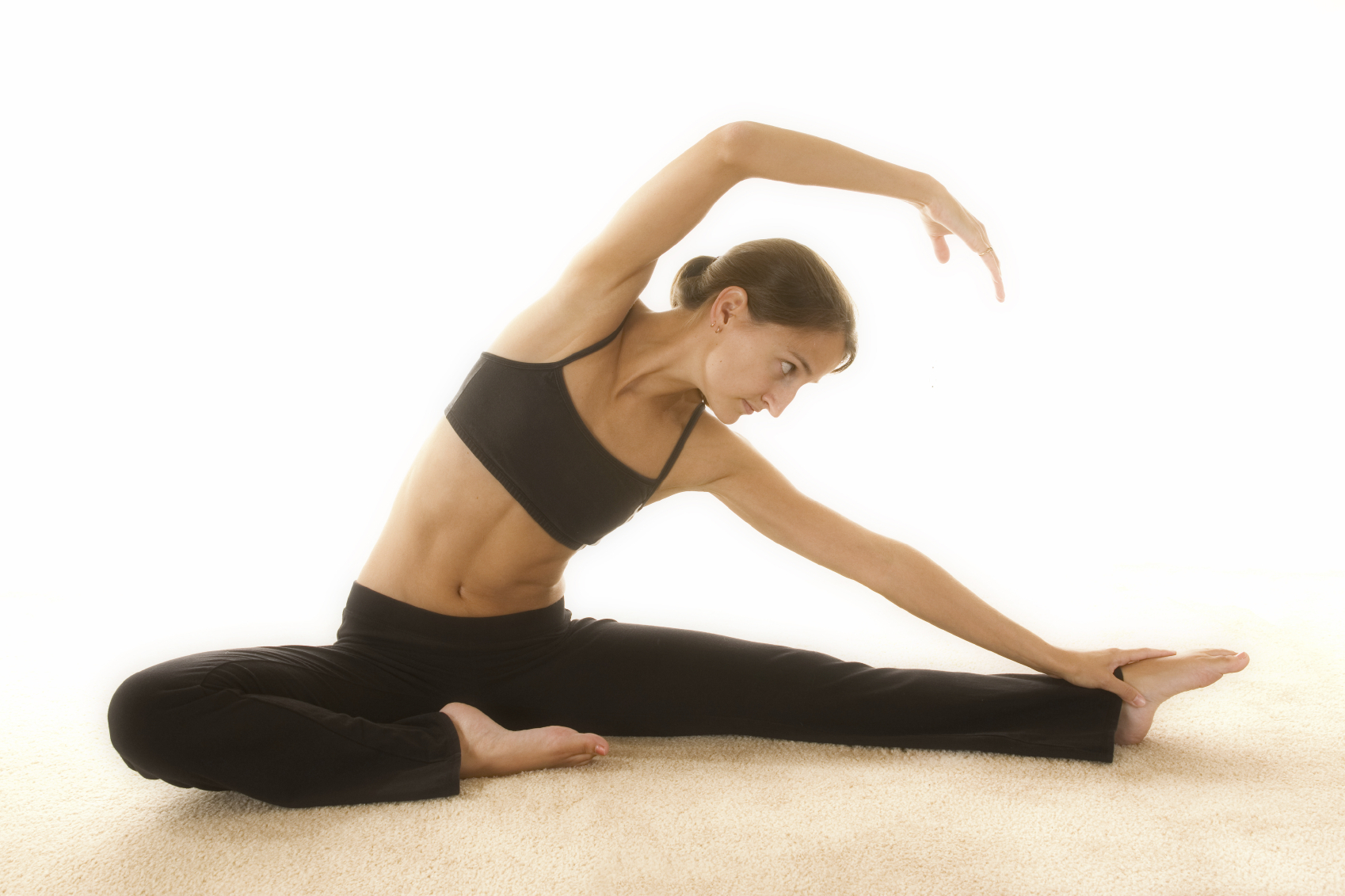
young woman excercising power yoga

ADHD Eighteen boys with diagnosed attention-deficit/hyperactivity disorder (ADHD) were randomly assigned to either a yoga treatment or a cooperative activities group. After 20 sessions of yoga, the boys showed improvement on a variety of indices, including oppositional behavior, emotional lability, and restlessness or impulsivity. The subjects exhibited a dose/ response curve, with those subjects who participated in additional home practice showing a greater response. The control group showed superior scores on measures of hyperactivity, anxiety, and shyness, as well as social function measures.7

Anxiety A meta-analysis of the research involving yoga interventions for anxiety and related disorders reviewed eight studies conducted during 2004. Overall, this research reported positive results, especially in cases of obsessive-compulsive disorder. However, the authors were quick to point out a generally poor quality of research techniques, inadequacies in methodology, and difficulty comparing studies.8 A Cochrane review of two RCTs that investigated the effectiveness of meditation and yoga on patients with diagnosed anxiety disorders stated that based on the available research, no distinct conclusions can be drawn on the ability of meditation and yoga to be effective for anxiety disorders.9

Asthma To determine the efficacy of Iyengar yoga practice on symptoms and perceived quality of life of people living with asthma, 62 patients with mild to moderate asthma were randomized and divided into two groups. The treatment group performed Iyengar yoga for 4 weeks, and the control group enrolled in a “stretching” program. Both groups underwent spirometry testing and recorded their bronchodilator use, symptoms, and quality of life assessments. At no point in the study did the yoga intervention group show a measured benefit in clinical indices.10
Another small RCT divided 17 subjects into a yoga treatment and a control group. The yoga group engaged in relaxation pranayama (mindful breathing) techniques, yoga postures, and meditation 3 times per week for 16 weeks. Spirometry testing showed little difference between the two groups; however, the yoga group showed improved exercise tolerance and reported relaxation as well as a more positive attitude as measured by questionnaire. This study also showed a trend toward less use of short-acting bronchodilator medication in the yoga group.11

Back pain A 12-week RCT compared viniyoga practice with conventional therapeutic back exercises or a self-help book for 101 patients with chronic low back pain. The yoga group met with one instructor for a weekly 75-minute viniyoga practice. Patients were also encouraged to practice at home daily and were given handouts and an audio CD guide. This group showed greater improvement in functional status, decreased activity restriction, and increased general health compared to the conventional exercise group or the self-help book group at 12 weeks. At 26 weeks post treatment, the conventional exercise and yoga therapy group did not show a significant difference in outcome, though at all points in time, viniyoga therapy appeared to be more effective than the self- care book. The viniyoga benefit also lasted for months after the intervention.12

Cardiovascular disease A systematic literature review of 70 studies published over the past two decades showed a trend toward beneficial changes in metabolic syndrome risk factors such as insulin resistance, lipid profiles, BP, and anthropomorphic indices. The author noted that by controlling risk factors for metabolic syndrome, a regular yoga practice might possibly reduce the risk of cardiovascular disease (CVD). It is important to note that approximately one-third of the reviewed studies were RCTs and that the majority of the others were uncontrolled or nonrandomized controlled clinical trials.4 A 2002 comprehensive review of the literature on the psychophysiological effects of hatha yoga concluded that regular hatha yoga practice and a “yoga lifestyle” have the potential to benefit CVD risk indices.5

Cardiovascular fitness A 50-minute hatha yoga routine burns 2.2 to 3.6 kcal/min, the equivalent a very slow walk. Except in persons who are very deconditioned, this type of yoga practice alone is unlikely to have a significant training effect on cardiovascular fitness, pulmonary function, body composition, or fat metabolism.13 More vigorous forms of power or vinyasa yoga require a higher energy output, depending on the method of teaching and selection of asanas (postures). One recent study demonstrated a 7% increase in VO2 max after previously sedentary subjects practiced 8 weeks of yoga training.13 However, the general consensus is that yoga does not provide the significant cardiovascular stimulus necessary to enhance cardiovascular function.14

REFERENCES

1. Tindle HA, Davis RB, Phillips RS, Eisenberg DM. Trends in use of complementary and alternative medicine by US adults: 1997-2002. Altern Ther Health Med. 2005;11(1):42-49.
2. Carrico M. Yoga Journal’s Yoga Basics: The Essential Beginner’s Guide to Yoga for a Lifetime of Health and Fitness. New York, NY: Henry Holt and Company; 1997.
3. Nayak NN, Shankar K. Yoga: a therapeutic approach. Phys Med Rehabil Clin N Am. 2004;15(4): 783-798, vi.
4. Innes KE, Bourguignon C, Taylor AG. Risk indices associated with the insulin resistance syndrome, cardiovascular disease, and possible protection with yoga: a systematic review. J Am Board Fam Pract. 2005;18(6):491-519.
5. Raub JA. Psychophysiologic effects of Hatha yoga on musculoskeletal and cardiopulmonary function: a literature review. J Altern Complement Med. 2002;8(6):797-812.
6. Luskin FM, Newell KA, Griffith M, et al. A review of mind-body therapies in the treatment of musculoskeletal disorders with implications for the elderly. Altern Ther Health Med. 2000;6(2): 46-56.
7. Jensen PS, Kenny DT. The effects of yoga on the attention and behavior of boys with attentiondeficit/ hyperactivity disorder (ADHD). J Atten Disord. 2004;7(4):205-216.
8. Kirkwood G, Rampes H, Tuffrey V, et al. Yoga for anxiety: a systematic review of the research evidence. Br J Sports Med. 2005;39(12):884-891.
9. Krisanaprakornkit T, Krisanaprakornkit W, Piyavhatkul N, Laopaiboon M. Meditation therapy for anxiety disorders. Cochrane Database Syst Rev. 2006;(1):CD004998.
10. Sabina AB, Williams AL, Wall HK, et al. Yoga intervention for adults with mild-to-moderate asthma: a pilot study. Ann Allergy Asthma Immunol. 2005;94(5):543-548.
11. Vendanthan PK, Kesavalu LN, Murthy KC, et al. Clinical study of yoga techniques in university students with asthma: a controlled study. Allergy Asthma Proc. 1998;19(1):3-9.
12. Sherman KJ, Cherkin DC, Erro J, et al. Comparing yoga, exercise, and a self-care book for chronic low back pain: a randomized, controlled trial. Ann Intern Med. 2005;143(12):849-856.
13. Tran MD, Holly RG, Lashbrook J, Amsterdam EA. Effects of Hatha yoga practice on the healthrelated aspects of physical fitness. Prev Cardiol. 2001;4(4):165-170.
14. Clay CC, Lloyd LK, Walker JL, et al. The metabolic cost of Hatha yoga. J Strength Cond Res. 2005;19(3):604-610.

Meditation has Long-term Effects on the Brain

27 Thursday Aug 2020

Posted by RichardB in Meditation, mindfulness, Relaxation, Stress, Wellness, YouTube

≈ Comments Off on Meditation has Long-term Effects on the Brain

Tags

changes, compassion, emotional, meditation, Neuroscience

According to scientists from Harvard and Boston University, meditation produces enduring changes in emotional processing in the brain according to an article published in November of 2012 in the journal Frontiers in Human Neuroscience.
Researchers trained people with one of two different types of meditation, mindful meditation and compassionate meditation over an 8 week period. They measured activity in the brain using functional MRIs 3 weeks before the study and at 3 weeks after and noted what happened to areas of the brain related to compassion. They found the those people who learned compassionate meditation had a different and more loving response 3 weeks after the course even when not meditating.


What is Mindfulness ?

06 Thursday Aug 2020

Posted by RichardB in Creativity, Meditation, mindfulness, Wellness

≈ Comments Off on What is Mindfulness ?

Tags

About, learn, meditation, mindfulness

Mindfulness is a concentrated state of awareness that can help us see and respond to situations with clarity and without getting carried away by emotions or the constant chatter in our heads. Mindfulness enables us to:

· Better manage tension and stress

· Enhance objectivity, mental focus

· Communicate and make decisions more effectively

· Improve productivity

· Quiet’s noise in the mind

Meditationmsclip-139

Meditation is the tool we use to cultivate mindfulness. With meditation, you intentionally pay attention to a particular object as a way to strengthen concentration. There are thousands of meditative techniques: Tai Chi, yoga, focusing on the breath and using a mantra are all examples. People often think that meditating “correctly” means clearing all thought from the mind. This is a myth. The mind never stops thinking – it’s when we get caught up in our thoughts that we lose mindfulness. By witnessing thoughts, allowing them to pass, and returning to your chosen object of focus, you can actually build the muscle of concentration. Think of meditation as a fitness routine for the mind.

Are there other benefits to mindfulness?

In addition to boosting brain power, numerous research studies have shown significant physical benefits including:

· Reduced blood pressure

· Lowered cholesterol levels

· Enhanced immune function

· Reduced headache, migraine, back pain

· Improved respiratory function

Mindfulness does not require a particular set of beliefs in order to learn and practice – it is a quality of mind, accessible and available to all.

Mindfulness allows us to live every moment fully without the filters of bias, judgment or emotional reaction.

Mindfulness helps the body cope with physical challenges such as headaches, back pain and even heart disease.

Mindfulness keeps us from reacting too quickly – it helps increase the gap between impulse and action.

Meditation Reduces Anxiety

16 Thursday Jul 2020

Posted by RichardB in brain, Meditation, mindfulness, Psychoeducation, Relaxation, Research, Stress, Wellness

≈ Comments Off on Meditation Reduces Anxiety

Tags

meditation, mindfulness, relaxation, research

Scientists at Wake Forest Baptist Medical Center have identified the brain functions involved in how meditation reduces anxiety.

The team wrote in the journal Social Cognitive and Affective Neuroscience about how they studied 15 healthy volunteers with normal levels of everyday anxiety. They said these individuals had no previous meditation experience or anxiety disorders.

Signature:baed3687aecc9fc02b05e033f52ab04b5ac34144c6f0702c4e0cfe36f9d34041

Signature:baed3687aecc9fc02b05e033f52ab04b5ac34144c6f0702c4e0cfe36f9d34041

The participants took four 20-minute classes to learn a technique known as mindfulness meditation. In this form of meditation, people are taught to focus on breath and body sensations and to non-judgmentally evaluate distracting thoughts and emotions.

“Although we´ve known that meditation can reduce anxiety, we hadn´t identified the specific brain mechanisms involved in relieving anxiety in healthy individuals,” said Dr. Fadel Zeidan, Ph.D., postdoctoral research fellow in neurobiology and anatomy at Wake Forest Baptist and lead author of the study. “In this study, we were able to see which areas of the brain were activated and which were deactivated during meditation-related anxiety relief.”

The researchers found that meditation reduced anxiety ratings by as much as 39 percent in the participants.

“This showed that just a few minutes of mindfulness meditation can help reduce normal everyday anxiety,” Zeidan said.

Fadel and colleagues were also able to reveal that meditation-related anxiety relief is associated with activation of the anterior cingulate cortex and ventromedial prefrontal cortex, which are areas of the brain involved with executive-level function.

“Mindfulness is premised on sustaining attention in the present moment and controlling the way we react to daily thoughts and feelings,” Zeidan said. “Interestingly, the present findings reveal that the brain regions associated with meditation-related anxiety relief are remarkably consistent with the principles of being mindful.”

He said the results of this neuroimaging experiment complement that body of knowledge by showing the brain mechanisms associated with meditation-related anxiety relief in healthy people.

Scientists wrote in the journal Frontiers in Human Neuroscience in November 2012 about how meditation has lasting emotional benefits. They found that participating in an eight-week meditation training program could have measurable effects on how the brain functions, even when someone is not actively meditating. The team used two forms of meditation training and saw some differences in the response of the amygdala, which is the part of the brain known to be important for emotion.

Meditation can relieve pain

07 Tuesday Apr 2020

Posted by RichardB in grounding, Meditation, mindfulness, pain management, positive, Therapy, Wellness

≈ Comments Off on Meditation can relieve pain

Tags

meditation, pain, wellness

Meditation can relieve pain, and it does so by activating multiple brain areas, according to an April 2011 study in the Journal of Neuroscience. Fadel Zeidan of Wake Forest University and his colleagues scanned people’s brains as they received uncomfortably hot touches to the leg. When subjects practiced a mindful meditation technique that encourages detachment from experience while focusing on breathing, they reported less pain than when they simply paid attention to their breathing. Likewise, different patterns of brain activity emerged under the two conditions, with mindful meditating resulting in more activity not only in executive centers that evaluate experiences and regulate emotions but also in lower regions that control the signals coming from the body.

The volunteers learned the meditation technique in only four 20-minute sessions, which means this pill-free analgesia could be a feasible way to help real patients suffering from pain. “People can reap some of the benefits of meditation without extensive training,” Zeidan says. feelings-01

When I work with patients using mindfulness I start by asking who has experience with any type of meditation, breathing techniques and/or relaxation exercises. We than have a  brief explanation and question and answer period and I focus on removing any doubt, fear, or skepticism. I usually than do a 10 to 12 minute body scan moving right into a mindful meditation that focuses on the breath.

With the co-occurring patients I work with this process seems to work the best. The chat in the beginning warms people up, the body scan relaxes which helps the meditators enter into a more meditative state.

Meditation for as short as 8 weeks can change your brain

03 Tuesday Mar 2020

Posted by RichardB in Meditation, mindfulness

≈ Comments Off on Meditation for as short as 8 weeks can change your brain

Tags

brain, meditation, mri, research

f-202Participants in the study spent close to a half-hour every day meditating or practicing some other mindfulness exercise (notable because most people associate meditation with sitting and thinking quietly, and that’s not the only type of exercise done in the study) for about eight weeks. They got MRIs of their brains before and after the eight week exercise, and when the study was over, many of the study’s 16 participants showed significant changes in the areas of the brain associated with behavior, memory, and stress. For more click the link below.

http://lifehacker.com/5989078/how-meditating-for-eight-weeks-can-boost-your-brain

Mindfulness with Jon Kabat-Zinn

14 Tuesday Jan 2020

Posted by RichardB in Health, Meditation, mindfulness, Wellness, youtube

≈ Comments Off on Mindfulness with Jon Kabat-Zinn

Tags

behavior, brain, meditation, mindfulness

The mindful way through depression

18 Wednesday Dec 2019

Posted by RichardB in Depression, mindfulness, practice, YouTube

≈ Comments Off on The mindful way through depression

Tags

meditation, mindfulness, youtube

Meditation and Psychotherapy

05 Thursday Dec 2019

Posted by RichardB in Meditation, mindfulness, Wellness, youtube

≈ Comments Off on Meditation and Psychotherapy

Tags

meditation, Psychotherapy

Meditation and Pain Management

04 Wednesday Dec 2019

Posted by RichardB in Meditation, mindfulness, Uncategorized

≈ Comments Off on Meditation and Pain Management

Tags

meditation, pain management

Meditation can relieve pain, and it does so by activating multiple brain areas, according to an April 2011 study in the Journal of Neuroscience. Fadel Zeidan of Wake Forest University and his colleagues scanned people’s brains as they received uncomfortably hot touches to the leg. When subjects practiced a mindful meditation technique that encourages detachment from experience while focusing on breathing, they reported less pain than when they simply paid attention to their breathing. Likewise, different patterns of brain activity emerged under the two conditions, with mindful meditating resulting in more activity not only in executive centers that evaluate experiences and regulate emotions but also in lower regions that control the signals coming from the body.

The volunteers learned the meditation technique in only four 20-minute sessions, which means this pill-free analgesia could be a feasible way to help real patients suffering from pain. “People can reap some of the benefits of meditation without extensive training,” Zeidan says.

When I work with patients using mindfulness I start by asking who has experience with any type of meditation, breathing techniques and/or relaxation exercises. We than have a  brief explanation and question and answer period and I focus on removing any doubt, fear, or skepticism. I usually than do a 10 to 12 minute body scan moving right into a mindful meditation that focuses on the breath.

With the co-occurring patients I work with this process seems to work the best. The chat in the beginning warms people up, the body scan relaxes which helps the meditators enter into a more meditative state.

← Older posts

instagram

Follow RichardbBrunner on WordPress.com
  • Tumblr
  • YouTube

Blog at WordPress.com.

Privacy & Cookies: This site uses cookies. By continuing to use this website, you agree to their use.
To find out more, including how to control cookies, see here: Cookie Policy
  • Subscribe Subscribed
    • RichardbBrunner
    • Join 491 other subscribers
    • Already have a WordPress.com account? Log in now.
    • RichardbBrunner
    • Subscribe Subscribed
    • Sign up
    • Log in
    • Report this content
    • View site in Reader
    • Manage subscriptions
    • Collapse this bar
 

Loading Comments...