“Stanford Medicine researchers tackle one of the most common health problems for women as they age. In a joint study with University of California, San Francisco, researchers reveal how low-impact yoga and exercise can help women take control over their urinary continence.”
Yoga is a mind and body practice in complementary medicine with origins in ancient Indian philosophy. Part two of evidence based Yoga:
Carpal tunnel syndrome A randomized, single-blind controlled trial of 42 patients with carpal tunnel syndrome assigned subjects to either a yoga treatment group or a wrist splint group, each 8 weeks in duration. Twice a week, the yoga group practiced postures specifically designed to strengthen and stretch each joint in the upper body. Yoga participants showed improvement in grip strength, pain levels, and Phalen’s sign when compared to the wrist splint group. Nerve conduction studies were not performed.15 A Cochrane review of 21 trials that evaluated the clinical outcome of nonsurgical treatment of carpal tunnel syndrome reported that 8 weeks of yoga practice significantly reduced pain as compared to wrist splinting. The yoga was described as having a “significant short-term benefit,” though the duration of this benefit is unknown.16
Depression A 2004 review of five RCTs that evaluated yoga-based interventions for depression and depressive disorders showed some positive outcomes and no adverse effects on patients’ mild to severe depressive disorders. However, poor study design and incomplete methodologic reporting makes this interpretation preliminary.17 An RCT studying 7 weeks of yoga training in a group of breast cancer survivors showed positive changes in emotional function, depression, and mood disturbance.18 “Yoga and stress management” (in the online version of this article) provides more information on this study and others involving the effects of yoga on stress.
Irritable bowel syndrome In an RCT, treatment with loperamide (Imodium) was compared to treatment with a series of 12 yoga postures practiced twice a day for 2 months in a small sample of patients with clinically diagnosed irritable bowel syndrome. Patients underwent measurement of surface electrogastrography, and trait and state anxiety tests were administered before, during, and up to 2 months after treatment. Both intervention groups demonstrated a decrease in bowel symptoms and state anxiety.19
Menopausal symptoms In a recent pilot study, 14 postmenopausal women reported via interview and questionnaire a decrease in the severity and frequency of hot flushes after 8 weeks of 90-minute “restorative yoga” classes. Although this initial finding sounds encouraging, this trial had no control group or objective parameter measurements.20 An RCT studying postmenopausal sleep quality divided 164 women into groups who participated in either 4 months of low-intensity yoga, a moderate-intensity walking program, or a wait-list control group. This study reported no statistically significant interventional effects of any treatment on total sleep quality or on any individual sleep quality domain.21
Multiple sclerosis An RCT of 57 subjects with clinically defined multiple sclerosis were assigned to weekly Iyengar yoga class plus home practice, a cycling program, or a wait-list control group for 6 months. Results showed that both active interventions produced significant improvement in perceived levels of energy and reduced fatigue; however, the specific effects of the yoga practice were not isolated.22 Osteoarthritis In a pilot study, 11 deconditioned, yoga naive subjects with a clinical diagnosis of knee osteoarthritis showed improvements in pain and knee stiffness after 8 weeks of yoga training. The group performed modified Iyengar yoga sessions once a week.23
Seizure disorders In 2000, a systematic review of the published literature revealed that only one study was able to meet the selection criteria for reliable research design. The reviewers concluded that no available evidence pointed to yoga therapy as an efficacious treatment for epilepsy.24
Strength and flexibility In a recent study on the fitness related effects of hatha yoga, 10 yoga-naïve and previously untrained subjects aged 18 to 27 years participated in 85 minutes of pranayama and hatha yoga practice twice a week for 8 weeks. These subjects showed significant improvement in upper and lower body muscular strength, endurance, and flexibility. No statistically significant change in body composition or pulmonary function was observed.13
In a partial RCT with a longer time frame, 54 subjects aged 20 to 25 years participated in either 5 months of yoga instruction or no activity. After that time period, both groups practiced yoga for an additional 5 months. The group practicing 10 months of yoga showed significant improvements in shoulder, trunk, hip, and neck flexibility, as well as a reported improved performance during submaximal exercise testing.25
A well-executed study compared subjects who underwent 24 hours of hatha yoga classes over 8 weeks with a control group. The yoga training group showed a 13% to 35% improvement in flexibility, balance, and muscular endurance. The authors concluded that hatha yoga practice has significant effects on balance and flexibility.26
REFERENCES
1. Tindle HA, Davis RB, Phillips RS, Eisenberg DM. Trends in use of complementary and alternative medicine by US adults: 1997-2002. Altern Ther Health Med. 2005;11(1):42-49.
2. Carrico M. Yoga Journal’s Yoga Basics: The Essential Beginner’s Guide to Yoga for a Lifetime of Health and Fitness. New York, NY: Henry Holt and Company; 1997.
3. Nayak NN, Shankar K. Yoga: a therapeutic approach. Phys Med Rehabil Clin N Am. 2004;15(4): 783-798, vi.
4. Innes KE, Bourguignon C, Taylor AG. Risk indices associated with the insulin resistance syndrome, cardiovascular disease, and possible protection with yoga: a systematic review.J Am Board Fam Pract. 2005;18(6):491-519.
5. Raub JA. Psychophysiologic effects of Hatha yoga on musculoskeletal and cardiopulmonary function: a literature review. J Altern Complement Med. 2002;8(6):797-812.
6. Luskin FM, Newell KA, Griffith M, et al. A review of mind-body therapies in the treatment of musculoskeletal disorders with implications for the elderly. Altern Ther Health Med. 2000;6(2): 46-56.
7. Jensen PS, Kenny DT. The effects of yoga on the attention and behavior of boys with attentiondeficit/ hyperactivity disorder (ADHD). J Atten Disord. 2004;7(4):205-216.
8. Kirkwood G, Rampes H, Tuffrey V, et al. Yoga for anxiety: a systematic review of the research evidence. Br J Sports Med. 2005;39(12):884-891.
9. Krisanaprakornkit T, Krisanaprakornkit W, Piyavhatkul N, Laopaiboon M. Meditation therapy for anxiety disorders. Cochrane Database Syst Rev. 2006;(1):CD004998.
10. Sabina AB, Williams AL, Wall HK, et al. Yoga intervention for adults with mild-to-moderate asthma: a pilot study. Ann Allergy Asthma Immunol. 2005;94(5):543-548.
11. Vendanthan PK, Kesavalu LN, Murthy KC, et al. Clinical study of yoga techniques in university students with asthma: a controlled study. Allergy Asthma Proc. 1998;19(1):3-9.
12. Sherman KJ, Cherkin DC, Erro J, et al. Comparing yoga, exercise, and a self-care book for chronic low back pain: a randomized, controlled trial. Ann Intern Med. 2005;143(12):849-856.
13. Tran MD, Holly RG, Lashbrook J, Amsterdam EA. Effects of Hatha yoga practice on the healthrelated aspects of physical fitness. Prev Cardiol. 2001;4(4):165-170.
14. Clay CC, Lloyd LK, Walker JL, et al. The metabolic cost of Hatha yoga. J Strength Cond Res. 2005;19(3):604-610.
15. Garfinkel MS, Singhal A, Katz WA, et al. Yoga-based intervention for carpal tunnel syndrome: a randomized trial. JAMA. 1998;280(18):1601-1603.
16. O’Connor D, Marshall S, Massy-Westropp N. Nonsurgical treatment (other than steroid injection) for carpal tunnel syndrome. Cochrane Database Syst Rev. 2003(1):CD003219.
17. Pilkington K, Kirkwood G, Rampes H, Richardson J. Yoga for depression: the research evidence. J Affect Disord. 2005;89(1-3):13-24.
18. Culos-Reed SN, Carlson LE, Daroux LM, Hately-Aldous S. A pilot study of yoga for breast cancer survivors: physical and psychological benefits. Psycho Oncol. 2006;15(10):891-897.
19. Taneja I, Deepak KK, Poojary G, et al. Yogic versus conventional treatment in diarrheapredominant irritable bowel syndrome: a randomized control study. Appl Psychophysiol Biofeedback. 2004;29(1):19-33.
20. Cohen BE, Kanaya AM, Macer JL, et al. Feasibility and acceptability of restorative yoga for treatment of hot flushes: a pilot trial. Maturitas. 2007;56(2):198-204.
21. Elavsky S, McAuley E. Lack of perceived sleep improvement after 4-month structured exercise programs. Menopause. 2007;14(3, pt 1):535-540.
22. Oken BS, Kishiyama S, Zajdel D, et al. Randomized controlled trial of yoga and exercise in multiple sclerosis. Neurology. 2004;62(11):2058-2064.
23. Kolasinski SL, Garfinkel M, Tsai AG, et al. Iyengar yoga for treating symptoms of osteoarthritis of the knees: a pilot study. J Altern Complement Med. 2005;11(4):689-693.
24. Ramaratnam S, Sridharan K. Yoga for epilepsy. Cochrane Database Syst Rev. 2000(3):CD001524.
25. Ray US, Mukhopadhyaya S, Purkayastha SS, et al. Effect of yogic exercises on physical and mental health of young fellowship course trainees. Indian J Physiol Pharmacol. 2001;45(1):37-53.
26. Boehde D, Porcari JP, Greany J, et al. The physiological effects of 8 weeks of yoga training. J Cardiopulm Rehabil. 2005;25(5):290.
Yoga is a mind and body practice in complementary medicine with origins in ancient Indian philosophy. The various styles of yoga that people use for health purposes typically combine physical postures, breathing techniques, and meditation or relaxation. There are numerous schools of yoga. Hatha yoga, the most commonly practiced in the United States and Europe, emphasizes postures (asanas) and breathing exercises (pranayama).
Since the 1020’s researchers have been studying and publishing articles on the results of a Yoga practice. Listed below are some of the research results of Hatha Yoga and specific medical conditions. :
ADHD Eighteen boys with diagnosed attention-deficit/hyperactivity disorder (ADHD) were randomly assigned to either a yoga treatment or a cooperative activities group. After 20 sessions of yoga, the boys showed improvement on a variety of indices, including oppositional behavior, emotional lability, and restlessness or impulsivity. The subjects exhibited a dose/ response curve, with those subjects who participated in additional home practice showing a greater response. The control group showed superior scores on measures of hyperactivity, anxiety, and shyness, as well as social function measures.7
Anxiety A meta-analysis of the research involving yoga interventions for anxiety and related disorders reviewed eight studies conducted during 2004. Overall, this research reported positive results, especially in cases of obsessive-compulsive disorder. However, the authors were quick to point out a generally poor quality of research techniques, inadequacies in methodology, and difficulty comparing studies.8 A Cochrane review of two RCTs that investigated the effectiveness of meditation and yoga on patients with diagnosed anxiety disorders stated that based on the available research, no distinct conclusions can be drawn on the ability of meditation and yoga to be effective for anxiety disorders.9
Asthma To determine the efficacy of Iyengar yoga practice on symptoms and perceived quality of life of people living with asthma, 62 patients with mild to moderate asthma were randomized and divided into two groups. The treatment group performed Iyengar yoga for 4 weeks, and the control group enrolled in a “stretching” program. Both groups underwent spirometry testing and recorded their bronchodilator use, symptoms, and quality of life assessments. At no point in the study did the yoga intervention group show a measured benefit in clinical indices.10
Another small RCT divided 17 subjects into a yoga treatment and a control group. The yoga group engaged in relaxation pranayama (mindful breathing) techniques, yoga postures, and meditation 3 times per week for 16 weeks. Spirometry testing showed little difference between the two groups; however, the yoga group showed improved exercise tolerance and reported relaxation as well as a more positive attitude as measured by questionnaire. This study also showed a trend toward less use of short-acting bronchodilator medication in the yoga group.11
Back pain A 12-week RCT compared viniyoga practice with conventional therapeutic back exercises or a self-help book for 101 patients with chronic low back pain. The yoga group met with one instructor for a weekly 75-minute viniyoga practice. Patients were also encouraged to practice at home daily and were given handouts and an audio CD guide. This group showed greater improvement in functional status, decreased activity restriction, and increased general health compared to the conventional exercise group or the self-help book group at 12 weeks. At 26 weeks post treatment, the conventional exercise and yoga therapy group did not show a significant difference in outcome, though at all points in time, viniyoga therapy appeared to be more effective than the self- care book. The viniyoga benefit also lasted for months after the intervention.12
Cardiovascular disease A systematic literature review of 70 studies published over the past two decades showed a trend toward beneficial changes in metabolic syndrome risk factors such as insulin resistance, lipid profiles, BP, and anthropomorphic indices. The author noted that by controlling risk factors for metabolic syndrome, a regular yoga practice might possibly reduce the risk of cardiovascular disease (CVD). It is important to note that approximately one-third of the reviewed studies were RCTs and that the majority of the others were uncontrolled or nonrandomized controlled clinical trials.4 A 2002 comprehensive review of the literature on the psychophysiological effects of hatha yoga concluded that regular hatha yoga practice and a “yoga lifestyle” have the potential to benefit CVD risk indices.5
Cardiovascular fitness A 50-minute hatha yoga routine burns 2.2 to 3.6 kcal/min, the equivalent a very slow walk. Except in persons who are very deconditioned, this type of yoga practice alone is unlikely to have a significant training effect on cardiovascular fitness, pulmonary function, body composition, or fat metabolism.13 More vigorous forms of power or vinyasa yoga require a higher energy output, depending on the method of teaching and selection of asanas (postures). One recent study demonstrated a 7% increase in VO2 max after previously sedentary subjects practiced 8 weeks of yoga training.13However, the general consensus is that yoga does not provide the significant cardiovascular stimulus necessary to enhance cardiovascular function.14
REFERENCES
1. Tindle HA, Davis RB, Phillips RS, Eisenberg DM. Trends in use of complementary and alternative medicine by US adults: 1997-2002. Altern Ther Health Med. 2005;11(1):42-49.
2. Carrico M. Yoga Journal’s Yoga Basics: The Essential Beginner’s Guide to Yoga for a Lifetime of Health and Fitness. New York, NY: Henry Holt and Company; 1997.
3. Nayak NN, Shankar K. Yoga: a therapeutic approach. Phys Med Rehabil Clin N Am. 2004;15(4): 783-798, vi.
4. Innes KE, Bourguignon C, Taylor AG. Risk indices associated with the insulin resistance syndrome, cardiovascular disease, and possible protection with yoga: a systematic review.J Am Board Fam Pract. 2005;18(6):491-519.
5. Raub JA. Psychophysiologic effects of Hatha yoga on musculoskeletal and cardiopulmonary function: a literature review. J Altern Complement Med. 2002;8(6):797-812.
6. Luskin FM, Newell KA, Griffith M, et al. A review of mind-body therapies in the treatment of musculoskeletal disorders with implications for the elderly. Altern Ther Health Med. 2000;6(2): 46-56.
7. Jensen PS, Kenny DT. The effects of yoga on the attention and behavior of boys with attentiondeficit/ hyperactivity disorder (ADHD). J Atten Disord. 2004;7(4):205-216.
8. Kirkwood G, Rampes H, Tuffrey V, et al. Yoga for anxiety: a systematic review of the research evidence. Br J Sports Med. 2005;39(12):884-891.
9. Krisanaprakornkit T, Krisanaprakornkit W, Piyavhatkul N, Laopaiboon M. Meditation therapy for anxiety disorders. Cochrane Database Syst Rev. 2006;(1):CD004998.
10. Sabina AB, Williams AL, Wall HK, et al. Yoga intervention for adults with mild-to-moderate asthma: a pilot study. Ann Allergy Asthma Immunol. 2005;94(5):543-548.
11. Vendanthan PK, Kesavalu LN, Murthy KC, et al. Clinical study of yoga techniques in university students with asthma: a controlled study. Allergy Asthma Proc. 1998;19(1):3-9.
12. Sherman KJ, Cherkin DC, Erro J, et al. Comparing yoga, exercise, and a self-care book for chronic low back pain: a randomized, controlled trial. Ann Intern Med. 2005;143(12):849-856.
13. Tran MD, Holly RG, Lashbrook J, Amsterdam EA. Effects of Hatha yoga practice on the healthrelated aspects of physical fitness. Prev Cardiol. 2001;4(4):165-170.
14. Clay CC, Lloyd LK, Walker JL, et al. The metabolic cost of Hatha yoga. J Strength Cond Res. 2005;19(3):604-610.
Today more and more adults practice yoga, and not surprisingly, there is research supporting its physical benefits. Studies show the practice—which combines stretching and other exercises with deep breathing and meditation—can improve overall physical fitness, strength, flexibility and lung capacity, while reducing heart rate, blood pressure and back pain.
But what is perhaps unknown to those who consider yoga just another exercise form is that there is a growing body of research documenting yoga’s psychological benefits. Several recent studies suggest that yoga may help strengthen social attachments, reduce stress and relieve anxiety, depression and insomnia. Researchers are also starting to claim some success in using yoga and yoga-based treatments to help active-duty military and veterans with post-traumatic stress disorder.
“The evidence is showing that yoga really helps change people at every level,” says Stanford University health psychologist and yoga instructor Kelly McGonigal, PhD.
That’s why more clinicians have embraced yoga as a complement to psychotherapy, McGonigal says. They’re encouraging yoga as a tool clients can use outside the therapy office to cope with stress and anxieties, and even heal emotional wounds.
“Talk therapy can be helpful in finding problem-solving strategies and understanding your own strengths and what’s happening to you, but there are times when you just need to kind of get moving and work through the body,” says Melanie Greenberg, PhD, a psychology professor at Alliant International University, who has studied yoga’s benefits to mental health.
The mind-body meld
According to a study by Sherry A. Glied, PhD, professor of health policy and management at Columbia University, and Richard G. Frank, PhD, professor of health-care policy at Harvard Medical School, published in the May/June Health Affairs (Vol. 28, No. 3), the rate of diagnosed cases of mental disorders increased dramatically between 1996 and 2006—doubling among adults age 65 and older, and rising by about 60 percent among adults 18 to 64. During that same time period, rates of psychotropic medication use rose by about the same percentages among these groups.
In light of these numbers, yoga remains a natural and readily available approach to maintaining wellness and treating mental health issues, says Sat Bir Khalsa, PhD, a neuroscientist and professor of medicine at Harvard Medical School at Brigham and Women’s Hospital in Boston who studies yoga’s effects on depression and insomnia. Khalsa, who has practiced yoga for more than 35 years, says several studies in his 2004 comprehensive review of yoga’s use as a therapeutic intervention, published in the Indian Journal of Physiology and Pharmacology (Vol. 48, No. 3), show that yoga targets unmanaged stress, a main component of chronic disorders such as anxiety, depression, obesity, diabetes and insomnia. It does this, he says, by reducing the stress response, which includes the activity of the sympathetic nervous system and the levels of the stress hormone cortisol. The practice enhances resilience and improves mind-body awareness, which can help people adjust their behaviors based on the feelings they’re experiencing in their bodies, according to Khalsa.
While scientists don’t have quite the full picture on how yoga does all that, new research is beginning to shed light on how the practice may influence the brain. In a 2007 study in the Journal of Alternative and Complementary Medicine (Vol. 13, No. 4), researchers at Boston University School of Medicine and McLean Hospital used magnetic resonance imaging to compare levels of the neurotransmitter gamma-aminobutyric acid (GABA) before and after two types of activities: an hour of yoga and an hour of reading a book. The yoga group showed a 27 percent increase in GABA levels, which evidence suggests may counteract anxiety and other psychiatric disorders. GABA levels of the reading group remained unchanged.
“I believe if everyone practiced the techniques of yoga, we would have a preventive aid to a lot of our problems,” Khalsa says. “There would likely be less obesity and Type-II diabetes, and people would be less aggressive, more content and more integrated.”
Khalsa’s claims are backed by evidence supporting the social benefits of participating in a yoga class, says Stanford’s McGonigal. A series of experiments conducted by organizational behavior researchers at Stanford University and published in January’s Psychological Science (Vol. 20, No. 1) suggest that acting in synchrony with others—be it while walking, singing or dancing—can increase cooperation and collectivism among group members.
“In a yoga class, everyone is moving and breathing in at the same time and I think that’s one of the undervalued mechanisms that yoga can really help with: giving people that sense of belonging, of being part of something bigger,” McGonigal says.
Psychologists are also examining the use of yoga with survivors of trauma and finding it may even be more effective than some psychotherapy techniques. In a pilot study at the Trauma Center at the Justice Resource Institute in Brookline, Mass., women with PTSD who took part in eight sessions of a 75-minute Hatha yoga class experienced significantly reduced PTSD symptoms compared with those participating in a dialectical behavior therapy group. The center recently received a grant from the National Center for Complementary and Alternative Medicine to conduct a randomized, single-blind, controlled study to further examine whether, as compared with a 10-week health class, yoga improves the frequency and severity of PTSD symptoms and other somatic complaints as well as social and occupational impairments among female trauma survivors.
“When people experience trauma, they may experience not only a sense of emotional disregulation, but also a feeling of being physically immobilized,” says Ritu Sharma, PhD, project coordinator of the center’s yoga program, who only began practicing yoga when she started leading the program. “Body-oriented techniques such as yoga help them increase awareness of sensations in the body, stay more focused on the present moment and hopefully empower them to take effective actions.”
And in what is becoming one of the most widely applied yoga-based trauma treatments, clinical psychologist Richard Miller, PhD, has developed a nine-week, twice-weekly integrative restoration program based on the ancient practice of yoga Nidra. In 2006, the Department of Defense began testing iRest with active-duty soldiers returning from Iraq and Afghanistan who were experiencing PTSD. At the end of the program, participants reported a reduction in insomnia, depression, anxiety and fear, improved interpersonal relations and an increased sense of control over their lives. Since then, iRest classes have been established at VA facilities in Miami, Chicago and Washington, D.C. Miller has also helped develop similar programs for veterans, homeless people and those with chemical dependencies and chronic pain.
“The program teaches them skills they can integrate into their daily lives, so that in the midst of a difficult circumstance, they have the tools to be able to work in the moment,” says Miller, president of the Integrative Restoration Institute in San Rafael, Calif.
New research is also supporting yoga’s benefit for other mental illnesses. An as-yet-unpublished randomized control trial by Khalsa offers insight into how yoga may reduce insomnia. In this study, 20 participants who practiced a daily 45-minute series of Kundalini yoga techniques shortly before bedtime for eight weeks reported significant reductions in insomnia severity as compared with those told to follow six behavioral recommendations for sleep hygiene. And a 2007 study supports yoga’s potential as a complementary treatment for depressed patients taking antidepressant medication but only in partial remission. University of California, Los Angeles, psychologist David Shapiro, PhD, found that participants who practiced Iyengar yoga three times a week for eight weeks reported significant reductions in depression, anxiety and neurotic symptoms, as well as mood improvements at the end of each class (Evidence-based Complementary and Alternative Medicine, Vol. 4, No. 4). Many of the participants achieved remission and also showed physiological changes, such as heart rate variability, indicative of a greater capacity for emotional regulation, Shapiro says.
Putting yoga into practice
While she cautions against teaching yoga to clients without formal training, McGonigal and others say psychologists can use psychotherapy sessions to practice yoga’s mind-body awareness and breathing techniques. Simple strategies—such as encouraging clients to get as comfortable as possible during their sessions or to pay attention to how their body feels when they inhale and exhale—teach clients to be in the here and now.
“These by themselves would be considered yoga interventions because they direct attention to the breath and help unhook people from thoughts, emotions and impulses that are negative or destructive,” she says.
Alliant International University psychology professor Richard Gevirtz, PhD, agrees that alternatives to traditional psychotherapy may help clinicians make progress with difficult clients.
“Psychologists have painted themselves in the corner by only doing talk therapy,” Gevirtz says. “There’s much more that can be accomplished if you integrate it with other sorts of modalities, such as biofeedback, relaxation training or yoga.”
In fact, some psychologists say yoga may not really be so special when it comes to improving one’s mental state, and that several forms of exercise may provide mood-enhancing benefits.
In a 2007 study by researchers at Bowling Green State University, 36 participants kept mood diaries during the first and final four weeks of a 16-week weight-loss program. On the days participants engaged in planned exercise—typically walking for 30 to 60 minutes—they reported a better mood at night as compared to in the morning, before exercising (Journal of Sport & Exercise Psychology, Vol. 29, No. 6).
“It seems that many types of exercise—particularly non-competitive exercise—are related to positive mood alteration,” says Bonnie Berger, EdD, one of the study’s co-authors and professor and director of Bowling Green’s School of Human Movement, Sport and Leisure Studies.
Psychologists may also benefit from using yoga and other forms of exercise for their own care, Greenberg says. In a 2007 survey of licensed APA members by the APA Board of Professional Affairs Advisory Committee on Colleague Assistance, 48 percent reported that vicarious trauma and compassion fatigue are likely to affect their functioning.
“Practicing yoga personally and adopting a stance based on yoga principles such as non-judgment, compassion, spirituality and the connection of all living things can help relieve stress, enhance compassion and potentially make you a better therapist,” she says. “If you can come to a level of peace with yourself, there may be more nurturing that you exude toward your patients.”
With more than 100 people dying from opioid overdoses each day in the U.S., new approaches to treating opioid-use disorders are needed. Emma Rose, assistant research professor with Penn State’s Edna Bennett Pierce Prevention Research Center, is leading a study that adds twice-weekly, mindfulness-based yoga to treatment plans for patients with opioid-use disorders in rural Pennsylvania.
young woman excercising power yoga
“We hope to impart skills that help people to stay sober and stay in recovery for longer,” Rose said.
The study divides participants who are receiving medication-assisted treatment in three clinics in Lancaster, Pennsylvania, into two groups, with one group taking two one-hour online yoga classes twice per week for 8 weeks, while the control group will walk for exercise for up to 2 hours per week.
Mindful yoga can impact brain systems that play an important role in the success of addiction treatment — including our brains’ abilities to regulate craving, to adapt to new or changing events, and to ignore distractions, Rose explained.
As a Creative Arts Therapist who specializes in the body and is a former Yoga teacher this article is not at all surprising. Most therapists who have worked with trauma survivors know that people have a tendency to have some level of dissociation with their bodies. Yoga can gently bring a new level of conscious feeling, movement and functionally of the body which can’t be processed with other modalities.
As a teenager, Rocsana Enriquez ran away from home frequently to escape fights with her mother and sexual abuse from her stepfather. She got involved with street gangs and cycled in and out of juvenile detention.
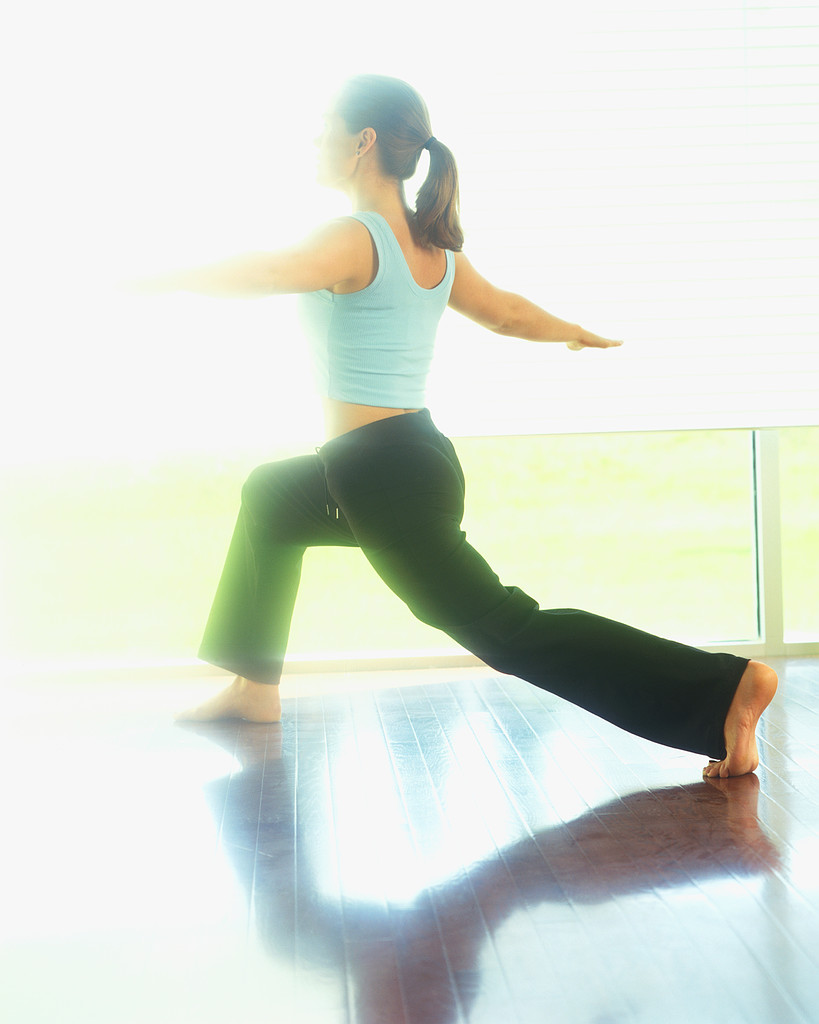
While she was incarcerated in Central California, she started to learn yoga. It became an outlet for her anger and an antidote to the deep insecurity she felt. Before she got into a fight, she reminded herself to take a deep breath. And she loved the way she felt when she stretched into “Warrior II” pose. “It made me feel very strong,” she said.
A new report by the Center on Poverty and Inequality at Georgetown Law School shows that yoga programs can be particularly effective at helping girls who are incarcerated cope with the effects of trauma that many have experienced. Research shows yoga and mindfulness can promote healthier relationships, increase concentration, and improve self esteem and physical health.
Such programs, if offered more broadly, would be a cost-effective way to help one of the country’s most vulnerable groups heal and improve their lives, the report says.
As a Creative Arts Therapist who specializes in the body and is a former Yoga teacher this article is not at all surprising. Most therapists who have worked with trauma survivors know that people have a tendency to have some level of dissociation with their bodies. Yoga can gently bring a new level of conscious feeling, movement and functionally of the body which can’t be processed with other modalities.
As a teenager, Rocsana Enriquez ran away from home frequently to escape fights with her mother and sexual abuse from her stepfather. She got involved with street gangs and cycled in and out of juvenile detention.
While she was incarcerated in Central California, she started to learn yoga. It became an outlet for her anger and an antidote to the deep insecurity she felt. Before she got into a fight, she reminded herself to take a deep breath. And she loved the way she felt when she stretched into “Warrior II” pose. “It made me feel very strong,” she said.
A new report by the Center on Poverty and Inequality at Georgetown Law School shows that yoga programs can be particularly effective at helping girls who are incarcerated cope with the effects of trauma that many have experienced. Research shows yoga and mindfulness can promote healthier relationships, increase concentration, and improve self esteem and physical health.
Such programs, if offered more broadly, would be a cost-effective way to help one of the country’s most vulnerable groups heal and improve their lives, the report says.
As a Creative Arts Therapist who specializes in the body and is a former Yoga teacher this article is not at all surprising. Most therapists who have worked with trauma survivors know that people have a tendency to have some level of dissociation with their bodies. Yoga can gently bring a new level of conscious feeling, movement and functionally of the body which can’t be processed with other modalities.
As a teenager, Rocsana Enriquez ran away from home frequently to escape fights with her mother and sexual abuse from her stepfather. She got involved with street gangs and cycled in and out of juvenile detention.
While she was incarcerated in Central California, she started to learn yoga. It became an outlet for her anger and an antidote to the deep insecurity she felt. Before she got into a fight, she reminded herself to take a deep breath. And she loved the way she felt when she stretched into “Warrior II” pose. “It made me feel very strong,” she said.
A new report by the Center on Poverty and Inequality at Georgetown Law School shows that yoga programs can be particularly effective at helping girls who are incarcerated cope with the effects of trauma that many have experienced. Research shows yoga and mindfulness can promote healthier relationships, increase concentration, and improve self esteem and physical health.
Such programs, if offered more broadly, would be a cost-effective way to help one of the country’s most vulnerable groups heal and improve their lives, the report says.
Nice article from the Times of India, citing research using Yoga Asanas: Among the many clinical researches being conducted at Nimhans , one involved patients of an old-age home who were exposed to six months of yoga therapy. MRI scans taken before and after showed an increase in the size of the hippocampus, the brain’s memory index. “It was larger than before because the grey matter had increased. The results will be published in a scientific journal shortly ,” adds Gangadhar. The hippocampus is vulnerable to stress and atrophy is seen in patients of schizophrenia, post-traumatic stress disorder (PTSD) and severe depression. “Yoga acts as an antidepressant ,” he says. Read the entire article here.
Nice article from the Times of India, citing research using Yoga Asanas: Among the many clinical researches being conducted at Nimhans , one involved patients of an old-age home who were exposed to six months of yoga therapy. MRI scans taken before and after showed an increase in the size of the hippocampus, the brain’s memory index. “It was
larger than before because the grey matter had increased. The results will be published in a scientific journal shortly ,” adds Gangadhar. The hippocampus is vulnerable to stress and atrophy is seen in patients of schizophrenia, post-traumatic stress disorder (PTSD) and severe depression. “Yoga acts as an antidepressant ,” he says.Read the entire article here.
Yoga is a mind and body practice in complementary medicine with origins in ancient Indian philosophy. Part two of evidence based Yoga:
Carpal tunnel syndrome A randomized, single-blind controlled trial of 42 patients with carpal tunnel syndrome assigned subjects to either a yoga treatment group or a wrist splint group, each 8 weeks in duration. Twice a week, the yoga group practiced postures specifically designed to strengthen and stretch each joint in the upper body. Yoga participants showed improvement in grip strength, pain levels, and Phalen’s sign when compared to the wrist splint group. Nerve conduction studies were not performed.15 A Cochrane review of 21 trials that evaluated the clinical outcome of nonsurgical treatment of carpal tunnel syndrome reported that 8 weeks of yoga practice significantly reduced pain as compared to wrist splinting. The yoga was described as having a “significant short-term benefit,” though the duration of this benefit is unknown.16
Depression A 2004 review of five RCTs that evaluated yoga-based interventions for depression and depressive disorders showed some positive outcomes and no adverse effects on patients’ mild to severe depressive disorders. However, poor study design and incomplete methodologic reporting makes this interpretation preliminary.17 An RCT studying 7 weeks of yoga training in a group of breast cancer survivors showed positive changes in emotional function, depression, and mood disturbance.18 “Yoga and stress management” (in the online version of this article) provides more information on this study and others involving the effects of yoga on stress.
Irritable bowel syndrome In an RCT, treatment with loperamide (Imodium) was compared to treatment with a series of 12 yoga postures practiced twice a day for 2 months in a small sample of patients with clinically diagnosed irritable bowel syndrome. Patients underwent measurement of surface electrogastrography, and trait and state anxiety tests were administered before, during, and up to 2 months after treatment. Both intervention groups demonstrated a decrease in bowel symptoms and state anxiety.19
Menopausal symptoms In a recent pilot study, 14 postmenopausal women reported via interview and questionnaire a decrease in the severity and frequency of hot flushes after 8 weeks of 90-minute “restorative yoga” classes. Although this initial finding sounds encouraging, this trial had no control group or objective parameter measurements.20 An RCT studying postmenopausal sleep quality divided 164 women into groups who participated in either 4 months of low-intensity yoga, a moderate-intensity walking program, or a wait-list control group. This study reported no statistically significant interventional effects of any treatment on total sleep quality or on any individual sleep quality domain.21
Multiple sclerosis An RCT of 57 subjects with clinically defined multiple sclerosis were assigned to weekly Iyengar yoga class plus home practice, a cycling program, or a wait-list control group for 6 months. Results showed that both active interventions produced significant improvement in perceived levels of energy and reduced fatigue; however, the specific effects of the yoga practice were not isolated.22 Osteoarthritis In a pilot study, 11 deconditioned, yoga naive subjects with a clinical diagnosis of knee osteoarthritis showed improvements in pain and knee stiffness after 8 weeks of yoga training. The group performed modified Iyengar yoga sessions once a week.23
Seizure disorders In 2000, a systematic review of the published literature revealed that only one study was able to meet the selection criteria for reliable research design. The reviewers concluded that no available evidence pointed to yoga therapy as an efficacious treatment for epilepsy.24
Strength and flexibility In a recent study on the fitness related effects of hatha yoga, 10 yoga-naïve and previously untrained subjects aged 18 to 27 years participated in 85 minutes of pranayama and hatha yoga practice twice a week for 8 weeks. These subjects showed significant improvement in upper and lower body muscular strength, endurance, and flexibility. No statistically significant change in body composition or pulmonary function was observed.13
In a partial RCT with a longer time frame, 54 subjects aged 20 to 25 years participated in either 5 months of yoga instruction or no activity. After that time period, both groups practiced yoga for an additional 5 months. The group practicing 10 months of yoga showed significant improvements in shoulder, trunk, hip, and neck flexibility, as well as a reported improved performance during submaximal exercise testing.25
A well-executed study compared subjects who underwent 24 hours of hatha yoga classes over 8 weeks with a control group. The yoga training group showed a 13% to 35% improvement in flexibility, balance, and muscular endurance. The authors concluded that hatha yoga practice has significant effects on balance and flexibility.26
REFERENCES
1. Tindle HA, Davis RB, Phillips RS, Eisenberg DM. Trends in use of complementary and alternative medicine by US adults: 1997-2002. Altern Ther Health Med. 2005;11(1):42-49.
2. Carrico M. Yoga Journal’s Yoga Basics: The Essential Beginner’s Guide to Yoga for a Lifetime of Health and Fitness. New York, NY: Henry Holt and Company; 1997.
3. Nayak NN, Shankar K. Yoga: a therapeutic approach. Phys Med Rehabil Clin N Am. 2004;15(4): 783-798, vi.
4. Innes KE, Bourguignon C, Taylor AG. Risk indices associated with the insulin resistance syndrome, cardiovascular disease, and possible protection with yoga: a systematic review.J Am Board Fam Pract. 2005;18(6):491-519.
5. Raub JA. Psychophysiologic effects of Hatha yoga on musculoskeletal and cardiopulmonary function: a literature review. J Altern Complement Med. 2002;8(6):797-812.
6. Luskin FM, Newell KA, Griffith M, et al. A review of mind-body therapies in the treatment of musculoskeletal disorders with implications for the elderly. Altern Ther Health Med. 2000;6(2): 46-56.
7. Jensen PS, Kenny DT. The effects of yoga on the attention and behavior of boys with attentiondeficit/ hyperactivity disorder (ADHD). J Atten Disord. 2004;7(4):205-216.
8. Kirkwood G, Rampes H, Tuffrey V, et al. Yoga for anxiety: a systematic review of the research evidence. Br J Sports Med. 2005;39(12):884-891.
9. Krisanaprakornkit T, Krisanaprakornkit W, Piyavhatkul N, Laopaiboon M. Meditation therapy for anxiety disorders. Cochrane Database Syst Rev. 2006;(1):CD004998.
10. Sabina AB, Williams AL, Wall HK, et al. Yoga intervention for adults with mild-to-moderate asthma: a pilot study. Ann Allergy Asthma Immunol. 2005;94(5):543-548.
11. Vendanthan PK, Kesavalu LN, Murthy KC, et al. Clinical study of yoga techniques in university students with asthma: a controlled study. Allergy Asthma Proc. 1998;19(1):3-9.
12. Sherman KJ, Cherkin DC, Erro J, et al. Comparing yoga, exercise, and a self-care book for chronic low back pain: a randomized, controlled trial. Ann Intern Med. 2005;143(12):849-856.
13. Tran MD, Holly RG, Lashbrook J, Amsterdam EA. Effects of Hatha yoga practice on the healthrelated aspects of physical fitness. Prev Cardiol. 2001;4(4):165-170.
14. Clay CC, Lloyd LK, Walker JL, et al. The metabolic cost of Hatha yoga. J Strength Cond Res. 2005;19(3):604-610.
15. Garfinkel MS, Singhal A, Katz WA, et al. Yoga-based intervention for carpal tunnel syndrome: a randomized trial. JAMA. 1998;280(18):1601-1603.
16. O’Connor D, Marshall S, Massy-Westropp N. Nonsurgical treatment (other than steroid injection) for carpal tunnel syndrome. Cochrane Database Syst Rev. 2003(1):CD003219.
17. Pilkington K, Kirkwood G, Rampes H, Richardson J. Yoga for depression: the research evidence. J Affect Disord. 2005;89(1-3):13-24.
18. Culos-Reed SN, Carlson LE, Daroux LM, Hately-Aldous S. A pilot study of yoga for breast cancer survivors: physical and psychological benefits. Psycho Oncol. 2006;15(10):891-897.
19. Taneja I, Deepak KK, Poojary G, et al. Yogic versus conventional treatment in diarrheapredominant irritable bowel syndrome: a randomized control study. Appl Psychophysiol Biofeedback. 2004;29(1):19-33.
20. Cohen BE, Kanaya AM, Macer JL, et al. Feasibility and acceptability of restorative yoga for treatment of hot flushes: a pilot trial. Maturitas. 2007;56(2):198-204.
21. Elavsky S, McAuley E. Lack of perceived sleep improvement after 4-month structured exercise programs. Menopause. 2007;14(3, pt 1):535-540.
22. Oken BS, Kishiyama S, Zajdel D, et al. Randomized controlled trial of yoga and exercise in multiple sclerosis. Neurology. 2004;62(11):2058-2064.
23. Kolasinski SL, Garfinkel M, Tsai AG, et al. Iyengar yoga for treating symptoms of osteoarthritis of the knees: a pilot study. J Altern Complement Med. 2005;11(4):689-693.
24. Ramaratnam S, Sridharan K. Yoga for epilepsy. Cochrane Database Syst Rev. 2000(3):CD001524.
25. Ray US, Mukhopadhyaya S, Purkayastha SS, et al. Effect of yogic exercises on physical and mental health of young fellowship course trainees. Indian J Physiol Pharmacol. 2001;45(1):37-53.
26. Boehde D, Porcari JP, Greany J, et al. The physiological effects of 8 weeks of yoga training. J Cardiopulm Rehabil. 2005;25(5):290.
Yoga is a mind and body practice in complementary medicine with origins in ancient Indian philosophy. The various styles of yoga that people use for health purposes typically combine physical postures, breathing techniques, and meditation or relaxation. There are numerous schools of yoga. Hatha yoga, the most commonly practiced in the United States and Europe, emphasizes postures (asanas) and breathing exercises (pranayama).
Since the 1020’s researchers have been studying and publishing articles on the results of a Yoga practice. Listed below are some of the research results of Hatha Yoga and specific medical conditions. :
ADHD Eighteen boys with diagnosed attention-deficit/hyperactivity disorder (ADHD) were randomly assigned to either a yoga treatment or a cooperative activities group. After 20 sessions of yoga, the boys showed improvement on a variety of indices, including oppositional behavior, emotional lability, and restlessness or impulsivity. The subjects exhibited a dose/ response curve, with those subjects who participated in additional home practice showing a greater response. The control group showed superior scores on measures of hyperactivity, anxiety, and shyness, as well as social function measures.7
Anxiety A meta-analysis of the research involving yoga interventions for anxiety and related disorders reviewed eight studies conducted during 2004. Overall, this research reported positive results, especially in cases of obsessive-compulsive disorder. However, the authors were quick to point out a generally poor quality of research techniques, inadequacies in methodology, and difficulty comparing studies.8 A Cochrane review of two RCTs that investigated the effectiveness of meditation and yoga on patients with diagnosed anxiety disorders stated that based on the available research, no distinct conclusions can be drawn on the ability of meditation and yoga to be effective for anxiety disorders.9
Asthma To determine the efficacy of Iyengar yoga practice on symptoms and perceived quality of life of people living with asthma, 62 patients with mild to moderate asthma were randomized and divided into two groups. The treatment group performed Iyengar yoga for 4 weeks, and the control group enrolled in a “stretching” program. Both groups underwent spirometry testing and recorded their bronchodilator use, symptoms, and quality of life assessments. At no point in the study did the yoga intervention group show a measured benefit in clinical indices.10 Another small RCT divided 17 subjects into a yoga treatment and a control group. The yoga group engaged in relaxation pranayama (mindful breathing) techniques, yoga postures, and meditation 3 times per week for 16 weeks. Spirometry testing showed little difference between the two groups; however, the yoga group showed improved exercise tolerance and reported relaxation as well as a more positive attitude as measured by questionnaire. This study also showed a trend toward less use of short-acting bronchodilator medication in the yoga group.11
Back pain A 12-week RCT compared viniyoga practice with conventional therapeutic back exercises or a self-help book for 101 patients with chronic low back pain. The yoga group met with one instructor for a weekly 75-minute viniyoga practice. Patients were also encouraged to practice at home daily and were given handouts and an audio CD guide. This group showed greater improvement in functional status, decreased activity restriction, and increased general health compared to the conventional exercise group or the self-help book group at 12 weeks. At 26 weeks post treatment, the conventional exercise and yoga therapy group did not show a significant difference in outcome, though at all points in time, viniyoga therapy appeared to be more effective than the self- care book. The viniyoga benefit also lasted for months after the intervention.12
Cardiovascular disease A systematic literature review of 70 studies published over the past two decades showed a trend toward beneficial changes in metabolic syndrome risk factors such as insulin resistance, lipid profiles, BP, and anthropomorphic indices. The author noted that by controlling risk factors for metabolic syndrome, a regular yoga practice might possibly reduce the risk of cardiovascular disease (CVD). It is important to note that approximately one-third of the reviewed studies were RCTs and that the majority of the others were uncontrolled or nonrandomized controlled clinical trials.4 A 2002 comprehensive review of the literature on the psychophysiological effects of hatha yoga concluded that regular hatha yoga practice and a “yoga lifestyle” have the potential to benefit CVD risk indices.5
Cardiovascular fitness A 50-minute hatha yoga routine burns 2.2 to 3.6 kcal/min, the equivalent a very slow walk. Except in persons who are very deconditioned, this type of yoga practice alone is unlikely to have a significant training effect on cardiovascular fitness, pulmonary function, body composition, or fat metabolism.13 More vigorous forms of power or vinyasa yoga require a higher energy output, depending on the method of teaching and selection of asanas (postures). One recent study demonstrated a 7% increase in VO2 max after previously sedentary subjects practiced 8 weeks of yoga training.13 However, the general consensus is that yoga does not provide the significant cardiovascular stimulus necessary to enhance cardiovascular function.14
REFERENCES
1. Tindle HA, Davis RB, Phillips RS, Eisenberg DM. Trends in use of complementary and alternative medicine by US adults: 1997-2002. Altern Ther Health Med. 2005;11(1):42-49.
2. Carrico M. Yoga Journal’s Yoga Basics: The Essential Beginner’s Guide to Yoga for a Lifetime of Health and Fitness. New York, NY: Henry Holt and Company; 1997.
3. Nayak NN, Shankar K. Yoga: a therapeutic approach. Phys Med Rehabil Clin N Am. 2004;15(4): 783-798, vi.
4. Innes KE, Bourguignon C, Taylor AG. Risk indices associated with the insulin resistance syndrome, cardiovascular disease, and possible protection with yoga: a systematic review. J Am Board Fam Pract. 2005;18(6):491-519.
5. Raub JA. Psychophysiologic effects of Hatha yoga on musculoskeletal and cardiopulmonary function: a literature review. J Altern Complement Med. 2002;8(6):797-812.
6. Luskin FM, Newell KA, Griffith M, et al. A review of mind-body therapies in the treatment of musculoskeletal disorders with implications for the elderly. Altern Ther Health Med. 2000;6(2): 46-56.
7. Jensen PS, Kenny DT. The effects of yoga on the attention and behavior of boys with attentiondeficit/ hyperactivity disorder (ADHD). J Atten Disord. 2004;7(4):205-216.
8. Kirkwood G, Rampes H, Tuffrey V, et al. Yoga for anxiety: a systematic review of the research evidence. Br J Sports Med. 2005;39(12):884-891.
9. Krisanaprakornkit T, Krisanaprakornkit W, Piyavhatkul N, Laopaiboon M. Meditation therapy for anxiety disorders. Cochrane Database Syst Rev. 2006;(1):CD004998.
10. Sabina AB, Williams AL, Wall HK, et al. Yoga intervention for adults with mild-to-moderate asthma: a pilot study. Ann Allergy Asthma Immunol. 2005;94(5):543-548.
11. Vendanthan PK, Kesavalu LN, Murthy KC, et al. Clinical study of yoga techniques in university students with asthma: a controlled study. Allergy Asthma Proc. 1998;19(1):3-9.
12. Sherman KJ, Cherkin DC, Erro J, et al. Comparing yoga, exercise, and a self-care book for chronic low back pain: a randomized, controlled trial. Ann Intern Med. 2005;143(12):849-856.
13. Tran MD, Holly RG, Lashbrook J, Amsterdam EA. Effects of Hatha yoga practice on the healthrelated aspects of physical fitness. Prev Cardiol. 2001;4(4):165-170.
14. Clay CC, Lloyd LK, Walker JL, et al. The metabolic cost of Hatha yoga. J Strength Cond Res. 2005;19(3):604-610.
A leader in the field of yoga, meditation, spirituality, and holistic health, the Himalayan Institute is a non-profit, international organization dedicated to serving humanity through educational, spiritual, and humanitarian programs. The Institute and its varied activities and programs exemplify the spiritual heritage of mankind that unites East and West, spirituality and science, and ancient wisdom and modern technology. Link to Himalayan Institute
Yogis may be enjoying a surprising benefit when they unroll their mats and strike a pose. A new study finds that just 20 minutes of hatha yoga stimulates brain function.
Researchers from the University of Illinois at Urbana-Champaign enlisted 30 subjects to take tests of working memory and inhibitory control, two measures of brain function associated with the ability to focus, retain, and use new information, the researchers said.
Subjects who took a single, 20-minute yoga session were significantly faster and more accurate on their tests than subjects who walked or jogged on a treadmill for 20 minutes.
Participants on the treadmill exercised with the goal of maintaining 60 to 70 percent of their maximum heart rate throughout the exercise session. “This range was chosen to replicate previous findings that have shown improved cognitive performance in response to this intensity,” the researchers said.
“Yoga is an ancient Indian science and way of life that includes not only physical movements and postures but also regulated breathing and meditation,” said study lead Neha Gothe. “The practice involves an active attentional or mindfulness component but its potential benefits have not been thoroughly explored.”
Subjects who practiced yoga performed a 20-minute sequence of seated, standing, and supine yoga postures, with the class ending in a meditative posture and deep breathing.
“It appears that following yoga practice, the participants were better able to focus their mental resources, process information quickly, more accurately and also learn, hold and update pieces of information more effectively than after performing an aerobic exercise bout,” Gothe said.
“The breathing and meditative exercises aim at calming the mind and body and keeping distracting thoughts away while you focus on your body, posture or breath,” she said. “Maybe these processes translate beyond yoga practice when you try to perform mental tasks or day-to-day activities.”
Findings, announced June 5, appear in the Journal of Physical Activity and Health.
A separate study published last month finds that twice-weekly yoga sessions can reduce high blood pressure. In the study, researchers led by Dr. Debbie Cohen of the University of Pennsylvania tracked 58 women and men, aged 38 to 62, for 24 weeks.
Another study published earlier this year in the journal Frontiers in Psychiatry found that the practice may soothe depression and help sleep problems.
Many people hear “yoga”, and think Zen gardens, meditation, and free spirits. But you may be surprised to find that one recent study showed that those who incorporated yoga into their life had improved stress levels and lower blood pressure. Yoga was ultimately developed to combine controlled breathing and poses to achieve physical, mental, and spiritual strength and unity. In fact, Michelle Obama even attributes her sleek physique to frequent yoga sessions. There are multiple types of yoga, but Hatha Yoga is the most commonly practiced type in the United States.
Here are some surprising health benefits of practicing yoga that you may have never known!
Relief of Back Pain: More than 60 million Americans suffer from chronic back pain. Yoga is one of the best exercises to help alleviate pain. This is due to the increase in core stability (abdominal muscles) and the reduction of pressure across the lower back and surrounding muscles. Yoga also helps to release endorphins throughout the body that can calm inflammation. Practicing yoga for just two sessions a week may reduce or even eliminate back pain. Many individuals also report an increase in pain tolerance after attending sessions for only three weeks.
Heart Healthy: Further research also demonstrates that even one yoga session can produce a calming effect on the body, and individuals in one study showed reduction in their systolic blood pressure after only 12 weeks of two yoga sessions per week. Additionally, incorporating yoga into a cardiac rehabilitation program after a heart attack or bypass surgery has also shown promise in maintaining lower levels of stress and healthy blood pressure levels.
Increased Flexibility: You may be thinking, “No Duh”, on this one, but the benefits may be surprising. Practicing poses like downward dog, and tree pose can improve balance and flexibility. This can directly strengthen and protect your larger joints (knees, hips, back, neck) from injury and reduce inflammation in the smaller joints (fingers and ankles). This can also help reduce falls in the elderly, and ultimately avoid fractures in this age group.
Mood Booster: In addition to mental clarity and relaxation, yoga has been shown to improve depression, anxiety, and chronic stress. A small German study reviewed in theHarvard Mental Health Letter demonstrated that at the end of a three-month period, women perceived less stress, depression, anxiety, and fatigue. A few yoga classes could leave you happier and less stressed. Increased happiness alone is reason enough to give it a try!
As with any new exercise, always consult your physician before you begin. This is to ensure your body can safely complete the activity. I also recommend you attend a beginner class or view a video with some common poses. This will make you feel more confident during your first class and ensure you obtain the most benefit.
Nice article from the Times of India, citing research using Yoga Asanas: Among the many clinical researches being conducted at Nimhans , one involved patients of an old-age home who were exposed to six months of yoga therapy. MRI scans taken before and after showed an increase in the size of the hippocampus, the brain’s memory index. “It waslarger than before because the grey matter had increased. The results will be published in a scientific journal shortly ,” adds Gangadhar. The hippocampus is vulnerable to stress and atrophy is seen in patients of schizophrenia, post-traumatic stress disorder (PTSD) and severe depression. “Yoga acts as an antidepressant ,” he says. Read the entire article here.






 RichardbBrunner