Tags
The Difference Between “Therapeutic” Dance and Dance/Movement Therapy
15 Wednesday Sep 2021
Posted in creative arts therapy, Dance Movement Therapy, YouTube
≈ Comments Off on The Difference Between “Therapeutic” Dance and Dance/Movement Therapy

15 Wednesday Sep 2021
Posted in creative arts therapy, Dance Movement Therapy, YouTube
≈ Comments Off on The Difference Between “Therapeutic” Dance and Dance/Movement Therapy
Tags
08 Wednesday Sep 2021
Posted in creative arts therapy, Dance, Dance Movement Therapy, Embodied, Movement, Neuroscience, YouTube
≈ Comments Off on Neurology of Dance
01 Wednesday Sep 2021
Posted in Dance Movement Therapy
≈ Comments Off on From Heroin to Food to Yoga
The following is an edited excerpt from “Work in Progress,” an essay by Vytas Baskauskas in “Yoga & Body Image: 25 Personal Stories About Beauty, Bravery + Loving Your Body” (ed. Klein and Guest-Jelley). In his complete essay, Baskauskas writes about his battle with low self-esteem and heroin addiction and how his yoga practice plays a key role in coming to a space of wholeness.
Heroin addiction was never my problem. It was only a symptom. Drugs gave me the tranquility and serenity that I could never find on my own. I’ve always wanted to be comfortable in my own skin but didn’t know how to get there. My deep-seated fears and insecurities seemed to always win out. Was I born insecure and afraid? Doubtful. I often try to examine, though, where my path went afoul. MORE HERE
25 Wednesday Aug 2021
Posted in Acceptance, Body Image, Dance Movement Therapy, Yoga
Tags
18 Wednesday Aug 2021
Posted in children, Dance Movement Therapy, Embodied, parenting
≈ Comments Off on Dance/Movement Therapy: Embodied Parenting
Tags
04 Wednesday Aug 2021
Posted in Body Image, Dance Movement Therapy, Embodied
≈ Comments Off on Yoga can help girls who suffered childhood trauma
As a Creative Arts Therapist who specializes in the body and is a former Yoga teacher this article is not at all surprising. Most therapists who have worked with trauma survivors know that people have a tendency to have some level of dissociation with their bodies. Yoga can gently bring a new level of conscious feeling, movement and functionally of the body which can’t be processed with other modalities.
As a teenager, Rocsana Enriquez ran away from home frequently to escape fights with her mother and sexual abuse from her stepfather. She got involved with street gangs and cycled in and out of juvenile detention.
While she was incarcerated in Central California, she started to learn yoga. It became an outlet for her anger and an antidote to the deep insecurity she felt. Before she got into a fight, she reminded herself to take a deep breath. And she loved the way she felt when she stretched into “Warrior II” pose. “It made me feel very strong,” she said.
A new report by the Center on Poverty and Inequality at Georgetown Law School shows that yoga programs can be particularly effective at helping girls who are incarcerated cope with the effects of trauma that many have experienced. Research shows yoga and mindfulness can promote healthier relationships, increase concentration, and improve self esteem and physical health.
Such programs, if offered more broadly, would be a cost-effective way to help one of the country’s most vulnerable groups heal and improve their lives, the report says.
17 Wednesday Feb 2021
Posted in creative arts therapy, dance, Dance Movement Therapy, YouTube
≈ Comments Off on Kinesthetic Empathy: The Keystone of Dance/Movement Therapy
10 Wednesday Feb 2021
Posted in creative arts therapy, Dance Movement Therapy, Psychotherapy, Therapy
≈ Comments Off on What is Dance Movement Therapy?
Tags
According to the American Dance Therapy Association (ADTA): Based on the understanding that the body and mind are interrelated, dance/movement therapy (D/MT) is defined as the psychotherapeutic use of movement to further the emotional, cognitive, physical, and social integration of the individual. Dance/movement therapy is practiced in mental health, rehabilitation, medical, educational, and forensic settings, and in nursing homes, day care centers, disease prevention, and health promotion programs. The dance/movement therapist focuses on movement behavior as it emerges in the  therapeutic relationship. Expressive, communicative, and adaptive behaviors are all considered for both group and individual treatment. Body movement as the core component of dance simultaneously provides the means of assessment and the mode of intervention for dance/movement therapy.
I often define D/MT to clients as psychotherapy that is not limited to talking but encompasses the full range of human expression, including movement such as gestures and or postures, drawing, writing, drama, music and other expressions that can have a therapeutic benefit for the client(s).
Dance Movement Therapy is a creative arts therapy rooted in the expressive nature of dance. Since dance/movement comes from the body it is considered the most fundamental of the arts and is a direct expression (and experience) of the self. Dance/movement is a basic form of authentic communication, and as such it is an especially effective medium for therapy.
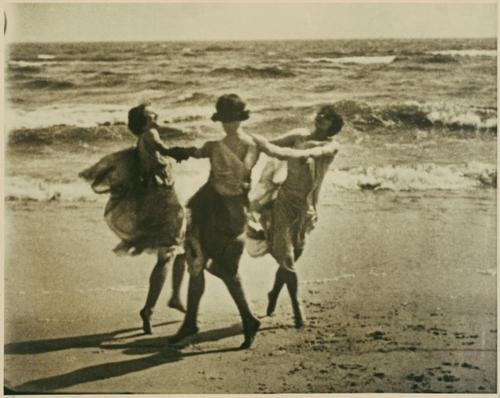 Dance/movement therapists (R-DMT or BC-DMT) work with individuals of all ages, groups and families in a wide variety of settings. They focus on helping their clients improve self-esteem and body image, develop effective communication skills and relationships, expand their movement vocabulary, gain insight into patterns of behavior, as well as create new options for coping with problems. Movement is the primary medium DMT’s use for observation, assessment, research, therapeutic interaction, and interventions.
DMT’s work in settings that include psychiatric and rehabilitation facilities, schools, nursing homes, drug treatment centers, counseling centers, medical facilities, crisis centers, and wellness and alternative health care centers.
29 Tuesday Dec 2020
Posted in Dance Movement Therapy
≈ Comments Off on Transformation of the Ordinary
Tags
ADTA, dance therapy, dmt, enactment, movement therapy, Psychotherapy, self understanding, transformation
Dance/movement therapy (DMT) can be an avenue for creating a symbolic transformation of individual, or community experience. DMT can use the same characteristics of weight, balance, and dynamics as do everyday actions such as walking, working, playing, or communication. Out of our everyday and ordinary motor activities, DMT can select, heighten or subdue, gestures/postures and body movement to achieve something which transcends the ordinary.
For instance as a teen I learned a West African Maize Dance from the Arthur Hall African American Dance company. This dance uses the movements of planting, tending, and harvesting of maize as the core elements of the dance. Taking these agrarian movements and enacting them outside of their usual context begins the process of symbolic transformation. As the movements are performed an element of artistic quality begins to emerge and becomes evident in the transitional movements that occur between planting, tending, and harvesting. This Maize Dance combines the ordinary with the extra ordinary; taking the everyday actions and ritualizing them in a way that expresses and celebrates an important aspect of West African culture.

Symbolic transformation can take place on an individual level as well. Once, working with a client an opportunity arose to explore the bodily expression of sadness; i.e. what are you doing/feeling physically when you are sad. The client took the ordinary movements/gestures/postures of their sadness and made them bigger and smaller, connecting, un-connecting and reconnecting them as they slowly evolved into a pattern. As this client continued with their exploration a transformation occurred and new movements, suggestive of another feeling emerged. Asking the client to add words to their exploration of the new movements provided a clearer understanding of sadness.
Enacting movements/postures/gestures outside of their usual context allows the possibility of experiencing in way that can be more; objective and subjective. Making bigger and smaller, connecting and reconnecting, movement and feelings emerge uncensored, allowing a different understanding of the original feeling and all that surrounds it. The therapeutic process of dance movement therapy can guide the mover as they explore, uncovering the extraordinary in the ordinary.
03 Thursday Dec 2020
Posted in Body Image, body language, Dance Movement Therapy, Movement, Neuroscience, Psychology, Psychotherapy, Wellness, YouTube
Tags
26 Thursday Nov 2020
Posted in creative arts therapy, Dance Movement Therapy, YouTube
≈ Comments Off on Dance Movement Therapy at Mattel Children’s Hospital UCLA
Great video about what Dance Movement Therapy is and how its done in a Medical setting with children.
24 Tuesday Nov 2020
Posted in creative arts therapy, Dance Movement Therapy, Psychology
≈ Comments Off on Assessment and evaluation
Tags
In therapy at some point the counselor will engage in an assessment/evaluation process that generally involves examining how the therapy sessions are going and hopefully includes feed back from the client/patient. If the counselor is trained as a
dance movement therapist the evaluation/assessment may include many areas such
as verbal sharing, drawings and movement. Movement assessment can include
observing ( which can be considered seeing someone move objectively) and
witnessing (which can be considered seeing someone move subjectively) a person
move. I look at:

I first learned and applied these techniques while studying the movement based
group creative arts modalities know as the Halprin Method and Motional Process
in the 80’s and early 90’s. If you would like more info I recommend 4 books I found useful:
Dance/Movement Therapists in Action: A Working Guide to Research Options
Artistic Inquiry in Dance/Movement Therapy: Creative Research Alternatives
Meaning of Movement
Dance Therapy and Depth Psychology: The Moving Imagination.
These books helped me to strengthen my assessment techniques and to discover new
methods.
19 Thursday Nov 2020
Posted in Dance Movement Therapy
≈ Comments Off on Healing from Childhood Trauma
Studies on neuroplasticity have become increasingly popular in the last several years. It was once thought that our brain was fixed and unchanging once we enter adulthood. Research throughout the last few decades has determined that in fact, our brain has the ability to change and create new neural pathways as well as produce new neurons, a process labeled as neurogenesis (Doidge, 2015). This finding is significant because if the brain has this ability to change, we have the ability to change our way of thinking and possibly improve mood.
Neural pathways in the brain are strengthened with repetition. One way to describe this process is “the neurons that fire together, wire together.” Constant repetition of an experience leads to changes within the brain’s structure and how the neurons process that experience. The more consistent this experience is, the stronger these neurons bond. MORE HERE
12 Thursday Nov 2020
Posted in creative arts therapy, Dance Movement Therapy, Mental illness, Movement, Psychology, Psychotherapy
≈ Comments Off on Movement Therapies May Aid Those with Schizophrenia
Tags
Interesting post from Psych Central:
A study using a procedure called the “rubber hand illusion” has found new evidence that people experiencing schizophrenia have a weakened sense of body ownership.
It has also produced the first documented case of a spontaneous, out-of-body experience in the laboratory.
These findings suggest that movement therapy, which trains people to be focused and centered on their own bodies, including some forms of yoga and dance, could be helpful for many of the 2.2 million people in the United States who suffer from schizophrenia.
Movement Therapies May Aid Those with Schizophrenia

10 Tuesday Nov 2020
Posted in Dance Movement Therapy
≈ Comments Off on Yoga may help treat depression
Antidepressant medication is considered a primary treatment for major depression, but the drugs fail to fully work for more than half of Americans who use them. Now, researchers suggest a way to boost their effectiveness: breathing-based yoga.
Sudarshan Kriya yoga may be an effective add-on therapy for patients with major depression who fail to respond to antidepressants, say researchers.
In a pilot study published in the Journal of Clinical Psychiatry, researchers reveal how 8 weeks of Sudarshan Kriya yoga improved symptoms of anxiety and depression in patients with major depressive disorder (MDD) who were not responding to antidepressants.
According to the Anxiety and Depression Association of America, depression is the most common mental illness in the United States. In 2014, around 15.7 million adults experienced at least one major depressive episode in the past 12 months.
Symptoms of depression may include persistent sadness, feelings of hopelessness, pessimism, guilt or worthlessness, fatigue, loss of interest in activities, reduced appetite, weight loss, and insomnia.
An individual is usually diagnosed with MDD if they experience at least five of these symptoms for at least 2 weeks, and such depressive episodes may commonly occur after a traumatic event, such as the death of a loved one or a medical illness.
Antidepressants – such as selective serotonin reuptake inhibitors (SSRIs) – are often the first port of call when it comes to treatment for MDD, but patients do not always respond to the drugs. While additional medication may be offered, this can lead to unpleasant side effects that cause patients to stop treatment completely, making relapses more likely.
Now, Dr. Anup Sharma, a neuropsychiatry research fellow at the Department of Psychiatry at the University of Pennsylvania’s Perelman School of Medicine, and team suggest Sudarshan Kriya yoga may be an effective, low-cost, non-drug approach to help patients who do not respond to antidepressants.
Sudarshan Kriya yoga is a meditation technique that focuses on rhythmic breathing exercises, with the aim of placing the mind into a deep, restful state.
“Sudarshan Kriya yoga gives people an active method to experience a deep meditative state that’s easy to learn and incorporate in diverse settings,” notes Dr. Sharma.
While previous research has suggested Sudarshan Kriya yoga to be beneficial for patients with MDD, Dr. Sharma and colleagues say there have been no clinical studies assessing whether the practice is beneficial in outpatient settings.
What is more, the researchers note that there has been a lack of well-designed studies investigating the possible benefits of yoga for depression, despite a significant rise in the number of Americans taking up the practice.
For their study, the team enrolled 25 adults who had been diagnosed with MDD. All patients had been taking antidepressants for at least 8 weeks but had seen no significant improvement in symptoms.
Patients were randomized to one of two groups for 8 weeks: a Sudarshan Kriya yoga group or a “waitlist” group.
Subjects in the yoga group were required to take part in a six-session program in the first week, which incorporated Sudarshan Kriya yoga exercises, yoga postures, sitting medication, and stress education. For the remaining 7 weeks, participants were asked to attend a once-weekly Sudarshan Kriya yoga follow-up session, as well as complete a practice session at home.
Subjects in the waitlist group – acting as the control group – were offered the yoga intervention at the end of the 8 weeks. Both groups continued with their antidepressant therapy during the study period.
At study baseline and after the 8 weeks, participants’ symptoms of anxiety and depression were measured using the 17-item Hamilton Depression Rating Scale (HDRS-17). Subjects’ mean score at baseline was 22.0, representing severe depression.
After the 8-week study period, participants in the Sudarshan Kriya yoga group saw their HDRS-17 score improve by an average of 10.27 points, while the control group showed no significant improvement.
As a secondary measure, the researchers monitored participants’ anxiety and depression symptoms using the Beck Depression Inventory (BDI) and Beck Anxiety Inventory (BAI).
Again, the control group showed no major improvement over the 8 weeks, while the Sudarshan Kriya yoga group showed an average 15.48-point improvement in BDI score and a 5.19-point improvement in BAI score.
Based on their results, Dr. Sharma and team say Sudarshan Kriya yoga may be a promising add-on therapy for patients with MDD for whom antidepressants are ineffective.
“With such a large portion of patients who do not fully respond to antidepressants, it’s important we find new avenues that work best for each person to beat their depression. Here, we have a promising, lower-cost therapy that could potentially serve as an effective, non-drug approach for patients battling this disease.”
Dr. Anup Sharma
The researchers now plan to assess the effects of Sudarshan Kriya yoga in a larger group of patients with depression, with a particular focus on how the practice affects brain structure and function.
10 Friday Jul 2020
Posted in autism, creative arts therapy, Dance Movement Therapy, youtube
≈ Comments Off on Dance/Movement Therapy & Autism: Dances of Relationship
07 Thursday May 2020
Posted in creative arts therapy, Dance Movement Therapy, Psychotherapy
≈ Comments Off on What is Dance Movement Therapy?
Tags
According to the American Dance Therapy Association (ADTA): Based on the understanding that the body and mind are interrelated, dance/movement therapy (D/MT) is defined as the psychotherapeutic use of movement to further the emotional, cognitive, physical, and social integration of the individual. Dance/movement therapy is practiced in mental health, rehabilitation, medical, educational, and forensic settings, and in nursing homes, day care centers, disease prevention, and health promotion programs. The dance/movement therapist focuses on movement behavior as it emerges in the therapeutic relationship. Expressive, communicative, and adaptive behaviors are all considered for both group and individual treatment. Body movement as the core component of dance simultaneously provides the means of assessment and the mode of intervention for dance/movement therapy.
I often define D/MT to clients as psychotherapy that is not limited to talking but encompasses the full range of human expression, including movement such as gestures and or postures, drawing, writing, drama, music and other expressions that can have a therapeutic benefit for the client(s).
Dance Movement Therapy is a creative arts therapy rooted in the expressive nature of dance. Since dance/movement comes from the body it is considered the most fundamental of the arts and is a direct expression (and experience) of the self. Dance/movement is a basic form of authentic communication, and as such it is an especially effective medium for therapy.
Dance/movement therapists (R-DMT or BC-DMT) work with individuals of all ages, groups and families in a wide variety of settings. They focus on helping their clients improve self-esteem and body image, develop effective communication skills and relationships, expand their movement vocabulary, gain insight into patterns of behavior, as well as create new options for coping with problems. Movement is the primary medium DMT’s use for observation, assessment, research, therapeutic interaction, and interventions.
DMT’s work in settings that include psychiatric and rehabilitation facilities, schools, nursing homes, drug treatment centers, counseling centers, medical facilities, crisis centers, and wellness and alternative health care centers.
09 Thursday Apr 2020
Posted in Dance Movement Therapy
≈ Comments Off on Dance/Movement Therapy: Embodied Parenting
30 Thursday Jan 2020
Posted in creative arts therapy, Dance Movement Therapy, Health, mental health, Relaxation, Stress
≈ Comments Off on Stress and movement
Tags
Stress can be indicated when a person becomes stuck/frozen or stopped in a bodily movement that can be described as either gestural, ( movements isolated to parts or part of the body) or postural ( movements carried constantly through the whole body). When there is a continuous flow of movement from gesture to posture and vice versa than the person is considered moving in balance and not not indicated to be in stress. one example of this is something that has come up in the last 20 years of leading stress reduction exercises with groups. I ask the participants how they know they are stressed out and the top answers are:
I notice I am gripping the steering wheel- I notice I am making a fist- I am clenching my teeth-I am clenching my butt.

Each one of these actions is a frozen gesture and they generally use the most “force”, muscle, blood flow of any other component of the body while they are active. Think about it, if you clench your fist the blood flow increases due to the sudden contraction of the muscles, a part of your attention is brought to the area because its being engaged, the rest of the body begins to respond to the clenched fist starting with the arm, shoulders, spine, abdominal muscles and so on ad so on. Suddenly your attention increases to the area dramatically and you realize; “oh I’m clenching my fist….”
The first step to releasing this body stress is the breath. When stressed we tend to hold our breath and/or it becomes shallow breathing. Taking a big breath in and a big breath out begins to increase the oxygen to the brain (and the rest if the body). That big breath also automatically signals to the body on a primal level that the stressor is less and the body begins to relax its muscular contractions. Also when we consciously are taking in a big breath we are exerting voluntary control over our bodies which is the opposite of the stress response which is a involuntary response. This voluntary and controlled breath also signals to the brain on a primal level that the stressor is lessen, resulting in the muscles lessening their contradiction.
Of course simply breathing does not seem like much of an answer for someone who experiences chronic stress/anxiety. But it is one more tool that one can use. Like mindfulness, visualizations, and other techniques, breathing is something that needs to be practiced and the more you practice the more effective it becomes.
11 Wednesday Dec 2019
Posted in creative arts therapy, Dance Movement Therapy, research, youtube
≈ Comments Off on Kestenberg Movement Profile: Tension Flow Rhythms
Tags
KMP Movement Analysis is the comprehensive system for identifying psychological, developmental, emotional, cognitive and global health/imbalance through movement observation, notation and interpretation.
If the mind, emotions, and body are a closely integrated , mutually interacting system, then it is reasonable that we should be able to gain information about the mind by observing the body. The body and its manner of moving not only reveals aspects of current feelings and emotions, but can give us insight into an individual’s past. As Loman and Foley wrote in 1996, “…experiences get stored in the body and are reflected in body movement.” A person who feels rejected may develop a hollow, narrowed body attitude which expresses and reinforces such feelings throughout life. Because both physical and emotional experiences leave long term traces upon the way people hold themselves and move, the study of movement opens a door to the study of patterns of early development, coping strategies and personality configurations.
 RichardbBrunner