Tags
Meditation and Psychotherapy
05 Thursday Dec 2019
Posted in Meditation, mindfulness, Wellness, youtube
≈ Comments Off on Meditation and Psychotherapy

05 Thursday Dec 2019
Posted in Meditation, mindfulness, Wellness, youtube
≈ Comments Off on Meditation and Psychotherapy
Tags
04 Wednesday Dec 2019
Posted in Meditation, mindfulness, Uncategorized
≈ Comments Off on Meditation and Pain Management
Meditation can relieve pain, and it does so by activating multiple brain areas, according to an April 2011 study in the Journal of Neuroscience. Fadel Zeidan of Wake Forest University and his colleagues scanned people’s brains as they received uncomfortably hot touches to the leg. When subjects practiced a mindful meditation technique that encourages detachment from experience while focusing on breathing, they reported less pain than when they simply paid attention to their breathing. Likewise, different patterns of brain activity emerged under the two conditions, with mindful meditating resulting in more activity not only in executive centers that evaluate experiences and regulate emotions but also in lower regions that control the signals coming from the body.
The volunteers learned the meditation technique in only four 20-minute sessions, which means this pill-free analgesia could be a feasible way to help real patients suffering from pain. “People can reap some of the benefits of meditation without extensive training,” Zeidan says.
When I work with patients using mindfulness I start by asking who has experience with any type of meditation, breathing techniques and/or relaxation exercises. We than have a brief explanation and question and answer period and I focus on removing any doubt, fear, or skepticism. I usually than do a 10 to 12 minute body scan moving right into a mindful meditation that focuses on the breath.
With the co-occurring patients I work with this process seems to work the best. The chat in the beginning warms people up, the body scan relaxes which helps the meditators enter into a more meditative state.
18 Monday Nov 2019
Posted in Health, Meditation, mindfulness, Wellness
≈ Comments Off on Meditation helps students
Tags
A study of students in California universities showed that those who practiced a bit of meditation in their personal lives performed better on tests. This applied to students who practice the art of Zen, as well as those who simply meditate for a few minutes before class.
The research, published in the journal Mindfulness, showed that meditation worked best for first year students, which led researchers to speculate that younger students tend to struggle with concentration more. 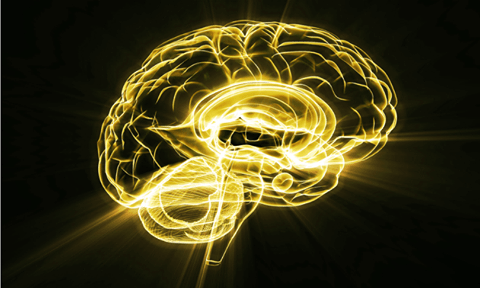
Professor Robert Youmans, of George Mason University in Virginia, co-lead the study with University of Illinois doctoral student Jared Ramsburg. According to Professor Youmans:
“One difficulty for researchers who study meditation is that the supposed benefits of meditation do not always replicate across different studies or populations, and so we have been trying to figure out why. This data from this study suggest that meditation may help students who might have trouble paying attention or focusing. Sadly, freshmen classes probably contain more of these types of students than senior courses because student populations who have difficulty self-regulating are also more likely to leave the university.”
The researchers said that coaching students on proper meditation could improve academic results. Ramsburg’s own personal experiences inspired him to undertake the study (he is a Buddhist).
“I think that if mindfulness can improve mental clarity, focus and self-discipline, then it might be useful in a variety of settings and for a variety of goals.”
For anyone uncomfortable with meditation (even though it is not necessarily a religious practice), Ramsburg says that taking long walks in the morning before you start your day could inspire the same outcome.
“Basically, becoming just a little bit more mindful about yourself and your place in the world might have a very important, practical benefit – in this case, doing better in college.”
13 Wednesday Nov 2019
Posted in Health, Meditation, mindfulness, Wellness
≈ Comments Off on Meditation helps students
Tags
A study of students in California universities showed that those who practiced a bit of meditation in their personal lives performed better on tests. This applied to students who practice the art of Zen, as well as those who simply meditate for a few minutes before class.
The research, published in the journal Mindfulness, showed that meditation worked best for first year students, which led researchers to speculate that younger students tend to struggle with concentration more.
Professor Robert Youmans, of George Mason University in Virginia, co-lead the study with University of Illinois doctoral student Jared Ramsburg. According to Professor Youmans:
“One difficulty for researchers who study meditation is that the supposed benefits of meditation do not always replicate across different studies or populations, and so we have been trying to figure out why. This data from this study suggest that meditation may help students who might have trouble paying attention or focusing. Sadly, freshmen classes probably contain more of these types of students than senior courses because student populations who have difficulty self-regulating are also more likely to leave the university.”
The researchers said that coaching students on proper meditation could improve academic results. Ramsburg’s own personal experiences inspired him to undertake the study (he is a Buddhist).
“I think that if mindfulness can improve mental clarity, focus and self-discipline, then it might be useful in a variety of settings and for a variety of goals.”
For anyone uncomfortable with meditation (even though it is not necessarily a religious practice), Ramsburg says that taking long walks in the morning before you start your day could inspire the same outcome.
“Basically, becoming just a little bit more mindful about yourself and your place in the world might have a very important, practical benefit – in this case, doing better in college.”
18 Friday Oct 2019
Posted in Meditation, mindfulness, Self expression, Wellness
≈ Comments Off on Meditation can relieve pain
Meditation can relieve pain, and it does so by activating multiple brain areas, according to an April 2011 study in the Journal of Neuroscience. Fadel Zeidan of Wake Forest University and his colleagues scanned people’s brains as they received uncomfortably hot touches to the leg. When subjects practiced a mindful meditation technique that encourages detachment from experience while focusing on breathing, they reported less pain than when they simply paid attention to their breathing. Likewise, different patterns of brain activity emerged under the two conditions, with mindful meditating resulting in more activity not only in executive centers that evaluate experiences and regulate emotions but also in lower regions that control the signals coming from the body.
The volunteers learned the meditation technique in only four 20-minute sessions, which means this pill-free analgesia could be a feasible way to help real patients suffering from pain. “People can reap some of the benefits of meditation without extensive training,” Zeidan says.
When I work with patients using mindfulness I start by asking who has experience with any type of meditation, breathing techniques and/or relaxation exercises. We than have a brief explanation and question and answer period and I focus on removing any doubt, fear, or skepticism. I usually than do a 10 to 12 minute body scan moving right into a mindful meditation that focuses on the breath.
With the co-occurring patients I work with this process seems to work the best. The chat in the beginning warms people up, the body scan relaxes which helps the meditators enter into a more meditative state.
16 Wednesday Oct 2019
Posted in Meditation, Research
≈ Comments Off on Meditation can change your brain in 8 weeks
Participants in the study spent close to a half-hour every day meditating or practicing some other mindfulness exercise (notable because most people associate meditation with sitting and thinking quietly, and that’s not the only type of exercise done in the study) for about eight weeks. They got MRIs of their brains before and after the eight week exercise, and when the study was over, many of the study’s 16 participants showed significant changes in the areas of the brain associated with behavior, memory, and stress. For more click the link below.
http://lifehacker.com/5989078/how-meditating-for-eight-weeks-can-boost-your-brain
09 Wednesday Oct 2019
Posted in Handout, Meditation, mindfulness, Relaxation, Wellness
≈ Comments Off on Relaxation

Currently, there is some scientific evidence that relaxation techniques may be an effective part of an overall treatment plan for some disorders, including:
Relaxation involves practice and willingness to fully engage in the process of relaxing. Stay tuned for some great relaxing tools.
02 Wednesday Oct 2019
Posted in Meditation, mindfulness, Wellness
≈ Comments Off on What is Mindfulness?
Tags
What is Mindfulness?
Mindfulness is a concentrated state of awareness that can help us see and respond to situations with clarity and without getting carried away by emotions or the constant chatter in our heads. Mindfulness enables us to:
· Better manage tension and stress
· Enhance objectivity, mental focus
· Communicate and make decisions more effectively
· Improve productivity
· Quiet’s noise in the mind
Meditation
Meditation is the tool we use to cultivate mindfulness. With meditation, you intentionally pay attention to a particular object as a way to strengthen concentration. There are thousands of meditative techniques: Tai Chi, yoga, focusing on the breath and using a mantra are all examples. People often think that meditating “correctly” means clearing all thought from the mind. This is a myth. The mind never stops thinking – it’s when we get caught up in our thoughts that we lose mindfulness. By witnessing thoughts, allowing them to pass, and returning to your chosen object of focus, you can actually build the muscle of concentration. Think of meditation as a fitness routine for the mind.
Are there other benefits to mindfulness?
In addition to boosting brain power, numerous research studies have shown significant physical benefits including:
· Reduced blood pressure
· Lowered cholesterol levels
· Enhanced immune function
· Reduced headache, migraine, back pain
· Improved respiratory function
Mindfulness does not require a particular set of beliefs in order to learn and practice – it is a quality of mind, accessible and available to all.
Mindfulness allows us to live every moment fully without the filters of bias, judgment or emotional reaction.
Mindfulness helps the body cope with physical challenges such as headaches, back pain and even heart disease.
Mindfulness keeps us from reacting too quickly – it helps increase the gap between impulse and action.
31 Wednesday Jul 2019
Posted in Health, Meditation, mindfulness, Wellness, YouTube
≈ Comments Off on Mindfulness with Jon Kabat-Zinn
Tags
31 Wednesday Jul 2019
Posted in Handout, Health, Meditation, mindfulness, Relaxation, Stress, Wellness
≈ Comments Off on Relaxation to Reduce Stress, Anxiety, & Depression
Tags
Here is another handout that I often give to clients/patients. I should add that I do all of the ideas in my handouts. No point talking about something if you can walk it too.
The body’s natural relaxation response is a powerful antidote to stress. Relaxation techniques such as deep breathing, visualization, progressive muscle relaxation, meditation, and yoga can help you activate this relaxation response. When practiced regularly, these activities lead to a reduction in your everyday stress levels and a boost in your feelings of joy and serenity. What’s more, they also serve a protective quality by teaching you how to stay calm and collected in the face of life’s curveballs.
| The relaxation response is not: | The relaxation response is: | |
| laying on the couch
sleeping being lazy |
a mentally active process that leaves the body relaxed
best done in an awake state trainable and becomes more profound with practice |
|
Starting a relaxation practice
A variety of relaxation techniques help you achieve the relaxation response. Those whose stress-busting benefits have been widely studied include deep breathing, progressive muscle relaxation, meditation, visualization, yoga, and tai chi. 
Learning the basics of these relaxation techniques isn’t difficult. But it takes practice to truly harness their stress-relieving power: daily practice, in fact. Most stress experts recommend setting aside at least 10 to 20 minutes a day for your relaxation practice. If you’d like to get even more stress relief, aim for 30 minutes to an hour.
Getting the most out of your relaxation practice
Set aside time in your daily schedule. The best way to start and maintain a relaxation practice is by incorporating it into your daily routine. Schedule a set time either once or twice a day for your practice. You may find that it’s easier to stick with your practice if you do it first thing in the morning, before other tasks and responsibilities get in the way.
Don’t practice when you’re sleepy. These techniques can relax you so much that they can make you very sleepy, especially if it’s close to bedtime. You will get the most out of these techniques if you practice when you’re fully awake and alert.
Choose a technique that appeals to you. There is no single relaxation technique that is best. When choosing a relaxation technique, consider your specific needs, preferences, and fitness level. The right relaxation technique is the one that resonates with you and fits your lifestyle.
Do you need alone time or social stimulation?
If you crave solitude, solo relaxation techniques such as meditation or progressive muscle relaxation will give you the power to quiet your mind and recharge your batteries. If you crave social interaction, a class setting will give you the stimulation and support you’re looking for. Practicing with others may also help you stay motivated.
16 Tuesday Jul 2019
Posted in Health and wellness, Meditation, mindfulness
≈ Comments Off on What is Mindfulness ?
Mindfulness is a concentrated state of awareness that can help us see and respond to situations with clarity and without getting carried away by emotions or the constant chatter in our heads. Mindfulness enables us to:
· Better manage tension and stress
· Enhance objectivity, mental focus
· Communicate and make decisions more effectively
· Improve productivity
· Quiet’s noise in the mind

Meditation
Meditation is the tool we use to cultivate mindfulness. With meditation, you intentionally pay attention to a particular object as a way to strengthen concentration. There are thousands of meditative techniques: Tai Chi, yoga, focusing on the breath and using a mantra are all examples. People often think that meditating “correctly” means clearing all thought from the mind. This is a myth. The mind never stops thinking – it’s when we get caught up in our thoughts that we lose mindfulness. By witnessing thoughts, allowing them to pass, and returning to your chosen object of focus, you can actually build the muscle of concentration. Think of meditation as a fitness routine for the mind.
Are there other benefits to mindfulness?
In addition to boosting brain power, numerous research studies have shown significant physical benefits including:
· Reduced blood pressure
· Lowered cholesterol levels
· Enhanced immune function
· Reduced headache, migraine, back pain
· Improved respiratory function
Mindfulness does not require a particular set of beliefs in order to learn and practice – it is a quality of mind, accessible and available to all.
Mindfulness allows us to live every moment fully without the filters of bias, judgment or emotional reaction.
Mindfulness helps the body cope with physical challenges such as headaches, back pain and even heart disease.
Mindfulness keeps us from reacting too quickly – it helps increase the gap between impulse and action.
26 Wednesday Jun 2019
Posted in art, Meditation, mindfulness
≈ Comments Off on Meditation Reduces Anxiety
Tags
Scientists at Wake Forest Baptist Medical Center have identified the brain functions involved in how meditation reduces anxiety. 
The team wrote in the journal Social Cognitive and Affective Neuroscience about how they studied 15 healthy volunteers with normal levels of everyday anxiety. They said these individuals had no previous meditation experience or anxiety disorders.
The participants took four 20-minute classes to learn a technique known as mindfulness meditation. In this form of meditation, people are taught to focus on breath and body sensations and to non-judgmentally evaluate distracting thoughts and emotions.
“Although we´ve known that meditation can reduce anxiety, we hadn´t identified the specific brain mechanisms involved in relieving anxiety in healthy individuals,” said Dr. Fadel Zeidan, Ph.D., postdoctoral research fellow in neurobiology and anatomy at Wake Forest Baptist and lead author of the study. “In this study, we were able to see which areas of the brain were activated and which were deactivated during meditation-related anxiety relief.”

The researchers found that meditation reduced anxiety ratings by as much as 39 percent in the participants.
“This showed that just a few minutes of mindfulness meditation can help reduce normal everyday anxiety,” Zeidan said.
Fadel and colleagues were also able to reveal that meditation-related anxiety relief is associated with activation of the anterior cingulate cortex and ventromedial prefrontal cortex, which are areas of the brain involved with executive-level function.
“Mindfulness is premised on sustaining attention in the present moment and controlling the way we react to daily thoughts and feelings,” Zeidan said. “Interestingly, the present findings reveal that the brain regions associated with meditation-related anxiety relief are remarkably consistent with the principles of being mindful.”
He said the results of this neuroimaging experiment complement that body of knowledge by showing the brain mechanisms associated with meditation-related anxiety relief in healthy people.
 Scientists wrote in the journal Frontiers in Human Neuroscience in November 2012 about how meditation has lasting emotional benefits. They found that participating in an eight-week meditation training program could have measurable effects on how the brain functions, even when someone is not actively meditating. The team used two forms of meditation training and saw some differences in the response of the amygdala, which is the part of the brain known to be important for emotion.
15 Wednesday May 2019
Posted in Meditation, mindfulness, Wellness, youtube
≈ Comments Off on TEDx:The Practice of Mindfulness
Tags
Former Buddhist nun Diana Winston is the director of Mindfulness Education at UCLA Mindful Awareness Center, and the author of several books on mindfulness and meditation. With more than 20 years in the study and practice of mindfulness, Diana explains how routinely taking the time to be in the moment can have a profound impact on our everyday lives and relationships.
13 Monday May 2019
Posted in Meditation, mindfulness, Wellness, YouTube
≈ Comments Off on Meditation and Psychotherapy
Tags
08 Wednesday May 2019
Posted in Creativity, emotions, grounding, Health, Meditation, mindfulness, Wellness, YouTube
≈ Comments Off on Meditation has Long-term Effects on the Brain
Tags
According to scientists from Harvard and Boston University, meditation produces enduring changes in emotional processing in the brain according to an article published in November of 2012 in the journal Frontiers in Human Neuroscience.
Researchers trained people with one of two different types of meditation, mindful meditation and compassionate meditation over an 8 week period. They measured activity in the brain using functional MRIs 3 weeks before the study and at 3 weeks after and noted what happened to areas of the brain related to compassion. They found the those people who learned compassionate meditation had a different and more loving response 3 weeks after the course even when not meditating.
17 Wednesday Apr 2019
Posted in Awareness, creative, creative arts therapy, Meditation, Mental Health, mindfulness
≈ Comments Off on Mindfulness: Reason Mind, Emotion Mind, and Wise Mind
Tags
 I have been practicing meditation since the mid-70’s and started a mindfulness meditation practice in the mid-90’s. Mindfulness has to do with the quality of awareness that we bring to what we are doing and experiencing, to being in the here and now. It has to do with learning to focus on being in the present, to focusing our attention on what we are doing and what is happening in the present.
Many of us are distracted by images, thoughts and feelings of the past, perhaps dissociating, worrying about the future, negative moods and anxieties about the present. It’s hard to put these thing away and concentrate on the task at hand.
I started teaching mindfulness to patients a few years ago and often used the following as a hand out:
Mindfulness has to do with states of mind. Reason Mind, Emotion Mind, and Wise Mind. Reason Mind is your rational, thinking, logical mind. It plans and evaluates things logically. It is your “cool” part. Reasonable Mind can be very beneficial. It is easier to be in Reasonable Mind when you feel good. It is much harder to be in Reasonable Mind when you don’t feel good.
You Would Use Your Reasonable Mind To:
Build a bridge
Figure out how to double a recipe
Balance your checkbook
Figure out the fastest way from point “A” to point “B”
Emotion Mind describes times when emotions are what influence or control your thinking and behavior. Emotional Mind can also be very beneficial. Emotions are what motivate us to action. Emotions are what keep us attached to others and building relationships.
Emotion Mind can be aggravated by:
Illness, Lack Of Sleep, Tiredness, Drugs, Alcohol, Hungry, Overeating, Poor nutrition and/or lack of exercise, Environmental stress and threats, not taking your meds.
Both Emotion and Reasonable Mind Are Equally Important And Valuable
Reasonable mind gives you a way to solve your problems.
Emotion mind gives you a reason (motivation) to want to solve them.
Wise Mind is the integration of emotional and reasonable mind. Wise mind is that part of each person that can know and experience truth. It is where the person knows something to be true or valid. It is where the person knows something in a centered (balanced) way. It is almost always quiet and calm in this part of the mind.
Everyone Has A Wise Mind!
Some people have simply never experienced it.
No one is in Wise Mind all of the time.
Wise Mind – An Analogy for Wise Mind is like a deep well in the ground. The water is at the bottom of the well. The entire underground is an ocean called Wise Mind. But on the way down, there are often trap doors that stop progress. Sometimes the trap doors are so cleverly built that you actually believe that there is no water at the bottom of the well. The trap door may look like the bottom of the well. Perhaps it is locked and you need a key. Perhaps it is nailed shut and you need a hammer. Perhaps it is glued shut and you need a chisel.
03 Wednesday Apr 2019
Posted in Meditation, mindfulness, pain management, Relaxation, Research
≈ Comments Off on Meditation and Pain management
Tags
According to a new study, mindfulness meditation exhibited even stronger physical pain reductions than morphine, says the study’s lead investigator
Open any magazine and you’ll find that mindfulness has gone mainstream. You’ll also notice there are studies that purport to show meditation’s benefits on just about everything, from kids’ math scores and migraine length to HIV management and bouncing back after a crisis. Now, an elaborate new forthcoming study looks at how the brains of meditators respond to pain, to be published in the Journal of Neuroscience.
 Dr. Fadel Zeidan, assistant professor of neurobiology and anatomy at Wake Forest Baptist Medical Center, has studied mindfulness for 15 years and has observed improved health outcomes as a result. “But what if this is all just a placebo?” he wondered. “What if people are reporting improvements in health and reductions in pain just because of meditation’s reputation as a health-promoting practice?” He wanted to find out, so he designed a trials that included a placebo group.
Zeidan recruited 75 healthy, pain-free people and scanned their brains using an MRI while they experienced painful heat with a 120-degree thermal probe. Then, the researchers sorted them into four groups and gave them four days of training. Everyone thought they were getting the real intervention, but most of them were getting a sham treatment.
“I want to be restrained about the efficacy of mindfulness, and the way to be restrained about it is by making it harder and harder to demonstrate its effectiveness,” Zeidan says.
First, there was a placebo cream group that participants were told reduces pain over time, Zeidan says (it was really just petroleum jelly). For four days, they rubbed it on the back of their leg and tested it against that painfully hot thermal probe. Little did they know, the researchers cranked down the heat each day; the participants thought the cream was working.
Another group was taught a kind of fake mindfulness meditation—they were told to breathe deeply for 20 minutes but were given no instructions on how to do it mindfully. The control group was subjected to 20 minutes of a very boring book on tape: The Natural History and Antiquities of Selborne.
For the real intervention, people sat for 20 minutes with straight posture, closed their eyes and listened to specific instructions about where to focus one’s attention and how to let thoughts and emotions pass without judgment. “Our subjects are taught to focus on the changing sensations of breath and to follow the breath with the mind’s eye as it goes down the chest and abdomen,” Zeidan says.
After four days, everyone re-entered the MRI machine and endured the same pain from the 120-degree probe. They were told to use their training—breathing deeply, mindfully meditating or the cream. They used a lever to indicate the physical intensity and emotional unpleasantness of the pain.
They found that people in all of the groups had greater pain reductions than the control group. The placebo cream reduced the sensation of pain by an average of 11% and emotional unpleasantness of pain by 13%. For the sham mindfulness group, those numbers were 9% and 24% respectively. But mindfulness meditation outperformed them all. In this group, pain intensity was cut by 27% and emotional pain reduced by 44%.
That shocked Zeidan. Past research has indicated that the opioid morphine reduces physical pain by 22%—and mindfulness had surpassed even that. But the MRI results, which showed how pain was registering in their brains, surprised him even more. People who had practiced mindfulness meditation seemed to be using different brain regions than the other groups to reduce pain.
“There was something more active, we believe, going on with the genuine mindfulness meditation group,” Zeidan says. This group had increased activation in higher-order brain regions associated with attention control and enhanced cognitive control, he says, while exhibiting a deactivation of the thalamus—a structure that acts as the gatekeeper for pain to enter the brain, he explains. “We haven’t seen that with any other technique before.”
It’s an important preliminary study, Zeidan says, but exactly who will benefit from meditation’s impact on pain is still unknown. “We’re now at the stage, at least in my lab, where we have enough evidence that meditation reduces pain and it does it in a really unique fashion, different from any other technique we’ve seen,” he says.
And as for the questions left unanswered? “We don’t have the studies yet,” he says, “but we’re getting there.”
27 Wednesday Feb 2019
Posted in Meditation, mindfulness, Self expression, Wellness
≈ Comments Off on Meditation can relieve pain
Meditation can relieve pain, and it does so by activating multiple brain areas, according to an April 2011 study in the Journal of Neuroscience. Fadel Zeidan of Wake Forest University and his colleagues scanned people’s brains as they received uncomfortably hot touches to the leg. When subjects practiced a mindful meditation technique that encourages detachment from experience while focusing on breathing, they reported less pain than when they simply paid attention to their breathing. Likewise, different patterns of brain activity emerged under the two conditions, with mindful meditating resulting in more activity not only in executive centers that evaluate experiences and regulate emotions but also in lower regions that control the signals coming from the body.
The volunteers learned the meditation technique in only four 20-minute sessions, which means this pill-free analgesia could be a feasible way to help real patients suffering from pain. “People can reap some of the benefits of meditation without extensive training,” Zeidan says.
When I work with patients using mindfulness I start by asking who has experience with any type of meditation, breathing techniques and/or relaxation exercises. We than have a brief explanation and question and answer period and I focus on removing any doubt, fear, or skepticism. I usually than do a 10 to 12 minute body scan moving right into a mindful meditation that focuses on the breath.
With the co-occurring patients I work with this process seems to work the best. The chat in the beginning warms people up, the body scan relaxes which helps the meditators enter into a more meditative state.
26 Tuesday Feb 2019
Posted in Meditation, mindfulness
≈ Comments Off on Meditation for as short as 8 weeks can change your brain

25 Monday Feb 2019
Posted in Health, Meditation, mindfulness, Relaxation, Wellness
≈ Comments Off on Meditation has Long-term Effects on the Brain

 RichardbBrunner