• Home
  • Music
  • About
  • Contact
  • CreativeTherapyTools.com

RichardbBrunner

~ creative arts therapist

RichardbBrunner

Category Archives: Therapy

Evidence based Yoga

27 Monday Jan 2020

Posted by RichardB in Meditation, positive, Therapy, Wellness

≈ Comments Off on Evidence based Yoga

Tags

health, mindfulness practice, wellbeing, wellness, yoga

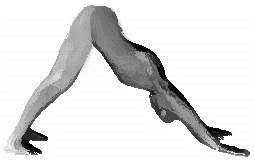
Yoga is a mind and body practice in complementary medicine with origins in ancient Indian philosophy. The various styles of yoga that people use for health purposes typically combine physical postures, breathing techniques, and meditation or relaxation. There are numerous schools of yoga. Hatha yoga, the most commonly practiced in the United States and Europe, emphasizes postures (asanas) and breathing exercises (pranayama).

Since the 1020’s researchers have been studying and publishing articles on the results of a Yoga practice. Listed below are some of the research results of Hatha Yoga and specific medical conditions. :

ADHD Eighteen boys with diagnosed attention-deficit/hyperactivity disorder (ADHD) were randomly assigned to either a yoga treatment or a cooperative activities group. After 20 sessions of yoga, the boys showed improvement on a variety of indices, including oppositional behavior, emotional lability, and restlessness or impulsivity. The subjects exhibited a dose/ response curve, with those subjects who participated in additional home practice showing a greater response. The control group showed superior scores ondog2 measures of hyperactivity, anxiety, and shyness, as well as social function measures.7
Anxiety A meta-analysis of the research involving yoga interventions for anxiety and related disorders reviewed eight studies conducted during 2004. Overall, this research reported positive results, especially in cases of obsessive-compulsive disorder. However, the authors were quick to point out a generally poor quality of research techniques, inadequacies in methodology, and difficulty comparing studies.8 A Cochrane review of two RCTs that investigated the effectiveness of meditation and yoga on patients with diagnosed anxiety disorders stated that based on the available research, no distinct conclusions can be drawn on the ability of meditation and yoga to be effective for anxiety disorders.9

Asthma To determine the efficacy of Iyengar yoga practice on symptoms and perceived quality of life of people living with asthma, 62 patients with mild to moderate asthma were randomized and divided into two groups. The treatment group performed Iyengar yoga for 4 weeks, and the control group enrolled in a “stretching” program. Both groups underwent spirometry testing and recorded their bronchodilator use, symptoms, and quality of life assessments. At no point in the study did the yoga intervention group show a measured benefit in clinical indices.10
Another small RCT divided 17 subjects into a yoga treatment and a control group. The yoga group engaged in relaxation pranayama (mindful breathing) techniques, yoga postures, and meditation 3 times per week for 16 weeks. Spirometry testing showed little difference between the two groups; however, the yoga group showed improved exercise tolerance and reported relaxation as well as a more positive attitude as measured by questionnaire. This study also showed a trend toward less use of short-acting bronchodilator medication in the yoga group.11

Back pain A 12-week RCT compared viniyoga practice with conventional therapeutic back exercises or a self-help book for 101 patients with chronic low back pain. The yoga group met with one instructor for a weekly 75-minute viniyoga practice. Patients were also encouraged to practice at home daily and were given handouts and an audio CD guide. This group showed greater improvement in functional status, decreased activity restriction, and increased general health compared to the conventional exercise group or the self-help book group at 12 weeks. At 26 weeks post treatment, the conventional exercise and yoga therapy group did not show a significant difference in outcome, though at all points in time, viniyoga therapy appeared to be more effective than the self- care book. The viniyoga benefit also lasted for months after the intervention.12

Cardiovascular disease A systematic literature review of 70 studies published over the past two decades showed a trend toward beneficial changes in metabolic syndrome risk factors such as insulin resistance, lipid profiles, BP, and anthropomorphic indices. The author noted that by controlling risk factors for metabolic syndrome, a regular yoga practice might possibly reduce the risk of cardiovascular disease (CVD). It is important to note that approximately one-third of the reviewed studies were RCTs and that the majority of the others were uncontrolled or nonrandomized controlled clinical trials.4 A 2002 comprehensive review of the literature on the psychophysiological effects of hatha yoga concluded that regular hatha yoga practice and a “yoga lifestyle” have the potential to benefit CVD risk indices.5

Cardiovascular fitness A 50-minute hatha yoga routine burns 2.2 to 3.6 kcal/min, the equivalent a very slow walk. Except in persons who are very deconditioned, this type of yoga practice alone is unlikely to have a significant training effect on cardiovascular fitness, pulmonary function, body composition, or fat metabolism.13 More vigorous forms of power or vinyasa yoga require a higher energy output, depending on the method of teaching and selection of asanas (postures). One recent study demonstrated a 7% increase in VO2 max after previously sedentary subjects practiced 8 weeks of yoga training.13 However, the general consensus is that yoga does not provide the significant cardiovascular stimulus necessary to enhance cardiovascular function.14

REFERENCES

1. Tindle HA, Davis RB, Phillips RS, Eisenberg DM. Trends in use of complementary and alternative medicine by US adults: 1997-2002. Altern Ther Health Med. 2005;11(1):42-49.
2. Carrico M. Yoga Journal’s Yoga Basics: The Essential Beginner’s Guide to Yoga for a Lifetime of Health and Fitness. New York, NY: Henry Holt and Company; 1997.
3. Nayak NN, Shankar K. Yoga: a therapeutic approach. Phys Med Rehabil Clin N Am. 2004;15(4): 783-798, vi.
4. Innes KE, Bourguignon C, Taylor AG. Risk indices associated with the insulin resistance syndrome, cardiovascular disease, and possible protection with yoga: a systematic review. J Am Board Fam Pract. 2005;18(6):491-519.
5. Raub JA. Psychophysiologic effects of Hatha yoga on musculoskeletal and cardiopulmonary function: a literature review. J Altern Complement Med. 2002;8(6):797-812.
6. Luskin FM, Newell KA, Griffith M, et al. A review of mind-body therapies in the treatment of musculoskeletal disorders with implications for the elderly. Altern Ther Health Med. 2000;6(2): 46-56.
7. Jensen PS, Kenny DT. The effects of yoga on the attention and behavior of boys with attentiondeficit/ hyperactivity disorder (ADHD). J Atten Disord. 2004;7(4):205-216.
8. Kirkwood G, Rampes H, Tuffrey V, et al. Yoga for anxiety: a systematic review of the research evidence. Br J Sports Med. 2005;39(12):884-891.
9. Krisanaprakornkit T, Krisanaprakornkit W, Piyavhatkul N, Laopaiboon M. Meditation therapy for anxiety disorders. Cochrane Database Syst Rev. 2006;(1):CD004998.
10. Sabina AB, Williams AL, Wall HK, et al. Yoga intervention for adults with mild-to-moderate asthma: a pilot study. Ann Allergy Asthma Immunol. 2005;94(5):543-548.
11. Vendanthan PK, Kesavalu LN, Murthy KC, et al. Clinical study of yoga techniques in university students with asthma: a controlled study. Allergy Asthma Proc. 1998;19(1):3-9.
12. Sherman KJ, Cherkin DC, Erro J, et al. Comparing yoga, exercise, and a self-care book for chronic low back pain: a randomized, controlled trial. Ann Intern Med. 2005;143(12):849-856.
13. Tran MD, Holly RG, Lashbrook J, Amsterdam EA. Effects of Hatha yoga practice on the healthrelated aspects of physical fitness. Prev Cardiol. 2001;4(4):165-170.
14. Clay CC, Lloyd LK, Walker JL, et al. The metabolic cost of Hatha yoga. J Strength Cond Res. 2005;19(3):604-610.

Grounding

19 Thursday Dec 2019

Posted by RichardB in grounding, Handout, Health, mental health, Psychoeducation, Therapy

≈ Comments Off on Grounding

Tags

grounding, handouts, health, list

Grounding Techniques are activities you use when you feel overwhelmed by feelings, thoughts, sensations. These techniques help a person move their focus away from what is overwhelming them to something else. That something else is preferable healthy and supportive to their wellbeing. Below is a list that clients and patients have mentioned over the years of things they do that help them ground.

  • Get ice or ice water
  • Breathe – slow and deep, like blowing up a balloon.
  • Take your shoes off and rub your feet on the ground.
  • Open your eyes and look around. See yourself in a different place than.
  • Move around. Feel your body. Stretch out your arms, hands, fingers.
  • Peel an orange or a lemon. Notice the smell. Take a bite. Focus on the taste.
  • Pet your cat, dog or rabbit.
  • Spray yourself with favorite perfume.
  • Eat ice cream! Or any favorite food. Pay attention to the taste.
  • Call a friend.
  • Take a shower.
  • Take a bath.
  • Go for a walk. Feel the sunshine (or rain, or snow!)
  • Count nice things.
  • Dig in the dirt in your garden.
  • Turn lights on.
  • Play your favorite music.
  • Hug a tree!
  • Touch things around you.
  • Frozen Orange – put your nails into it – the cold and the smell can bring you back
  • Pull up the daily newspaper on your browser. Notice the date and read a current article.
  • Stomp your feet to remind yourself where you are. Press your feet firmly into the ground.
  • Try to notice where you are, your surroundings including people, sounds like the t.v. or radio.
  • Concentrate on your breathing. Take a deep cleansing breath from your diaphragm. Count the breaths as you exhale. Make sure you breath slowly so you don’t hyperventilate.
  • Cross your legs and arms. Feel the sensations of you controlling your body.
  • Call a friend and ask them to talk with you about something you have recently done together.
  • Take a warm relaxing bubble bath or a warm shower. Feel the water touching your body.
  • Mentally remind yourself that the memory was then, and it is over. Give yourself permission to not think about it right now.
  • Realize that no matter how small you feel, you are an adult.
  • Go outside and sit against a tree. Feel the bark pressing against your body. Smell the outside aromas like the grass and the leaves. Run your fingers through the grass.
  • If you are sitting, stand. If you are standing sit. Pay attention to the movement change. Reminding yourself — you are in control.
  • Rub your palms, clap your hands. Listen to the sounds. Feel the sensation.
  • Speak out loud. Say your name or significant others name.
  • Hold something that you find comforting, for some it may be a stuffed animal or a blanket. Notice how it feels in your hands. Is it hard or soft?
  • Eat something. How does it taste, sweet or sour? Is it warm or cold?
  • If you have a pet use that moment to touch them. Feel their fur and speak the animals name out loud.
  • Visualize a bright red STOP sign to help you stop the flashback and/or memory
  • Step outside. If it’s warm, feel the sun shining down on your face. If it’s cold, feel the breeze. How does it make your body feel?
  • Take a walk outside and notice your neighborhood. Pay attention to houses and count them.
  • Listen to familiar music and sing along to it. Dance to it.
  • Write in your journal. Pay attention to yourself holding the pencil. Write about what you are remembering and visualize the memory traveling out of you into the pencil and onto the paper. Tear the paper up or seal it in an envelope. Give it to your therapist for safekeeping.
  • Go online and talk with an online friend. Write an email.
  • Imagine yourself in a safe place. Feel the safety and know it.
  • Watch a favorite t.v. program or video. Play a video game.
  • If you have a garden, work in it. Feel your hands running through the dirt.
  • Wash dishes or clean your house.
  • Meditate if you are comfortable with it.
  • Exercise. Ride a bike, stationary or otherwise. Lift weights. Do jumping jacks.

Mood Disorders Across the Lifespan

20 Wednesday Nov 2019

Posted by RichardB in research, Therapy, youtube

≈ Comments Off on Mood Disorders Across the Lifespan

Tags

Mood Disorders, therapy, youtube

Wellness

30 Wednesday Oct 2019

Posted by RichardB in emotions, positive, Therapy, Wellness

≈ Comments Off on Wellness

Tags

wellness

Wellness is not the mere absence of disease. It is a proactive, preventive approach designed to achieve optimum levels of health, social and emotional functioning. Wellness can also be defined as an active process through which you become aware of and make choices toward a more successful existence.

The definition of Wellness is: NOUN
1. mental and physical soundness: physical well-being, especially when maintained or achieved through good diet and regular exercise.

A wellness-oriented lifestyle encourages you to adopt habits and behaviors that promote better health and an improved quality of life. It also involves the recognition that you have physical, psychological, social, and spiritual needs, with each dimension being necessary for optimal levels of functioning.f-060

Wellness is a positive approach to living – an approach that emphasizes the whole person. It is the integration of the body, mind, and spirit; and the appreciation that everything you do, think, feel, and believe has an impact on your state of health.

Since lifestyle has been found to be the single most important factor determining your pattern of general health, it is important that you be educated to “take charge” of your daily life and to set healthy lifestyle goals. The choices you make have a dominant influence on your health ad wellness. The secret is not in medical care, but consistent self- care. While traditional medicine concentrates on alleviating or curing disease, the wellness approach encourages you to take personal responsibility for your well-being.

Remember, Wellness is an active process of becoming aware of and making choices toward a healthy and fulfilling life.

“…a state of complete physical, mental, and social well-being, and not merely the absence of disease or infirmity.” – The World Health Organization

Men and Depression

28 Monday Oct 2019

Posted by RichardB in Depression, Handout, Mental Health, Psychoeducation, Therapy

≈ Comments Off on Men and Depression

Tags

depression, men, self, symtoms, wellness

In my years f doing groups I have on occasion facilitated men only groups. One issue that comes up is depression. We all have bouts of sadness now and than and when those bouts of sadness interfere with our daily lives than we need to take a step in the direction of change. Below is a handout I often use, particularly with dual diagnosed men.  5241352878_f53a343088

Symptoms of Depression

Not everyone who is depressed or manic experiences every symptom. Some people experience only a few; some people suffer many. The severity of symptoms varies among individuals and also over time.

· Persistent sad, anxious, or “empty” mood.

· Feelings of hopelessness or pessimism.

· Feelings of guilt, worthlessness, or helplessness.

· Loss of interest or pleasure in hobbies and activities that were once enjoyable

· Decreased energy, fatigue; feeling “slowed down.”

· Difficulty concentrating, remembering, or making decisions.

· Trouble sleeping, early-morning awakening, or oversleeping.

· Changes in appetite and/or weight.

· Thoughts of death or suicide, or suicide attempts.

· Restlessness or irritability.

· Persistent physical symptoms, such as headaches, digestive disorders, and chronic pain that do not respond to routine treatment.


Co-Occurrence of Depression with Other Illnesses

Depression can coexist with other illnesses. In such cases, it is important that the depression and each co-occurring illness be appropriately diagnosed and treated. Research has shown that anxiety disorders which include post-traumatic stress disorder (PTSD), obsessive-compulsive disorder, panic disorder, social phobia, and generalized anxiety disorder commonly accompany depression.

Substance use disorders (abuse or dependence) also frequently co-occur with depressive disorders. Research has revealed that people with drug and/or alcohol addiction are almost twice as likely to experience depression.

Depression has been found to occur at a higher rate among people who have other serious illnesses such as heart disease, stroke, cancer, HIV, diabetes, and Parkinson’s.

Causes of Depression

Very often, a combination of cognitive, genetic, and environmental factors is involved in the onset of depression. Modern brain-imaging technologies reveal that, in depression, neural circuits responsible for the regulation of moods, thinking, sleep, appetite, and behavior fail to function properly.

In some families, depressive disorders seem to occur generation after generation; however, they can also occur in people with no family history of these illnesses. Genetics research indicates that risk for depression results from the influence of specific multiple genes acting together with non-genetic factors.

Environmental factors such as trauma, loss of a loved one, a difficult relationship, financial problem, or any stressful change in life patterns, whether the change is unwelcome or desired, can trigger a depressive episode in vulnerable individuals. Once someone experiences a bout of depression later episodes of depression may occur without an obvious cause.

Men and Depression

Men are more likely than women to report alcohol and drug abuse or dependence in their lifetime; however, there is debate among researchers as to whether substance use is a “symptom” of underlying depression in men or a co-occurring condition that more commonly develops in men. Nevertheless, substance use can mask depression, making it harder to recognize depression as a separate illness that needs treatment.

Instead of acknowledging their feelings, asking for help, or seeking appropriate treatment, men may turn to alcohol or drugs when they are depressed, or become frustrated, discouraged, angry, irritable, and, sometimes, violently abusive. Some men deal with depression by throwing themselves compulsively into their work, attempting to hide their depression from themselves, family, and friends. Other men may respond to depression by engaging in reckless behavior, taking risks, and putting themselves in harm’s way.

How to Help Yourself if You Are Depressed

Depressive disorders can make one feel exhausted, worthless, helpless, and hopeless. It is important to realize that these negative views are part of the depression and do not accurately reflect the actual circumstances. Negative thinking fades as treatment begins to take effect. In the meantime:

  • Engage in mild exercise. Go to a movie, a ballgame, or participate in religious, social, AA/NA meetings or other healthy activities.
  • Set realistic goals and assume a reasonable amount of responsibility.
  • Break large tasks into small ones, set some priorities, and what you can as you can.
  • Try to be with other people and to confide in someone; it is usually better than being alone and secretive.
  • Expect your mood to improve gradually, not immediately.
  • Feeling better takes time. Often during treatment of depression, sleep and appetite will begin to improve before depressed mood lifts.
  • Postpone important decisions. Before deciding to make a significant transition–change jobs, get married or divorced–discuss it with others who know you well and have a more objective view of your situation.
  • Do not expect to ‘snap out of’ a depression. But do expect to feel a little better day-by-day.
  • Remember, positive thinking will replace the negative thinking as your depression responds to treatment.
  • Let your family and friends help you.

Different Cultures Enhances Creativity

21 Monday Oct 2019

Posted by RichardB in create, Creativity, emotions, grounding, Health, Therapy, Wellness

≈ Comments Off on Different Cultures Enhances Creativity

Tags

create, culture, open, wellness

Creativity can be enhanced by experiencing cultures different from one’s own, according to a study in Personality and Social Psychology Bulletin (published by SAGE).hands-106
Three studies looked at students who had lived abroad and those who hadn’t, testing them on different aspects of creativity. Relative to a control group, which hadn’t experienced a different culture, participants in the different culture group provided more evidence of creativity in various standard tests of the trait. Those results suggest that multicultural learning is a critical component of the adaptation process, acting as a creativity catalyst.

The researchers believe that the key to the enhanced creativity was related to the students’ open-minded approach in adapting to the new culture. In a global world, where more people are able to acquire multicultural experiences than ever before, this research indicates that living abroad can be even more beneficial than previously thought.

“Given the literature on structural changes in the brain that occur during intensive learning experiences, it would be worthwhile to explore whether neurological changes occur within the creative process during intensive foreign culture experiences,” write the authors, William W. Maddux, Hajo Adam, and Adam D. Galinsky. “That can help paint a more nuanced picture of how foreign culture experiences may not only enhance creativity but also, perhaps literally, as well as figuratively, broaden the mind.
The article “When in Rome… Learn Why the Romans Do What They Do: How Multicultural Learning Experiences Facilitate Creativity” in the June 2010 issue of Personality and Social Psychology Bulletin is available free for a limited time here.
Source: SAGE Publications

Dance Movement Therapy

04 Friday Oct 2019

Posted by RichardB in Dance Movement Therapy, Therapy

≈ Comments Off on Dance Movement Therapy

Tags

dance, Dance Movement Therapy

Dance Movement Therapy is a creative arts therapy rooted in the expressive nature of dance. Since dance/movement comes from the body it is considered the most fundamental of the arts and is a direct expression (and experience) of the self. Dance/movement is a basic form of authentic communication, and as such it is an especially effective medium for therapy.

mentally_HSDance/movement therapists (R-DMT or BC-DMT) work with individuals of all ages, groups and families in a wide variety of settings. They focus on helping their clients improve self-esteem and body image, develop effective communication skills and relationships, expand their movement vocabulary, gain insight into patterns of behavior, as well as create new options for coping with problems. Movement is the primary medium DMT’s use for observation, assessment, research, therapeutic interaction, and interventions.

DMT’s work in settings that include psychiatric and rehabilitation facilities, schools, nursing homes, drug treatment centers, counseling centers, medical facilities, crisis centers, and wellness and alternative health care centers.

Men and Depression

11 Wednesday Sep 2019

Posted by RichardB in Depression, Handout, mental health, Psychoeducation, Therapy

≈ Comments Off on Men and Depression

Tags

depression, men, self, symtoms, wellness

In my years f doing groups I have on occasion facilitated men only groups. One issue that comes up is depression. We all have bouts of sadness now and than and when those bouts of sadness interfere with our daily lives than we need to take a step in the direction of change. Below is a handout I often use, particularly with dual diagnosed men.

Symptoms of Depression

Not everyone who is depressed or manic experiences every symptom. Some people experience only a few; some people suffer many. The severity of symptoms varies among individuals and also over time.

· Persistent sad, anxious, or “empty” mood.

· Feelings of hopelessness or pessimism.

· Feelings of guilt, worthlessness, or helplessness.

· Loss of interest or pleasure in hobbies and activities that were once enjoyable

· Decreased energy, fatigue; feeling “slowed down.”

· Difficulty concentrating, remembering, or making decisions.

· Trouble sleeping, early-morning awakening, or oversleeping.

· Changes in appetite and/or weight.

· Thoughts of death or suicide, or suicide attempts.

· Restlessness or irritability.

· Persistent physical symptoms, such as headaches, digestive disorders, and chronic pain that do not respond to routine treatment.


Co-Occurrence of Depression with Other Illnesses

Depression can coexist with other illnesses. In such cases, it is important that the depression and each co-occurring illness be appropriately diagnosed and treated. Research has shown that anxiety disorders which include post-traumatic stress disorder (PTSD), obsessive-compulsive disorder, panic disorder, social phobia, and generalized anxiety disorder commonly accompany depression.

Substance use disorders (abuse or dependence) also frequently co-occur with depressive disorders. Research has revealed that people with drug and/or alcohol addiction are almost twice as likely to experience depression.

Depression has been found to occur at a higher rate among people who have other serious illnesses such as heart disease, stroke, cancer, HIV, diabetes, and Parkinson’s.

Causes of Depression

Very often, a combination of cognitive, genetic, and environmental factors is involved in the onset of depression. Modern brain-imaging technologies reveal that, in depression, neural circuits responsible for the regulation of moods, thinking, sleep, appetite, and behavior fail to function properly.

In some families, depressive disorders seem to occur generation after generation; however, they can also occur in people with no family history of these illnesses. Genetics research indicates that risk for depression results from the influence of specific multiple genes acting together with non-genetic factors.

Environmental factors such as trauma, loss of a loved one, a difficult relationship, financial problem, or any stressful change in life patterns, whether the change is unwelcome or desired, can trigger a depressive episode in vulnerable individuals. Once someone experiences a bout of depression later episodes of depression may occur without an obvious cause.

Men and Depression

Men are more likely than women to report alcohol and drug abuse or dependence in their lifetime; however, there is debate among researchers as to whether substance use is a “symptom” of underlying depression in men or a co-occurring condition that more commonly develops in men. Nevertheless, substance use can mask depression, making it harder to recognize depression as a separate illness that needs treatment.

Instead of acknowledging their feelings, asking for help, or seeking appropriate treatment, men may turn to alcohol or drugs when they are depressed, or become frustrated, discouraged, angry, irritable, and, sometimes, violently abusive. Some men deal with depression by throwing themselves compulsively into their work, attempting to hide their depression from themselves, family, and friends. Other men may respond to depression by engaging in reckless behavior, taking risks, and putting themselves in harm’s way.

How to Help Yourself if You Are Depressed

Depressive disorders can make one feel exhausted, worthless, helpless, and hopeless. It is important to realize that these negative views are part of the depression and do not accurately reflect the actual circumstances. Negative thinking fades as treatment begins to take effect. In the meantime:

  • Engage in mild exercise. Go to a movie, a ballgame, or participate in religious, social, AA/NA meetings or other healthy activities.
  • Set realistic goals and assume a reasonable amount of responsibility.
  • Break large tasks into small ones, set some priorities, and what you can as you can.
  • Try to be with other people and to confide in someone; it is usually better than being alone and secretive.
  • Expect your mood to improve gradually, not immediately.
  • Feeling better takes time. Often during treatment of depression, sleep and appetite will begin to improve before depressed mood lifts.
  • Postpone important decisions. Before deciding to make a significant transition–change jobs, get married or divorced–discuss it with others who know you well and have a more objective view of your situation.
  • Do not expect to ‘snap out of’ a depression. But do expect to feel a little better day-by-day.
  • Remember, positive thinking will replace the negative thinking as your depression responds to treatment.
  • Let your family and friends help you.

Mood Disorders Across the Lifespan

30 Friday Aug 2019

Posted by RichardB in emotions, Health, Therapy, Wellness, YouTube

≈ Comments Off on Mood Disorders Across the Lifespan

Tags

Lifespan, mental heath, Mood Disorders, Stanford

What happens in our brain when we practice mindfulness?

21 Wednesday Aug 2019

Posted by RichardB in brain, Creative Art Therapy, grounding, mindfulness, Therapy, Wellness, YouTube

≈ Comments Off on What happens in our brain when we practice mindfulness?

Tags

meditation, mental heath, mindfulness, mindfulness practice, wellness

Yoga may boost your brain power

14 Wednesday Aug 2019

Posted by RichardB in brain, breath, Creativity, emotions, Health, pain management, Relaxation, Therapy

≈ Comments Off on Yoga may boost your brain power

Tags

brain, breathe, health, research, yoga

Yogis may be enjoying a surprising benefit when they unroll their mats and strike a pose. A new study finds that just 20 minutes of hatha yoga stimulates brain function.

Researchers from the University of Illinois at Urbana-Champaign enlisted 30 subjects to take tests of working memory and inhibitory control, two measures of brain function associated with the ability to focus, retain, and use new information, the researchers said.

Subjects who took a single, 20-minute yoga session were significantly faster and more accurate on their tests than subjects who walked or jogged on a treadmill for 20 minutes.
Participants on the treadmill exercised with the goal of maintaining 60 to 70 percent of their maximum heart rate throughout the exercise session. “This range was chosen to replicate previous findings that have shown improved cognitive performance in response to this intensity,” the researchers said.1472891_10151996608469691_438298404_n

“Yoga is an ancient Indian science and way of life that includes not only physical movements and postures but also regulated breathing and meditation,” said study lead Neha Gothe. “The practice involves an active attentional or mindfulness component but its potential benefits have not been thoroughly explored.”

Subjects who practiced yoga performed a 20-minute sequence of seated, standing, and supine yoga postures, with the class ending in a meditative posture and deep breathing.

“It appears that following yoga practice, the participants were better able to focus their mental resources, process information quickly, more accurately and also learn, hold and update pieces of information more effectively than after performing an aerobic exercise bout,” Gothe said.

“The breathing and meditative exercises aim at calming the mind and body and keeping distracting thoughts away while you focus on your body, posture or breath,” she said. “Maybe these processes translate beyond yoga practice when you try to perform mental tasks or day-to-day activities.”

Findings, announced June 5, appear in the Journal of Physical Activity and Health.
A separate study published last month finds that twice-weekly yoga sessions can reduce high blood pressure. In the study, researchers led by Dr. Debbie Cohen of the University of Pennsylvania tracked 58 women and men, aged 38 to 62, for 24 weeks.

Another study published earlier this year in the journal Frontiers in Psychiatry found that the practice may soothe depression and help sleep problems.

Read more:A 20-minute yoga session may boost your brain power – The Denver Post

Pets

10 Friday May 2019

Posted by RichardB in Pets, Therapy

≈ Comments Off on Pets

Tags

article, pets, therapy

Wonderful article written by Joseph Burgo, Ph.D. who has practiced psychotherapy for more than 30 years, holding licenses as a marriage and family therapist and clinical psychologist.msclip-003

“…Although Sigmund Freud’s psychoanalytic method encourages the analyst to present a blank screen, concealing all details of his personal life, thoughts and feelings, Freud himself practiced from his home and included Jo-Fi, his favorite chow chow, in many of his sessions. Freud supposedly relied on his pet’s reaction to a client for help in assessing the person’s character. He also felt that a dog’s presence helped to calm his clients.”

Read more here: The Pets in My Practice

How art aided Andrew Marr’s recovery

24 Wednesday Apr 2019

Posted by RichardB in art, Health, Journaling, lifestyle, Therapy, Wellness

≈ Comments Off on How art aided Andrew Marr’s recovery

Tags

health, recovery, wellness

“When I started to recover in hospital, one of my early frustrations was that I found I wanted to draw.

Drawing does for me what others find in meditation, prayer or gardening. It is my way of connecting to the world; it is not just making images but drinking in and praising what’s around me.

Returning to the world as I did after my stroke, you look at it with fresh eyes. You want to absorb all you see. That meant being able to draw again and art aided my recovery and charted it.” Read more: http://www.dailymail.co.uk/home/event/article-2442555/BBCs-Andrew-Marr-Knowing-I-able-draw-realise-I-going-OK.html#ixzz2gwenGqUy

Is That a Real Service Dog?

23 Wednesday Jan 2019

Posted by RichardB in dogs, Humans, people, Social Science, Therapy

≈ Comments Off on Is That a Real Service Dog?

Tags

Service Dog

Is That a Real Service Dog?


Rough Road/Path photos

04 Friday Jan 2019

Posted by RichardB in art, creative arts therapy, groups, photo set, Therapy

≈ Comments Off on Rough Road/Path photos

Tags

creative arts therapy, Creativity, photo, recovery, therapy, wellness

I have been involved in facilitating groups for decades. One of the tools I use for groups of adults, teens, or children are photos. I use photos as a way for folks to become familiar and used to talking and sharing in a group. As a way to indirectly share something of themselves by talking about an image/photo. As a way to begin a conversation about larger issues or deeper issues.

One set of photos I use are Rough Road/Path photos with alcohol addicts and heroin addicts in the beginning of recovery. I spread the photos out on a table and ask the group (usually 10 to 15 men) to pick out one photo that represents their journey in the week or weeks before they came into rehab. Once everyone has chosen a photo I ask them to (one at a time) hold up the photo, describe the photo and why they chose it. The descriptions and stories they tell come from them, their experiences and begin the process of revealing a bit about their

Newer posts →

instagram

Follow RichardbBrunner on WordPress.com
  • Tumblr
  • YouTube

Blog at WordPress.com.

Privacy & Cookies: This site uses cookies. By continuing to use this website, you agree to their use.
To find out more, including how to control cookies, see here: Cookie Policy
  • Subscribe Subscribed
    • RichardbBrunner
    • Join 491 other subscribers
    • Already have a WordPress.com account? Log in now.
    • RichardbBrunner
    • Subscribe Subscribed
    • Sign up
    • Log in
    • Report this content
    • View site in Reader
    • Manage subscriptions
    • Collapse this bar
 

Loading Comments...