UCSF – Groundbreaking Innovations in Mental Health at
27 Wednesday Apr 2022
Posted in Uncategorized
≈ Comments Off on UCSF – Groundbreaking Innovations in Mental Health at

27 Wednesday Apr 2022
Posted in Uncategorized
≈ Comments Off on UCSF – Groundbreaking Innovations in Mental Health at
17 Sunday Apr 2022
22 Tuesday Mar 2022
Before the yuan can become a global currency, it must first be successful as a reserve currency. That would give China the following benefits:
The yuan would be used to price more international contracts. China exports a lot of commodities that are traditionally priced in U.S. dollars. If they were priced in yuan, China would not have to worry so much about the dollar’s value.
All central banks would have to hold yuan as part of their foreign exchange reserves. The yuan would be in higher demand. That would lower interest rates for bonds denominated in yuan.
Chinese exporters would have lower borrowing costs.
China would have more economic clout in relation to the United States.
It would support President Jinping’s economic reforms.

China is working hard to make the yuan the next global currency. Although presently a reserve currency, the yuan can’t upstage the U.S. dollar unless the following scenarios happen:
Central banks around the world choose to keep a total of at least $700 billion worth of yuan in foreign exchange reserves.
The People’s Bank of China (PBOC) allows free trade of the yuan and relaxes its peg to the U.S. dollar.
The PBOC becomes straightforward about its future intentions with the yuan.
China’s financial markets turn transparent.
Chinese monetary policies are perceived as stable.
The yuan acquires the U.S. dollar’s reputation of stability, which is backed by the enormity and liquidity of U.S. Treasurys.
15 Tuesday Mar 2022
Posted in Economics, Economy, Politics, Uncategorized
≈ Comments Off on Reserve Currency
Tags
A reserve currency (or anchor currency) is a foreign currency that is held in significant quantities by central banks or other monetary authorities as part of their foreign exchange reserves. The reserve currency can be used in international transactions, international investments and all aspects of the global economy. It is often considered a hard currency or safe-haven currency.
The United Kingdom’s pound sterling was the primary reserve currency of much of the world in the 19th century and first half of the 20th century.[1] However, by the middle of the 20th century, the United States dollar had become the world’s dominant reserve currency.[2] The world’s need for dollars has allowed the United States government to borrow at lower costs, giving the United States an advantage in excess of $100 billion per year.
John Maynard Keynes proposed the bancor, a supranational currency to be used as unit of account in international trade, as reserve currency under the Bretton Woods Conference of 1945. The bancor was rejected in favor of the U.S. dollar.

A report released by the United Nations Conference on Trade and Development in 2010, called for abandoning the U.S. dollar as the single major reserve currency. The report states that the new reserve system should not be based on a single currency or even multiple national currencies but instead permit the emission of international liquidity to create a more stable global financial system.
Countries such as Russia and the China, central banks, and economic analysts and groups, such as the Gulf Cooperation Council, have expressed a desire to see an independent new currency replace the dollar as the reserve currency. However, it is recognized that the US dollar remains the strongest reserve currency.
25 Friday Feb 2022
Posted in Uncategorized
≈ Comments Off on The history of the world according to cats – Eva-Maria Geigl
08 Tuesday Feb 2022
Posted in Uncategorized
≈ Comments Off on COVID-19: the latest global statistics, charts and maps
Tracking the global coronavirus outbreak, updated daily https://graphics.reuters.com/world-coronavirus-tracker-and-maps/
30 Sunday Jan 2022
Posted in My Photos, Uncategorized
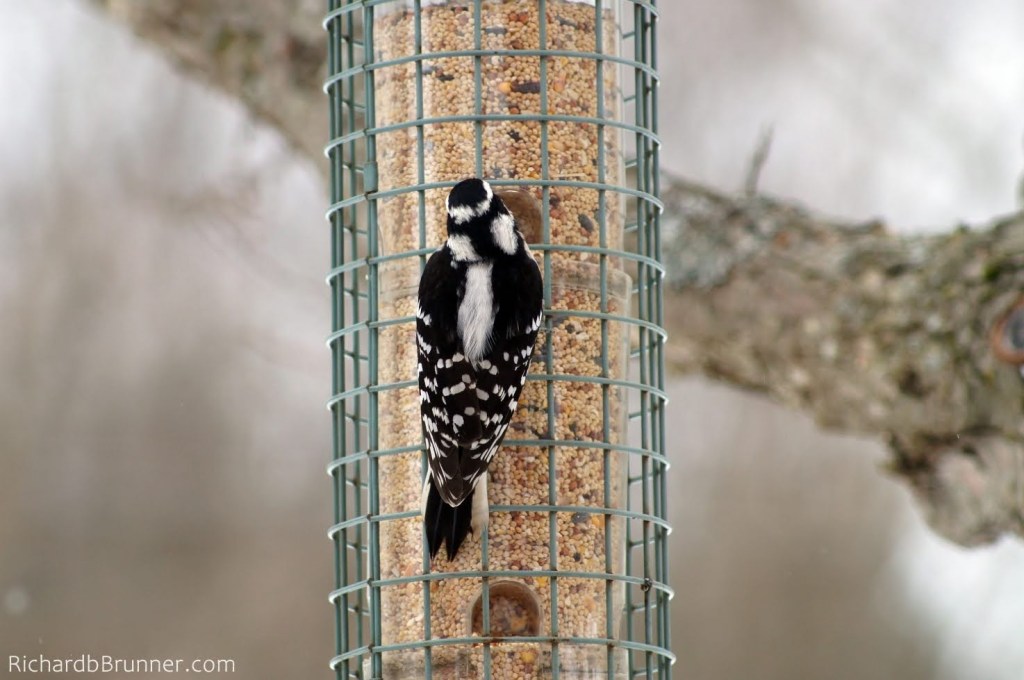
≈ Comments Off on Feeder 2
11 Tuesday Jan 2022
Posted in Meditation, mindfulness, Uncategorized
≈ Comments Off on Meditation and Pain Management
Meditation can relieve pain, and it does so by activating multiple brain areas, according to an April 2011 study in the Journal of Neuroscience. Fadel Zeidan of Wake Forest University and his colleagues scanned people’s brains as they received uncomfortably hot touches to the leg. When subjects practiced a mindful meditation technique that encourages detachment from experience while focusing on breathing, they reported less  pain than when they simply paid attention to their breathing. Likewise, different patterns of brain activity emerged under the two conditions, with mindful meditating resulting in more activity not only in executive centers that evaluate experiences and regulate emotions but also in lower regions that control the signals coming from the body.
The volunteers learned the meditation technique in only four 20-minute sessions, which means this pill-free analgesia could be a feasible way to help real patients suffering from pain. “People can reap some of the benefits of meditation without extensive training,” Zeidan says.
When I work with patients using mindfulness I start by asking who has experience with any type of meditation, breathing techniques and/or relaxation exercises. We than have a brief explanation and question and answer period and I focus on removing any doubt, fear, or skepticism. I usually than do a 10 to 12 minute body scan moving right into a mindful meditation that focuses on the breath.
With the co-occurring patients I work with this process seems to work the best. The chat in the beginning warms people up, the body scan relaxes which helps the meditators enter into a more meditative state.
29 Wednesday Dec 2021
Posted in Depression, Mental Health, Research, Uncategorized
≈ Comments Off on Depression and the inflammatory process
Tags
Most people feel down, tired and inactive when they’re injured or ill. This “sickness behavior” is caused by the activation of the body’s immune response. It’s the brain’s way of conserving energy so the body can heal.
This immune response can also occur in people with depression. This has prompted some researchers and clinicians to hypothesise that depression is actually a side effect of the inflammatory process.
But while there may be a connection between inflammation and depression, one doesn’t necessarily lead to the other. So it’s too simplistic to say depression is a physical, rather than a psychiatric, illness.
University of California clinical psychologist and researcher George Slavich is one of the key recent proponents of depression as a physical illness. He hypothesises that social threats and adversity trigger the production of pro-inflammatory “cytokines”. These are messenger molecules of the immune system that play a critical role in orchestrating the host’s response to injury and infection.
This inflammatory process, Slavich argues, can initiate profound behavioral changes, including the induction of depression.

The idea that the activation of the immune response may trigger depression in some people is by no means a new one. Early descriptions of post-influenza depression appeared in the 19th century in the writings of English physician Daniel Tuke.
But it was not until the 1988 seminal paper, published by veterinarian Benjamin Hart, that the phenomenon of acute “sickness behavior” caught the interest of the scientific community.
Hart described his detailed observations of the “behavior of sick animals”. During acute infection, and in response to fever, the animals sought sleep, lost their appetite, showed a reduction in activity, grooming and social interactions, as well as showing signs of “depression”.
Just like the immune response itself, these changes reflect an evolved survival strategy that shifts priorities toward energy conservation and recovery.
Cytokine-induced sickness behavior has subsequently been studied as an example of communication between the immune system and the brain.
The behavioral changes during sickness resemble those associated with depression, so it didn’t take long for researchers to make a connection between the phenomenon of sickness behavior and mental disorders.
Such speculation was strengthened by research showing that depressive states can be experimentally induced by administering cytokines and other immunogenic agents (such as vaccines) that cause an inflammatory response.
Depression is frequently associated with inflammatory illnesses such as heart disease and rheumatoid arthritis. It’s also a side effect of treatment with cytokines to enhance the immune system.
Over recent decades, researchers have made progress in understanding how inflammation may impact on the activity of signalling pathways to and from the brain, as well as on the functioning of key neural systems involved in mood regulation.
From the available evidence it’s clear, however, that not everyone who suffers from depression has evidence of inflammation. And not all people with high levels of inflammation develop depression.
Trajectories of depression depend on a complex interplay of a spectrum of additional risk and resilience factors, which may be present to varying degrees and in a different combination in any individual at different times. These factors include the person’s:
In line with the notion that inflammation drives depression, some researchers have already trialled the effectiveness of anti-inflammatory therapy as a treatment for depression.
While some recipients (such as those with high levels of inflammation) showed benefit from the treatment, others without increased inflammation did not. This supports the general hypothesis.
However, in our desire to find more effective treatments for depression, we should not forget that the immune response, including inflammation, has a specific purpose. It protects us from infection, disease and injury.
Cytokines act at many different levels, and often in subtle ways, to fulfill their numerous roles in the orchestration of the immune response. Undermining their vital role could have negative consequences.
The recent enthusiasm to embrace inflammation as the major culprit in psychiatric conditions ignores the reality that “depression” is not a single condition. Some depressive states, such as melancholia, are diseases; some are reactions to the environment; some are existential; and some normal.
Such separate states have differing contributions of biological, social and psychological causes. So any attempt to invoke a single all-explanatory “cause” should be rejected. Where living organisms are concerned it is almost never that simple.
In the end, we cannot escape the reality that changes must occur at the level of the brain, in regions responsible for mood regulation, for “depression” to be experienced.
25 Saturday Dec 2021
Posted in Uncategorized
≈ Comments Off on Santa Claws
Santa Claws: The rotund huckster of retail excess and elfin slavery who punishes reindeer with Eurocentric names and whips them into a flying frenzy . Lewis black

23 Thursday Dec 2021
Posted in My Photos, Uncategorized
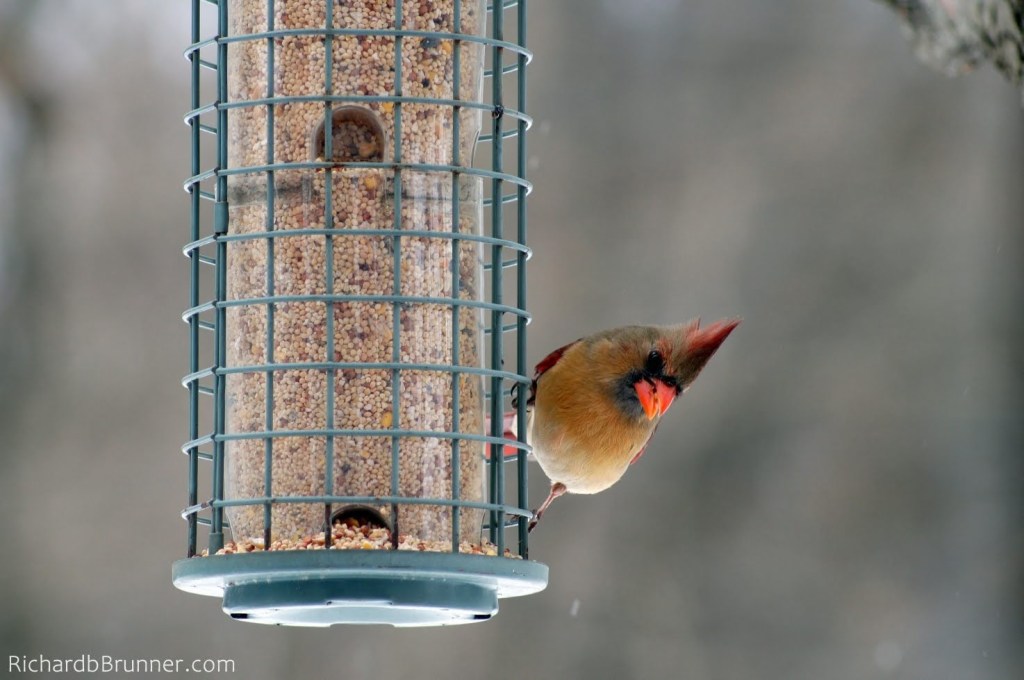
≈ Comments Off on Feeder 3
16 Thursday Dec 2021
Posted in My Photos, Uncategorized
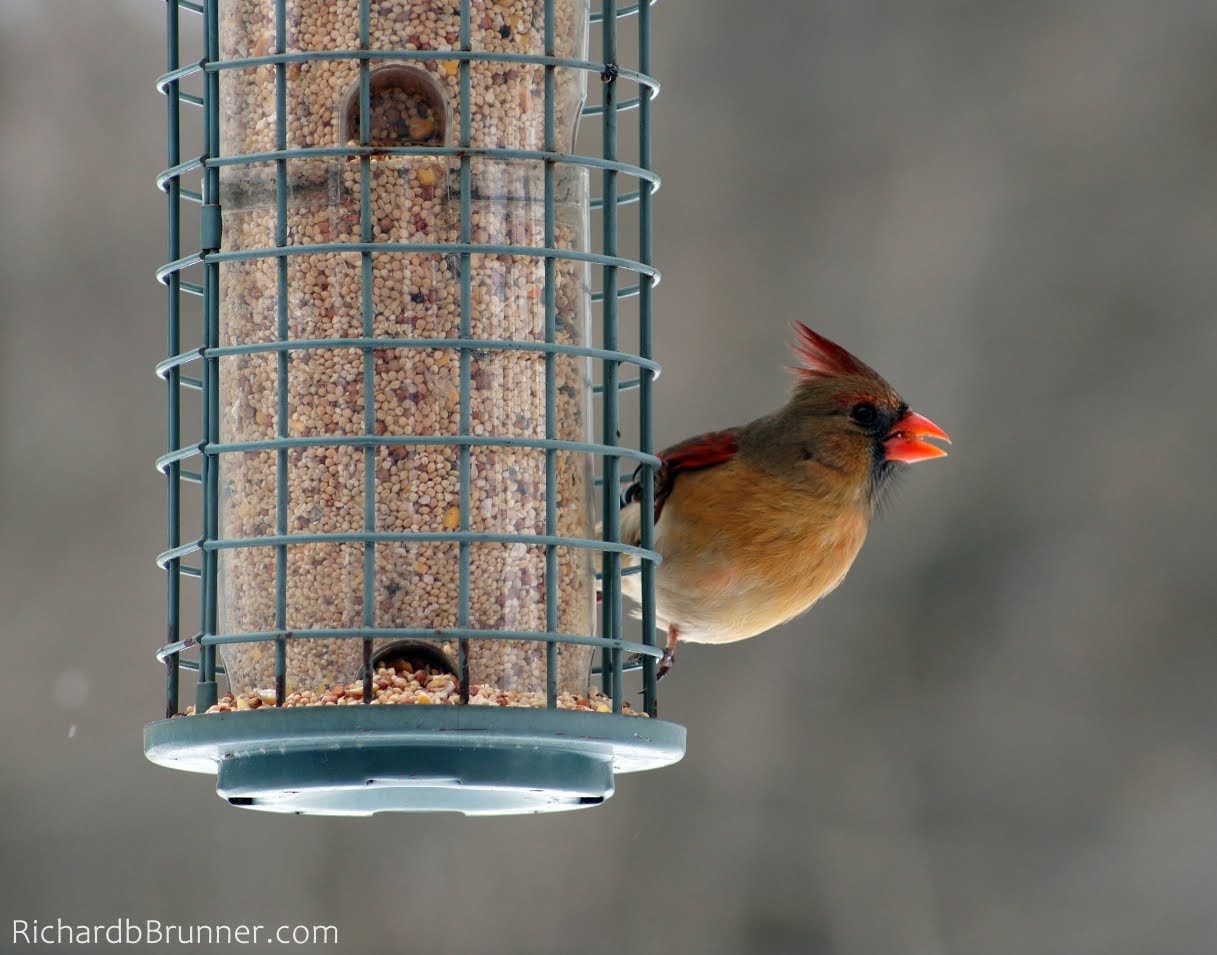
≈ Comments Off on Feeder
10 Friday Dec 2021
Posted in Research, Uncategorized
≈ Comments Off on Human Skin Color
Tags
19 Friday Nov 2021
Posted in news, Uncategorized
≈ Comments Off on Connectography
07 Sunday Nov 2021

Posted by RichardB | Filed under My Photos, Uncategorized
≈ Comments Off on background
05 Friday Nov 2021
Posted in Uncategorized
≈ Comments Off on North Korea former senior colonel tells his story to the BBC
The old habits of secrecy haven’t left Kim Kuk-song.
It has taken weeks of discussions to get an interview with him, and he’s still worried about who might be listening. He wears dark glasses for the camera, and only two of our team know what we think is his real name.
Mr Kim spent 30 years working his way to the top ranks of North Korea’s powerful spy agencies. The agencies were the “eyes, ears, and brains of the Supreme Leader”, he says.
He claims he kept their secrets, sent assassins to kill their critics, and even built an illegal drugs-lab to help raise “revolutionary” funds.
Now, the former senior colonel has decided to tell his story to the BBC. It’s the first time such a senior military officer from Pyongyang has given an interview to a major broadcaster.
Mr Kim was the “reddest of the red”, he says in an exclusive interview. A loyal communist servant.
Read the entire article at the BBC. https://www.bbc.com/news/world-asia-58838834
10 Friday Sep 2021
Posted in news, Uncategorized
≈ Comments Off on Ray Dalio interviews on Yahoo Finance
02 Thursday Sep 2021
Posted in Jiddu Krishnamurti, Uncategorized
≈ Comments Off on healthy sick
16 Wednesday Jun 2021
Posted in Uncategorized
≈ Comments Off on NHK: Kumano – Deities of Nature
“Japan – a country of timeless wonder and mystery. The deep spirituality of the Japanese has captured the hearts of many explorers in the past. The journey to uncover the essence of the Japanese spirit, begins.
Long ago, a belief in animism, the idea that deities are present in every aspect of nature, existed throughout the world. This spirit lives on today in Kumano, a spiritual heartland of Japan. Why does nature continue to play such an important role in Japanese spirituality? We visit a trio of revered shrines in Kumano to explore the roots of Japanese animism.”
See the video at NHK
20 Thursday May 2021
Posted in Dr. Seuss, Uncategorized
≈ Comments Off on You’re in






 RichardbBrunner