Watching Birds, Trees is Good for Mental Health

Tags

, ,

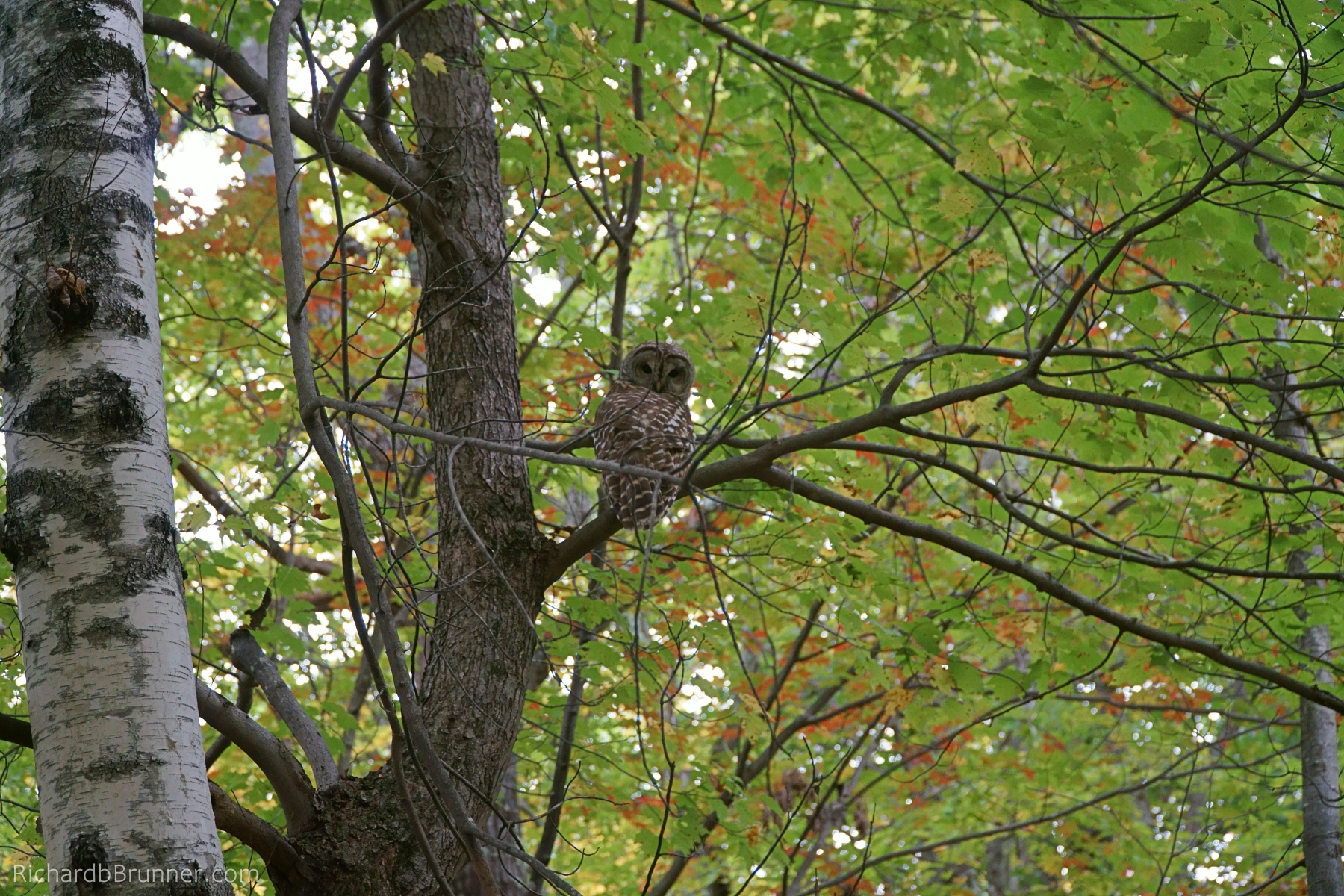
According to a study led by University of Exeter researcher Daniel Cox, people living in neighborhoods with more birds, shrubs and trees are less likely to suffer from depression, anxiety and stress.

Dr. Cox and his colleagues from the University of Maryland, the University of Queensland in Australia, the British Trust for Ornithology and the University of Exeter in the UK, surveyed mental health in 263 people from different ages, incomes and ethnicities.2018-fall0039-sm
 

“All the participants lived within the urban limits of the so-called ‘Cranfield triangle,’ a region in southern England, UK, comprising the three adjacent towns of Milton Keynes, Luton, and Bedford,” the researchers said.

They found benefits for mental health of being able to see birds, shrubs and trees around the home, whether people lived in urban or more leafy suburban neighborhoods. They also found that those who spent less time out of doors than usual in the previous week were more likely to report they were anxious or depressed. MORE


Mindful Yoga and Recovery

Tags

, ,

With more than 100 people dying from opioid overdoses each day in the U.S., new approaches to treating opioid-use disorders are needed. Emma Rose, assistant research professor with Penn State’s Edna Bennett Pierce Prevention Research Center, is leading a study that adds twice-weekly, mindfulness-based yoga to treatment plans for patients with opioid-use disorders in rural Pennsylvania.

young woman excercising power yoga

“We hope to impart skills that help people to stay sober and stay in recovery for longer,” Rose said.

The study divides participants who are receiving medication-assisted treatment in three clinics in Lancaster, Pennsylvania, into two groups, with one group taking two one-hour online yoga classes twice per week for 8 weeks, while the control group will walk for exercise for up to 2 hours per week.

Mindful yoga can impact brain systems that play an important role in the success of addiction treatment — including our brains’ abilities to regulate craving, to adapt to new or changing events, and to ignore distractions, Rose explained.

Read the entire article HERE