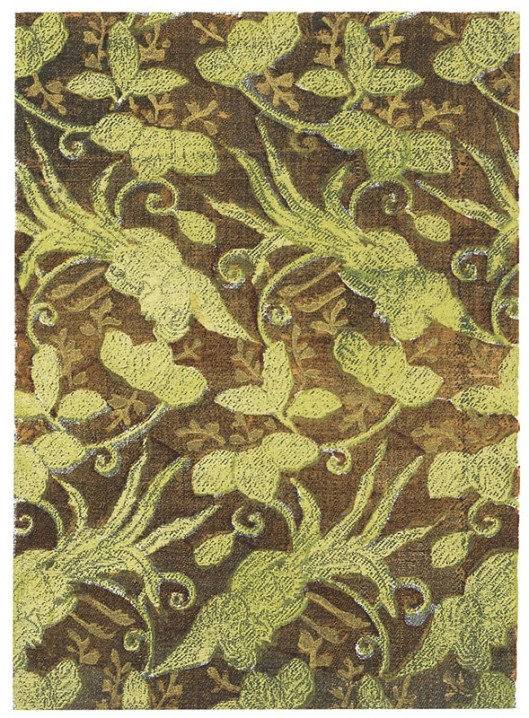
Posted by RichardB | Filed under Japanese Textile Designs
≈ Comments Off on Japanese Textile Designs 85

30 Saturday Oct 2021
Posted by RichardB | Filed under Japanese Textile Designs
≈ Comments Off on Japanese Textile Designs 85
29 Friday Oct 2021
Posted in TedTalks
≈ Comments Off on changing you
Stories help you make sense of your life — but when these narratives are incomplete or misleading, they can keep you stuck instead of providing clarity. In an actionable talk, psychotherapist and advice columnist Lori Gottlieb shows how to break free from the stories you’ve been telling yourself by becoming your own editor and rewriting your narrative from a different point of view.
28 Thursday Oct 2021
27 Wednesday Oct 2021
Posted in Body Image, body language, Dance Movement Therapy, Embodied, Movement, Psychology, Wellness, YouTube
≈ Comments Off on Amy Cuddy: Your body language shapes who you are
Body language affects how others see us, but it may also change how we see ourselves. Social psychologist Amy Cuddy shows how “power posing” — standing in a posture of confidence, even when we don’t feel confident — can affect testosterone and cortisol levels in the brain, and might even have an impact on our chances for success.
26 Tuesday Oct 2021
25 Monday Oct 2021
Posted in Music
≈ Comments Off on Top Songs I listened to in 2014 Playlist
Tags
24 Sunday Oct 2021
23 Saturday Oct 2021
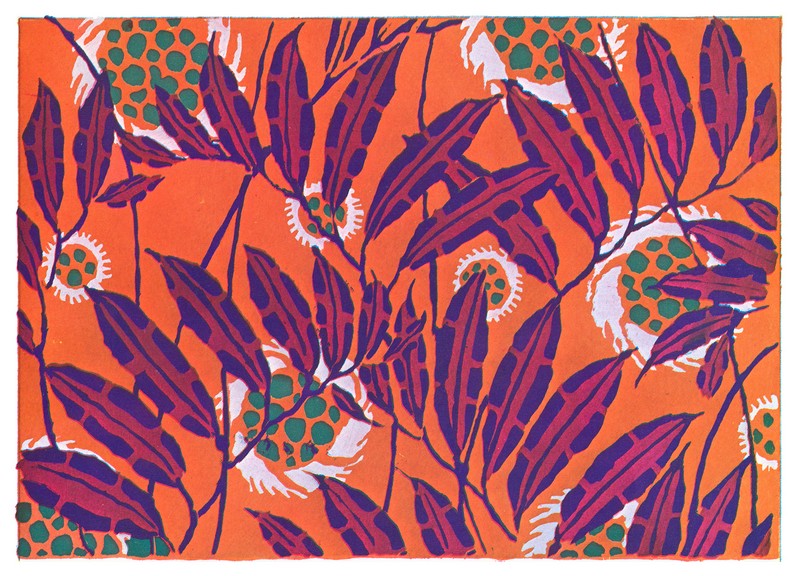
Posted by RichardB | Filed under Seguy Art Deco Designs
≈ Comments Off on Seguy Art Deco Designs 87
22 Friday Oct 2021
Do you know how a bear catches its lunch? What the mythical Chinese equivalent of waiting at the bus stop looks like? Can you identify Hokusai’s favourite duck? Never fear, curator Alfred Haft is going to give you the answers you so desire, plus a whole load of other things you didn’t know you wanted to know about the unpublished encyclopaedia, ‘The Great Picture Book of Everything’, illustrated by the great Japanese artist, Katsushika Hokusai (1760-1849).
21 Thursday Oct 2021
20 Wednesday Oct 2021
Posted in creative arts therapy, Dance Movement Therapy, Movement, Psychotherapy
≈ Comments Off on Assessment & evaluation
Tags
A friend commented that it might be hard to evaluate someone who could only move their hands/arms. Basically the same principles apply whether the movement is with legs through the space or being still with a posture, or moving the arms.
Arms and especially hands are the most common movement elements, feet and legs are next and of course not everybody can move everything so an assessment/evaluation is made with what you can get from a patient/client.
Of course an assessment is guided by the intention. If I want to know how someone is feeling and they are reluctant to share verbally I might ask them to express with their hands (which I often do at the hospital) if they are unclear how they are feeling and how to express that with their hands I might switch to a simple game with the intention of warming them up.
A warm up involving the hands could be tossing and catching a small stuffed animal and at some point adding words by answering easy questions like; my favorite food is “____”. If the person is nonverbal than you can interact with facial/postural/gestural expressions when tossing the animal and/or mirroring to interact and experience/create a response.
The assessment/evaluation happens when observing/witnessing the force and effort used to toss the cow and/or the facial, posture, gesture. Does the effort change during the session and how is that change related to the activity. For instance people will typically have smaller movements to start out with and as they become more comfortable their movements become larger. This happens whether the person is moving by feet/wheels through the space, or sitting tossing something or making gestures or changing their posture. I look at the whole body and don’t just observe/witness the active bits but also what the rest of the body is doing during the activity. For example is there a slight movement in the foot when tossing and is that from an old injury or a current muscle tightness or is it an emotional based issue.

If something comes up in a session that seems like it needs further exploration I might engage the client/patient in an activity that focuses on that “something”. If the left foot turns I might ask the person to focus on their feet when they toss or to make a sound. Or I might simply mention that I noticed you always turn your foot when you toss the stuffed animal and see what response the client/patient has.
The fun and useful part about being a Dance Movement Therapist is that you get to use verbal counseling skills and body counseling skills. The entire person is given a chance/opportunity to express with all of themselves, body and mind.
19 Tuesday Oct 2021
18 Monday Oct 2021
Posted in Music
≈ Comments Off on Top Songs I listened to in 2015 Playlist
Tags
17 Sunday Oct 2021
16 Saturday Oct 2021
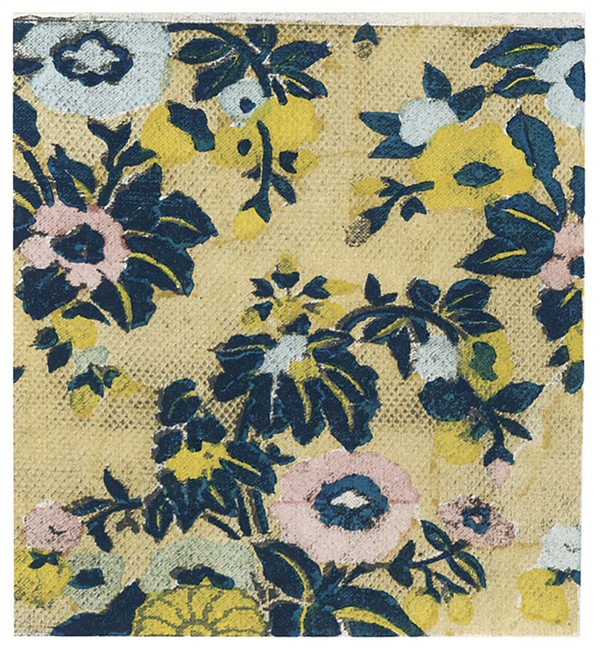
Posted by RichardB | Filed under Japanese Textile Designs
≈ Comments Off on Japanese Textile Designs 106
15 Friday Oct 2021
An interesting read from FT AlphaVille:
“China is the world’s biggest lender to governments. And that’s not just because of its gigantic stockpile of US Treasuries. For much of the past decade Beijing has sought to plug massive infrastructure funding gaps across multiple continents through its Belt and Road Initiative. The overarching aim, other than to bolster global influence, is to upgrade transport links on the old silk road routes which enabled trade between the Far East and what lay to the west of it.” More HERE at FT. You may have to register (for free) to read this article.
Supporting articles: How China Lends Data Sets from AidData and How China Lends PDF from The Peterson Institute for International Economics.

14 Thursday Oct 2021
13 Wednesday Oct 2021
Posted in creative arts therapy, Research, Therapy
≈ Comments Off on Preferences for group arts therapies
From BMJ Open:
Objectives The arts therapies include music therapy, dance movement therapy, art therapy and dramatherapy. Preferences for art forms may play an important role in engagement with treatment. This survey was an initial exploration of who is interested in group arts therapies, what they would choose and why.
Conclusions Large proportions of the participants expressed an interest in group arts therapies. This may justify the wide provision of arts therapies and the offer of more than one modality to interested patients. It also highlights key considerations for assessment of preferences in the arts therapies as part of shared decision-making.
Read the entire article at BMJ Open.

12 Tuesday Oct 2021
11 Monday Oct 2021
Posted in Music
≈ Comments Off on Top Songs I listened to in 2016 Playlist
Tags
I have a 15,000 plus digital audio collection and I use Media Monkey to manage my files. One feature of Media Monkey is you can sort your collection based on the number of times played. This list is based on the 10 top music and/or music video files I played/listened/streamed from my server in 2016.








 RichardbBrunner