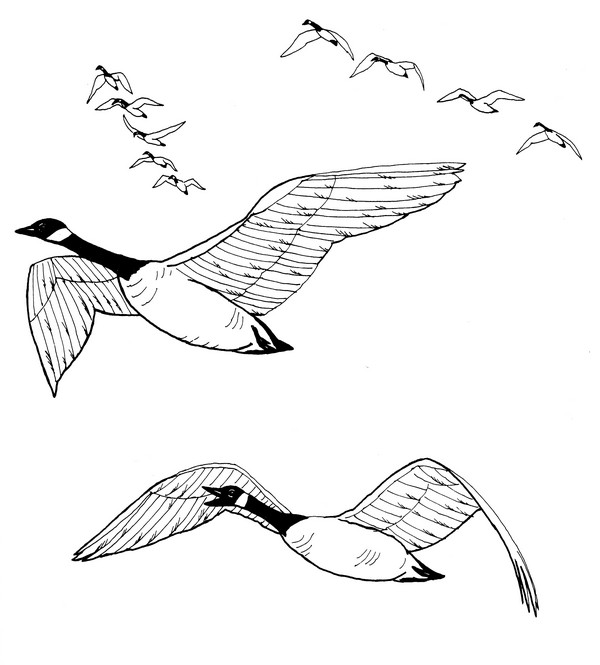
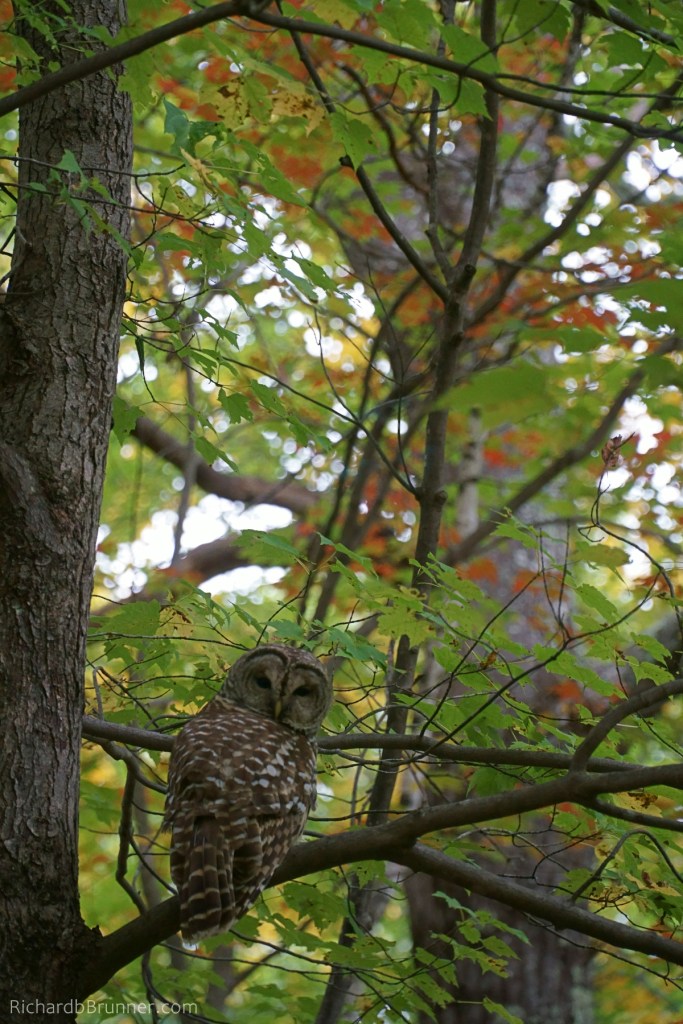
The most precious gift we can offer others is our presence. When mindfulness embraces those we love, they will bloom like flowers.Thich Nhat Hanh


15 Thursday Oct 2020
Posted in Flowers
≈ Comments Off on like flowers
The most precious gift we can offer others is our presence. When mindfulness embraces those we love, they will bloom like flowers.Thich Nhat Hanh
14 Wednesday Oct 2020
We’re told studies have proven that drugs like heroin and cocaine instantly hook a user. But it isn’t that simple – little-known experiments over 30 years ago tell a very different tale.
Drugs are scary. The words “heroin” and “cocaine” make people flinch. It’s not just the associations with crime and harmful health effects, but also the notion that these substances can undermine the identities of those who take them. One try, we’re told, is enough to get us hooked. This, it would seem, is confirmed by animal experiments. 
Many studies have shown rats and monkeys will neglect food and drink in favour of pressing levers to obtain morphine (the lab form of heroin). With the right experimental set up, some rats will self-administer drugs until they die. At first glance it looks like a simple case of the laboratory animals losing control of their actions to the drugs they need. It’s easy to see in this a frightening scientific fable about the power of these drugs to rob us of our free will.
But there is more to the real scientific story, even if it isn’t widely talked about. The results of a set of little-known experiments carried out more than 30 years ago paint a very different picture, and illustrate how easy it is for neuroscience to be twisted to pander to popular anxieties. The vital missing evidence is a series of studies carried out in the late 1970s in what has become known as “Rat Park”. Canadian psychologist Bruce Alexander, at the Simon Fraser University in British Columbia, Canada, suspected that the preference of rats to morphine over water in previous experiments might be affected by their housing conditions.
To test his hypothesis he built an enclosure measuring 95 square feet (8.8 square metres) for a colony of rats of both sexes. Not only was this around 200 times the area of standard rodent cages, but Rat Park had decorated walls, running wheels and nesting areas. Inhabitants had access to a plentiful supply of food, perhaps most importantly the rats lived in it together.
Rats are smart, social creatures. Living in a small cage on their own is a form of sensory deprivation. Rat Park was what neuroscientists would call an enriched environment, or – if you prefer to look at it this way – a non-deprived one. In Alexander’s tests, rats reared in cages drank as much as 20 times more morphine than those brought up in Rat Park.
Inhabitants of Rat Park could be induced to drink more of the morphine if it was mixed with sugar, but a control experiment suggested that this was because they liked the sugar, rather than because the sugar allowed them to ignore the bitter taste of the morphine long enough to get addicted. When naloxone, which blocks the effects of morphine, was added to the morphine-sugar mix, the rats’ consumption didn’t drop. In fact, their consumption increased, suggesting they were actively trying to avoid the effects of morphine, but would put up with it in order to get sugar.
‘Woefully incomplete’
The results are catastrophic for the simplistic idea that one use of a drug inevitably hooks the user by rewiring their brain. When Alexander’s rats were given something better to do than sit in a bare cage they turned their noses up at morphine because they preferred playing with their friends and exploring their surroundings to getting high.
Further support for his emphasis on living conditions came from another set of tests his team carried out in which rats brought up in ordinary cages were forced to consume morphine for 57 days in a row. If anything should create the conditions for chemical rewiring of their brains, this should be it. But once these rats were moved to Rat Park they chose water over morphine when given the choice, although they did exhibit some minor withdrawal symptoms.
You can read more about Rat Park in the original scientific report. A good summary is in this comic by Stuart McMillen. The results aren’t widely cited in the scientific literature, and the studies were discontinued after a few years because they couldn’t attract funding. There have been criticisms of the study’s design and the few attempts that have been made to replicate the results have been mixed.
Nonetheless the research does demonstrate that the standard “exposure model” of addiction is woefully incomplete. It takes far more than the simple experience of a drug – even drugs as powerful as cocaine and heroin – to make you an addict. The alternatives you have to drug use, which will be influenced by your social and physical environment, play important roles as well as the brute pleasure delivered via the chemical assault on your reward circuits
It suggests that even addictions can be thought of using the same theories we use to think about other choices, there isn’t a special exception for drug-related choices. Rat Park also suggests that when stories about the effects of drugs on the brain are promoted to the neglect of the discussion of the personal and social contexts of addiction, science is servicing our collective anxieties rather than informing us
13 Tuesday Oct 2020
Tags
13 Tuesday Oct 2020
Posted in My Photos
≈ Comments Off on Fall Changes
Tags


12 Monday Oct 2020
I have a 16,000 plus digital audio collection and I use Media Monkey to manage my files. One feature of Media Monkey is you can sort your collection based on the number of times played. This playlist is based on the top music and/or music video files I played/listened/streamed from my server in 2014. Top songs I have listened to in 2014
11 Sunday Oct 2020
Posted in dogs
≈ Comments Off on Seeing-eye dogs help blind dog
Tags
On a rough day, Kiaya collapsed on the cold living room floor, unable to make it to her queen-sized dog bed.
Within minutes, her two “brothers” snuggled up on each side of her.
The sight brought tears to pet owner Jessica VanHusen’s eyes. That’s because life hasn’t been easy for the 10-year-old Akita, who lost both of her eyes to glaucoma over the course of 15 months.
Not only can the 100-pound dog not see, she also has a hard time walking — that is, without help from her “seeing eye dogs.”
The special needs dog didn’t have too much trouble adjusting to her new normal with 8-year-old Cass and 2-year-old Keller by her side. Without any commands, the dogs decided on their own to be her guides.
“The boys both respect her fully,” VanHusen told CBS News. “[They] allow her to eat first, they lean her up against the side of the car when we are traveling to stabilize her.”
Wherever Kiaya is, “middle-child” Cass is not far behind.
The dog has been by Kiaya’s side ever since her first eye was removed in July 2013. He would constantly follow her around in their backyard, standing next to her “blind side.”
“He became more attentive to her needs, leaning on her and cuddling,” VanHusen explained. “He even cleans her ears and face, where her eyes used to be.”
It took Keller a little longer. At less than 2 years old, the dog wasn’t fully attentive at first, VanHusen said, but he’s getting there.
“It’s amazing to watch,” Blue Pearl Veterinary Partners Ophthalmologist Dr. Gwen Sila, who performed Kiaya’s surgeries, said in a news release. “It’s clear the other dogs are trying to protect her. Their sense of loyalty is really remarkable.”
VanHusen said she has never considered training the pair to be service dogs. For now, they’ll just continue to take care of their sister, Kiaya, who turns 11 next month.
“She may be a special needs dog, but to us she’s just special,” VanHusen said. “When we ask her where her eyeballs went, she replies: ‘They’re in the garbage, I didn’t need them anymore.'”
With her brothers stepping in to assist her, that statement couldn’t be more true.
10 Saturday Oct 2020
10 Saturday Oct 2020

Posted by RichardB | Filed under Seguy Art Deco Designs
≈ Comments Off on Seguy Art Deco Designs 100
08 Thursday Oct 2020
Posted in Eleanor Roosevelt, Uncategorized
≈ Comments Off on The future
Tags

“The future belongs to those who believe in the beauty of their dreams.” Eleanor Roosevelt
08 Thursday Oct 2020
Study how water flows in a valley stream, smoothly and freely between the rocks. Also learn from holy books and wise people. Everything – even mountains, rivers, plants and trees – should be your teacher. Morihei Ueshiba

07 Wednesday Oct 2020
Posted in Health and wellness, Meditation, mindfulness
≈ Comments Off on What is Mindfulness ?
Mindfulness is a concentrated state of awareness that can help us see and respond to situations with clarity and without getting carried away by emotions or the constant chatter in our heads. Mindfulness enables us to:
· Better manage tension and stress
· Enhance objectivity, mental focus
· Communicate and make decisions more effectively
· Improve productivity
· Quiet’s noise in the mind

Meditation
Meditation is the tool we use to cultivate mindfulness. With meditation, you intentionally pay attention to a particular object as a way to strengthen concentration. There are thousands of meditative techniques: Tai Chi, yoga, focusing on the breath and using a mantra are all examples. People often think that meditating “correctly” means clearing all thought from the mind. This is a myth. The mind never stops thinking – it’s when we get caught up in our thoughts that we lose mindfulness. By witnessing thoughts, allowing them to pass, and returning to your chosen object of focus, you can actually build the muscle of concentration. Think of meditation as a fitness routine for the mind.
Are there other benefits to mindfulness?
In addition to boosting brain power, numerous research studies have shown significant physical benefits including:
· Reduced blood pressure
· Lowered cholesterol levels
· Enhanced immune function
· Reduced headache, migraine, back pain
· Improved respiratory function
Mindfulness does not require a particular set of beliefs in order to learn and practice – it is a quality of mind, accessible and available to all.
Mindfulness allows us to live every moment fully without the filters of bias, judgment or emotional reaction.
Mindfulness helps the body cope with physical challenges such as headaches, back pain and even heart disease.
Mindfulness keeps us from reacting too quickly – it helps increase the gap between impulse and action.
06 Tuesday Oct 2020
Posted in Art Therapy, emotions, mindfulness, Self expression, Therapy Cards, Wellness
≈ Comments Off on Water colors
One Creative Therapy Tool that I use is to paint. Some times pictures of actual ‘things’ like trees or boats; but I usually paint shapes.
Lately I have been using water colors to paint shades and gradients of color. Colors shifting from one type of purple(for instance) to a deeper purple. 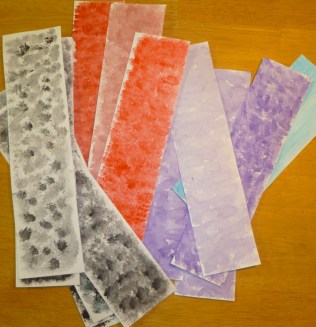
There is a lot going on in the simple act of painting color that involves
cognitive processes, emotional expression, mindfulness practice, amongst others. There is the hand eye coordination, and the movement of the body (hand,arm shoulder), to apply the paint to the brush, water and paper. There is the picking and choosing of colors that I want to use; sometimes I pick a color that has a pleasing effect on how I feel, and sometimes that choice changes how I feel. The act of painting requires focus and at least a little concentration being in the here and now.
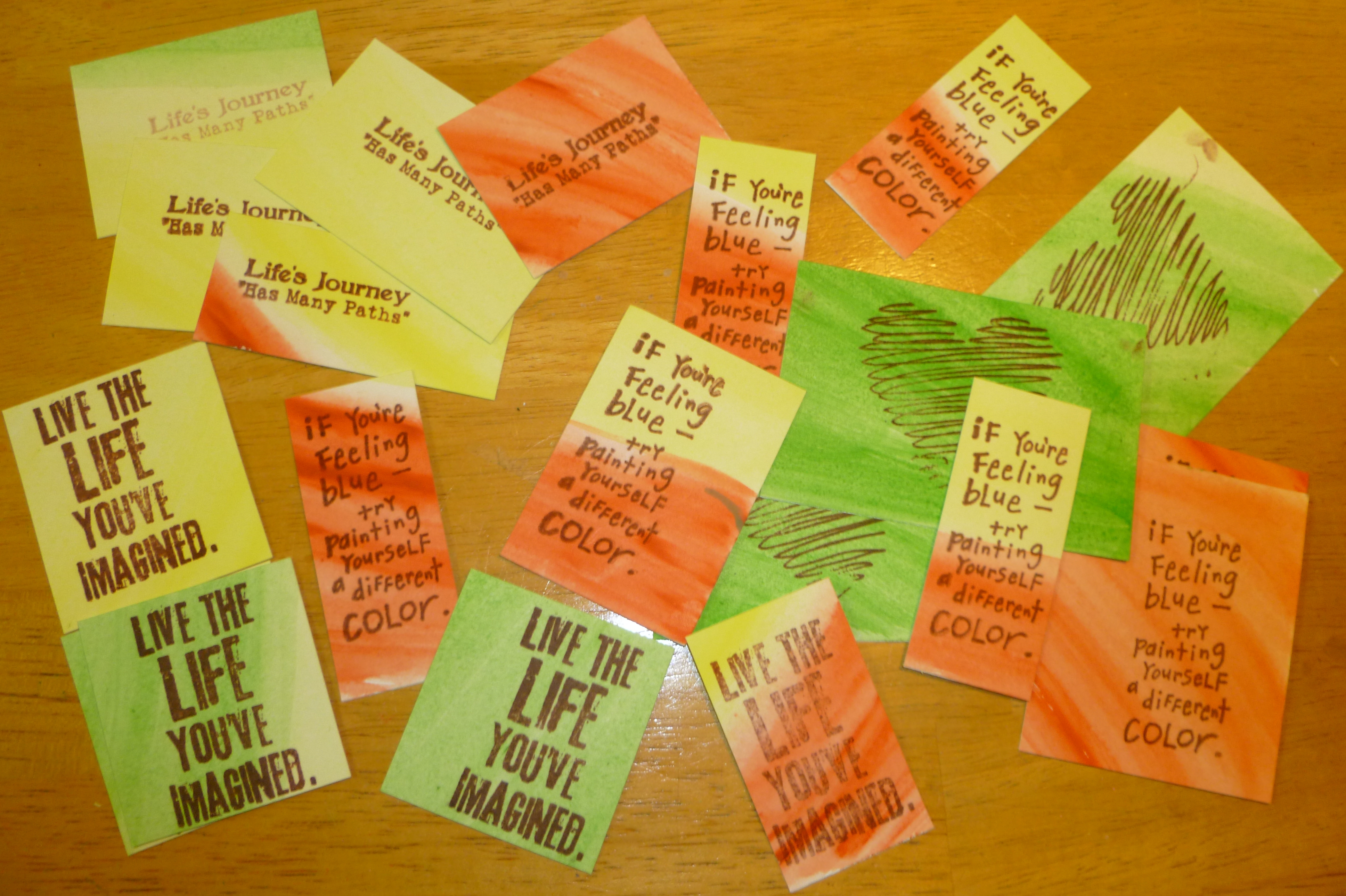
I have been turning my gradient paintings in to therapy cards. I work a lot with groups providing therapy and often participants have difficulty expressing their feelings and/or thoughts. The cards provide an avenue for people to share/start a conversation. I have created affirmation cards, feelings cards, drama therapy cards, movement cards, yoga asana cards, and many others.
06 Tuesday Oct 2020
05 Monday Oct 2020
04 Sunday Oct 2020
04 Sunday Oct 2020
Posted in dogs
≈ Comments Off on Finland’s coronavirus-sniffing dogs find Covid-19 carriers at airport with ‘nearly 100% accuracy’
03 Saturday Oct 2020
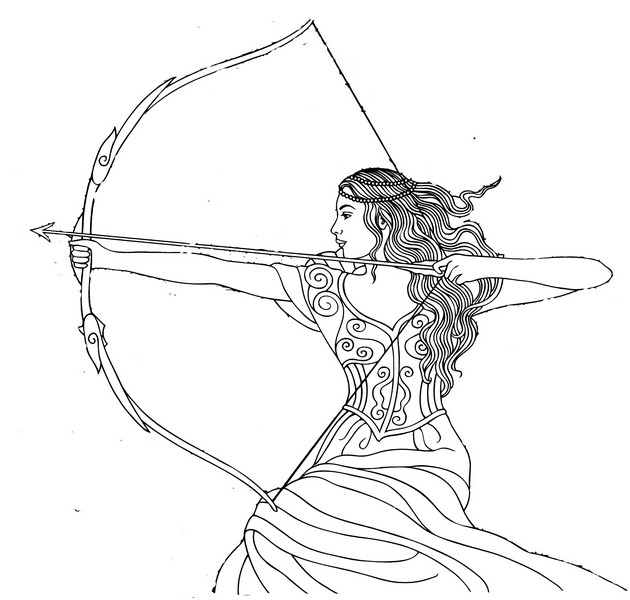
Posted by RichardB | Filed under Coloring Pages
≈ Comments Off on Goddess Diana Coloring Page
03 Saturday Oct 2020

Posted by RichardB | Filed under Japanese Textile Designs
≈ Comments Off on Japanese Textile Designs 96
02 Friday Oct 2020
Tags

I cannot say whether things will get better if we change; what I can say is that they must change if they are to get better. Georg Lichtenberg
01 Thursday Oct 2020
Tags
activities, ADHD, adherents, alignment, analysis, Another, asanas, assessments, asthma, attention, attitude, author, authors, Back, behavior, benefits, Both, bronchodilator, Cardiovascular, cases, Cochrane, composition, concentration, conclusions, consensus, deficit, difference, disease, disorder, disorders, efficacy, energy, Europe, Evidence, Except, factors, handouts, harmony, Hatha, health, improvement, inadequacies, India, Indian, indices, instructor, intervention, interventions, Iyengar, life, lifestyle, literature, measures, medication, medicine, meditation, metabolic, method, methodology, origins, outcome, output, Overall, pain, Patients, persons, philosophy, postures, pranayama, purposes, questionnaire, Raja, RCTs, relaxation, resistance, response, restriction, results, selection, self, sessions, Spirometry, status, stimulus, subjects, symptoms, syndrome, techniques, therapy, times, tolerance, tradition, treatment, trend, viniyoga, week, weeks
Yoga is a mind and body practice in complementary medicine with origins in ancient Indian philosophy. Part two of evidence based Yoga:
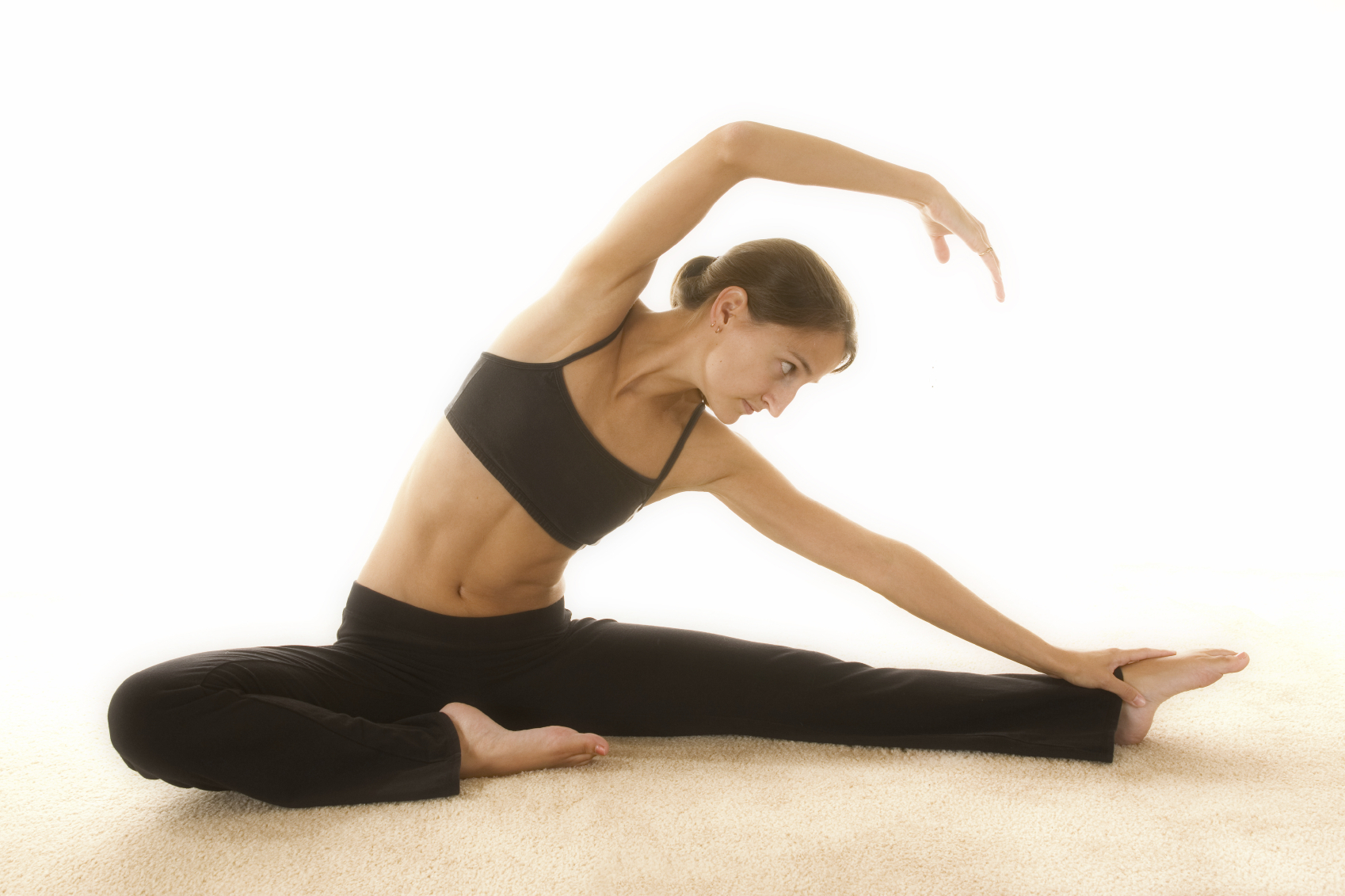
Carpal tunnel syndrome A randomized, single-blind controlled trial of 42 patients with carpal tunnel syndrome assigned subjects to either a yoga treatment group or a wrist splint group, each 8 weeks in duration. Twice a week, the yoga group practiced postures specifically designed to strengthen and stretch each joint in the upper body. Yoga participants showed improvement in grip strength, pain levels, and Phalen’s sign when compared to the wrist splint group. Nerve conduction studies were not performed.15 A Cochrane review of 21 trials that evaluated the clinical outcome of nonsurgical treatment of carpal tunnel syndrome reported that 8 weeks of yoga practice significantly reduced pain as compared to wrist splinting. The yoga was described as having a “significant short-term benefit,” though the duration of this benefit is unknown.16
Depression A 2004 review of five RCTs that evaluated yoga-based interventions for depression and depressive disorders showed some positive outcomes and no adverse effects on patients’ mild to severe depressive disorders. However, poor study design and incomplete methodologic reporting makes this interpretation preliminary.17 An RCT studying 7 weeks of yoga training in a group of breast cancer survivors showed positive changes in emotional function, depression, and mood disturbance.18 “Yoga and stress management” (in the online version of this article) provides more information on this study and others involving the effects of yoga on stress.
Irritable bowel syndrome In an RCT, treatment with loperamide (Imodium) was compared to treatment with a series of 12 yoga postures practiced twice a day for 2 months in a small sample of patients with clinically diagnosed irritable bowel syndrome. Patients underwent measurement of surface electrogastrography, and trait and state anxiety tests were administered before, during, and up to 2 months after treatment. Both intervention groups demonstrated a decrease in bowel symptoms and state anxiety.19
Menopausal symptoms In a recent pilot study, 14 postmenopausal women reported via interview and questionnaire a decrease in the severity and frequency of hot flushes after 8 weeks of 90-minute “restorative yoga” classes. Although this initial finding sounds encouraging, this trial had no control group or objective parameter measurements.20 An RCT studying postmenopausal sleep quality divided 164 women into groups who participated in either 4 months of low-intensity yoga, a moderate-intensity walking program, or a wait-list control group. This study reported no statistically significant interventional effects of any treatment on total sleep quality or on any individual sleep quality domain.21
Multiple sclerosis An RCT of 57 subjects with clinically defined multiple sclerosis were assigned to weekly Iyengar yoga class plus home practice, a cycling program, or a wait-list control group for 6 months. Results showed that both active interventions produced significant improvement in perceived levels of energy and reduced fatigue; however, the specific effects of the yoga practice were not isolated.22 Osteoarthritis In a pilot study, 11 deconditioned, yoga naive subjects with a clinical diagnosis of knee osteoarthritis showed improvements in pain and knee stiffness after 8 weeks of yoga training. The group performed modified Iyengar yoga sessions once a week.23
Seizure disorders In 2000, a systematic review of the published literature revealed that only one study was able to meet the selection criteria for reliable research design. The reviewers concluded that no available evidence pointed to yoga therapy as an efficacious treatment for epilepsy.24
Strength and flexibility In a recent study on the fitness related effects of hatha yoga, 10 yoga-naïve and previously untrained subjects aged 18 to 27 years participated in 85 minutes of pranayama and hatha yoga practice twice a week for 8 weeks. These subjects showed significant improvement in upper and lower body muscular strength, endurance, and flexibility. No statistically significant change in body composition or pulmonary function was observed.13
In a partial RCT with a longer time frame, 54 subjects aged 20 to 25 years participated in either 5 months of yoga instruction or no activity. After that time period, both groups practiced yoga for an additional 5 months. The group practicing 10 months of yoga showed significant improvements in shoulder, trunk, hip, and neck flexibility, as well as a reported improved performance during submaximal exercise testing.25
A well-executed study compared subjects who underwent 24 hours of hatha yoga classes over 8 weeks with a control group. The yoga training group showed a 13% to 35% improvement in flexibility, balance, and muscular endurance. The authors concluded that hatha yoga practice has significant effects on balance and flexibility.26
1. Tindle HA, Davis RB, Phillips RS, Eisenberg DM. Trends in use of complementary and alternative medicine by US adults: 1997-2002. Altern Ther Health Med. 2005;11(1):42-49.
2. Carrico M. Yoga Journal’s Yoga Basics: The Essential Beginner’s Guide to Yoga for a Lifetime of Health and Fitness. New York, NY: Henry Holt and Company; 1997.
3. Nayak NN, Shankar K. Yoga: a therapeutic approach. Phys Med Rehabil Clin N Am. 2004;15(4): 783-798, vi.
4. Innes KE, Bourguignon C, Taylor AG. Risk indices associated with the insulin resistance syndrome, cardiovascular disease, and possible protection with yoga: a systematic review. J Am Board Fam Pract. 2005;18(6):491-519.
5. Raub JA. Psychophysiologic effects of Hatha yoga on musculoskeletal and cardiopulmonary function: a literature review. J Altern Complement Med. 2002;8(6):797-812.
6. Luskin FM, Newell KA, Griffith M, et al. A review of mind-body therapies in the treatment of musculoskeletal disorders with implications for the elderly. Altern Ther Health Med. 2000;6(2): 46-56.
7. Jensen PS, Kenny DT. The effects of yoga on the attention and behavior of boys with attentiondeficit/ hyperactivity disorder (ADHD). J Atten Disord. 2004;7(4):205-216.
8. Kirkwood G, Rampes H, Tuffrey V, et al. Yoga for anxiety: a systematic review of the research evidence. Br J Sports Med. 2005;39(12):884-891.
9. Krisanaprakornkit T, Krisanaprakornkit W, Piyavhatkul N, Laopaiboon M. Meditation therapy for anxiety disorders. Cochrane Database Syst Rev. 2006;(1):CD004998.
10. Sabina AB, Williams AL, Wall HK, et al. Yoga intervention for adults with mild-to-moderate asthma: a pilot study. Ann Allergy Asthma Immunol. 2005;94(5):543-548.
11. Vendanthan PK, Kesavalu LN, Murthy KC, et al. Clinical study of yoga techniques in university students with asthma: a controlled study. Allergy Asthma Proc. 1998;19(1):3-9.
12. Sherman KJ, Cherkin DC, Erro J, et al. Comparing yoga, exercise, and a self-care book for chronic low back pain: a randomized, controlled trial. Ann Intern Med. 2005;143(12):849-856.
13. Tran MD, Holly RG, Lashbrook J, Amsterdam EA. Effects of Hatha yoga practice on the healthrelated aspects of physical fitness. Prev Cardiol. 2001;4(4):165-170.
14. Clay CC, Lloyd LK, Walker JL, et al. The metabolic cost of Hatha yoga. J Strength Cond Res. 2005;19(3):604-610.
15. Garfinkel MS, Singhal A, Katz WA, et al. Yoga-based intervention for carpal tunnel syndrome: a randomized trial. JAMA. 1998;280(18):1601-1603.
16. O’Connor D, Marshall S, Massy-Westropp N. Nonsurgical treatment (other than steroid injection) for carpal tunnel syndrome. Cochrane Database Syst Rev. 2003(1):CD003219.
17. Pilkington K, Kirkwood G, Rampes H, Richardson J. Yoga for depression: the research evidence. J Affect Disord. 2005;89(1-3):13-24.
18. Culos-Reed SN, Carlson LE, Daroux LM, Hately-Aldous S. A pilot study of yoga for breast cancer survivors: physical and psychological benefits. Psycho Oncol. 2006;15(10):891-897.
19. Taneja I, Deepak KK, Poojary G, et al. Yogic versus conventional treatment in diarrheapredominant irritable bowel syndrome: a randomized control study. Appl Psychophysiol Biofeedback. 2004;29(1):19-33.
20. Cohen BE, Kanaya AM, Macer JL, et al. Feasibility and acceptability of restorative yoga for treatment of hot flushes: a pilot trial. Maturitas. 2007;56(2):198-204.
21. Elavsky S, McAuley E. Lack of perceived sleep improvement after 4-month structured exercise programs. Menopause. 2007;14(3, pt 1):535-540.
22. Oken BS, Kishiyama S, Zajdel D, et al. Randomized controlled trial of yoga and exercise in multiple sclerosis. Neurology. 2004;62(11):2058-2064.
23. Kolasinski SL, Garfinkel M, Tsai AG, et al. Iyengar yoga for treating symptoms of osteoarthritis of the knees: a pilot study. J Altern Complement Med. 2005;11(4):689-693.
24. Ramaratnam S, Sridharan K. Yoga for epilepsy. Cochrane Database Syst Rev. 2000(3):CD001524.
25. Ray US, Mukhopadhyaya S, Purkayastha SS, et al. Effect of yogic exercises on physical and mental health of young fellowship course trainees. Indian J Physiol Pharmacol. 2001;45(1):37-53.
26. Boehde D, Porcari JP, Greany J, et al. The physiological effects of 8 weeks of yoga training. J Cardiopulm Rehabil. 2005;25(5):290.