
Another word for creativity is courage. George Prince

29 Tuesday Oct 2019
Another word for creativity is courage. George Prince
28 Monday Oct 2019
Posted in Depression, Handout, Mental Health, Psychoeducation, Therapy
≈ Comments Off on Men and Depression
Tags
depression, men, self, symtoms, wellness
In my years f doing groups I have on occasion facilitated men only groups. One issue that comes up is depression. We all have bouts of sadness now and than and when those bouts of sadness interfere with our daily lives than we need to take a step in the direction of change. Below is a handout I often use, particularly with dual diagnosed men. 
Symptoms of Depression
Not everyone who is depressed or manic experiences every symptom. Some people experience only a few; some people suffer many. The severity of symptoms varies among individuals and also over time.
· Persistent sad, anxious, or “empty” mood.
· Feelings of hopelessness or pessimism.
· Feelings of guilt, worthlessness, or helplessness.
· Loss of interest or pleasure in hobbies and activities that were once enjoyable
· Decreased energy, fatigue; feeling “slowed down.”
· Difficulty concentrating, remembering, or making decisions.
· Trouble sleeping, early-morning awakening, or oversleeping.
· Changes in appetite and/or weight.
· Thoughts of death or suicide, or suicide attempts.
· Restlessness or irritability.
· Persistent physical symptoms, such as headaches, digestive disorders, and chronic pain that do not respond to routine treatment.
Co-Occurrence of Depression with Other Illnesses
Depression can coexist with other illnesses. In such cases, it is important that the depression and each co-occurring illness be appropriately diagnosed and treated. Research has shown that anxiety disorders which include post-traumatic stress disorder (PTSD), obsessive-compulsive disorder, panic disorder, social phobia, and generalized anxiety disorder commonly accompany depression.
Substance use disorders (abuse or dependence) also frequently co-occur with depressive disorders. Research has revealed that people with drug and/or alcohol addiction are almost twice as likely to experience depression.
Depression has been found to occur at a higher rate among people who have other serious illnesses such as heart disease, stroke, cancer, HIV, diabetes, and Parkinson’s.
Causes of Depression
Very often, a combination of cognitive, genetic, and environmental factors is involved in the onset of depression. Modern brain-imaging technologies reveal that, in depression, neural circuits responsible for the regulation of moods, thinking, sleep, appetite, and behavior fail to function properly.
In some families, depressive disorders seem to occur generation after generation; however, they can also occur in people with no family history of these illnesses. Genetics research indicates that risk for depression results from the influence of specific multiple genes acting together with non-genetic factors.
Environmental factors such as trauma, loss of a loved one, a difficult relationship, financial problem, or any stressful change in life patterns, whether the change is unwelcome or desired, can trigger a depressive episode in vulnerable individuals. Once someone experiences a bout of depression later episodes of depression may occur without an obvious cause.
Men and Depression
Men are more likely than women to report alcohol and drug abuse or dependence in their lifetime; however, there is debate among researchers as to whether substance use is a “symptom” of underlying depression in men or a co-occurring condition that more commonly develops in men. Nevertheless, substance use can mask depression, making it harder to recognize depression as a separate illness that needs treatment.
Instead of acknowledging their feelings, asking for help, or seeking appropriate treatment, men may turn to alcohol or drugs when they are depressed, or become frustrated, discouraged, angry, irritable, and, sometimes, violently abusive. Some men deal with depression by throwing themselves compulsively into their work, attempting to hide their depression from themselves, family, and friends. Other men may respond to depression by engaging in reckless behavior, taking risks, and putting themselves in harm’s way.
How to Help Yourself if You Are Depressed
Depressive disorders can make one feel exhausted, worthless, helpless, and hopeless. It is important to realize that these negative views are part of the depression and do not accurately reflect the actual circumstances. Negative thinking fades as treatment begins to take effect. In the meantime:
28 Monday Oct 2019
26 Saturday Oct 2019

Posted by RichardB | Filed under Seguy Art Deco Designs
≈ Comments Off on Seguy Art Deco Designs 122
26 Saturday Oct 2019
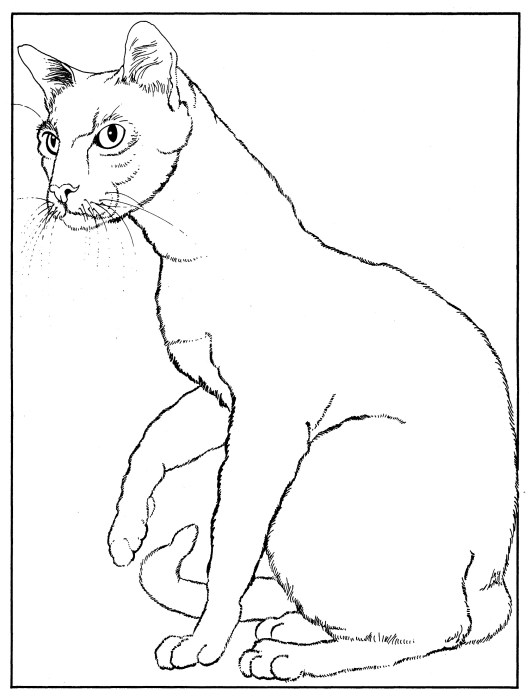
Posted by RichardB | Filed under Coloring Pages
≈ Comments Off on Siamese-Coloring Page
25 Friday Oct 2019
Tags
25 Friday Oct 2019
24 Thursday Oct 2019
23 Wednesday Oct 2019
23 Wednesday Oct 2019
Posted in food, Health, Uncategorized
≈ Comments Off on Providing Food as part of a weight loss program Has Little Benefit
Tags
Providing weekly food delivery as part of a weight loss program has little impact on outcomes, based on the results of a one-year study conducted in Toronto, Canada.
Published in the Journal of the American College of Cardiology, this study tested four weight loss interventions in 919 overweight Canadian adults. Roughly half of participants were assigned to one of three dietary interventions, which included dietary advice, weekly food delivery, or food delivery plus dietary advice. The other half were part of the control group and received only a dietary brochure at the start of the study.
All of the interventions promoted current dietary guidelines and the DASH diet, which limits salt intake and helps lower blood pressure. While weight loss interventions lasted six months, participants were followed for one year to track outcomes like weight, waist circumference and blood pressure.
The goal of the study was to see whether dietary advice and/or weekly food delivery helps boost weight loss and reduce cardiovascular risk in overweight adults.
The good news is that all participants saw small reductions in weight, waist circumference and blood pressure at six months. A year after the interventions, participants also had lower ten-year risk for developing heart disease, as measured by the Framingham risk score. However, there were no significant differences in outcomes between groups, which means monthly phone calls and weekly food delivery had no impact on weight loss or changes in cardiovascular risk.
Authors did note, however, a difference in drop-out rates between groups. Participants receiving food delivery were much more likely to stay in the study, with only 9% of participants dropping out of the study by six months, compared to 33% of participants with no food delivery. Participants receiving weekly food baskets plus advice also had consistent increases in consumption of recommended foods like fruits, vegetables and whole grains.
Based on findings, authors conclude that providing food as part of a dietary intervention has little added benefit on weight loss or cardiovascular risk reduction. However, findings also confirm the overall benefits of the DASH diet and general dietary guidelines. As other studies have shown, maintaining a healthy diet promotes a healthy weight, reduces risk for heart disease and improves overall health. Authors hope that with future research, we can improve available resources to help adults achieve both a healthy weight and diet.
22 Tuesday Oct 2019
Posted in photo, Uncategorized
≈ Comments Off on it’s the courage
Tags
Success is not final, failure is not fatal, it’s the courage to continue that counts. Winston Churchill

21 Monday Oct 2019
21 Monday Oct 2019
Creativity can be enhanced by experiencing cultures different from one’s own, according to a study in Personality and Social Psychology Bulletin (published by SAGE).
Three studies looked at students who had lived abroad and those who hadn’t, testing them on different aspects of creativity. Relative to a control group, which hadn’t experienced a different culture, participants in the different culture group provided more evidence of creativity in various standard tests of the trait. Those results suggest that multicultural learning is a critical component of the adaptation process, acting as a creativity catalyst.
The researchers believe that the key to the enhanced creativity was related to the students’ open-minded approach in adapting to the new culture. In a global world, where more people are able to acquire multicultural experiences than ever before, this research indicates that living abroad can be even more beneficial than previously thought.
“Given the literature on structural changes in the brain that occur during intensive learning experiences, it would be worthwhile to explore whether neurological changes occur within the creative process during intensive foreign culture experiences,” write the authors, William W. Maddux, Hajo Adam, and Adam D. Galinsky. “That can help paint a more nuanced picture of how foreign culture experiences may not only enhance creativity but also, perhaps literally, as well as figuratively, broaden the mind.
The article “When in Rome… Learn Why the Romans Do What They Do: How Multicultural Learning Experiences Facilitate Creativity” in the June 2010 issue of Personality and Social Psychology Bulletin is available free for a limited time here.
Source: SAGE Publications
19 Saturday Oct 2019

Posted by RichardB | Filed under Japanese Textile Designs
≈ Comments Off on Japanese Textile Designs 134
19 Saturday Oct 2019

Posted by RichardB | Filed under Coloring Pages
≈ Comments Off on Mandala-Coloring Page
18 Friday Oct 2019
18 Friday Oct 2019
Posted in Meditation, mindfulness, Self expression, Wellness
≈ Comments Off on Meditation can relieve pain
Meditation can relieve pain, and it does so by activating multiple brain areas, according to an April 2011 study in the Journal of Neuroscience. Fadel Zeidan of Wake Forest University and his colleagues scanned people’s brains as they received uncomfortably hot touches to the leg. When subjects practiced a mindful meditation technique that encourages detachment from experience while focusing on breathing, they reported less pain than when they simply paid attention to their breathing. Likewise, different patterns of brain activity emerged under the two conditions, with mindful meditating resulting in more activity not only in executive centers that evaluate experiences and regulate emotions but also in lower regions that control the signals coming from the body.
The volunteers learned the meditation technique in only four 20-minute sessions, which means this pill-free analgesia could be a feasible way to help real patients suffering from pain. “People can reap some of the benefits of meditation without extensive training,” Zeidan says.
When I work with patients using mindfulness I start by asking who has experience with any type of meditation, breathing techniques and/or relaxation exercises. We than have a brief explanation and question and answer period and I focus on removing any doubt, fear, or skepticism. I usually than do a 10 to 12 minute body scan moving right into a mindful meditation that focuses on the breath.
With the co-occurring patients I work with this process seems to work the best. The chat in the beginning warms people up, the body scan relaxes which helps the meditators enter into a more meditative state.
17 Thursday Oct 2019
Wherever we go, we take everything we’ve ever known with us whether we know it or not. Maya Angelou

16 Wednesday Oct 2019
Tags
16 Wednesday Oct 2019
Posted in Meditation, Research
≈ Comments Off on Meditation can change your brain in 8 weeks
Participants in the study spent close to a half-hour every day meditating or practicing some other mindfulness exercise (notable because most people associate meditation with sitting and thinking quietly, and that’s not the only type of exercise done in the study) for about eight weeks. They got MRIs of their brains before and after the eight week exercise, and when the study was over, many of the study’s 16 participants showed significant changes in the areas of the brain associated with behavior, memory, and stress. For more click the link below.
http://lifehacker.com/5989078/how-meditating-for-eight-weeks-can-boost-your-brain



 RichardbBrunner