• Home
  • Music
  • About
  • Contact
  • CreativeTherapyTools.com

RichardbBrunner

~ creative arts therapist

RichardbBrunner

Category Archives: Research

Moving together builds bonds from the time we learn to walk

09 Wednesday Apr 2025

Posted by RichardB in creative arts therapy, Dance Movement Therapy, Developmental, Movement, parenting, Research, unison

≈ Comments Off on Moving together builds bonds from the time we learn to walk

Tags

baby scientists, Developmental, Movement

Whether they march in unison, row in the same boat or dance to the same song, people who move in time with one another are more likely to bond and work together afterward.

It’s a principle established by previous studies, but now researchers at McMaster University have shown that moving in time with others even affects the social behavior of babies who have barely learned to walk.

“Moving in sync with others is an important part of musical activities,” says Laura Cirelli, lead author of a paper now posted online and scheduled to appear in an upcoming issue of the journal Developmental Science. “These effects show that movement is a fundamental part of music that affects social behavior from a very young age.”

Cirelli and her colleagues in the Department of Psychology, Neuroscience & Behavior showed that 14-month-old babies were much more likely to help another person after the experience of bouncing up and down in time to music with that person.

Cirelli and fellow doctoral student Kate Einarson worked under the supervision of Professor Laurel Trainor, a specialist in child development research.

They tested 68 babies in all, to see if bouncing to music with another person makes a baby more likely to assist that person by handing back “accidentally” dropped objects.

Working in pairs, one researcher held a baby in a forward-facing carrier and stood facing the second researcher. When the music started to play, both researchers would gently bounce up and down, one bouncing the baby with them. Some babies were bounced in sync with the researcher across from them, and others were bounced at a different tempo.

When the song was over, the researcher who had been facing the baby then performed several simple tasks, including drawing a picture with a marker. While drawing the picture, she would pretend to drop the marker to see whether the infant would pick it up and hand it back to her — a classic test of altruism in babies.

The babies who had been bounced in time with the researcher were much more likely to toddle over, pick up the object and pass it back to the researcher, compared to infants who had been bounced at a different tempo than the experimenter.

While babies who had been bounced out of sync with the researcher only picked up and handed back 30 per cent of the dropped objects, in-sync babies came to the researcher’s aid 50 per cent of the time. The in-sync babies also responded more quickly.

The findings suggest that when we sing, clap, bounce or dance in time to music with our babies, these shared experiences of synchronous movement help form social bonds between us and our babies.

It’s a significant finding, Cirelli believes, because it shows that moving together to music with others encourages the development of altruistic helping behavior among those in a social group. It suggests that music is an important part of day care and kindergarten curriculums because it helps to build a co-operative social climate.

Cirelli is now researching whether the experience of synchronous movement with one person leads babies to extend their increased helpfulness to other people or whether infants reserve their altruistic behavior for their dancing partners

McMaster University. Helpful bouncing babies show that moving together builds bonds from the time we learn to walk.

Is there a genius in all of us?

16 Wednesday Oct 2024

Posted by RichardB in culture, Developmental Psychology, Health and wellness, Psychology, Research, Science

≈ Comments Off on Is there a genius in all of us?

Tags

genius

Great article about research on where and how people become geniuses. It’s the nurturing that makes the nature of things.

From the BBC article: “Where do athletic and artistic abilities come from? With phrases like “gifted musician”, “natural athlete” and “innate intelligence”, we have long assumed that talent is a genetic thing some of us have and others don’t.”

Image of Milky way with hills in the foreground.

Taken with my phone looking south.

But new science suggests the source of abilities is much more interesting and improvisational. It turns out that everything we are is a developmental process and this includes what we get from our genes.

Evidence based Yoga

04 Wednesday Oct 2023

Posted by RichardB in Research, Yoga

≈ Comments Off on Evidence based Yoga

Tags

Resiliency, wellness, yoga

Yoga is a mind and body practice in complementary medicine with origins in ancient Indian philosophy. The various styles of yoga that people use for health purposes typically combine physical postures, breathing techniques, and meditation or relaxation. There are numerous schools of yoga. Hatha yoga, the most commonly practiced in the United States and Europe, emphasizes postures (asanas) and breathing exercises (pranayama).

Since the 1020’s researchers have been studying and publishing articles on the results of a Yoga practice. Listed below are some of the research results of Hatha Yoga and specific medical conditions. :

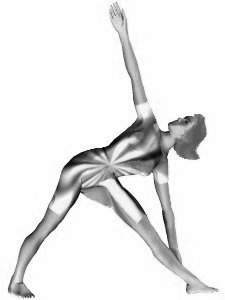
Utthita Trikonasana

ADHD Eighteen boys with diagnosed attention-deficit/hyperactivity disorder (ADHD) were randomly assigned to either a yoga treatment or a cooperative activities group. After 20 sessions of yoga, the boys showed improvement on a variety of indices, including oppositional behavior, emotional lability, and restlessness or impulsivity. The subjects exhibited a dose/ response curve, with those subjects who participated in additional home practice showing a greater response. The control group showed superior scores on measures of hyperactivity, anxiety, and shyness, as well as social function measures.7

Anxiety A meta-analysis of the research involving yoga interventions for anxiety and related disorders reviewed eight studies conducted during 2004. Overall, this research reported positive results, especially in cases of obsessive-compulsive disorder. However, the authors were quick to point out a generally poor quality of research techniques, inadequacies in methodology, and difficulty comparing studies.8 A Cochrane review of two RCTs that investigated the effectiveness of meditation and yoga on patients with diagnosed anxiety disorders stated that based on the available research, no distinct conclusions can be drawn on the ability of meditation and yoga to be effective for anxiety disorders.9

Asthma To determine the efficacy of Iyengar yoga practice on symptoms and perceived quality of life of people living with asthma, 62 patients with mild to moderate asthma were randomized and divided into two groups. The treatment group performed Iyengar yoga for 4 weeks, and the control group enrolled in a “stretching” program. Both groups underwent spirometry testing and recorded their bronchodilator use, symptoms, and quality of life assessments. At no point in the study did the yoga intervention group show a measured benefit in clinical indices.10

Another small RCT divided 17 subjects into a yoga treatment and a control group. The yoga group engaged in relaxation pranayama (mindful breathing) techniques, yoga postures, and meditation 3 times per week for 16 weeks. Spirometry testing showed little difference between the two groups; however, the yoga group showed improved exercise tolerance and reported relaxation as well as a more positive attitude as measured by questionnaire. This study also showed a trend toward less use of short-acting bronchodilator medication in the yoga group.11

Back pain A 12-week RCT compared viniyoga practice with conventional therapeutic back exercises or a self-help book for 101 patients with chronic low back pain. The yoga group met with one instructor for a weekly 75-minute viniyoga practice. Patients were also encouraged to practice at home daily and were given handouts and an audio CD guide. This group showed greater improvement in functional status, decreased activity restriction, and increased general health compared to the conventional exercise group or the self-help book group at 12 weeks. At 26 weeks post treatment, the conventional exercise and yoga therapy group did not show a significant difference in outcome, though at all points in time, viniyoga therapy appeared to be more effective than the self- care book. The viniyoga benefit also lasted for months after the intervention.12

Cardiovascular disease A systematic literature review of 70 studies published over the past two decades showed a trend toward beneficial changes in metabolic syndrome risk factors such as insulin resistance, lipid profiles, BP, and anthropomorphic indices. The author noted that by controlling risk factors for metabolic syndrome, a regular yoga practice might possibly reduce the risk of cardiovascular disease (CVD). It is important to note that approximately one-third of the reviewed studies were RCTs and that the majority of the others were uncontrolled or nonrandomized controlled clinical trials.4 A 2002 comprehensive review of the literature on the psychophysiological effects of hatha yoga concluded that regular hatha yoga practice and a “yoga lifestyle” have the potential to benefit CVD risk indices.5

Cardiovascular fitness A 50-minute hatha yoga routine burns 2.2 to 3.6 kcal/min, the equivalent a very slow walk. Except in persons who are very deconditioned, this type of yoga practice alone is unlikely to have a significant training effect on cardiovascular fitness, pulmonary function, body composition, or fat metabolism.13 More vigorous forms of power or vinyasa yoga require a higher energy output, depending on the method of teaching and selection of asanas (postures). One recent study demonstrated a 7% increase in VO2 max after previously sedentary subjects practiced 8 weeks of yoga training.13However, the general consensus is that yoga does not provide the significant cardiovascular stimulus necessary to enhance cardiovascular function.14

REFERENCES

1. Tindle HA, Davis RB, Phillips RS, Eisenberg DM. Trends in use of complementary and alternative medicine by US adults: 1997-2002. Altern Ther Health Med. 2005;11(1):42-49.

2. Carrico M. Yoga Journal’s Yoga Basics: The Essential Beginner’s Guide to Yoga for a Lifetime of Health and Fitness. New York, NY: Henry Holt and Company; 1997.

3. Nayak NN, Shankar K. Yoga: a therapeutic approach. Phys Med Rehabil Clin N Am. 2004;15(4): 783-798, vi.

4. Innes KE, Bourguignon C, Taylor AG. Risk indices associated with the insulin resistance syndrome, cardiovascular disease, and possible protection with yoga: a systematic review.J Am Board Fam Pract. 2005;18(6):491-519.

5. Raub JA. Psychophysiologic effects of Hatha yoga on musculoskeletal and cardiopulmonary function: a literature review. J Altern Complement Med. 2002;8(6):797-812.

6. Luskin FM, Newell KA, Griffith M, et al. A review of mind-body therapies in the treatment of musculoskeletal disorders with implications for the elderly. Altern Ther Health Med. 2000;6(2): 46-56.

7. Jensen PS, Kenny DT. The effects of yoga on the attention and behavior of boys with attentiondeficit/ hyperactivity disorder (ADHD). J Atten Disord. 2004;7(4):205-216.

8. Kirkwood G, Rampes H, Tuffrey V, et al. Yoga for anxiety: a systematic review of the research evidence. Br J Sports Med. 2005;39(12):884-891.

9. Krisanaprakornkit T, Krisanaprakornkit W, Piyavhatkul N, Laopaiboon M. Meditation therapy for anxiety disorders. Cochrane Database Syst Rev. 2006;(1):CD004998.

10. Sabina AB, Williams AL, Wall HK, et al. Yoga intervention for adults with mild-to-moderate asthma: a pilot study. Ann Allergy Asthma Immunol. 2005;94(5):543-548.

11. Vendanthan PK, Kesavalu LN, Murthy KC, et al. Clinical study of yoga techniques in university students with asthma: a controlled study. Allergy Asthma Proc. 1998;19(1):3-9.

12. Sherman KJ, Cherkin DC, Erro J, et al. Comparing yoga, exercise, and a self-care book for chronic low back pain: a randomized, controlled trial. Ann Intern Med. 2005;143(12):849-856.

13. Tran MD, Holly RG, Lashbrook J, Amsterdam EA. Effects of Hatha yoga practice on the healthrelated aspects of physical fitness. Prev Cardiol. 2001;4(4):165-170.

14. Clay CC, Lloyd LK, Walker JL, et al. The metabolic cost of Hatha yoga. J Strength Cond Res. 2005;19(3):604-610.

Intelligence, creativity and brain function

12 Wednesday Jul 2023

Posted by RichardB in brain, creative, Mental Health, Neuroscience, Research

≈ Comments Off on Intelligence, creativity and brain function

Tags

brain function, Creativity, Intelligence

Do you have to be intelligent to be creative? Can you learn to be more creative? In this episode, we speak with neuropsychologist Rex E. Jung, PhD, who studies intelligence, creativity and brain function. He discusses why – even if it sounds counterintuitive – intelligence and creativity may not have all that much in common.

Transcript of interview with Audrey and Rex Jung from the APA website.

Audrey Hamilton: Do you have to be intelligent to be creative? Can you really learn to be more creative? In this episode, we speak with one neuropsychologist who studies intelligence, creativity and brain function. He talks about why – even if it sounds counterintuitive – intelligence and creativity may not have all that much in common. I’m Audrey Hamilton and this is “Speaking of Psychology.”

Rex Jung is an assistant professor of neurosurgery at the University of New Mexico and a practicing clinical neuropsychologist in Albuquerque. He studies both brain disease and what the brain does well – a field of research known as positive neuroscience. His research is designed to relate behavioral measures, including intelligence, personality and creativity to brain function and structure. He has published research articles across a wide-range of topics including traumatic brain injury, lupus, schizophrenia, intelligence and creativity. Welcome, Dr. Jung.

Rex Jung: Thank you, Audrey.

Audrey Hamilton: Could you first of all explain neuroimaging and tell our listeners how it helps researchers understand how people think and act?

Rex Jung: Sure. So, neuroimaging is the tool that we use to measure the brain and there’s lots of different neuroimaging techniques. I use three main neuroimaging techniques – the first that I learned in graduate school was magnetic resonance microscopy, which sounds kind of complicated. But, it is a technique that basically looks at the chemicals in your brain. It’s in a standard MRI machine like you would go to get your knee scanned. But, using some sophisticated techniques you can look at certain chemicals in the brain. Some of those chemicals are very involved in important neuronal processes. And we’ve correlated those with behavior.

A different technique is called diffusion tensor imaging, which allows us to look at water movement in the brain. And this is important because there’s lots of tubes going through your brain like the wires that connect up your computer to the Internet. And these tubes, called axons, are connecting up different processing modules of your brain and those have to be healthy. So, we can look at the health of those axons, those myelinated axons, the fatty sheath like the insulation that surrounds those tubes.

The third technique that we use is just structural magnetic resonance imaging and that allows us to look at the processing modules of the brain – the cortical thickness – the computers that are on the surface of the brain and how much or little of that you have on the surface of the brain. Those are the three main techniques that I use. There’s functional imaging, fMRI, that most people have heard of where you’re looking a blood flow, as well. Those are ways that we measure brain structure and function and this gives us the ability to do scientific measures that then we can correlate to behavioral measures in psychology.

Audrey Hamilton: Does being highly creative mean you’re also more intelligent?

Rex Jung: Not necessarily. There’s a controversy about this in the psychological literature and some people have found correlations between creativity and intelligence. They’re usually pretty low, this association. And some people make a lot of that, this low association. But usually, because this association between creativity and intelligence is low, it means that you don’t necessarily have to be intelligent to be creative. So, I spent over a decade studying intelligence. It’s one of the reasons I started studying creativity because it seemed like something distinctly different and interesting than intelligence, which I have studied. I work with very highly intelligent people in academia and scientists and not all of them are creative. Why is that? If they do go together I would be working with all of the creative people in my city in Albuquerque, but that wasn’t the case so creativity seemed to be something different.

Audrey Hamilton: Can a person learn to become more creative or simply gain intelligence?

Rex Jung: There are some tools and techniques that can help people to be more creative. We’re starting to learn more about creativity and it’s one of the things that I’m excited about in terms of creativity is that there might be ways to increase your creative capacity.

Intelligence unfortunately seems to be much more under tight genetic control. The genetic correlates of intelligence are high, like .75. So, if you have twins – they’re going to be identical twins – their correlation of their intelligence with one another is going to be very, very high. So that implies that the genetic involvement of that capacity is under much more tight control than the environment would be.

With creativity, we don’t have that information and I’m hopeful that you can modulate or modify creative cognition much more than intelligence. There are studies out there that have shown increases in intelligence scores of two, maybe three points on a particular measure, which are not particularly high. But those are also controversial. Some have been replicated. Some haven’t been replicated. And we really don’t see that in terms of intelligence. With creativity, there’s a pitched effort to try to increase creativity scores on some of these measures and we’re seeing some good initial results and I’m very hopeful about that.

Audrey Hamilton: How does the way a person’s brain works and is structured influence how creative or intelligent he or she is?

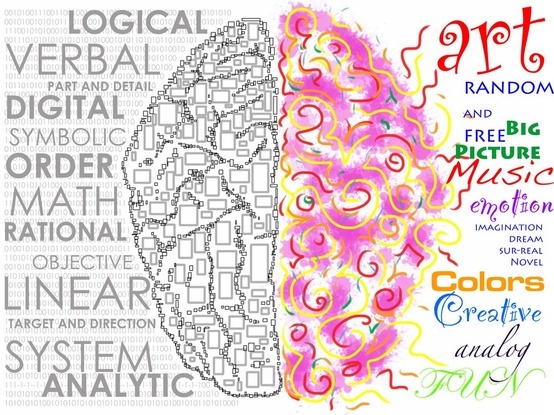
Rex Jung: The research that we’ve done shows that the brain organization of intelligence and creativity are quite different. So, when you think about those measures that I talked about, those neuroimaging measures, the brain of someone who is intelligent – think of bigger, better, stronger, faster – all the measures are pointing to higher integrity of the brain of someone who has high intelligence. So, the cortical mantle is thicker, the white matter, the wires are more myelinated, the water can travel faster and in a coherent direction, you have more of these certain chemicals that I was talking about.

cr

Audrey Hamilton: It’s beefed up.

Rex Jung: It’s beefed up, yes. So you can have a better organized brain.

With creativity, the story was different. In different regions of the brain, we were seeing weaker connections, thinner cortex and different levels of these same biochemicals. So, it was really clear from these studies that intelligence and creativity were different because we were seeing different pictures in the measures we were taking of the brain. But I tend to look at creativity and intelligence as two different kinds of reasoning. That creativity is kind of reasoning without all of the information present. So, call it abductive reasoning. But, you have hypothesis testing about how the world could work without all of the information present. So, you have to use abstraction and metaphor and stuff like that about this might look like this or this might be this way.

With intelligence, you’re using deductive reasoning, where it’s rule-based reasoning where a equals b and that’s the way it goes. You have a rule for how this relationship works. So, creativity and intelligence are probably different types of reasoning. Both are very adaptive, but they’re just different for different types of problems that you have to solve out in the world.

Audrey Hamilton: Is real creativity rare? How about genius?

Rex Jung: So, creativity is common and genius is a lot more rare than we would believe. The term genius gets thrown around a lot. But, I think genius is rare because that combination of brain organization where you have high fidelity, beefed up brain in certain regions and then kind of down regulated brain in other regions is really going to be kind of rare where that is present in the same brain. So, to have that back and forth between intelligence and creativity, the ability to do both of those reasoning processes well, where you can do first approximations, hypothesis testing, abstraction and then create a rule, a novel and useful rule out of nothing before is rare and that is true genius.

Audrey Hamilton: Well great. Thank you so much for joining us, Dr. Jung. It’s been very, very interesting.

Rex Jung: Great. Thank you, Audrey.

US-European Satellite Will Make World’s First Global Freshwater Survey

02 Friday Sep 2022

Posted by RichardB in Research

≈ Comments Off on US-European Satellite Will Make World’s First Global Freshwater Survey

Tags

research, water

https://nasa.gov/feature/jpl/us-european-satellite-will-make-world-s-first-global-freshwater-survey

“A collaboration between NASA and the French space agency Centre National d’Études Spatial (CNES), with contributions from the Canadian Space Agency and the United Kingdom Space Agency, SWOT is scheduled to launch in November from Vandenberg Space Force Base in California.“

“SWOT has several key tasks, including measuring the height of water bodies on Earth’s surface. Over the ocean, the satellite will be able to “see” features like eddies less than 60 miles (100 kilometers) across – smaller than those that previous sea level satellites could observe. SWOT will also measure more than 95% of Earth’s lakes larger than 15 acres (6 hectares) and rivers wider than 330 feet (100 meters) across.”

via #NASA_APP

Russia, China, and Money

29 Tuesday Mar 2022

Posted by RichardB in China, Economics, Economy, news, Politics, Research

≈ Comments Off on Russia, China, and Money

Tags

China, economics, reserve currency, Russia, world

The Russia-led Eurasia Economic Union and China just agreed to design the mechanism for an independent financial and monetary system that would bypass dollar transactions.

“The Eurasian Economic Union (EAEU) and China agreed to design the mechanism for an independent international monetary and financial system.”

Say hello to Russian gold and Chinese petroyuan. https://thecradle.co/Article/columns/7975

The Eurasian Economic Union: Deals, Rules and the Exercise of Power
Regardless of its multiple shortcomings, the Eurasian Economic Union (EAEU) should not be dismissed out of hand. For Russia, it is the primary vehicle for realizing a global geopolitical agenda.
Chatham House Research Paper. https://www.chathamhouse.org/2017/05/eurasian-economic-union

Russia and China, Together at Last: At the core of recent conflicts is an entente between China and Russia that the world hasn’t seen since the start of the Cold War.

“At their February 4 meeting, Putin and Xi drew on 37 prior encounters to proclaim nothing less than an ad-hoc alliance meant to shake the world. As the foundation for their new “global governance system,” they promised to “enhance transport infrastructure connectivity to keep logistics on the Eurasian continent smooth and…make steady progress on major oil and gas cooperation projects.” These words gained weight with the announcement that Russia would spend another $118 billion on new oil and gas pipelines to China. (Four-hundred billion dollars had already been invested in 2014 when Russia faced European sanctions over its seizure of Crimea from Ukraine.) The result: an integrated Sino-Russian oil-and-gas infrastructure is being built from the North Sea to the South China Sea.”

Russia and China Together at Last. https://www.thenation.com/article/world/russia-and-china-together-at-last/

Follow the Russia-Ukraine Monitor Map

18 Friday Mar 2022

Posted by RichardB in news, Research

≈ Comments Off on Follow the Russia-Ukraine Monitor Map

Tags

crowdsourced, information, War

From Bellingcat:

“The Russia-Ukraine Monitor Map is a crowdsourced effort by Centre for Information Resilience (CIR) and the wider open source community to map, document and verify significant incidents during the conflict in Ukraine. Its aim is to provide reliable information for policymakers, journalists as well as justice and accountability bodies about the evolving situations both on-the-ground and online. Bellingcat and the Conflict Intelligence Team have also begun to contribute to the map in recent days. All content reviewed for this project has been collected and submitted to Mnemonic for preservation.“


“At CIR we began mapping out verified incidents surrounding the build-up of Russian troops, and later the beginning of the conflict in Ukraine, so that as many people as possible could have access to reliable, accurate information about what is going on and to boost the integrity of the information environment.”

“The map is publicly viewable on both desktop and mobile and, as of 24 February, has had almost 500,000 views. It had also logged more than 570 items to give an up to date, detailed view of what is happening in Ukraine. Click the link below form more.”

https://www.bellingcat.com/news/2022/02/27/follow-the-russia-ukraine-monitor-map/

Bellingcat is an independent international collective of researchers, investigators and citizen journalists using open source and social media investigation to probe a variety of subjects – from Mexican drug lords and crimes against humanity, to tracking the use of chemical weapons and conflicts worldwide. With staff and contributors in more than 20 countries around the world, we operate in a unique field where advanced technology, forensic research, journalism, investigations, transparency and accountability come together.

https://maphub.net/Cen4infoRes/russian-ukraine-monitor

Depression and the inflammatory process

29 Wednesday Dec 2021

Posted by RichardB in Depression, Mental Health, Research, Uncategorized

≈ Comments Off on Depression and the inflammatory process

Tags

depression, inflammation, research

Most people feel down, tired and inactive when they’re injured or ill. This “sickness behavior” is caused by the activation of the body’s immune response. It’s the brain’s way of conserving energy so the body can heal.

This immune response can also occur in people with depression. This has prompted some researchers and clinicians to hypothesise that depression is actually a side effect of the inflammatory process.

But while there may be a connection between inflammation and depression, one doesn’t necessarily lead to the other. So it’s too simplistic to say depression is a physical, rather than a psychiatric, illness.

The inflammation hypothesis

University of California clinical psychologist and researcher George Slavich is one of the key recent proponents of depression as a physical illness. He hypothesises that social threats and adversity trigger the production of pro-inflammatory “cytokines”. These are messenger molecules of the immune system that play a critical role in orchestrating the host’s response to injury and infection.

This inflammatory process, Slavich argues, can initiate profound behavioral changes, including the induction of depression.

5241352878_f53a343088.jpg

The idea that the activation of the immune response may trigger depression in some people is by no means a new one. Early descriptions of post-influenza depression appeared in the 19th century in the writings of English physician Daniel Tuke.

But it was not until the 1988 seminal paper, published by veterinarian Benjamin Hart, that the phenomenon of acute “sickness behavior” caught the interest of the scientific community.

Hart described his detailed observations of the “behavior of sick animals”. During acute infection, and in response to fever, the animals sought sleep, lost their appetite, showed a reduction in activity, grooming and social interactions, as well as showing signs of “depression”.

Just like the immune response itself, these changes reflect an evolved survival strategy that shifts priorities toward energy conservation and recovery.

Putting the theory into practice

Cytokine-induced sickness behavior has subsequently been studied as an example of communication between the immune system and the brain.

The behavioral changes during sickness resemble those associated with depression, so it didn’t take long for researchers to make a connection between the phenomenon of sickness behavior and mental disorders.

Such speculation was strengthened by research showing that depressive states can be experimentally induced by administering cytokines and other immunogenic agents (such as vaccines) that cause an inflammatory response.

Depression is frequently associated with inflammatory illnesses such as heart disease and rheumatoid arthritis. It’s also a side effect of treatment with cytokines to enhance the immune system.

Over recent decades, researchers have made progress in understanding how inflammation may impact on the activity of signalling pathways to and from the brain, as well as on the functioning of key neural systems involved in mood regulation.

But there’s not always a link

From the available evidence it’s clear, however, that not everyone who suffers from depression has evidence of inflammation. And not all people with high levels of inflammation develop depression.

Trajectories of depression depend on a complex interplay of a spectrum of additional risk and resilience factors, which may be present to varying degrees and in a different combination in any individual at different times. These factors include the person’s:

  • genetic vulnerabilities affecting the intensity of our inflammatory response
  • other medical conditions
  • acquired hyper-vigilance in the stress response systems due to early life trauma, current adversities, or physical stressors
  • coping strategies, including social support
  • health behaviors, such as sleep, diet and exercise.

Implications for treatment

In line with the notion that inflammation drives depression, some researchers have already trialled the effectiveness of anti-inflammatory therapy as a treatment for depression.

While some recipients (such as those with high levels of inflammation) showed benefit from the treatment, others without increased inflammation did not. This supports the general hypothesis.

However, in our desire to find more effective treatments for depression, we should not forget that the immune response, including inflammation, has a specific purpose. It protects us from infection, disease and injury.

Cytokines act at many different levels, and often in subtle ways, to fulfill their numerous roles in the orchestration of the immune response. Undermining their vital role could have negative consequences.

Mind versus body

The recent enthusiasm to embrace inflammation as the major culprit in psychiatric conditions ignores the reality that “depression” is not a single condition. Some depressive states, such as melancholia, are diseases; some are reactions to the environment; some are existential; and some normal.

Such separate states have differing contributions of biological, social and psychological causes. So any attempt to invoke a single all-explanatory “cause” should be rejected. Where living organisms are concerned it is almost never that simple.

In the end, we cannot escape the reality that changes must occur at the level of the brain, in regions responsible for mood regulation, for “depression” to be experienced.

Narrative Medicine

15 Wednesday Dec 2021

Posted by RichardB in Health and wellness, Research

≈ Comments Off on Narrative Medicine

Tags

medicine, practice, research

From Wikipedia: Narrative medicine is a medical approach that utilizes people’s narratives in clinical practice, research, and education as a way to promote healing. It aims to address the relational and psychological dimensions that occur in tandem with physical illness, with an attempt to deal with the individual stories of patients. In doing this, narrative medicine aims not only to validate the experience of the patient, but also to encourage creativity and self-reflection in the physician.

Excerpt below from Philosophy, Ethics, and Humanities in Medicine: Exploring perception and usage of narrative medicine by physician specialty: a qualitative analysis.

Background

Narrative medicine is a well-recognized and respected approach to care. It is now found in medical school curricula and widely implemented in practice. However, there has been no analysis of the perception and usage of narrative medicine across different medical specialties and whether there may be unique recommendations for implementation based upon specialty. The aims of this study were to explore these gaps in research.

Methods

Fifteen senior physicians who specialize in internal medicine, pediatrics, or surgery (5 physicians from each specialty) were interviewed in a semi-structured format about the utilization, benefits, drawbacks (i.e., negative consequences), and roles pertaining to narrative medicine. Qualitative content analysis of each interview was then performed.

Excerpt from : Exploring perception and usage of narrative medicine by physician specialty: a qualitative analysis.

Human Skin Color

10 Friday Dec 2021

Posted by RichardB in Research, Uncategorized

≈ Comments Off on Human Skin Color

Tags

research

Preferences for group arts therapies

13 Wednesday Oct 2021

Posted by RichardB in creative arts therapy, Research, Therapy

≈ Comments Off on Preferences for group arts therapies

Tags

creative arts therapy, research, therapy

From BMJ Open:

Abstract

Objectives The arts therapies include music therapy, dance movement therapy, art therapy and dramatherapy. Preferences for art forms may play an important role in engagement with treatment. This survey was an initial exploration of who is interested in group arts therapies, what they would choose and why.
Conclusions Large proportions of the participants expressed an interest in group arts therapies. This may justify the wide provision of arts therapies and the offer of more than one modality to interested patients. It also highlights key considerations for assessment of preferences in the arts therapies as part of shared decision-making.

Read the entire article at BMJ Open.

Dance/Movement Therapy: Analyzing “Body Language”

06 Wednesday Oct 2021

Posted by RichardB in creative arts therapy, Dance Movement Therapy, Embodied, Evaluation, Movement, Research

≈ Comments Off on Dance/Movement Therapy: Analyzing “Body Language”

Tags

dance, Movement, therapy, youtube

Secret life of the cat: What do our feline companions get up to?

19 Thursday Aug 2021

Posted by RichardB in bbc, Maps, Research, UK

≈ Comments Off on Secret life of the cat: What do our feline companions get up to?

Tags

cat map, cats, pets, research

Ever wondered what your cat spends its time doing when you’re not around? Where do our purring pets go when they disappear through the cat flap? Armed with GPS tracking devices and micro-cameras, a team from BBC Two’s Horizon programme in collaboration with the Royal Veterinary Collegeset off to a Surrey village to find out. Discover more by clicking this link and selecting a cat. catt

World order in the 21st century:

30 Friday Jul 2021

Posted by RichardB in global, news, Research

≈ Comments Off on World order in the 21st century:

Tags

Chatham House, World Order

The authors of an important new essay collection discuss proposals for international order in the 21st century. This webinar launches Anchoring the World: International Order in the Twenty-First Century, published by Foreign Affairs. This anthology marks the Centennials of Georgetown University’s School of Foreign Service, the Council on Foreign Relations and Chatham House. The anthology is the culmination of the Lloyd George Study Group on World Order.

Art and brain science

30 Wednesday Jun 2021

Posted by RichardB in art, Research

≈ Comments Off on Art and brain science

Tags

modernist

Here is an interesting article from the NYT about the brain and art from a professor of brain science at Columbia University.:

…… The portraiture that flourished in Vienna at the turn of the 20th century is a good place to start. Not only does this modernist school hold a prominent place in the history of art, it consists of just three major artists —Gustav Klimt, Oskar Kokoschka and Egon Schiele — which makes it easier to study in depth.

As a group, these artists sought to depict the unconscious, instinctual strivings of the people in their portraits, but each painter developed a distinctive way of using facial expressions and hand and body gestures tolrcommunicate those mental processes.

Their efforts to get at the truth beneath the appearance of an individual both paralleled and were influenced by similar efforts at the time in the fields of biology and psychoanalysis. Thus the portraits of the modernists in the period known as “Vienna 1900” offer a great example of how artistic, psychological and scientific insights can enrich one another.

The idea that truth lies beneath the surface derives from Carl von Rokitansky, a gifted pathologist who was dean of the Vienna School of Medicine in the middle of the 19th century. Baron von Rokitansky compared what his clinician colleague Josef Skoda heard and saw at the bedsides of his patients with autopsy findings after their deaths. This systematic correlation of clinical and pathological findings taught them that only by going deep below the skin could they understand the nature of illness.

Gestures can help learning

29 Thursday Apr 2021

Posted by RichardB in learn, Research

≈ Comments Off on Gestures can help learning

Tags

Embody, Gestures, Learning

From Scientific American: When we talk, we naturally gesture—we open our palms, we point, we chop the air for emphasis. Such movement may be more than superfluous hand flapping. It helps communicate ideas to listeners and even appears to help speakers think and learn.

A growing field of psychological research is exploring the potential of having students or teachers gesture as pupils learn. Studies have shown that people remember material better when they make spontaneous gestures, watch a teacher’s movements or use their hands and arms to imitate the instructor. More recent work suggests that telling learners to move in specific ways can help them learn—even when they are unaware of why they are making the motions.

Read the entire article: Students Who Gesture during Learning ‘Grasp’ Concepts Better – Scientific American

Particle Accelerator used to Peek Inside Fossilized Poop

03 Wednesday Feb 2021

Posted by RichardB in Research

≈ Comments Off on Particle Accelerator used to Peek Inside Fossilized Poop

Tags

Particle Accelerator, Poop

Scientists study every inch of an animal—from the tip of their nose right down to their, well, poop. And the same goes for ancient creatures. But until now, only a limited amount could be learned from from studying fossilized feces, also known as coprolites. As Ryan F. Mandlebaum reports for Gizmodo, scientists recently turned to a synchrotron particle-accelerator for help discerning every morsel of data locked inside the prehistoric poop.

Their study, published this week in the journal Scientific Reports, documents a new method to examine the treasures hidden within the coprolite without destroying the samples. These ancient turds are actually troves of information. Due to their phosphate-rich chemistry, poop can actually preserve many delicate specimens, such as muscle, soft tissue, hair and parasites. READ MORE HERE

Fossil Poop

Marijuana Addiction in the Age of Legal Weed

31 Thursday Dec 2020

Posted by RichardB in Addiction, Research, youtube

≈ Comments Off on Marijuana Addiction in the Age of Legal Weed

Tags

Addiction, Marijuana, research

Generation X writer Neal Pollack thought he had it all: a good writing career, a strong marriage, even a lucrative 3-day run on “Jeopardy”! That brought him national attention. Like many in his generation, he also smoked a lot of marijuana. He had discovered that food, music and even his beloved yoga was much better when he smoked. In 2014, as several states in the country legalized pot, Pollack scored a writing gig for a marijuana site that provided free weed. He saw his drug use as harmless and joked about it often in his writing. But as more states, including California, began to legalize the drug, Pollack’s life began to fall apart, in part because of his drug use. Both of his parents died and he soon found himself spiraling out of control, sometimes in public. By 2018, Pollack admitted publicly he had a marijuana addiction and set about to conquer it, through honesty . . . and humor. Pollack’s new book, Pothead, is about coming to terms with his marijuana problems just as the country increased its recreational availability. The book is a cautionary and timely tale for those who think the drug isn’t dangerous and can’t cause serious addictive problems. Join us for a special evening program as Pollack discusses his story with Los Angeles novelist Bucky Sinister.

Doggie MRI

20 Sunday Dec 2020

Posted by RichardB in dogs, Pets, Research, Science

≈ Comments Off on Doggie MRI

Tags

dogs, pets, research

By placing dogs in an MRI scanner, researchers from Hungary found that the canine brain reacts to voices in the same way that the human brain does. Emotionally charged sounds, such as crying or laughter, also prompted similar responses, perhaps explaining why dogs are attuned to human emotions.

clip_image001

The work is published in the journal Current Biology. The full article is @ BBC.

Eleven pet dogs took part in the study; training them took some time. “We used positive reinforcement strategies – lots of praise,” said Dr Andics. “There were 12 sessions of preparatory training, then seven sessions in the scanner room, then these dogs were able to lie motionless for as long as eight minutes. Once they were trained, they were so happy, I wouldn’t have believed it if I didn’t see it.”

Sad Music

18 Wednesday Nov 2020

Posted by RichardB in Music, Research, Sadness

≈ Comments Off on Sad Music

Tags

research, sadness

A team of psychologists from the Free University of Berlin in Germany decided to investigate the science behind the lure of the melancholy tune by analyzing how they make us feel. They gathered data from 772 participants, including 408 from Europe and the rest from Asia, and North America. Each participant was asked to respond to a survey about how often they listen to sad music, what kinds of situations prompted them to do so, and how they feel when they’re listening to it.

Publishing in the journal PLOS One, the researchers found that “a wide range of complex and partially positive emotions, such as nostalgia, peacefulness, tenderness, transcendence, and wonder,” were brought out in the participants by sad music. The data revealed that nostalgia was the most prevalent emotion, brought out in over 76 percent of the participants, while peacefulness came in second place at 57.5 percent.

What do nostalgia, peacefulness, tenderness, transcendence, and wonder all have in common? They’re all healthy, feel-good emotions. “For many individuals, listening to sad music can actually lead to beneficial emotional effects,” the researchers, led by psychologist Liila Taruffi, report. “Music-evoked sadness can be appreciated not only as an aesthetic, abstract reward, but [it] also plays a role in well-being, by providing consolation as well as regulating negative moods and emotions.”

The study also revealed that a high number of participants reported listening to sad music in situations of emotional distress or when they’re feeling lonely, so it could be a form of self-medication. “For most of the people, the engagement with sad music in everyday life is correlated with its potential to regulate negative moods and emotions, as well as to provide consolation,” the researchers add.

These findings appear to have some connection to previous research into sad music that suggests listening to it changes the chemistry in our brains to help us get over our grief. According to David Huron, a professor of music at Ohio University in the US, listening to sad music likely causes a spike in the hormone prolactin in the brain.

“Prolactin is the chemical that is used to help curb grief because it’s also released during basic human activities – like when we eat, when women ovulate or breastfeed and (perhaps most importantly) when we have sex,” says David Taylor Sloan at Mic.com. “So sad music actually activates a chemical that tones down your grief – suggesting that being sad (and listening to sad music to get there) has deep evolutionary benefits.

A team of psychologists from the Free University of Berlin in Germany decided to investigate the science behind the lure of the melancholy tune by analyzinganalysing how they make us feel. They gathered data from 772 participants, including 408 from Europe and the rest from Asia, and North America. Each participant was asked to respond to a survey about how often they listen to sad music, what kinds of situations prompted them to do so, and how they feel when they’re listening to it. Dep1

← Older posts

instagram

Follow RichardbBrunner on WordPress.com
  • Tumblr
  • YouTube

Blog at WordPress.com.

Privacy & Cookies: This site uses cookies. By continuing to use this website, you agree to their use.
To find out more, including how to control cookies, see here: Cookie Policy
  • Subscribe Subscribed
    • RichardbBrunner
    • Join 491 other subscribers
    • Already have a WordPress.com account? Log in now.
    • RichardbBrunner
    • Subscribe Subscribed
    • Sign up
    • Log in
    • Report this content
    • View site in Reader
    • Manage subscriptions
    • Collapse this bar
 

Loading Comments...