Life shrinks or expands in proportion to one’s courage. Anaïs Nin


11 Saturday May 2019
Posted in quote
≈ Comments Off on courage
10 Friday May 2019
Wonderful article written by Joseph Burgo, Ph.D. who has practiced psychotherapy for more than 30 years, holding licenses as a marriage and family therapist and clinical psychologist.
“…Although Sigmund Freud’s psychoanalytic method encourages the analyst to present a blank screen, concealing all details of his personal life, thoughts and feelings, Freud himself practiced from his home and included Jo-Fi, his favorite chow chow, in many of his sessions. Freud supposedly relied on his pet’s reaction to a client for help in assessing the person’s character. He also felt that a dog’s presence helped to calm his clients.”
Read more here: The Pets in My Practice
10 Friday May 2019
09 Thursday May 2019
Tags
“How infinitesimal is the importance of anything I do, but how infinitely important it is that I should do it.” F. William Sunderman
08 Wednesday May 2019
Tags
activities, ADHD, adherents, alignment, analysis, Another, asanas, assessments, asthma, attention, attitude, author, authors, Back, behavior, benefits, Both, bronchodilator, Cardiovascular, cases, Cochrane, composition, concentration, conclusions, consensus, deficit, difference, disease, disorder, disorders, efficacy, energy, Europe, Evidence, Except, factors, handouts, harmony, Hatha, health, improvement, inadequacies, India, Indian, indices, instructor, intervention, interventions, Iyengar, life, lifestyle, literature, measures, medication, medicine, meditation, metabolic, method, methodology, origins, outcome, output, Overall, pain, Patients, persons, philosophy, postures, pranayama, purposes, questionnaire, Raja, RCTs, relaxation, resistance, response, restriction, results, selection, self, sessions, Spirometry, status, stimulus, subjects, symptoms, syndrome, techniques, therapy, times, tolerance, tradition, treatment, trend, viniyoga, week, weeks
Yoga is a mind and body practice in complementary medicine with origins in ancient Indian philosophy. Part two of evidence based Yoga:
Carpal tunnel syndrome A randomized, single-blind controlled trial of 42 patients with carpal tunnel syndrome assigned subjects to either a yoga treatment group or a wrist splint group, each 8 weeks in duration. Twice a week, the yoga group practiced postures specifically designed to strengthen and stretch each joint in the upper body. Yoga participants showed improvement in grip strength, pain levels, and Phalen’s sign when compared to the wrist splint group. Nerve conduction studies were not performed.15 A Cochrane review of 21 trials that evaluated the clinical outcome of nonsurgical treatment of carpal tunnel syndrome reported that 8 weeks of yoga practice significantly reduced pain as compared to wrist splinting. The yoga was described as having a “significant short-term benefit,” though the duration of this benefit is unknown.16
Depression A 2004 review of five RCTs that evaluated yoga-based interventions for depression and depressive disorders showed some positive outcomes and no adverse effects on patients’ mild to severe depressive disorders. However, poor study design and incomplete methodologic reporting makes this interpretation preliminary.17 An RCT studying 7 weeks of yoga training in a group of breast cancer survivors showed positive changes in emotional function, depression, and mood disturbance.18 “Yoga and stress management” (in the online version of this article) provides more information on this study and others involving the effects of yoga on stress.
Irritable bowel syndrome In an RCT, treatment with loperamide (Imodium) was compared to treatment with a series of 12 yoga postures practiced twice a day for 2 months in a small sample of patients with clinically diagnosed irritable bowel syndrome. Patients underwent measurement of surface electrogastrography, and trait and state anxiety tests were administered before, during, and up to 2 months after treatment. Both intervention groups demonstrated a decrease in bowel symptoms and state anxiety.19
Menopausal symptoms In a recent pilot study, 14 postmenopausal women reported via interview and questionnaire a decrease in the severity and frequency of hot flushes after 8 weeks of 90-minute “restorative yoga” classes. Although this initial finding sounds encouraging, this trial had no control group or objective parameter measurements.20 An RCT studying postmenopausal sleep quality divided 164 women into groups who participated in either 4 months of low-intensity yoga, a moderate-intensity walking program, or a wait-list control group. This study reported no statistically significant interventional effects of any treatment on total sleep quality or on any individual sleep quality domain.21
Multiple sclerosis An RCT of 57 subjects with clinically defined multiple sclerosis were assigned to weekly Iyengar yoga class plus home practice, a cycling program, or a wait-list control group for 6 months. Results showed that both active interventions produced significant improvement in perceived levels of energy and reduced fatigue; however, the specific effects of the yoga practice were not isolated.22 Osteoarthritis In a pilot study, 11 deconditioned, yoga naive subjects with a clinical diagnosis of knee osteoarthritis showed improvements in pain and knee stiffness after 8 weeks of yoga training. The group performed modified Iyengar yoga sessions once a week.23
Seizure disorders In 2000, a systematic review of the published literature revealed that only one study was able to meet the selection criteria for reliable research design. The reviewers concluded that no available evidence pointed to yoga therapy as an efficacious treatment for epilepsy.24
Strength and flexibility In a recent study on the fitness related effects of hatha yoga, 10 yoga-naïve and previously untrained subjects aged 18 to 27 years participated in 85 minutes of pranayama and hatha yoga practice twice a week for 8 weeks. These subjects showed significant improvement in upper and lower body muscular strength, endurance, and flexibility. No statistically significant change in body composition or pulmonary function was observed.13
In a partial RCT with a longer time frame, 54 subjects aged 20 to 25 years participated in either 5 months of yoga instruction or no activity. After that time period, both groups practiced yoga for an additional 5 months. The group practicing 10 months of yoga showed significant improvements in shoulder, trunk, hip, and neck flexibility, as well as a reported improved performance during submaximal exercise testing.25
A well-executed study compared subjects who underwent 24 hours of hatha yoga classes over 8 weeks with a control group. The yoga training group showed a 13% to 35% improvement in flexibility, balance, and muscular endurance. The authors concluded that hatha yoga practice has significant effects on balance and flexibility.26
1. Tindle HA, Davis RB, Phillips RS, Eisenberg DM. Trends in use of complementary and alternative medicine by US adults: 1997-2002. Altern Ther Health Med. 2005;11(1):42-49.
2. Carrico M. Yoga Journal’s Yoga Basics: The Essential Beginner’s Guide to Yoga for a Lifetime of Health and Fitness. New York, NY: Henry Holt and Company; 1997.
3. Nayak NN, Shankar K. Yoga: a therapeutic approach. Phys Med Rehabil Clin N Am. 2004;15(4): 783-798, vi.
4. Innes KE, Bourguignon C, Taylor AG. Risk indices associated with the insulin resistance syndrome, cardiovascular disease, and possible protection with yoga: a systematic review. J Am Board Fam Pract. 2005;18(6):491-519.
5. Raub JA. Psychophysiologic effects of Hatha yoga on musculoskeletal and cardiopulmonary function: a literature review. J Altern Complement Med. 2002;8(6):797-812.
6. Luskin FM, Newell KA, Griffith M, et al. A review of mind-body therapies in the treatment of musculoskeletal disorders with implications for the elderly. Altern Ther Health Med. 2000;6(2): 46-56.
7. Jensen PS, Kenny DT. The effects of yoga on the attention and behavior of boys with attentiondeficit/ hyperactivity disorder (ADHD). J Atten Disord. 2004;7(4):205-216.
8. Kirkwood G, Rampes H, Tuffrey V, et al. Yoga for anxiety: a systematic review of the research evidence. Br J Sports Med. 2005;39(12):884-891.
9. Krisanaprakornkit T, Krisanaprakornkit W, Piyavhatkul N, Laopaiboon M. Meditation therapy for anxiety disorders. Cochrane Database Syst Rev. 2006;(1):CD004998.
10. Sabina AB, Williams AL, Wall HK, et al. Yoga intervention for adults with mild-to-moderate asthma: a pilot study. Ann Allergy Asthma Immunol. 2005;94(5):543-548.
11. Vendanthan PK, Kesavalu LN, Murthy KC, et al. Clinical study of yoga techniques in university students with asthma: a controlled study. Allergy Asthma Proc. 1998;19(1):3-9.
12. Sherman KJ, Cherkin DC, Erro J, et al. Comparing yoga, exercise, and a self-care book for chronic low back pain: a randomized, controlled trial. Ann Intern Med. 2005;143(12):849-856.
13. Tran MD, Holly RG, Lashbrook J, Amsterdam EA. Effects of Hatha yoga practice on the healthrelated aspects of physical fitness. Prev Cardiol. 2001;4(4):165-170.
14. Clay CC, Lloyd LK, Walker JL, et al. The metabolic cost of Hatha yoga. J Strength Cond Res. 2005;19(3):604-610.
15. Garfinkel MS, Singhal A, Katz WA, et al. Yoga-based intervention for carpal tunnel syndrome: a randomized trial. JAMA. 1998;280(18):1601-1603.
16. O’Connor D, Marshall S, Massy-Westropp N. Nonsurgical treatment (other than steroid injection) for carpal tunnel syndrome. Cochrane Database Syst Rev. 2003(1):CD003219.
17. Pilkington K, Kirkwood G, Rampes H, Richardson J. Yoga for depression: the research evidence. J Affect Disord. 2005;89(1-3):13-24.
18. Culos-Reed SN, Carlson LE, Daroux LM, Hately-Aldous S. A pilot study of yoga for breast cancer survivors: physical and psychological benefits. Psycho Oncol. 2006;15(10):891-897.
19. Taneja I, Deepak KK, Poojary G, et al. Yogic versus conventional treatment in diarrheapredominant irritable bowel syndrome: a randomized control study. Appl Psychophysiol Biofeedback. 2004;29(1):19-33.
20. Cohen BE, Kanaya AM, Macer JL, et al. Feasibility and acceptability of restorative yoga for treatment of hot flushes: a pilot trial. Maturitas. 2007;56(2):198-204.
21. Elavsky S, McAuley E. Lack of perceived sleep improvement after 4-month structured exercise programs. Menopause. 2007;14(3, pt 1):535-540.
22. Oken BS, Kishiyama S, Zajdel D, et al. Randomized controlled trial of yoga and exercise in multiple sclerosis. Neurology. 2004;62(11):2058-2064.
23. Kolasinski SL, Garfinkel M, Tsai AG, et al. Iyengar yoga for treating symptoms of osteoarthritis of the knees: a pilot study. J Altern Complement Med. 2005;11(4):689-693.
24. Ramaratnam S, Sridharan K. Yoga for epilepsy. Cochrane Database Syst Rev. 2000(3):CD001524.
25. Ray US, Mukhopadhyaya S, Purkayastha SS, et al. Effect of yogic exercises on physical and mental health of young fellowship course trainees. Indian J Physiol Pharmacol. 2001;45(1):37-53.
26. Boehde D, Porcari JP, Greany J, et al. The physiological effects of 8 weeks of yoga training. J Cardiopulm Rehabil. 2005;25(5):290.
08 Wednesday May 2019
Posted in Creativity, emotions, grounding, Health, Meditation, mindfulness, Wellness, YouTube
≈ Comments Off on Meditation has Long-term Effects on the Brain
Tags
According to scientists from Harvard and Boston University, meditation produces enduring changes in emotional processing in the brain according to an article published in November of 2012 in the journal Frontiers in Human Neuroscience.
Researchers trained people with one of two different types of meditation, mindful meditation and compassionate meditation over an 8 week period. They measured activity in the brain using functional MRIs 3 weeks before the study and at 3 weeks after and noted what happened to areas of the brain related to compassion. They found the those people who learned compassionate meditation had a different and more loving response 3 weeks after the course even when not meditating.
07 Tuesday May 2019
Tags
06 Monday May 2019
Posted in art, Art Therapy, Wellness
≈ Comments Off on Art used to connect with dementia patients
Something happened when Brant Kingman handed his mother a colored pencil.
In the three years since Polly Penney, 87, was diagnosed with dementia, she had lost much of her short-term memory and some of her language. So she would ask Kingman the same question again, then again. Out of “absolute out-of-my-mind frustration,” Kingman, an artist, decided to try drawing together.
Almost unintentionally, he tapped into a national trend: using art as therapy for people with Alzheimer’s disease and other forms of dementia. There are now art workshops for Alzheimer’s patients. Painting, poetry and pottery classes are tailored to dementia’s tics. Giving Voice Chorus, a pair of Twin Cities choirs for people with dementia, has created a tool kit so other cities might start their own.
Neurological disorders that attack memory and verbal communication can spare creativity, some research shows. In special cases, Alzheimer’s and frontotemporal dementia can even kick artistic ability into overdrive, said Dr. Bruce Miller, a neurologist at the University of California, San Francisco. If the disease attacks circuits on one side of the brain, he said, it might spark an interest or ability in the other side.
“It’s all about the geography,” said Miller, director of the university’s Memory and Aging Center. “It’s where the disease hits that is a determinant of what is lost — but sometimes what is gained.”
Partly because it offers another way to communicate, art therapy is “going to become, more and more, a regular part of how we look after people,” he said. MORE HERE
06 Monday May 2019
Posted in Music
≈ Comments Off on Noemi – Idealista!
Tags
05 Sunday May 2019
04 Saturday May 2019
04 Saturday May 2019
They have been told as bedtime stories by generations of parents, but fairy tales such as Little Red Riding Hood may be even older than was previously thought.

Dr Jamie Tehrani, a cultural anthropologist at Durham University, studied 35 versions of Little Red Riding Hood from around the world
A study by anthropologists has explored the origins of folk tales and traced the relationship between varients of the stories recounted by cultures around the world.
The researchers adopted techniques used by biologists to create the taxonomic tree of life, which shows how every species comes from a common ancestor.
Dr Jamie Tehrani, a cultural anthropologist at Durham University, studied 35 versions of Little Red Riding Hood from around the world.
Whilst the European version tells the story of a little girl who is tricked by a wolf masquerading as her grandmother, in the Chinese version a tiger replaces the wolf.
In Iran, where it would be considered odd for a young girl to roam alone, the story features a little boy.
Contrary to the view that the tale originated in France shortly before Charles Perrault produced the first written version in the 17th century, Dr Tehrani found that the varients shared a common ancestor dating back more than 2,600 years.
He said: “Over time these folk tales have been subtly changed and have evolved just like an biological organism. Because many of them were not written down until much later, they have been misremembered or reinvented through hundreds of generations.
“By looking at how these folk tales have spread and changed it tells us something about human psychology and what sort of things we find memorable.
“The oldest tale we found was an Aesopic fable that dated from about the sixth century BC, so the last common ancestor of all these tales certainly predated this. We are looking at a very ancient tale that evolved over time.”
Dr Tehrani, who will present his work on Tuesday at the British Science Festival in Guildford, Surrey, identified 70 variables in plot and characters between different versions of Little Red Riding Hood.
He found that the stories could be grouped into distinct families according to how they evolved over time.

The original ancestor is thought to be similar to another tale, The Wolf and the Kids, in which a wolf pretends to be a nanny goat to gain entry to a house full of young goats.
Stories in Africa are closely related to this original tale, whilst stories from Japan, Korea, China and Burma form a sister group. Tales told in Iran and Nigeria were the closest relations of the modern European version.
Perrault’s French version was retold by the Brothers Grimm in the 19th century. Dr Tehrani said: “We don’t know very much about the processes of transmission of these stories from culture to culture, but it is possible that they may being passed along trade routes or with the movement of people.”
Professor Jack Zipes, a retired professor of German at the University of Minnesota who is an expert on fairy tales and their origins, described the work as “exciting”. He believes folk tales may have helped people to pass on tips for survival to new generations.
He said: “Little Red Riding Hood is about violation or rape, and I suspect that humans were just as violent in 600BC as they are today, so they will have exchanged tales about all types of violent acts.
“I have tried to show that tales relevant to our adaptation to the environment and survival are stored in our brains and we consistently use them for all kinds of reference points.”
03 Friday May 2019
Tags

“Artists provide the contemporary metaphors that allow us to realize the transcendent, infinite, and abundant nature of being as it is.” Joseph Campbell
03 Friday May 2019
Posted in My Poems
≈ Comments Off on Reading the World
Interesting post from the BBC.
Writer Ann Morgan set herself a challenge – to read a book from every country in the world in one year. She describes the experience and what she learned.
http://www.bbc.com/culture/story/20130715-reading-the-world-in-365-days
Ann Morgan’s reading list can be found here: http://ayearofreadingtheworld.com/thelist/

02 Thursday May 2019
Posted in art
≈ Comments Off on Anyone who says
01 Wednesday May 2019
Posted in mindfulness, YouTube
≈ Comments Off on Thich Nhat Hanh, Mindfulness as a Foundation for Health
Tags
01 Wednesday May 2019
Posted in Uncategorized
≈ Comments Off on Evidence based Yoga

Anxiety A meta-analysis of the research involving yoga interventions for anxiety and related disorders reviewed eight studies conducted during 2004. Overall, this research reported positive results, especially in cases of obsessive-compulsive disorder. However, the authors were quick to point out a generally poor quality of research techniques, inadequacies in methodology, and difficulty comparing studies.8 A Cochrane review of two RCTs that investigated the effectiveness of meditation and yoga on patients with diagnosed anxiety disorders stated that based on the available research, no distinct conclusions can be drawn on the ability of meditation and yoga to be effective for anxiety disorders.9
Asthma To determine the efficacy of Iyengar yoga practice on symptoms and perceived quality of life of people living with asthma, 62 patients with mild to moderate asthma were randomized and divided into two groups. The treatment group performed Iyengar yoga for 4 weeks, and the control group enrolled in a “stretching” program. Both groups underwent spirometry testing and recorded their bronchodilator use, symptoms, and quality of life assessments. At no point in the study did the yoga intervention group show a measured benefit in clinical indices.10 Another small RCT divided 17 subjects into a yoga treatment and a control group. The yoga group engaged in relaxation pranayama (mindful breathing) techniques, yoga postures, and meditation 3 times per week for 16 weeks. Spirometry testing showed little difference between the two groups; however, the yoga group showed improved exercise tolerance and reported relaxation as well as a more positive attitude as measured by questionnaire. This study also showed a trend toward less use of short-acting bronchodilator medication in the yoga group.11
Back pain A 12-week RCT compared viniyoga practice with conventional therapeutic back exercises or a self-help book for 101 patients with chronic low back pain. The yoga group met with one instructor for a weekly 75-minute viniyoga practice. Patients were also encouraged to practice at home daily and were given handouts and an audio CD guide. This group showed greater improvement in functional status, decreased activity restriction, and increased general health compared to the conventional exercise group or the self-help book group at 12 weeks. At 26 weeks post treatment, the conventional exercise and yoga therapy group did not show a significant difference in outcome, though at all points in time, viniyoga therapy appeared to be more effective than the self- care book. The viniyoga benefit also lasted for months after the intervention.12
Cardiovascular disease A systematic literature review of 70 studies published over the past two decades showed a trend toward beneficial changes in metabolic syndrome risk factors such as insulin resistance, lipid profiles, BP, and anthropomorphic indices. The author noted that by controlling risk factors for metabolic syndrome, a regular yoga practice might possibly reduce the risk of cardiovascular disease (CVD). It is important to note that approximately one-third of the reviewed studies were RCTs and that the majority of the others were uncontrolled or nonrandomized controlled clinical trials.4 A 2002 comprehensive review of the literature on the psychophysiological effects of hatha yoga concluded that regular hatha yoga practice and a “yoga lifestyle” have the potential to benefit CVD risk indices.5
Cardiovascular fitness A 50-minute hatha yoga routine burns 2.2 to 3.6 kcal/min, the equivalent a very slow walk. Except in persons who are very deconditioned, this type of yoga practice alone is unlikely to have a significant training effect on cardiovascular fitness, pulmonary function, body composition, or fat metabolism.13 More vigorous forms of power or vinyasa yoga require a higher energy output, depending on the method of teaching and selection of asanas (postures). One recent study demonstrated a 7% increase in VO2 max after previously sedentary subjects practiced 8 weeks of yoga training.13 However, the general consensus is that yoga does not provide the significant cardiovascular stimulus necessary to enhance cardiovascular function.14
1. Tindle HA, Davis RB, Phillips RS, Eisenberg DM. Trends in use of complementary and alternative medicine by US adults: 1997-2002. Altern Ther Health Med. 2005;11(1):42-49.
2. Carrico M. Yoga Journal’s Yoga Basics: The Essential Beginner’s Guide to Yoga for a Lifetime of Health and Fitness. New York, NY: Henry Holt and Company; 1997.
3. Nayak NN, Shankar K. Yoga: a therapeutic approach. Phys Med Rehabil Clin N Am. 2004;15(4): 783-798, vi.
4. Innes KE, Bourguignon C, Taylor AG. Risk indices associated with the insulin resistance syndrome, cardiovascular disease, and possible protection with yoga: a systematic review. J Am Board Fam Pract. 2005;18(6):491-519.
5. Raub JA. Psychophysiologic effects of Hatha yoga on musculoskeletal and cardiopulmonary function: a literature review. J Altern Complement Med. 2002;8(6):797-812.
6. Luskin FM, Newell KA, Griffith M, et al. A review of mind-body therapies in the treatment of musculoskeletal disorders with implications for the elderly. Altern Ther Health Med. 2000;6(2): 46-56.
7. Jensen PS, Kenny DT. The effects of yoga on the attention and behavior of boys with attentiondeficit/ hyperactivity disorder (ADHD). J Atten Disord. 2004;7(4):205-216.
8. Kirkwood G, Rampes H, Tuffrey V, et al. Yoga for anxiety: a systematic review of the research evidence. Br J Sports Med. 2005;39(12):884-891.
9. Krisanaprakornkit T, Krisanaprakornkit W, Piyavhatkul N, Laopaiboon M. Meditation therapy for anxiety disorders. Cochrane Database Syst Rev. 2006;(1):CD004998.
10. Sabina AB, Williams AL, Wall HK, et al. Yoga intervention for adults with mild-to-moderate asthma: a pilot study. Ann Allergy Asthma Immunol. 2005;94(5):543-548.
11. Vendanthan PK, Kesavalu LN, Murthy KC, et al. Clinical study of yoga techniques in university students with asthma: a controlled study. Allergy Asthma Proc. 1998;19(1):3-9.
12. Sherman KJ, Cherkin DC, Erro J, et al. Comparing yoga, exercise, and a self-care book for chronic low back pain: a randomized, controlled trial. Ann Intern Med. 2005;143(12):849-856.
13. Tran MD, Holly RG, Lashbrook J, Amsterdam EA. Effects of Hatha yoga practice on the healthrelated aspects of physical fitness. Prev Cardiol. 2001;4(4):165-170.
14. Clay CC, Lloyd LK, Walker JL, et al. The metabolic cost of Hatha yoga. J Strength Cond Res. 2005;19(3):604-610.
30 Tuesday Apr 2019
Posted in creative arts therapy, Dance, Dance Movement Therapy, YouTube
≈ Comments Off on Kinesthetic Empathy: The Keystone of Dance/Movement Therapy
29 Monday Apr 2019
Posted in Depression, Uncategorized
Tags
Whether you’re a college student in the middle of a major slump, a new mom who can’t pinpoint why she’s feeling so glum, or a retiree grieving over the loss of a loved one, that question isn’t an easy one to answer.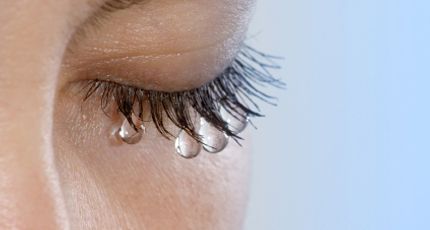
But there’s one thing for sure: “It is much more than just a sad mood,” said Angelos Halaris, MD, a professor of psychiatry and medical director of adult psychiatry at the Loyola University Medical Center in Chicago. Symptoms may include everything from hopelessness and fatigue to physical pain. And just as symptoms vary from person to person, so do the actual diagnoses. The word depression is actually just an umbrella term for a number of different forms, from major depression to atypical depression to dysthymia.
The most common form of depression? Major depression. In fact, about 7 percent of the adult U.S. population has this debilitating mental health condition at any given time, according to the National Institute of Mental Health (NIMH).
If you’re experiencing major depression, you may feel and see symptoms of extreme sadness, hopelessness, lack of energy, irritability, trouble concentrating, changes in sleep or eating habits, feelings of guilt, physical pain, and thoughts of death or suicide — and for an official diagnosis, your symptoms must last for more than two weeks. In some instances, a person might only experience one episode of major depression, but the condition tends to recur throughout a person’s life.
The best treatment is usually with antidepressant medications, explained Dr. Halaris, but talk therapy may also be used to treat depression. And there’s good news: An estimated 80 to 90 percent of people with major depression respond well to treatment.
About 2 percent of the American population has a form of depression that’s less severe than major depression, but is still very real — dysthymia.
Dysthymia is a type of depression that causes a low mood over a long period of time — perhaps for a year or more, explained Halaris. “People can function adequately, but not optimally.” Symptoms include sadness, trouble concentrating, fatigue, and changes in sleep habits and appetite.
This depression usually responds better to talk therapy than to medications, though some studies suggest that combining medication with talk therapy may lead to the greatest improvement. People with dysthymia may also be at risk for episodes of major depression.
A whopping 85 percent of new moms feel some sadness after their baby is born — but for up to 16 percent of women, that sadness is serious enough to be diagnosable.
Postpartum depression is characterized by feelings of extreme sadness, fatigue, loneliness, hopelessness, suicidal thoughts, fears about hurting the baby, and feelings of disconnect from the child. It can occur anywhere from weeks to months after childbirth, and Halaris explained it most always develops within a year after a woman has given birth.
“It needs prompt and experienced medical care,” he said — and that may include a combination of talk and drug therapy.
Would you prefer to hibernate during the winter than face those cold, dreary days? Do you tend to gain weight, feel blue, and withdraw socially during the season?
You could be one of 4 to 6 percent of people in the United States estimated to have seasonal affective disorder, or SAD. Though many people find themselves in winter funks, SAD is characterized by symptoms of anxiety, increased irritability, daytime fatigue, and weight gain. This form of depression typically occurs in winter climates, likely due to the lessening of natural sunlight. “We don’t really know why some people are more sensitive to this reduction in light,” said Halaris. “But symptoms are usually mild, though they can be severe.”
This depression usually starts in early winter and lifts in the spring, and it can be treated with light therapy or artificial light treatment.
Despite its name, atypical depression is not unusual. In fact, it may be one of the most common types of depression — and some doctors even believe it is underdiagnosed.
“This type of depression is less well understood than major depression,” explained Halaris. Unlike major depression, a common sign of atypical depression is a sense of heaviness in the arms and legs — like a form of paralysis. However, a study published in the Archives of General Psychiatry (now known as JAMA Psychiatry) found that oversleeping and overeating are the two most important symptoms for diagnosing atypical depression. People with the condition may also gain weight, be irritable, and have relationship problems.
Some studies show that talk therapy works well to treat this kind of depression.
Psychosis — a mental state characterized by false beliefs, known as delusions, or false sights or sounds, known as hallucinations — doesn’t typically get associated with depression. But according to the National Alliance on Mental Illness, about 20 percent of people with depression have episodes so severe that they see or hear things that are not really there.
“People with this psychotic depression may become catatonic, not speak, or not leave their bed,” explained Halaris. Treatment may require a combination of antidepressant and antipsychotic medications. A review of 10 studies concluded that it may be best to start with an antidepressant drug alone and then add an antipsychotic drug if needed. Another review, however, found the combination of medications was more effective than either drug alone in treating psychotic depression.
If your periods of extreme lows are followed by periods of extreme highs, you could have bipolar disorder (sometimes called manic depressive disorder because symptoms can alternate between mania and depression).
Symptoms of mania include high energy, excitement, racing thoughts, and poor judgment. “Symptoms may cycle between depression and mania a few times per year or much more rapidly,” Halaris said. “This disorder affects about 2 to 3 percent of the population and has one of the highest risks for suicide.” Bipolar disorder has four basic subtypes: bipolar I (characterized by at least one manic episode); bipolar II (characterized by hypomanic episodes — which are milder — along with depression); cyclothymic disorder; and other specified bipolar and related disorder.
People with bipolar disorder are typically treated with drugs called mood stabilizers.
Premenstrual dysphoric disorder, or PMDD, is a type of depression that affects women during the second half of their menstrual cycles. Symptoms include depression, anxiety, and mood swings. Unlike premenstrual syndrome (PMS), which affects up to 85 percent of women and has milder symptoms, PMDD affects about 5 percent of women and is much more severe.
“PMDD can be severe enough to affect a woman’s relationships and her ability to function normally when symptoms are active,” said Halaris. Treatment may include a combination of depression drugs as well as talk and nutrition therapies.
Also called adjustment disorder, situational depression is triggered by a stressful or life-changing event, such as job loss, the death of a loved one, trauma — even a bad breakup.
Situational depression is about three times more common than major depression, and medications are rarely needed — that’s because it tends to clear up over time once the event has ended. However, that doesn’t mean it should be ignored: Symptoms of situational depression may include excessive sadness, worry, or nervousness, and if they don’t go away, they may become warning signs of major depression.
29 Monday Apr 2019
Posted in Music
≈ Comments Off on Jarabe De Palo – Dejame Vivir



 RichardbBrunner