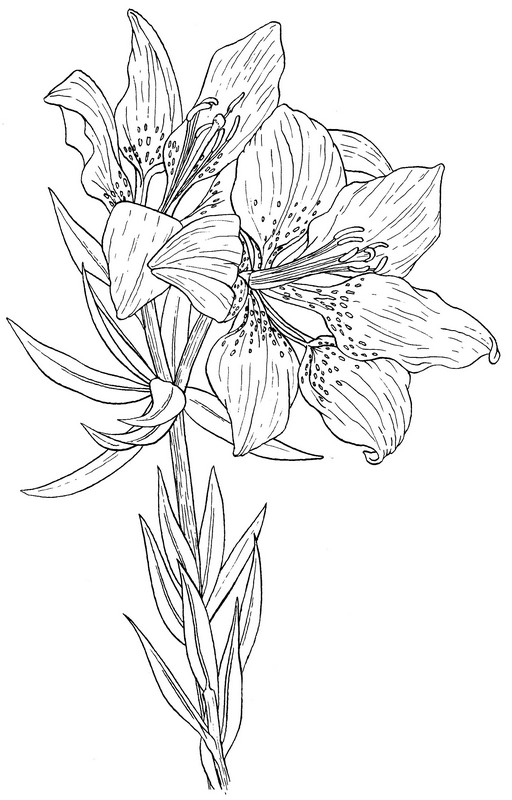
Posted by RichardB | Filed under Coloring Pages
≈ Comments Off on Western Red Lily Coloring Page

11 Saturday Jul 2020
Posted by RichardB | Filed under Coloring Pages
≈ Comments Off on Western Red Lily Coloring Page
10 Friday Jul 2020
Posted in autism, creative arts therapy, Dance Movement Therapy, youtube
≈ Comments Off on Dance/Movement Therapy & Autism: Dances of Relationship
09 Thursday Jul 2020
Posted in brain, Cognitive behavioral therapy, grounding, Health, Mental Health
≈ Comments Off on Brain System For Emotional Self-Control
Tags
Different brain areas are activated when we choose to suppress an emotion, compared to when we are instructed to inhibit an emotion, according a new study from the UCL Institute of Cognitive Neuroscience and Ghent University.
In this study, published in Brain Structure and Function, the researchers scanned the brains of healthy participants and found that key brain systems were activated when choosing for oneself to suppress an emotion. They had previously linked this brain area to deciding to inhibit movement.
“This result shows that emotional self-control involves a quite different brain system from simply being told how to respond emotionally,” said lead author Dr Simone Kuhn (Ghent University).
In most previous studies, participants were instructed to feel or inhibit an emotional response. However, in everyday life we are rarely told to suppress our emotions, and usually have to decide ourselves whether to feel or control our emotions.
In this new study the researchers showed fifteen healthy women unpleasant or frightening pictures. The participants were given a choice to feel the emotion elicited by the image, or alternatively to inhibit the emotion, by distancing themselves through an act of self-control.
The researchers used functional magnetic resonance imaging (fMRI) to scan the brains of the participants. They compared this brain activity to another experiment where the participants were instructed to feel or inhibit their emotions, rather than choose for themselves.
Different parts of the brain were activated in the two situations. When participants decided for themselves to inhibit negative emotions, the scientists found activation in the dorso-medial prefrontal area of the brain. They had previously linked this brain area to deciding to inhibit movement.
In contrast, when participants were instructed by the experimenter to inhibit the emotion, a second, more lateral area was activated.
“We think controlling one’s emotions and controlling one’s behavior involve overlapping mechanisms,” said Dr Kuhn.
“We should distinguish between voluntary and instructed control of emotions, in the same way as we can distinguish between making up our own mind about what do, versus following instructions.”
Regulating emotions is part of our daily life, and is important for our mental health. For example, many people have to conquer fear of speaking in public, while some professionals such as health-care workers and firemen have to maintain an emotional distance from unpleasant or distressing scenes that occur in their jobs.
 Professor Patrick Haggard (UCL Institute of Cognitive Neuroscience) co-author of the paper said the brain mechanism identified in this study could be a potential target for therapies.
“The ability to manage one’s own emotions is affected in many mental health conditions, so identifying this mechanism opens interesting possibilities for future research.
“Most studies of emotion processing in the brain simply assume that people passively receive emotional stimuli, and automatically feel the corresponding emotion. In contrast, the area we have identified may contribute to some individuals’ ability to rise above particular emotional situations.
“This kind of self-control mechanism may have positive aspects, for example making people less vulnerable to excessive emotion. But altered function of this brain area could also potentially lead to difficulties in responding appropriately to emotional situations.”
09 Thursday Jul 2020
Posted in brain, Creativity
≈ Comments Off on the creative individual

No wonder employers want creative employees in areas where it is essential to come up with proposals for new products and services, and new ways of doing things.
The creative personality
Professor Øyvind L. Martinsen at BI Norwegian Business School has conducted a study to develop a personality profile for creative people: Which personality traits characterize creative people?
The study was conducted with 481 people with different backgrounds. The segment consists of various groups of more or less creative people.
The creativity researcher mapped the participants’ personality traits and tested their creative abilities and skills through various types of tasks.
Seven creativity characteristics
In his study Martinsen identifies seven paramount personality traits that characterize creative people:
• 1. Associative orientation: Imaginative, playful, have a wealth of ideas, ability to be committed, sliding transitions between fact and fiction.
• 2. Need for originality: Resists rules and conventions. Have a rebellious attitude due to a need to do things no one else does.
• 3. Motivation: Have a need to perform, goal-oriented, innovative attitude, stamina to tackle difficult issues.
• 4. Ambition: Have a need to be influential, attract attention and recognition.
• 5. Flexibility: Have the ability to see different aspects of issues and come up with optional solutions.
• 6. Low emotional stability: Have a tendency to experience negative emotions, greater fluctuations in moods and emotional state, failing self-confidence.
• 7. Low sociability: Have a tendency not to be very considerate, are obstinate and find faults and flaws in ideas and people.
Among the seven personality traits, associative orientation and flexibility are the factors that to the greatest extent lead to creative thinking.
“Associative orientation is linked to ingenuity. Flexibility is linked to insight,” says the professor. The other five characteristics describe emotional inclinations and motivational factors that influence creativity or spark an interest in creativity.
“The seven personality traits influence creative performance through inter-action,” Martinsen points out.
Øyvind L. Martinsen. The Creative Personality: A Synthesis and Development of the Creative Person Profile. Creativity Research Journal, 2011; 23 (3): 185 DOI: 10.1080/10400419.2011.595656
08 Wednesday Jul 2020
Tags
Hold fast to dreams For when dreams go Life is a barren field Frozen with snow. Langston Hughes

07 Tuesday Jul 2020
Posted in art, Art Therapy, Therapy, Wellness
≈ Comments Off on Art and brain science
Here is an interesting article from the NYT about the brain and art from a professor of brain science at Columbia University.:
…… The portraiture that flourished in Vienna at the turn of the 20th century is a good place to start. Not only does this modernist school hold a prominent place in the history of art, it consists of just three major artists — Gustav Klimt, Oskar Kokoschka and Egon Schiele — which makes it easier to study in depth.
As a group, these artists sought to depict the unconscious, instinctual strivings of the people in their portraits, but each painter developed a distinctive way of using facial expressions and hand and body gestures to
communicate those mental processes.
Their efforts to get at the truth beneath the appearance of an individual both paralleled and were influenced by similar efforts at the time in the fields of biology and psychoanalysis. Thus the portraits of the modernists in the period known as “Vienna 1900” offer a great example of how artistic, psychological and scientific insights can enrich one another.
The idea that truth lies beneath the surface derives from Carl von Rokitansky, a gifted pathologist who was dean of the Vienna School of Medicine in the middle of the 19th century. Baron von Rokitansky compared what his clinician colleague Josef Skoda heard and saw at the bedsides of his patients with autopsy findings after their deaths. This systematic correlation of clinical and pathological findings taught them that only by going deep below the skin could they understand the nature of illness.
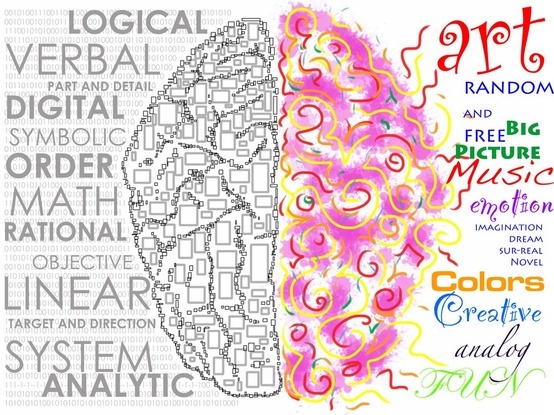
I’ve read many a book and chatted with art therapists about the psychological process involved in art and art making and this article comes from a different perspective; brain science.
06 Monday Jul 2020
Posted in Music, Uncategorized, youtube
≈ Comments Off on Top songs I have listened too in 2019: Lou Doillon – Too Much
Tags
I have a 16,000 plus digital audio collection and I use Media Monkey to manage my files. One feature of Media Monkey is you can sort your collection based on the number of times played. This playlist is based on the top music and/or music video files I played/listened/streamed from my server in 2019. Complete Playlist HERE
04 Saturday Jul 2020
04 Saturday Jul 2020
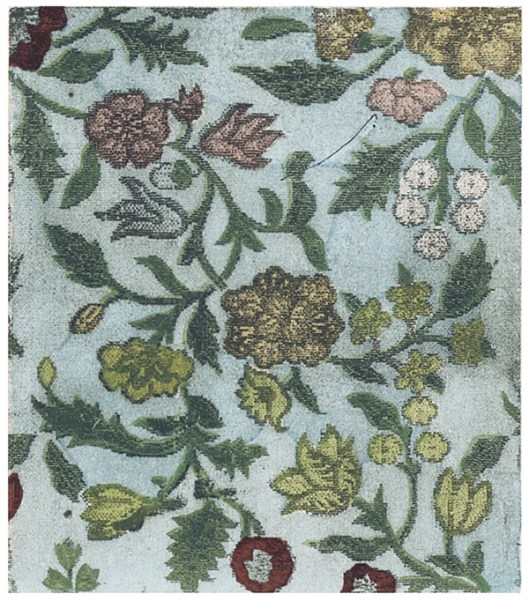
Posted by RichardB | Filed under Japanese Textile Designs
≈ Comments Off on Japanese #TextileDesigns 110
03 Friday Jul 2020
Posted in Pets, Therapy Dogs
≈ Comments Off on Meet ‘Kilo’ the service dog helping former soldier heal | 60 Minutes Australia
Tags
02 Thursday Jul 2020
Posted in discovery, Research, Social Science, Wellness
≈ Comments Off on Moral determination
Tags
When people witness a hurtful action they make a moral determination based on whether it is intentional or accidental instantly, according to a new paper.
The paper says the brain is hard-wired to recognize when another person is being intentionally harmed. It also provides new insights into how such recognition is connected with emotion and morality, according to lead author Jean Decety, Professor of Psychology and Psychiatry at U of Chicago.
The researchers studied adults who watched videos of people who suffered accidental harm (such as being hit with a golf club) and intentional harm (such as being struck with a baseball bat). While watching the videos, brain activity  was collected with equipment that accurately maps responses in different regions of the brain and importantly, the timing between these regions. The technique is known as high-density, event-related potentials technology.
The intentional harm sequence produced a response in the brain almost instantly. The study showed that within 60 milliseconds, the right posterior superior temporal sulcus (also known as TPJ area), located in the back of the brain, was first activated, with different activity depending on whether the harm was intentional or accidental. It was followed in quick succession by the amygdala, often linked with emotion, and the ventromedial prefrontal cortex (180 milliseconds), the portion of the brain that plays a critical role in moral decision-making.
There was no such response in the amygdala and ventromedial prefrontal cortex when the harm was accidental.
“Our data strongly support the notion that determining intentionality is the first step in moral computations,” said Decety, who conducted research on the topic with Stephanie Cacioppo, a research associate (assistant professor) in psychology at U of Chicago.
Other studies with functional MRI scans, including those in Decety’s lab, have shown that those areas of the brain become activated when people see others intentionally harmed, but those studies have been unable to separate or time the way the various parts of the brain may work together.
“High-density ERPs can identify spatio-temporal patterns of communication between regions that contrast analyses (such as fMRI) with low temporal resolution may not detect, and such methods are necessary to advance knowledge of neuroscience of morality,” said Cacioppo.
The ability to recognize and respond emotionally to the intentional infliction of harm is a critical source of morality that is universal across cultures, researchers believe. “It is part of humans’ evolutionary heritage,” Decety said. “The long history of mammalian evolution has shaped our brains to be sensitive to signs of suffering of others. And this constitutes a natural foundation for morality and sensitivity to justice.”
Philosophers have debated the origins of this moral response for ages. Some maintain that moral judgments begin with an immediate aversive reaction to perceived or imagined harm to victims, though the full moral judgment may form only after the fact. Other philosophers maintain that moral principals develop from reason alone and are not connected to emotion.
The new research suggests that emotion and the perception of intentionality, rather than deliberate reasoning, comprise the vital first component of moral responses—at least for responses that stem from care for others Decety said.
The research may help inform other areas of neurodevelopment research, including studies of the moral responses of psychopaths and of children who lack empathy for others, displaying what are called callous-unemotional traits.
Published in the Journal of Neurophysiology. See article here.
01 Wednesday Jul 2020
29 Monday Jun 2020
Tags
Carlos Cipa is a Munich-based composer and pianist. He has been classically trained on the piano and studied contemporary classical composition at the University of Music and Performing Arts in Munich. During his teenage years, he started playing drums and gained experience as a member of various bands. Experimenting with different styles of music, he turned back to the piano as his main instrument, facilitating him to find his way throughout composition and improvisation, before releasing his debut »The Monarch and the Viceroy« and sophomore record »All your life you walk« on Denovali Records in 2012 and 2014. In 2019, Cipa released »Retronyms«, his third studio album that expanded his artistic approach as well as his colour palette, bringing together his background as a classically trained pianist and composer with his interest for pop, jazz and electronic music in all its diverse facets.
I have a 16,000 plus digital audio collection and I use Media Monkey to manage my files. One feature of Media Monkey is you can sort your collection based on the number of times played. This playlist is based on the top music and/or music video files I played/listened/streamed from my server in 2019. Complete Playlist HERE
28 Sunday Jun 2020
Posted in photo
≈ Comments Off on the world
Tags

27 Saturday Jun 2020
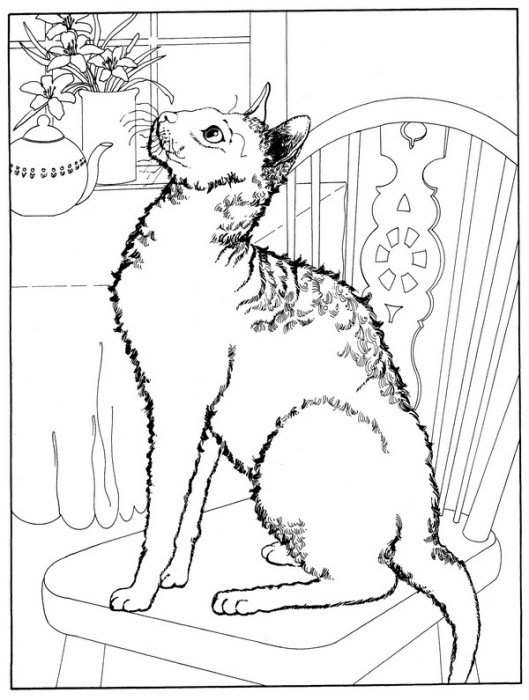
Posted by RichardB | Filed under Coloring Pages
≈ Comments Off on Cornish Rex Coloring Page
27 Saturday Jun 2020
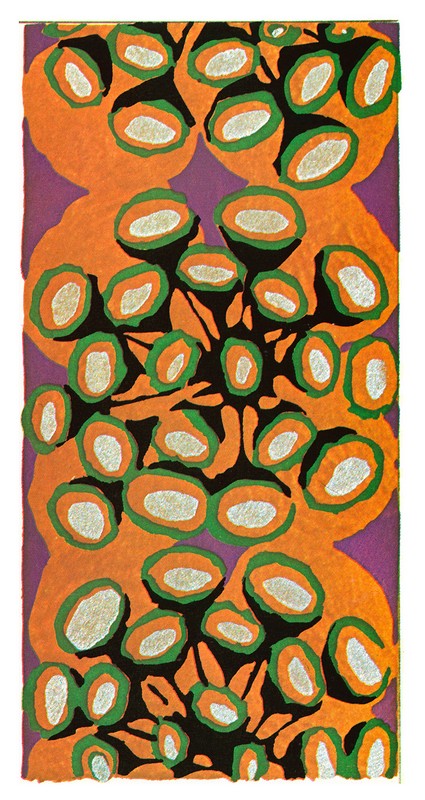
Posted by RichardB | Filed under Seguy Art Deco Designs
≈ Comments Off on Seguy Art Deco Designs 108
25 Thursday Jun 2020
Posted in Holocaust
≈ Comments Off on children of the Holocaust
Following the end of the World War Two, the BBC began a series of special radio appeals on behalf of a group of children who had survived the Holocaust but were now stranded as orphans in post-war Europe. A recording of one of these moving broadcasts still exists in the BBC archives. Seventy years on, Alex Last set out to find out what had happened to the 12 children named in this recording. They had been in many camps, including Auschwitz, Muhldorf, Kauferng, Theresienstadt, Belsen, and Dachau, and the modern-day search took him to Germany, Israel and the United States.
Five of the Holocaust survivors are still alive today, and four of them were well enough to speak to Alex, who was able to piece together their stories of courage and humanity.
24 Wednesday Jun 2020
Posted in History
≈ Comments Off on The witness of history
In 1957 a new strain of avian flu emerged in East Asia and quickly spread around the world, killing at least one million people. Sumi Krishna was nine years old when she caught the virus in India. Listen here.

1957 flu in Sweden
22 Monday Jun 2020
Tags
Lola Marsh is an Israeli indie pop band from Tel Aviv. The band was formed as a duo in 2013 by Gil Landau and Yael Shoshana Cohen, and was quickly signed by the indie label Anova Music. The group released their first EP, You’re Mine, under Universal Records-Barclay in January 2016.
I have a 16,000 plus digital audio collection and I use Media Monkey to manage my files. One feature of Media Monkey is you can sort your collection based on the number of times played. This playlist is based on the top music and/or music video files I played/listened/streamed from my server in 2019. Complete Playlist HERE
20 Saturday Jun 2020

Posted by RichardB | Filed under Coloring Pages
≈ Comments Off on Dogface Butterfly Coloring Page