Tags

19 Tuesday May 2020
Tags
07 Thursday May 2020
Posted in creative arts therapy, Dance Movement Therapy, Psychotherapy
≈ Comments Off on What is Dance Movement Therapy?
Tags
According to the American Dance Therapy Association (ADTA): Based on the understanding that the body and mind are interrelated, dance/movement therapy (D/MT) is defined as the psychotherapeutic use of movement to further the emotional, cognitive, physical, and social integration of the individual. Dance/movement therapy is practiced in mental health, rehabilitation, medical, educational, and forensic settings, and in nursing homes, day care centers, disease prevention, and health promotion programs. The dance/movement therapist focuses on movement behavior as it emerges in the therapeutic relationship. Expressive, communicative, and adaptive behaviors are all considered for both group and individual treatment. Body movement as the core component of dance simultaneously provides the means of assessment and the mode of intervention for dance/movement therapy.
I often define D/MT to clients as psychotherapy that is not limited to talking but encompasses the full range of human expression, including movement such as gestures and or postures, drawing, writing, drama, music and other expressions that can have a therapeutic benefit for the client(s).
Dance Movement Therapy is a creative arts therapy rooted in the expressive nature of dance. Since dance/movement comes from the body it is considered the most fundamental of the arts and is a direct expression (and experience) of the self. Dance/movement is a basic form of authentic communication, and as such it is an especially effective medium for therapy.
Dance/movement therapists (R-DMT or BC-DMT) work with individuals of all ages, groups and families in a wide variety of settings. They focus on helping their clients improve self-esteem and body image, develop effective communication skills and relationships, expand their movement vocabulary, gain insight into patterns of behavior, as well as create new options for coping with problems. Movement is the primary medium DMT’s use for observation, assessment, research, therapeutic interaction, and interventions.
DMT’s work in settings that include psychiatric and rehabilitation facilities, schools, nursing homes, drug treatment centers, counseling centers, medical facilities, crisis centers, and wellness and alternative health care centers.
05 Tuesday May 2020
Posted in art, Art Therapy, Therapy, Wellness
≈ Comments Off on Art and Asthma
Tags
The fear and anxiety associated with an asthma attack can last long after the attack has subsided. Now research, published online in the Journal of Allergy & Clinical Immunology, reports that the art therapy showed benefits both during the therapy and for months afterward. “Asthma impacts not only a child’s physical well-being but also has a considerable effect on a child’s quality of life and psychological development,” said Anya Beebe, MA, an art therapist at National Jewish Health. “Our study shows that art therapy for children with severe, chronic asthma is clearly beneficial. Our results were striking and persisted for months after treatment stopped.”
In art therapy, patients create artwork that helps express their feelings about an illness, a trauma or medical concerns. The artwork can then serve as a starting point for discussions about these issues. Researchers believe that creating art helps participants establish distance between themselves and their medical concerns. They learn to understand that they have a personal identity outside of their illness. It is believed to be particularly effective with children because they often do not have the adult capabilities to verbally articulate their emotions, perceptions, or beliefs, and often can more comfortably convey ideas in ways other than talking.
You can read more at the National Jewish Health website.
30 Thursday Apr 2020
Once a week I facilitate a anger management group. I use a variety of handouts and activities to have a process oriented group interaction. One of the hand outs I use is below. I use it in 1 of 2 ways. I have folks fill it out first and then we discuss or we go  through it together and discuss. We explore as a group, learning from each other.
ANGER WORDS
anger disgust grumpiness rage aggravation dislike hate resentment agitation envy hostility revulsion annoyance exasperation irritation scorn bitterness ferocity jealousy spite contempt frustration loathing torment cruelty fury mean-spiritedness vengefulness destructiveness grouchiness outrage wrath
Other:_________________________
Prompting Events for Feeling Anger
Losing power.
Losing status.
Losing respect.
Being insulted.
Not having things turn out the way you expected.
Experiencing physical pain.
Experiencing emotional pain.
Being threatened with physical or emotional pain by someone or something.
Having an important or pleasurable activity interrupted, postponed, or stopped.
Not obtaining something you want (which another person has).
Other:_______________________________
Interpretations That Prompt Feelings of Anger
Expecting pain.
Feeling that you have been treated unfairly.
Believing that things should be different.
Rigidly thinking “I’m right.”
Judging that the situation is illegitimate, wrong, or unfair.
Ruminating about the event that set off the anger in the first place, or in the past.
Other:____________________________
Experiencing the Emotion of Anger
Feeling incoherent.
Feeling out of control.
Feeling extremely emotional.
Feeling tightness or rigidity in your body.
Feeling your face flush or get hot.
Feeling nervous tension, anxiety or discomfort.
Feeling like you are going to explode.
Muscles tightening. .
Teeth clamping together, mouth tightening.
Crying; being unable to stop tears.
Wanting to hit, bang the wall, throw something, blow up.
Other:__________________________
Expressing and Acting on Anger
Frowning or not smiling; mean or unpleasant facial expression.
Gritting or showing your teeth in an unfriendly manner.
Grinning.
A red or flushed face.
Verbally attacking the cause of your anger; criticizing.
Physically attacking the cause of your anger.
Using obscenities or cursing.
U sing a loud voice, yelling, screaming, or shouting.
Complaining or bitching; talking about how lousy things are.
Clenching your hands or fists.
Making aggressive or threatening gestures.
Pounding on something, throwing things, breaking things.
Walking heavily or stomping; slamming doors, walking out.
Brooding or withdrawing from contract with others.
Other:_____________________
Aftereffects of Anger
Narrowing of attention.
Attending only to the situation making you angry.
Ruminating about the situation making you angry and not being able to think of anything else.
Remembering and ruminating about other situations that have made you angry in the past.
Imagining future situations that will make you angry.
Depersonalization, dissociative experience, numbness.
Intense shame, fear, or other negative emotions.
Other:______________________
14 Tuesday Apr 2020
Posted in art, creative arts therapy, Therapy
≈ Comments Off on Art and happiness
Type the words “Spring (Fruit Trees in Bloom)” into an online search engine and in less than a second you will be looking at a sparkling vista of trees erupting in a starburst of pale blossom like an exploding firework. The phrase is the title of an Impressionist oil painting by the French master Claude Monet that belongs to the Metropolitan Museum of Art in New York. 
According to the museum’s website, the painting was executed in 1873 in Argenteuil, a village on the River Seine northwest of Paris where the Impressionist artists used to gather. Signed and dated “73 Claude Monet” in the lower left corner, it is almost 40in (1m) wide and 24.5in (62cm) high. In 1903, when it was known as Apple Blossoms, it was bought for $2,100 by the New York art dealership Knoedler & Co. The Met acquired it in 1926.
Concise, sober information like this is typical of the insights that museums commonly provide about artworks in their collections. Dates, dimensions, provenance: these are the bread and butter of scholarship and art history.
But by offering details about pictures in this manner, are museums fundamentally missing the point of what art is all about? One man who believes that they are is the British philosopher Alain de Botton, whose new book, Art as Therapy, co-written with the art theorist John Armstrong, is a polite but provocative demolition of the way that museums and galleries routinely present art to the public.
09 Thursday Apr 2020
Posted in Dance Movement Therapy
≈ Comments Off on Dance/Movement Therapy: Embodied Parenting
20 Wednesday Nov 2019
Tags
20 Wednesday Nov 2019
Posted in Health, Relaxation, Stress, Therapy Dogs
≈ Comments Off on Therapy dogs
A therapy dog is a dog trained to provide affection and comfort to people in hospitals, retirement homes, nursing homes, schools, hospices, people with learning difficulties, and stressful situations, such as disaster areas.
Therapy dogs come in all sizes and breeds. The most important cha

racteristic of a therapy dog is its temperament. A good therapy dog must be friendly, patient, confident, gentle, and at ease in all situations. Therapy dogs must enjoy human contact and be content to be petted and handled, sometimes clumsily.
A therapy dog’s primary job is to allow unfamiliar people to make physical contact with it and to enjoy that contact. Children in particular enjoy hugging animals; adults usually enjoy simply petting the dog. The dog might need to be lifted onto, or climb onto, an individual’s lap or bed and sit or lie comfortably there. Many dogs contribute to the visiting experience by performing small tricks for their audience or by playing carefully structured games. In hospice environments, therapy dogs can play a role in palliative care by reducing death anxiety.
06 Wednesday Nov 2019
Posted in grounding, Handout, mindfulness, Relaxation, Stress, Wellness
Tags
I’ve been teaching a stress less/relaxation class for years and below is one the handouts that participants report is most helpful.:
Change the situation: Avoid – Alter. Change your reaction: Adapt – Accept
1. Avoid unnecessary stress
Not all stress can be avoided, and it’s not healthy to avoid a situation that needs to be addressed.
Learn how to say “no” – Know your limits and stick to them.
Avoid people who stress you out –Limit the amount of time you spend with people that cause you stress.
Take control of your environment – If the evening news makes you anxious, turn the TV off.
Avoid hot-button topics –If you repeatedly argue about the same subject with the same people, stop bringing it up or excuse yourself when it’s the topic of discussion.
Pare down your to-do list –If you’ve got too much on your plate, distinguish between the “shoulds” and the “musts.”
2. Alter the situation
If you can’t avoid a stressful situation, try to alter it. Figure out what you can do to change things so the problem doesn’t present itself in the future.
Express your feelings instead of bottling them up. If something or someone is bothering you, communicate your concerns in an open and respectful way.
Be willing to compromise. When you ask someone to change their behavior, be willing to do the same.
Be more assertive. Deal with problems head on, doing your best to anticipate and prevent them.
Manage your time better. Plan ahead and make sure you don’t overextend yourself.
3. Adapt to the stressor
If you can’t change the stressor, change yourself. You can adapt to stressful situations and regain your sense of control by changing your expectations and attitude.
Reframe problems. Try to view stressful situations from a more positive perspective.
Look at the big picture. Will it matter in a month, or a year?
Adjust your standards. Set reasonable standards for yourself and others, and learn to be okay with “good enough.”
Focus on the positive. When stress is getting you down, take a moment to reflect on all the things you appreciate in your life, including your own positive qualities and gifts.
4. Accept what you can’t change
Some sources of stress are unavoidable, in such cases; the best way to cope with stress is to accept things as they are. Acceptance may be difficult, but in the long run, it’s easier than railing against a situation you can’t change.
Don’t try to control the uncontrollable. Focus on the things you can control such as the way you choose to react to problems.
Look for the upside. As the saying goes, “What doesn’t kill us makes us stronger.” When facing major challenges, try to look at them as opportunities for personal growth.
Share your feelings. Talk to a trusted friend or make an appointment with a therapist.
Learn to forgive. Accept the fact that we live in an imperfect world and that people make mistakes.
25 Wednesday Sep 2019
Posted in Creative Art Therapy, Health, lifestyle, music therapy, positive, Relaxation, Wellness
≈ Comments Off on Music Therapy
Tags
Most everyone enjoys listening to music. Some of us play music as well. Music has a therapeutic effect and can be used to enhance or even change how we feel. According to the American Music Therapy Association: Music Therapy is an established health profession in which music is used within a therapeutic relationship to address physical, emotional, cognitive, and social needs of individuals. After assessing the strengths and needs of each client, the qualified music therapist provides the indicated treatment including creating,  singing, moving to, and/or listening to music. Through musical involvement in the therapeutic context, clients’ abilities are strengthened and transferred to other areas of their lives. Music therapy also provides avenues for communication that can be helpful to those who find it difficult to express themselves in words. Research in music therapy supports its effectiveness in many areas such as: overall physical rehabilitation and facilitating movement, increasing people’s motivation to become engaged in their treatment, providing emotional support for clients and their families, and providing an outlet for expression of feelings.
As a Creative Arts Therapist I use music to support individuals and groups when they are engaged in a therapeutic process. Whether it’s movement, art or guided meditation the music enhances focus for the participants. I often hear people report that the music helped them to get in touch with feelings and/or explore them on a deeper level.
02 Monday Sep 2019
Posted in Communication, Handout, Mental Health, Psychoeducation, Wellness
≈ Comments Off on Road Blocks to Communication
We all have, at one time or another, blocked, screwed up, and/or made more difficult in some way communication between yourself and ….partners, parents, children, siblings, bosses, teachers, therapists, clients …basically everyone. Knowing something about yourself, what your triggers and hot buttons are can help to not only smooth communication but to help you express what you feel and think. Listed below are some communication road blocks as well as common statements that are often said.
When have you said these? What was going on before the comments and with whom were you talking with? What might be an alternative statement(s).
Evaluate:
You should You’re wrong You should know that
Unsolicited Advice:
It would be best for you to Why don’ t you
Diagnosing:
You’re getting defensive
Commanding:
You had better You have to
Lecturing:
Don’t you realize
Devaluation Response:
It’s not so bad
Topping:
That’s nothing compared to
Condescending:
I figured you’d do that! I should’ve expected that from you!
Al l or Nothing:
You always do that! Yes you do! You’ re never
Prying: Puts other on the spot/defensive and is intrusive
17 Wednesday Jul 2019
Posted in creative arts therapy, Therapy Photos
≈ Comments Off on Rough Road/Path photos
I have been involved in facilitating groups for decades. One of the tools I use for groups of adults, teens, or children are photos. I use photos as a way for folks to become familiar and used to talking and sharing in a group. As a way to indirectly share something of themselves by talking about an image/photo. As a way to begin a conversation about larger issues or deeper issues.
One set of photos I use are Rough Road/Path photos with alcohol addicts and heroin addicts in the beginning of recovery. I spread the photos out on a table and ask the group (usually 10 to 15 men) to pick out one photo that represents their journey in the week or weeks before they came into rehab. Once everyone has chosen a photo I ask them to (one at a time) hold up the photo, describe the photo and why they chose it. The descriptions and stories they tell come from them, their experiences and begin the process of revealing a bit about their lives.
04 Tuesday Jun 2019
Posted in Communication, Handout, mental health, Psychoeducation, Wellness
≈ Comments Off on Road Blocks to Communication
We all have, at one time or another, blocked, screwed up, and/or made more difficult in some way communication between yourself and ….partners, parents, children, siblings, bosses, teachers, therapists, clients …basically everyone. Knowing something about yourself, what your triggers and hot buttons are can help to not only smooth communication but to help you express what you feel and think. Listed below are some communication road blocks as well as common statements that are often said.
When have you said these? What was going on before the comments and with whom were you talking with? What might be an alternative statement(s).
Evaluate:
You should You’re wrong You should know that
Unsolicited Advice:
It would be best for you to Why don’ t you
Diagnosing:
You’re getting defensive
Commanding:
You had better You have to
Lecturing:
Don’t you realize
Devaluation Response:
It’s not so bad
Topping:
That’s nothing compared to
Condescending:
I figured you’d do that! I should’ve expected that from you!
Al l or Nothing:
You always do that! Yes you do! You’ re never
Prying: Puts other on the spot/defemsive and is intrusive
17 Friday May 2019
Posted in Wellness
≈ Comments Off on Animal-Assisted Therapy
Tags
Can animal-assisted therapy can help adolescents who are in hospital because of an acute psychiatric crisis? A randomized controlled trial investigates.
The study, conducted by a team of researchers led by M.C. Stefanini of the University of Florence, randomly allocated patients to either an animal-assisted therapy intervention or no intervention. Both groups continued to receive psychiatric treatment as usual, and those treating them did not know which group they were in. The results are very promising.
The intervention group had better school attendance, higher levels of global functioning, and spent less time in the hospital compared to the control group. “One possible explanation for this success is the role of the animal as a catalyst in the therapeutic process,” the researchers write. “Animals may represent a valid help in therapeutic contexts thanks to their ability to catalyze social interactions and to create a more relaxed environment.” READ MORE HERE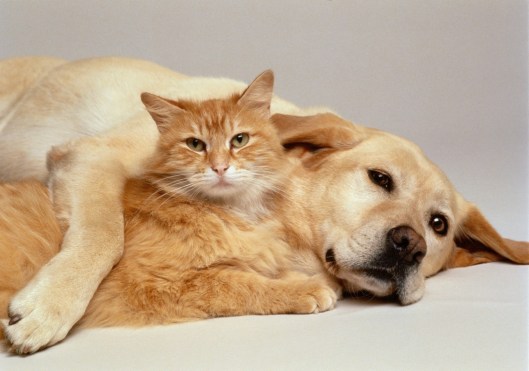
10 Friday May 2019
Wonderful article written by Joseph Burgo, Ph.D. who has practiced psychotherapy for more than 30 years, holding licenses as a marriage and family therapist and clinical psychologist.
“…Although Sigmund Freud’s psychoanalytic method encourages the analyst to present a blank screen, concealing all details of his personal life, thoughts and feelings, Freud himself practiced from his home and included Jo-Fi, his favorite chow chow, in many of his sessions. Freud supposedly relied on his pet’s reaction to a client for help in assessing the person’s character. He also felt that a dog’s presence helped to calm his clients.”
Read more here: The Pets in My Practice
08 Wednesday May 2019
Tags
activities, ADHD, adherents, alignment, analysis, Another, asanas, assessments, asthma, attention, attitude, author, authors, Back, behavior, benefits, Both, bronchodilator, Cardiovascular, cases, Cochrane, composition, concentration, conclusions, consensus, deficit, difference, disease, disorder, disorders, efficacy, energy, Europe, Evidence, Except, factors, handouts, harmony, Hatha, health, improvement, inadequacies, India, Indian, indices, instructor, intervention, interventions, Iyengar, life, lifestyle, literature, measures, medication, medicine, meditation, metabolic, method, methodology, origins, outcome, output, Overall, pain, Patients, persons, philosophy, postures, pranayama, purposes, questionnaire, Raja, RCTs, relaxation, resistance, response, restriction, results, selection, self, sessions, Spirometry, status, stimulus, subjects, symptoms, syndrome, techniques, therapy, times, tolerance, tradition, treatment, trend, viniyoga, week, weeks
Yoga is a mind and body practice in complementary medicine with origins in ancient Indian philosophy. Part two of evidence based Yoga:
Carpal tunnel syndrome A randomized, single-blind controlled trial of 42 patients with carpal tunnel syndrome assigned subjects to either a yoga treatment group or a wrist splint group, each 8 weeks in duration. Twice a week, the yoga group practiced postures specifically designed to strengthen and stretch each joint in the upper body. Yoga participants showed improvement in grip strength, pain levels, and Phalen’s sign when compared to the wrist splint group. Nerve conduction studies were not performed.15 A Cochrane review of 21 trials that evaluated the clinical outcome of nonsurgical treatment of carpal tunnel syndrome reported that 8 weeks of yoga practice significantly reduced pain as compared to wrist splinting. The yoga was described as having a “significant short-term benefit,” though the duration of this benefit is unknown.16
Depression A 2004 review of five RCTs that evaluated yoga-based interventions for depression and depressive disorders showed some positive outcomes and no adverse effects on patients’ mild to severe depressive disorders. However, poor study design and incomplete methodologic reporting makes this interpretation preliminary.17 An RCT studying 7 weeks of yoga training in a group of breast cancer survivors showed positive changes in emotional function, depression, and mood disturbance.18 “Yoga and stress management” (in the online version of this article) provides more information on this study and others involving the effects of yoga on stress.
Irritable bowel syndrome In an RCT, treatment with loperamide (Imodium) was compared to treatment with a series of 12 yoga postures practiced twice a day for 2 months in a small sample of patients with clinically diagnosed irritable bowel syndrome. Patients underwent measurement of surface electrogastrography, and trait and state anxiety tests were administered before, during, and up to 2 months after treatment. Both intervention groups demonstrated a decrease in bowel symptoms and state anxiety.19
Menopausal symptoms In a recent pilot study, 14 postmenopausal women reported via interview and questionnaire a decrease in the severity and frequency of hot flushes after 8 weeks of 90-minute “restorative yoga” classes. Although this initial finding sounds encouraging, this trial had no control group or objective parameter measurements.20 An RCT studying postmenopausal sleep quality divided 164 women into groups who participated in either 4 months of low-intensity yoga, a moderate-intensity walking program, or a wait-list control group. This study reported no statistically significant interventional effects of any treatment on total sleep quality or on any individual sleep quality domain.21
Multiple sclerosis An RCT of 57 subjects with clinically defined multiple sclerosis were assigned to weekly Iyengar yoga class plus home practice, a cycling program, or a wait-list control group for 6 months. Results showed that both active interventions produced significant improvement in perceived levels of energy and reduced fatigue; however, the specific effects of the yoga practice were not isolated.22 Osteoarthritis In a pilot study, 11 deconditioned, yoga naive subjects with a clinical diagnosis of knee osteoarthritis showed improvements in pain and knee stiffness after 8 weeks of yoga training. The group performed modified Iyengar yoga sessions once a week.23
Seizure disorders In 2000, a systematic review of the published literature revealed that only one study was able to meet the selection criteria for reliable research design. The reviewers concluded that no available evidence pointed to yoga therapy as an efficacious treatment for epilepsy.24
Strength and flexibility In a recent study on the fitness related effects of hatha yoga, 10 yoga-naïve and previously untrained subjects aged 18 to 27 years participated in 85 minutes of pranayama and hatha yoga practice twice a week for 8 weeks. These subjects showed significant improvement in upper and lower body muscular strength, endurance, and flexibility. No statistically significant change in body composition or pulmonary function was observed.13
In a partial RCT with a longer time frame, 54 subjects aged 20 to 25 years participated in either 5 months of yoga instruction or no activity. After that time period, both groups practiced yoga for an additional 5 months. The group practicing 10 months of yoga showed significant improvements in shoulder, trunk, hip, and neck flexibility, as well as a reported improved performance during submaximal exercise testing.25
A well-executed study compared subjects who underwent 24 hours of hatha yoga classes over 8 weeks with a control group. The yoga training group showed a 13% to 35% improvement in flexibility, balance, and muscular endurance. The authors concluded that hatha yoga practice has significant effects on balance and flexibility.26
1. Tindle HA, Davis RB, Phillips RS, Eisenberg DM. Trends in use of complementary and alternative medicine by US adults: 1997-2002. Altern Ther Health Med. 2005;11(1):42-49.
2. Carrico M. Yoga Journal’s Yoga Basics: The Essential Beginner’s Guide to Yoga for a Lifetime of Health and Fitness. New York, NY: Henry Holt and Company; 1997.
3. Nayak NN, Shankar K. Yoga: a therapeutic approach. Phys Med Rehabil Clin N Am. 2004;15(4): 783-798, vi.
4. Innes KE, Bourguignon C, Taylor AG. Risk indices associated with the insulin resistance syndrome, cardiovascular disease, and possible protection with yoga: a systematic review. J Am Board Fam Pract. 2005;18(6):491-519.
5. Raub JA. Psychophysiologic effects of Hatha yoga on musculoskeletal and cardiopulmonary function: a literature review. J Altern Complement Med. 2002;8(6):797-812.
6. Luskin FM, Newell KA, Griffith M, et al. A review of mind-body therapies in the treatment of musculoskeletal disorders with implications for the elderly. Altern Ther Health Med. 2000;6(2): 46-56.
7. Jensen PS, Kenny DT. The effects of yoga on the attention and behavior of boys with attentiondeficit/ hyperactivity disorder (ADHD). J Atten Disord. 2004;7(4):205-216.
8. Kirkwood G, Rampes H, Tuffrey V, et al. Yoga for anxiety: a systematic review of the research evidence. Br J Sports Med. 2005;39(12):884-891.
9. Krisanaprakornkit T, Krisanaprakornkit W, Piyavhatkul N, Laopaiboon M. Meditation therapy for anxiety disorders. Cochrane Database Syst Rev. 2006;(1):CD004998.
10. Sabina AB, Williams AL, Wall HK, et al. Yoga intervention for adults with mild-to-moderate asthma: a pilot study. Ann Allergy Asthma Immunol. 2005;94(5):543-548.
11. Vendanthan PK, Kesavalu LN, Murthy KC, et al. Clinical study of yoga techniques in university students with asthma: a controlled study. Allergy Asthma Proc. 1998;19(1):3-9.
12. Sherman KJ, Cherkin DC, Erro J, et al. Comparing yoga, exercise, and a self-care book for chronic low back pain: a randomized, controlled trial. Ann Intern Med. 2005;143(12):849-856.
13. Tran MD, Holly RG, Lashbrook J, Amsterdam EA. Effects of Hatha yoga practice on the healthrelated aspects of physical fitness. Prev Cardiol. 2001;4(4):165-170.
14. Clay CC, Lloyd LK, Walker JL, et al. The metabolic cost of Hatha yoga. J Strength Cond Res. 2005;19(3):604-610.
15. Garfinkel MS, Singhal A, Katz WA, et al. Yoga-based intervention for carpal tunnel syndrome: a randomized trial. JAMA. 1998;280(18):1601-1603.
16. O’Connor D, Marshall S, Massy-Westropp N. Nonsurgical treatment (other than steroid injection) for carpal tunnel syndrome. Cochrane Database Syst Rev. 2003(1):CD003219.
17. Pilkington K, Kirkwood G, Rampes H, Richardson J. Yoga for depression: the research evidence. J Affect Disord. 2005;89(1-3):13-24.
18. Culos-Reed SN, Carlson LE, Daroux LM, Hately-Aldous S. A pilot study of yoga for breast cancer survivors: physical and psychological benefits. Psycho Oncol. 2006;15(10):891-897.
19. Taneja I, Deepak KK, Poojary G, et al. Yogic versus conventional treatment in diarrheapredominant irritable bowel syndrome: a randomized control study. Appl Psychophysiol Biofeedback. 2004;29(1):19-33.
20. Cohen BE, Kanaya AM, Macer JL, et al. Feasibility and acceptability of restorative yoga for treatment of hot flushes: a pilot trial. Maturitas. 2007;56(2):198-204.
21. Elavsky S, McAuley E. Lack of perceived sleep improvement after 4-month structured exercise programs. Menopause. 2007;14(3, pt 1):535-540.
22. Oken BS, Kishiyama S, Zajdel D, et al. Randomized controlled trial of yoga and exercise in multiple sclerosis. Neurology. 2004;62(11):2058-2064.
23. Kolasinski SL, Garfinkel M, Tsai AG, et al. Iyengar yoga for treating symptoms of osteoarthritis of the knees: a pilot study. J Altern Complement Med. 2005;11(4):689-693.
24. Ramaratnam S, Sridharan K. Yoga for epilepsy. Cochrane Database Syst Rev. 2000(3):CD001524.
25. Ray US, Mukhopadhyaya S, Purkayastha SS, et al. Effect of yogic exercises on physical and mental health of young fellowship course trainees. Indian J Physiol Pharmacol. 2001;45(1):37-53.
26. Boehde D, Porcari JP, Greany J, et al. The physiological effects of 8 weeks of yoga training. J Cardiopulm Rehabil. 2005;25(5):290.
15 Friday Feb 2019
Posted in Health, Relaxation, Stress, Therapy Dogs
≈ Comments Off on Therapy dogs
A therapy dog is a dog trained to provide affection and comfort to people in hospitals, retirement homes, nursing homes, schools, hospices, people with learning difficulties, and stressful situations, such as disaster areas.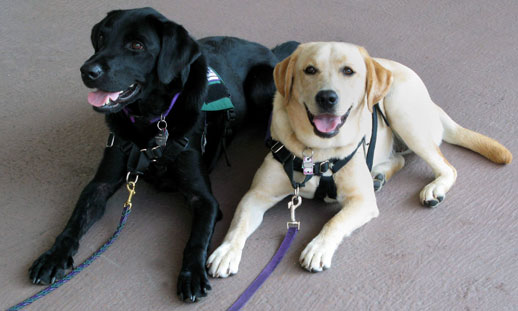
Therapy dogs come in all sizes and breeds. The most important characteristic of a therapy dog is its temperament. A good therapy dog must be friendly, patient, confident, gentle, and at ease in all situations. Therapy dogs must enjoy human contact and be content to be petted and handled, sometimes clumsily.
A therapy dog’s primary job is to allow unfamiliar people to make physical contact with it and to enjoy that contact. Children in particular enjoy hugging animals; adults usually enjoy simply petting the dog. The dog might need to be lifted onto, or climb onto, an individual’s lap or bed and sit or lie comfortably there. Many dogs contribute to the visiting experience by performing small tricks for their audience or by playing carefully structured games. In hospice environments, therapy dogs can play a role in palliative care by reducing death anxiety.
08 Tuesday Jan 2019
Posted in art, drawings, Mental Health
≈ Comments Off on Philippine rehab uses Art therapy
Tags
MANILA, Sept 14 — A group in Manila are using art therapy to help addicts overcome drug addictions and show Philippine President Rodrigo Duterte that bloody retribution is not the only solution to drugs.
The Centre for Christian Recovery, a religious organisation which manages a small private rehabilitation facility west of Manila, has incorporated drawing into its daily sessions as a way for addicts to express their feelings.
“These drug dependents are not used to saying what they feel,” said Davis Dakis, the programme director.
“They do not know how to express their emotions. So now, through art, they can express whatever they feel.”
The art sessions at the centre, which caters for 40 addicts, comes amid a bloody campaign against drugs since Duterte took office in June.
More than 2,500 people have been killed in the war on drugs, with about 900 deaths a result of police operations, police say.
Owie, a drug user undergoing rehabilitation, said he was afraid of going back on the streets despite his attempts at reformation.
“I hope our president will take a different action. I don’t want it to be like this. It’s as if he wants to just kill all of us addicts,” he said.
“There is still hope for us, it’s not too late to change.” — Reuters
04 Friday Jan 2019
Posted in art, creative arts therapy, groups, photo set, Therapy
≈ Comments Off on Rough Road/Path photos
I have been involved in facilitating groups for decades. One of the tools I use for groups of adults, teens, or children are photos. I use photos as a way for folks to become familiar and used to talking and sharing in a group. As a way to indirectly share something of themselves by talking about an image/photo. As a way to begin a conversation about larger issues or deeper issues.
One set of photos I use are Rough Road/Path photos with alcohol addicts and heroin addicts in the beginning of recovery. I spread the photos out on a table and ask the group (usually 10 to 15 men) to pick out one photo that represents their journey in the week or weeks before they came into rehab. Once everyone has chosen a photo I ask them to (one at a time) hold up the photo, describe the photo and why they chose it. The descriptions and stories they tell come from them, their experiences and begin the process of revealing a bit about their
01 Tuesday Jan 2019
Posted in creative arts therapy, Dance, Dance Movement Therapy, Social Science, YouTube
≈ Comments Off on What is Dance Movement Therapy?
According to the American Dance Therapy Association (ADTA): Based on the understanding that the body and mind are interrelated, dance/movement therapy (D/MT) is defined as the psychotherapeutic use of movement to further the emotional, cognitive, physical, and social integration of the individual. Dance/movement therapy is practiced in mental health, rehabilitation, medical, educational, and forensic settings, and in nursing homes, day care centers, disease prevention, and health promotion programs. The dance/movement therapist focuses on movement behavior as it emerges in the therapeutic relationship. Expressive, communicative, and adaptive behaviors are all considered for both group and individual treatment. Body movement as the core component of dance simultaneously provides the means of assessment and the mode of intervention for dance/movement therapy.

I often define D/MT to clients as psychotherapy that is not limited to talking but encompasses the full range of human expression, including movement such as gestures and or postures, drawing, writing, drama, music and other expressions that can have a therapeutic benefit for the client(s).
See also:
Wikipedia Dance Therapy
ADTA Fact Sheet
 RichardbBrunner