Tags
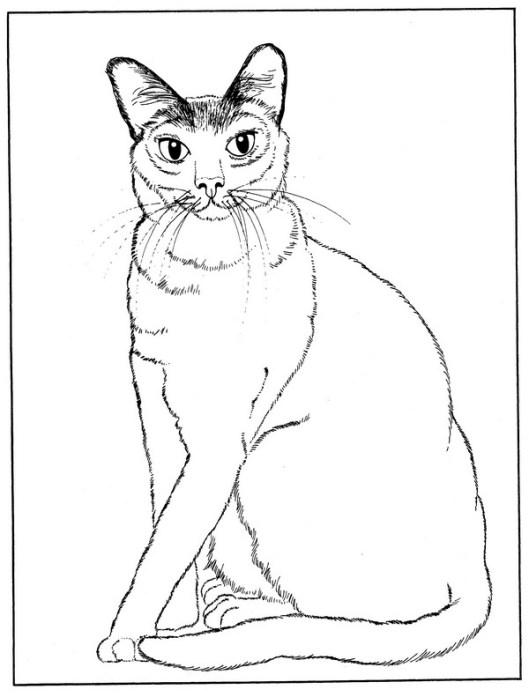
Posted by RichardB | Filed under Coloring Pages
≈ Comments Off on Tonkinese Coloring Page

07 Saturday Nov 2020
07 Saturday Nov 2020
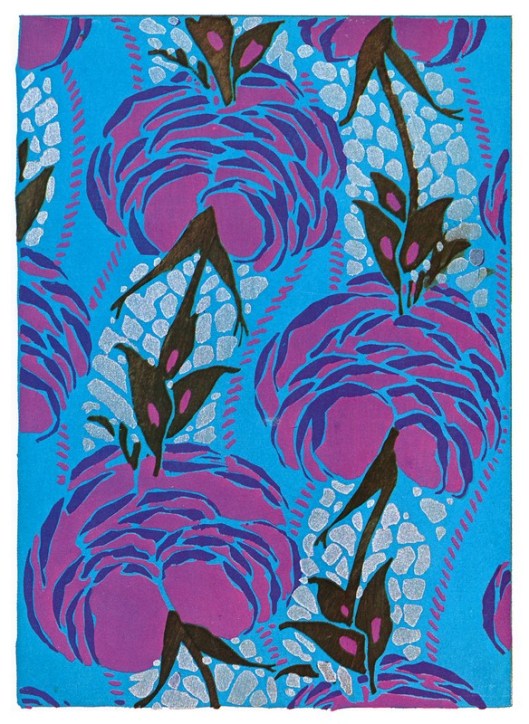
Posted by RichardB | Filed under Seguy Art Deco Designs
≈ Comments Off on Seguy Art Deco Designs 96
06 Friday Nov 2020
Posted in news
≈ Comments Off on Anti-Asian Racism in the United States and Sino-American Relations
On June 2, 2020, the National Committee hosted a virtual discussion on the history of anti-Chinese/Asian racism in the United States, the impact of coronavirus-related racism, and the importance of uniting across our communities to stand up against all forms of discrimination. The featured speakers were Jennifer Ho, professor of ethnic studies at University of Colorado and president of the Association for Asian American Studies, and John Pomfret, former Washington Post correspondent and author of, “The Beautiful Country and the Middle Kingdom: America and China, 1776 to the Present” (2016). The webinar was moderated by NCUSCR Senior Director of Development Yong Lu.
05 Thursday Nov 2020
05 Thursday Nov 2020
Posted in recovery
≈ Comments Off on Ten Percent of American Adults Report Being in Recovery
Tags
Data Shows More Than 23 Million Adults Living in U.S. Once Had Drug or Alcohol Problems, But No Longer Do
Survey data released by the Partnership for Drug-Free Kids and The New York State Office of Alcoholism and Substance Abuse Services (OASAS) show that 10 percent of all American adults, ages 18 and older, consider themselves to be in recovery from drug or alcohol abuse problems. These nationally representative findings indicate that there are 23.5 million American adults who are overcoming an involvement with drugs or alcohol that they once considered to be problematic. 
According to the new survey funded by OASAS, 10 percent of adults surveyed said yes to the question, “Did you once have a problem with drugs or alcohol, but no longer do?” – one simple way of describing recovery from drug and alcohol abuse or addiction.
“The OASAS study is an important contribution to the public’s understanding of recovery, as it represents the actual voices of millions of Americans whose lives have improved because they are living free of alcohol and other drug problems,” said Steve Pasierb, President and CEO of the Partnership for Drug-Free Kids. “This new learning provides a big reason – more than 23 million reasons – for all those who are struggling with their own, or a loved one’s substance use disorder, to have hope and know that they are not alone. These findings serve as a reminder that addiction is a treatable disease and recovery can be a reality. We are just scratching the surface here and more research is needed in this area, but we are proud to collaborate with New York OASAS in this meaningful process.”
“This research marks a vitally important step for those who are struggling with addiction by offering clear evidence to support what many know experientially – that millions of Americans have found a path to recovery,” said New York State Office of Alcoholism and Substance Abuse Services (OASAS) Commissioner Arlene González-Sánchez. “It is my hope that this new evidence will strengthen and inspire individuals and those that provide treatment and recovery services to help the broader community understand that treatment does work and recovery is possible.”
Other self-reported findings from the new data conclude that:
The study also found no significant difference between parents and adults without children who say they are in recovery. This demonstrates that parents are as likely as non-parents to be in recovery.
“This new research also supports findings from a groundbreaking survey done for Faces and Voices of Recovery by Peter Hart Associates that provided the initial evidence that there was a large population in recovery in the United States,” said Tom Hedrick, Senior Program Officer and one of the founding members of the Partnership for Drug-Free Kids. “Those 2004 findings concluded that ‘38 percent of adults have a family member or close friend (or both) who is in recovery from addiction to alcohol or other drugs.”
04 Wednesday Nov 2020
Tags
I drive way too fast to worry about cholesterol. Author Unknown

03 Tuesday Nov 2020
Posted in Addiction, Creative Therapy Tools, Marijuana, Research
≈ Comments Off on Marijuana Addiction in the Age of Legal Weed
Tags
Generation X writer Neal Pollack thought he had it all: a good writing career, a strong marriage, even a lucrative 3-day run on “Jeopardy”! That brought him national attention. Like many in his generation, he also smoked a lot of marijuana. He had discovered that food, music and even his beloved yoga was much better when he smoked. In 2014, as several states in the country legalized pot, Pollack scored a writing gig for a marijuana site that provided free weed. He saw his drug use as harmless and joked about it often in his writing. But as more states, including California, began to legalize the drug, Pollack’s life began to fall apart, in part because of his drug use. Both of his parents died and he soon found himself spiraling out of control, sometimes in public. By 2018, Pollack admitted publicly he had a marijuana addiction and set about to conquer it, through honesty . . . and humor. Pollack’s new book, Pothead, is about coming to terms with his marijuana problems just as the country increased its recreational availability. The book is a cautionary and timely tale for those who think the drug isn’t dangerous and can’t cause serious addictive problems. Join us for a special evening program as Pollack discusses his story with Los Angeles novelist Bucky Sinister.
03 Tuesday Nov 2020
Posted in My Photos
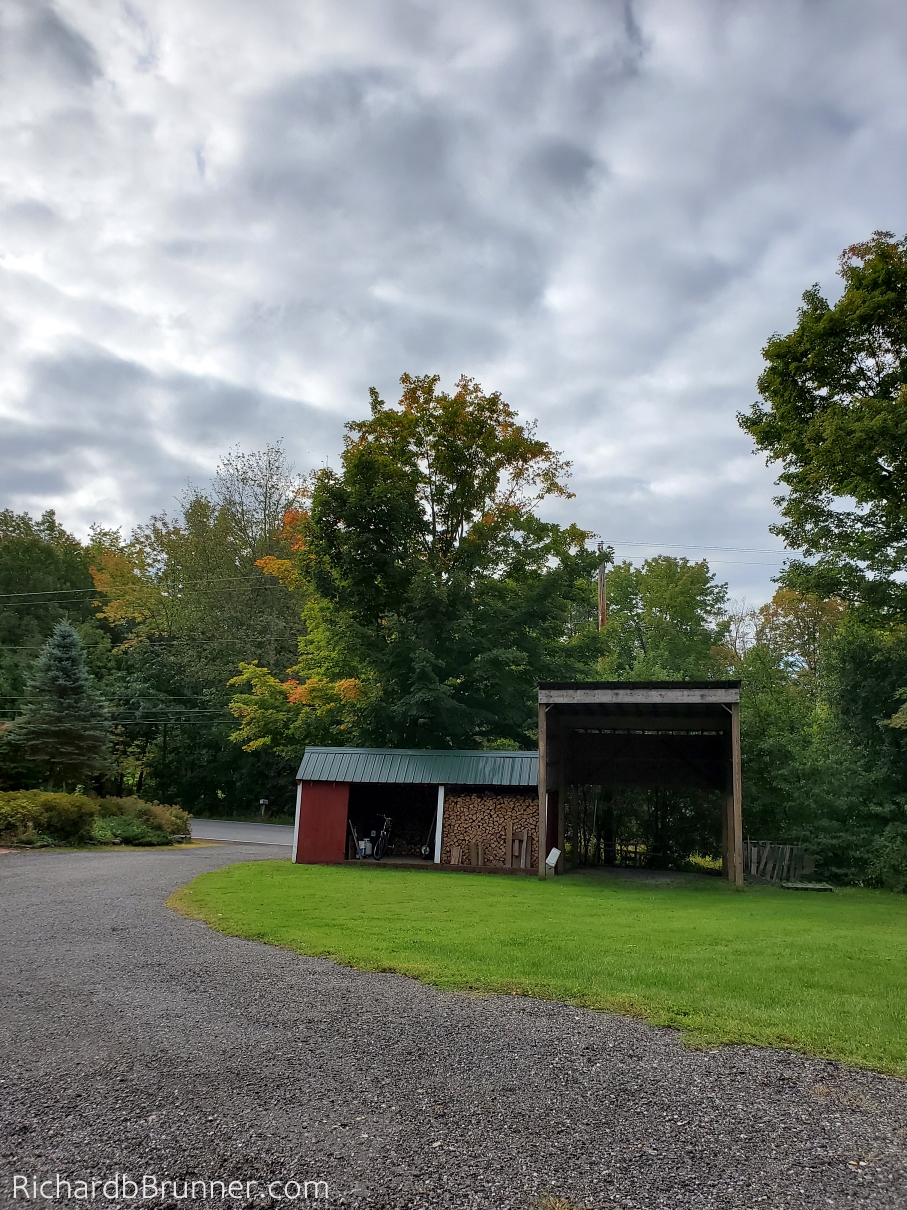
≈ Comments Off on Fall Changes
02 Monday Nov 2020
Posted in Music
≈ Comments Off on Top songs I listened to in 2017: Bebe – Me fui
01 Sunday Nov 2020
31 Saturday Oct 2020
31 Saturday Oct 2020
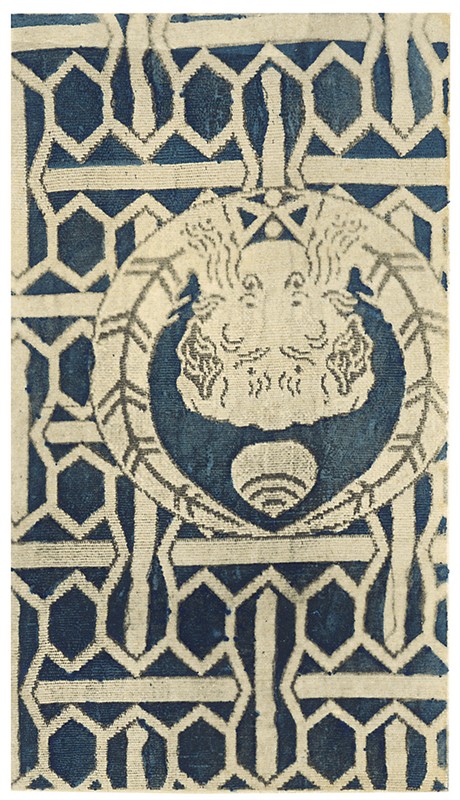
Posted by RichardB | Filed under Japanese Textile Designs
≈ Comments Off on Japanese Textile Designs 99
30 Friday Oct 2020
Posted in My Photos
≈ Comments Off on Morning Snow
29 Thursday Oct 2020
Life has a rhythm, it’s constantly moving.
The word for rhythm ( used by the Malinke tribes ) is FOLI.
It is a word that encompasses so much more than drumming, dancing, sound or moving.
It’s found in every part of daily life, even in our sleep.
What rhythm do you have in your life?
29 Thursday Oct 2020
Tags
Sometimes, if you stand on the bottom rail of a bridge and lean over to watch the river slipping slowly away beneath you, you will suddenly know everything there is to be known. Pooh’s Little Instruction Book

28 Wednesday Oct 2020
28 Wednesday Oct 2020
Posted in Meditation, Pain
≈ Comments Off on Meditation, Hypnosis, and Relaxation for Pain Treatment
Tags
Stress and pain are intimately related. When being in pain causes stress or being stressed worsens pain, psychological therapies — including hypnosis, meditation, and relaxation — may help break the cycle.
For pain therapists, these treatments, which focus on the relationship between the mind and body, are considered mainstream. For other health professionals, they may be considered alternative or complementary therapies. Regardless of how they are labeled, there is evidence that for many people they work.
If you’re considering trying one of these approaches to pain relief, here’s what you need to know.
Hypnosis
For many, hypnosis brings to mind a parlor game or nightclub act, where a man with a swinging watch gets volunteers to walk like a chicken or bark like a dog. But clinical, or medical, hypnosis is more than fun and games. It is an altered state of awareness used by licensed therapists to treat psychological or physical problems.
During hypnosis, the conscious part of the brain is temporarily tuned out as the person focuses on relaxation and lets go of distracting thoughts. The American Society of Clinical Hypnotists likens hypnosis to using a magnifying glass to focus the rays of the sun and make them more powerful. When our minds are concentrated and focused, we are able to use them more powerfully. When hypnotized, a person may experience physiologic changes, such as a slowing of the pulse and respiration, and an increase in alpha brain waves. The person may also become more open to specific suggestions and goals, such as reducing pain. In the post-suggestion phase, the therapist reinforces continued use of the new behavior.
Benefits of Hypnosis
Research has shown medical hypnosis to be helpful for acute andchronic pain. In 1996, a panel of the National Institutes of Health found hypnosis to be effective in easing cancer pain. More recent studies have demonstrated its effectiveness for pain related to burns, cancer, and rheumatoid arthritis and reduction of anxiety associated with surgery. An analysis of 18 studies by researchers at Mount Sinai School of Medicine in New York revealed moderate to large pain-relieving effects from hypnosis, supporting the effectiveness of hypnotic techniques for pain management.
If you want to try hypnosis, you can expect to see a practitioner by yourself for a course of 1-hour or half-hour treatments, although some practitioners may start with a longer initial consultation and follow up with 10- to 15-minute appointments. Your therapist can give you a post-hypnotic suggestion that will enable you to induce self-hypnosis after the treatment course is completed.
Alternatively, audio recordings exist that walk the listener through the steps necessary to achieve the benefits from hypnosis.
To find a hypnotherapist, speak to your doctor or contact the American Society of Clinical Hypnosis.
Meditation
Meditation involves using a number of awareness techniques to help quiet the mind and relax the body. The two most common techniques are:
Benefits of Meditation
Studies suggest that meditating can increase pain tolerance, activity levels, and self-esteem and decrease anxiety, stress, depression, and use of pain medications.
Mindfulness meditation has been used successfully in programs to reduce pain and improve mood in patients with chronic pain from a variety of conditions, including headache, low back pain, chest pain, and gastrointestinal pain.
There are varied forms of meditation and training certification organizations; for example, one can get certified in mindfulness-based stress reduction (MBSR), but if you’re not sure, speak to your doctor, who may be able to recommend a good teacher or teaching facility.
To practice meditation, repeated meetings with the instructor may not be necessary. A recent study examining the perception of pain and various mental training techniques has found that relatively short and simple mindfulness meditation training can have a significant positive and long-term effect on pain.
Relaxation Therapies
Relaxation therapies include a range of techniques with the goal of reducing stress. In addition to meditation, the major types of relaxation techniques are:
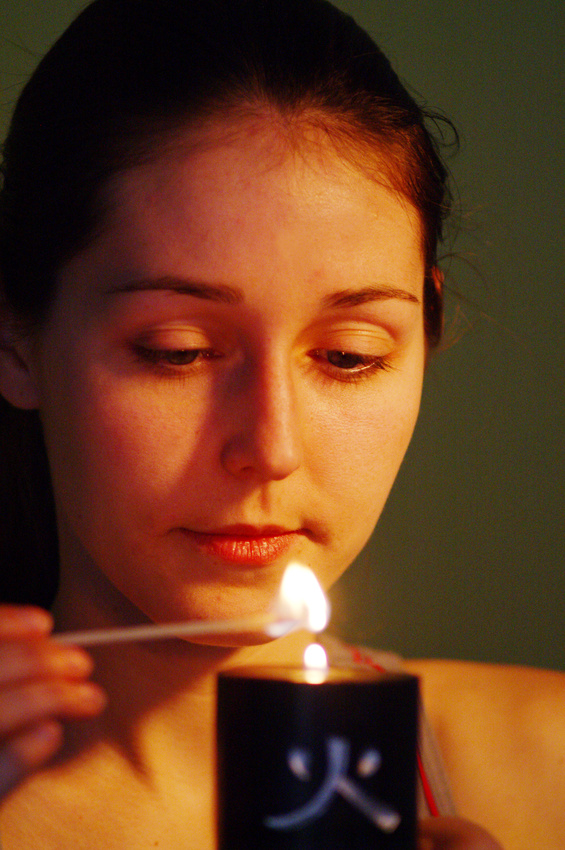
Progressive muscle relaxation .Also known as systematic muscle relaxation and Jacobson relaxation, this technique involves slowly tensing, briefly holding, and then releasing each muscle group in a systematic fashion, starting with the muscles in the toes and moving upward. During this exercise, the person should notice the differences between tension and relaxation.
Autogenic training . This technique uses visual imagery and body awareness to achieve relaxation. The person imagines being in a peaceful place and then focuses on different physical sensations, such as heaviness of the limbs or a calm heartbeat. People may practice on their own, creating their own images, or be guided by a therapist. Patients may also be encouraged to see themselves coping more effectively with stressors in their lives.
Breathing. Breathing techniques teach people to breathe effectively to relieve stress. While placing one hand on the chest and another on the belly, the person is instructed to take a slow, deep breath, taking in as much air as possible. During this, the belly should press against the hand. After holding their breath for a few seconds, patients are instructed to slowly exhale.
Benefits of Relaxing
While research is ongoing, there is evidence to suggest the effectiveness of relaxation techniques for reducing chronic pain related to a variety of medical conditions, including stress-related disorders. Other benefits may include reduced muscle tension and insomnia and increased activity level.
The best way to learn relaxation techniques is with the help of a trained practitioner. Usually, these techniques are taught in a group class and then practiced regularly at home.
There is no widely accepted license for practicing relaxation therapy. However, it is often practiced by therapists and psychologists. Ask your doctor for a recommendation.
Risks of Mind-Body Therapies
Although mind/body therapies don’t have the risks of medical or surgical therapies, there have been rare reports of adverse reactions from them.
If you have poorly controlled cardiovascular disease, experts recommend avoiding progressive muscle relaxation, because abdominal tensing can cause increased pressure in the chest cavity, slowing of the pulse, decreased return of blood to the heart, and increased venous pressure.
If you have a history of psychosis or epilepsy, you may wish to speak with your doctor before trying meditation. There have been reports of some people having further acute episodes following deep and prolonged meditation.
Hypnosis or deep relaxation can sometimes worsen psychological problems in people with post-traumatic stress disorders or a susceptibility to false memories. Its use should be avoided in patients with borderline personality disorder, dissociative disorders, or with patients who have histories of profound abuse. Because competent hypnotherapists are skilled in recognizing and referring patients with these conditions, only appropriately trained and experienced practitioners should undertake hypnosis.
27 Tuesday Oct 2020
27 Tuesday Oct 2020
Posted in My Photos
≈ Comments Off on Fall Changes
Tags


26 Monday Oct 2020
Posted in Music
≈ Comments Off on From the Play List Top songs I have listened to in 2016: Xenia Rubinos – “Lonely Lover”
Tags
I have a 16,000 plus digital audio collection and I use Media Monkey to manage my files. One feature of Media Monkey is you can sort your collection based on the number of times played. This playlist is based on the top music and/or music video files I played/listened/streamed. 2016 Playlist






 RichardbBrunner