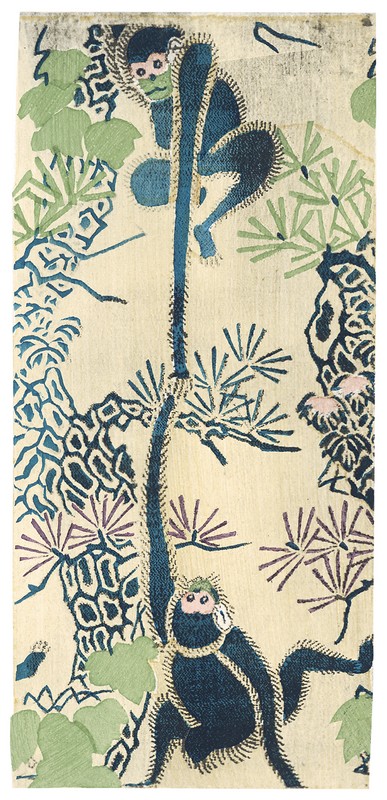
Posted by RichardB | Filed under Japanese Textile Designs
≈ Comments Off on Japanese Textile Designs 131

14 Saturday Dec 2019
Posted by RichardB | Filed under Japanese Textile Designs
≈ Comments Off on Japanese Textile Designs 131
14 Saturday Dec 2019
13 Friday Dec 2019
Posted in Uncategorized
≈ Comments Off on our food
Mother Nature clearly intended for us to get our food from the “patty” group, which includes hamburgers, fish sticks, and McNuggets- foods that have had all of their organs safely removed. Dave Barry

Photo by Valeria Boltneva on Pexels.com
13 Friday Dec 2019
Tags
“You must learn from the mistakes of others. You can’t possibly live long enough to make them all yourself.” Sam Levenson

12 Thursday Dec 2019
Posted in Handout
Tags
In my years f doing groups I have on occasion facilitated men only groups. One issue that comes up is depression. We all have bouts of sadness now and then and when those bouts of sadness interfere with our daily lives than we need to take a step in the direction of change. Below is a handout I often use, particularly with dual diagnosed men.

Symptoms of Depression
Not everyone who is depressed or manic experiences every symptom. Some people experience only a few; some people suffer many. The severity of symptoms varies among individuals and also over time.
· Persistent sad, anxious, or “empty” mood.
· Feelings of hopelessness or pessimism.
· Feelings of guilt, worthlessness, or helplessness.
· Loss of interest or pleasure in hobbies and activities that were once enjoyable
· Decreased energy, fatigue; feeling “slowed down.”
· Difficulty concentrating, remembering, or making decisions.
· Trouble sleeping, early-morning awakening, or oversleeping.
· Changes in appetite and/or weight.
· Thoughts of death or suicide, or suicide attempts.
· Restlessness or irritability.
· Persistent physical symptoms, such as headaches, digestive disorders, and chronic pain that do not respond to routine treatment.
Co-Occurrence of Depression with Other Illnesses
Depression can coexist with other illnesses. In such cases, it is important that the depression and each co-occurring illness be appropriately diagnosed and treated. Research has shown that anxiety disorders which include post-traumatic stress disorder (PTSD), obsessive-compulsive disorder, panic disorder, social phobia, and generalized anxiety disorder commonly accompany depression.
Substance use disorders (abuse or dependence) also frequently co-occur with depressive disorders. Research has revealed that people with drug and/or alcohol addiction are almost twice as likely to experience depression.
Depression has been found to occur at a higher rate among people who have other serious illnesses such as heart disease, stroke, cancer, HIV, diabetes, and Parkinson’s.
Causes of Depression
Very often, a combination of cognitive, genetic, and environmental factors is involved in the onset of depression. Modern brain-imaging technologies reveal that, in depression, neural circuits responsible for the regulation of moods, thinking, sleep, appetite, and behavior fail to function properly.
In some families, depressive disorders seem to occur generation after generation; however, they can also occur in people with no family history of these illnesses. Genetics research indicates that risk for depression results from the influence of specific multiple genes acting together with non-genetic factors.
Environmental factors such as trauma, loss of a loved one, a difficult relationship, financial problem, or any stressful change in life patterns, whether the change is unwelcome or desired, can trigger a depressive episode in vulnerable individuals. Once someone experiences a bout of depression later episodes of depression may occur without an obvious cause.
Men and Depression
Men are more likely than women to report alcohol and drug abuse or dependence in their lifetime; however, there is debate among researchers as to whether substance use is a “symptom” of underlying depression in men or a co-occurring condition that more commonly develops in men. Nevertheless, substance use can mask depression, making it harder to recognize depression as a separate illness that needs treatment.
Instead of acknowledging their feelings, asking for help, or seeking appropriate treatment, men may turn to alcohol or drugs when they are depressed, or become frustrated, discouraged, angry, irritable, and, sometimes, violently abusive. Some men deal with depression by throwing themselves compulsively into their work, attempting to hide their depression from themselves, family, and friends. Other men may respond to depression by engaging in reckless behavior, taking risks, and putting themselves in harm’s way.
How to Help Yourself if You Are Depressed
Depressive disorders can make one feel exhausted, worthless, helpless, and hopeless. It is important to realize that these negative views are part of the depression and do not accurately reflect the actual circumstances. Negative thinking fades as treatment begins to take effect. In the meantime:

11 Wednesday Dec 2019
Finding happiness in the everyday and mundane is a challenge and really easy, at the same time. It has to do with how you see yourself and world around you. Below is a panel discussion by ‘experts’, which is funny in itself.
2013 Stanford University Roundtable: Are You Happy Now?
Streamed live on Oct 18, 2013
The talking starts at 13:00 minutes in. The science of happiness is a growing and intriguing field. Research about what truly makes people happy is not only surprising, but applicable no matter how much money we make or where we live. Join moderator Katie Couric and a panel of experts in psychology, business, neuroscience and design for a Roundtable discussion about the happiness and sense of wellbeing that elude so many, but are sought by all.
11 Wednesday Dec 2019
Posted in creative arts therapy, Dance Movement Therapy, research, youtube
≈ Comments Off on Kestenberg Movement Profile: Tension Flow Rhythms
Tags
KMP Movement Analysis is the comprehensive system for identifying psychological, developmental, emotional, cognitive and global health/imbalance through movement observation, notation and interpretation.
If the mind, emotions, and body are a closely integrated , mutually interacting system, then it is reasonable that we should be able to gain information about the mind by observing the body. The body and its manner of moving not only reveals aspects of current feelings and emotions, but can give us insight into an individual’s past. As Loman and Foley wrote in 1996, “…experiences get stored in the body and are reflected in body movement.” A person who feels rejected may develop a hollow, narrowed body attitude which expresses and reinforces such feelings throughout life. Because both physical and emotional experiences leave long term traces upon the way people hold themselves and move, the study of movement opens a door to the study of patterns of early development, coping strategies and personality configurations.
10 Tuesday Dec 2019
Posted in Health, heart, Uncategorized
≈ Comments Off on Testosterone Treatment Accelerates Plaque Build-Up
Tags
Older men may want to think twice before starting testosterone treatment, based on results of a clinical trial that found testosterone speeds up the development of plaque in the heart’s arteries.
 Published in the Journal of the American Medical Association, this study looked at the association between testosterone treatment and plaque build-up in older men. It was conducted in response to recent studies that have raised concerns about the impact of testosterone therapy on heart health.
Some studies have found that testosterone treatment may increase risk for heart events like heart attack and stroke, while others have found no relationship. With a ten-fold increase in testosterone sales in the United States from 2000–2011, experts worry about the potential impact of widespread testosterone use on heart health.
For this reason, researchers conducted the Testosterone Trials, which investigated the effects of testosterone treatment in elderly men with low testosterone. The studies looked at multiple outcomes, such as sexual function, brain function, vitality and cardiovascular risk.
The heart-related trial was conducted from 2010–2014 and included 170 men aged 65 years or older with low testosterone. For one year, half of participants were randomly assigned to active testosterone treatment—a topical gel applied to the arms and shoulders daily—while half received a placebo gel with no active ingredients.
At the start and end of the study, participants underwent a test called coronary computed tomographic angiography, which uses CT imaging to measure plaque build-up in the heart. Plaque build-up is dangerous because it narrows the heart’s arteries and is associated with increased risk for heart disease—the leading killer of Americans.
After analysis, researchers found that men taking testosterone had a greater increase in non-calcified plaque volume during the study period compared to men using the placebo gel. In fact, on average men taking testosterone had a 41mm3 greater increase in plaque volume than those taking the placebo, and this difference was considered statistically significant.
While findings suggest testosterone treatment accelerates plaque build-up in older men, authors do note certain limitations. The study only followed participants for one year, which is a relatively short time period. It also did not assess the impact of plaque build-up on outcomes like heart attack and death, so it’s unknown whether testosterone treatment impacts long-term health outcomes.
However, the study still raises concerns about the safety of testosterone treatment in older men with low testosterone. As a result, experts suggest that patients considering testosterone therapy discuss the risks and benefits with their doctor before making any decisions about testosterone treatment. They also encourage further research on the issue to better understand the association between testosterone treatment and heart health in older men.
09 Monday Dec 2019
09 Monday Dec 2019
Tags
07 Saturday Dec 2019

Posted by RichardB | Filed under Seguy Art Deco Designs
≈ Comments Off on Seguy Art Deco Designs 116
07 Saturday Dec 2019

Posted by RichardB | Filed under Coloring Pages
≈ Comments Off on Sparrow Hawk Coloring Page
06 Friday Dec 2019
Posted in Differences
≈ Comments Off on differences
Tags
It is not our differences that divide us. It is our inability to recognize, accept, and celebrate those differences. Audre Lorde

06 Friday Dec 2019

05 Thursday Dec 2019
Posted in Meditation, mindfulness, Wellness, youtube
≈ Comments Off on Meditation and Psychotherapy
Tags
04 Wednesday Dec 2019
Posted in grounding, Health, Relaxation, Wellness
≈ Comments Off on Relaxation
Tags

Currently, there is some scientific evidence that relaxation techniques may be an effective part of an overall treatment plan for some disorders, including:
Relaxation involves practice and willingness to fully engage in the process of relaxing. Stay tuned for some great relaxing tools.
04 Wednesday Dec 2019
Posted in Meditation, mindfulness, Uncategorized
≈ Comments Off on Meditation and Pain Management
Meditation can relieve pain, and it does so by activating multiple brain areas, according to an April 2011 study in the Journal of Neuroscience. Fadel Zeidan of Wake Forest University and his colleagues scanned people’s brains as they received uncomfortably hot touches to the leg. When subjects practiced a mindful meditation technique that encourages detachment from experience while focusing on breathing, they reported less pain than when they simply paid attention to their breathing. Likewise, different patterns of brain activity emerged under the two conditions, with mindful meditating resulting in more activity not only in executive centers that evaluate experiences and regulate emotions but also in lower regions that control the signals coming from the body.
The volunteers learned the meditation technique in only four 20-minute sessions, which means this pill-free analgesia could be a feasible way to help real patients suffering from pain. “People can reap some of the benefits of meditation without extensive training,” Zeidan says.
When I work with patients using mindfulness I start by asking who has experience with any type of meditation, breathing techniques and/or relaxation exercises. We than have a brief explanation and question and answer period and I focus on removing any doubt, fear, or skepticism. I usually than do a 10 to 12 minute body scan moving right into a mindful meditation that focuses on the breath.
With the co-occurring patients I work with this process seems to work the best. The chat in the beginning warms people up, the body scan relaxes which helps the meditators enter into a more meditative state.
03 Tuesday Dec 2019
Posted in creative, Creativity, youtube
≈ Comments Off on Cédric Villani on the 7 Ingredients of Creativity
02 Monday Dec 2019
Posted in emotions, Health, mindfulness, Self expression, Wellness
≈ Comments Off on Self-Affirmation Improves Problem-Solving


02 Monday Dec 2019
Tags

 RichardbBrunner