• Home
  • Music
  • About
  • Contact
  • CreativeTherapyTools.com

RichardbBrunner

~ creative arts therapist

RichardbBrunner

Tag Archives: wellness

Child Life Services Make Treatment Less Scary for Girl With Crohn’s Disease. Cleveland Clinic

09 Tuesday May 2023

Posted by RichardB in creative arts therapy

≈ Comments Off on Child Life Services Make Treatment Less Scary for Girl With Crohn’s Disease. Cleveland Clinic

Tags

creative arts therapy, kids, wellness

Men & recovery

15 Wednesday Mar 2023

Posted by RichardB in Handout, Mental Health, Psychoeducation, recovery

≈ Comments Off on Men & recovery

Tags

Education, men, therapy, wellness

I often do men’s groups and have worked with men in recovery from intoxicant use. Below is a handout I sometimes use to facilitate discussion.

1. SAMHSA studies (1996 and 2000) have found that the vast majority of American men over 12 years of age (82.6%) had used alcohol at least once in their lifetime. The data indicate that 9% of men reported heavy alcohol use (five or more drinks at one time in the previous month), compared to 2% of women. Approximately 34% of the sample reported using illicit drugs.

2. Men are more than twice as likely to develop substance use disorders as women. Men begin using substances earlier than women and have more opportunity to try drugs. Men become intoxicated twice as often as women and are 3-4 times more likely to experience problem drinking and alcoholism. These patterns cross all demographic lines of race, income, education, marital status, and geographic location.

3. Men suffer far more adverse consequences of substance abuse than women. Clearly, the social construction of masculinity plays a significant role in these statistics.

4. Men’s attitudes toward alcohol and drugs tend to be generally less negative than women’s attitudes. The use of substances is not viewed as a problem for men but rather as a rite of passage, a sign of true manliness. By contrast, substance use is more likely to be viewed as something for women to avoid due to increased sexual vulnerability. Moreover, such behavior is viewed as incompatible with female roles, including family and relationship expectations.

5. Co-occurring psychiatric disorders occur commonly among men. One study found that 55% of the men identified as having a substance abuse problem also experienced mental health problems. Men often suffer from depression in conjunction with a substance abuse problem. On the other hand, men are not as likely as women to express their feelings of guilt, sadness, or worthlessness (all signs of depression) and may engage in reckless behavior as a way to deal with their depression. Men are also at greater risk of depression when they have experienced a trauma such as combat, an accident, or physical violence.

6. Men are also at greater risk for co-occurring medical problems, such as disorders of the liver, pancreas, and the neurological and gastrointestinal systems. Heavy alcohol use correlates with greater risk of prostate cancer and lower amounts of testosterone. Men who abuse alcohol are more likely to engage in unprotected sex and are at greater risk of contracting HIV, hepatitis, and other STDs.

7. Violence is closely associated with substance use and abuse among men. The relationship between early childhood sexual trauma and substance abuse in men has been well documented. Substance using and abusing men also show high rates of violence.

8. Men who use and abuse substances also tend to have higher rates of problems related to fatherhood and families. They are twice as likely not to pay child support as those without

Mens_Recovery

alcohol and drug problems. Substance abuse and violence may also be a factor in separating men from their families. The results of this alienation are dramatic: when men are not in relationships or do not have children they are less likely to complete treatment.

The Ten Rules For Being Human

30 Wednesday Nov 2022

Posted by RichardB in Health, Psychoeducation

≈ Comments Off on The Ten Rules For Being Human

Tags

feeling, grounded, human, wellness

1. You will receive a body.

2. You will be presented with lessons.

3. There are no mistakes, only lessons.

Dog with glasses using laptop computer

4. Lessons are repeated until learned.

5. Learning does not end.

6. “There” is no better than “here.”

7. Others are only mirrors of you.

8. What you make of your life is up to you.

9. All the answers lie inside of you.

10. You will forget all of this at birth.

Gut Health

11 Friday Nov 2022

Posted by RichardB in Wellness

≈ Comments Off on Gut Health

Tags

eating well, gut health, wellness

Research Identifies How Stress Triggers Relapse

05 Wednesday Oct 2022

Posted by RichardB in Addiction, brain, Stress

≈ Comments Off on Research Identifies How Stress Triggers Relapse

Tags

research, wellness

Recent research from Brown University could pave the way for new methods of treatment for those recovering from addiction. Researchers identified an exact brain region in rats where the neural steps leading to drug relapse take place, allowing them to block a crucial step in the process that leads to stress-induced relapse.

Prior research has established that acute stress can lead to drug abuse in vulnerable individuals and increase the risk of relapse in recovering addicts. But the exact way that stress triggers the neural processes leading to relapse is still not clearly understood. The Brown study provides new insights on how stress triggers drug abuse and could lead to more effective treatments for addiction.

According to the study, stress has significant effects on plasticity of the synapses on dopamine neurons in the ventral tegmental area (VTA), the brain region where the neural activities leading to a stress-induced drug relapse take place.

Stress activates kappa opioid receptors (KORs) in the VTA, and the researchers found that by blocking the KORs, they could prevent the rats from relapsing to cocaine use while under stress.

Published in the journal Neuron, the study shows blocking these receptors may be a critical step in preventing stress-related drug relapses in humans, as well. The chemical used to block the receptor, “nor-BMI,” may eventually be tested on humans, according to the study’s authors.

“If we understand how kappa opioid receptor antagonists are interfering with the reinstatement of drug seeking, we can target that process,” senior study author Julie Kauer said in a statement. “We’re at the point of coming to understand the processes and possible therapeutic targets. Remarkably, this has worked.”

Kauer noted that the study builds upon over a decade of research on how changes in brain synapses relate to behaviors like addiction. The advance is significant and could accelerate progress towards a medication for those struggling to recover from addiction.

“If we can figure out how not only stress, but the whole system works, then we’ll potentially have a way to tune it down in a person who needs that,” Kauer said.

Dogs helping humans heal | Moschell Coffey | TEDxAmherst

19 Friday Aug 2022

Posted by RichardB in animals, Pets

≈ Comments Off on Dogs helping humans heal | Moschell Coffey | TEDxAmherst

Tags

dogs, pets, wellness

Movement therapy helps young kids

18 Wednesday May 2022

Posted by RichardB in Dance Movement Therapy, Movement, YouTube

≈ Comments Off on Movement therapy helps young kids

Tags

health, kids, movement therapy, Psychotherapy, therapy, wellness

Dancing with Parkinson’s: Discovering your movement expression

18 Friday Feb 2022

Posted by RichardB in creative arts therapy, Dance, Dance Movement Therapy, Movement, Psychotherapy, Wellness, YouTube

≈ Comments Off on Dancing with Parkinson’s: Discovering your movement expression

Tags

wellness

Watching Birds, Trees is Good for Mental Health

07 Tuesday Dec 2021

Posted by RichardB in Mental illness, Wellness

≈ 1 Comment

Tags

Birds, trees, wellness

According to a study led by University of Exeter researcher Daniel Cox, people living in neighborhoods with more birds, shrubs and trees are less likely to suffer from depression, anxiety and stress.

Dr. Cox and his colleagues from the University of Maryland, the University of Queensland in Australia, the British Trust for Ornithology and the University of Exeter in the UK, surveyed mental health in 263 people from different ages, incomes and ethnicities.2018-fall0039-sm


“All the participants lived within the urban limits of the so-called ‘Cranfield triangle,’ a region in southern England, UK, comprising the three adjacent towns of Milton Keynes, Luton, and Bedford,” the researchers said.

They found benefits for mental health of being able to see birds, shrubs and trees around the home, whether people lived in urban or more leafy suburban neighborhoods. They also found that those who spent less time out of doors than usual in the previous week were more likely to report they were anxious or depressed. MORE

Dance/Movement Therapy & Rena Kornblum

10 Wednesday Nov 2021

Posted by RichardB in creative arts therapy, Dance, Dance Movement Therapy, Movement, Psychology, Psychotherapy, Wellness, YouTube

≈ Comments Off on Dance/Movement Therapy & Rena Kornblum

Tags

Dance Movement Therapy.dance, Movement, Self expression, therapy, wellness

The University of Wisconsin-Madison, School of Social Work, presents a lecture by Rena Kornblum.
Dance/movement therapy is the psycho-therapeutic use of movement to further the emotional, cognitive, physical and social integration of the individual.
In this video, you will learn about the field of dance/movement therapy, and how non-verbal work can augment your practice.
Rena Kornblum, MCAT, ADTR, DTRL, is the Executive Director of Hancock Center for Dance/Movement Therapy & a Board Certified dance/movement therapist.

Dance/Movement Therapy & Dementia

29 Wednesday Sep 2021

Posted by RichardB in creative arts therapy, Dance Movement Therapy, Dementia, Movement, YouTube

≈ Comments Off on Dance/Movement Therapy & Dementia

Tags

creative arts therapy, wellness

What is Dance Movement Therapy?

10 Wednesday Feb 2021

Posted by RichardB in creative arts therapy, Dance Movement Therapy, Psychotherapy, Therapy

≈ Comments Off on What is Dance Movement Therapy?

Tags

dance, dmt, kids.teens.adults, therapy, wellness

According to the American Dance Therapy Association (ADTA): Based on the understanding that the body and mind are interrelated, dance/movement therapy (D/MT) is defined as the psychotherapeutic use of movement to further the emotional, cognitive, physical, and social integration of the individual. Dance/movement therapy is practiced in mental health, rehabilitation, medical, educational, and forensic settings, and in nursing homes, day care centers, disease prevention, and health promotion programs. The dance/movement therapist focuses on movement behavior as it emerges in the moving2therapeutic relationship. Expressive, communicative, and adaptive behaviors are all considered for both group and individual treatment. Body movement as the core component of dance simultaneously provides the means of assessment and the mode of intervention for dance/movement therapy.

I often define D/MT to clients as psychotherapy that is not limited to talking but encompasses the full range of human expression, including movement such as gestures and or postures, drawing, writing, drama, music and other expressions that can have a therapeutic benefit for the client(s).

Dance Movement Therapy is a creative arts therapy rooted in the expressive nature of dance. Since dance/movement comes from the body it is considered the most fundamental of the arts and is a direct expression (and experience) of the self. Dance/movement is a basic form of authentic communication, and as such it is an especially effective medium for therapy.

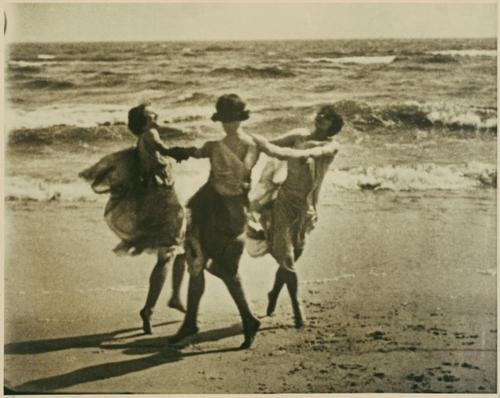
isadora%20duncanDance/movement therapists (R-DMT or BC-DMT) work with individuals of all ages, groups and families in a wide variety of settings. They focus on helping their clients improve self-esteem and body image, develop effective communication skills and relationships, expand their movement vocabulary, gain insight into patterns of behavior, as well as create new options for coping with problems. Movement is the primary medium DMT’s use for observation, assessment, research, therapeutic interaction, and interventions.

DMT’s work in settings that include psychiatric and rehabilitation facilities, schools, nursing homes, drug treatment centers, counseling centers, medical facilities, crisis centers, and wellness and alternative health care centers.

“I Won’t Give Up” – a Dance Performance by Donna Russo

10 Thursday Dec 2020

Posted by RichardB in Dance, YouTube

≈ 1 Comment

Tags

dance, Movement, performance, wellness

Watching Birds, Trees is Good for Mental Health

13 Friday Nov 2020

Posted by RichardB in Ecopsychology, Environment

≈ Comments Off on Watching Birds, Trees is Good for Mental Health

Tags

Birds, trees, wellness

According to a study led by University of Exeter researcher Daniel Cox, people living in neighborhoods with more birds, shrubs and trees are less likely to suffer from depression, anxiety and stress.

Dr. Cox and his colleagues from the University of Maryland, the University of Queensland in Australia, the British Trust for Ornithology and the University of Exeter in the UK, surveyed mental health in 263 people from different ages, incomes and ethnicities.

SONY DSC

“All the participants lived within the urban limits of the so-called ‘Cranfield triangle,’ a region in southern England, UK, comprising the three adjacent towns of Milton Keynes, Luton, and Bedford,” the researchers said.

They found benefits for mental health of being able to see birds, shrubs and trees around the home, whether people lived in urban or more leafy suburban neighborhoods. They also found that those who spent less time out of doors than usual in the previous week were more likely to report they were anxious or depressed. MORE

3 Dietary Interventions that Can Help Children with ADHD

30 Thursday Jul 2020

Posted by RichardB in brain, food, Research, Wellness

≈ Comments Off on 3 Dietary Interventions that Can Help Children with ADHD

Tags

ADHD, diet, food, kids, wellness

Are dietary inter­ven­tions effec­tive for treat­ing ADHD? For many par­ents and pro­fes­sion­als, try­ing to parse through the dif­fer­ent claims about the impact of diet on ADHD has been chal­leng­ing and confusing. At this point, sub­stan­tial research on how dietary inter­ven­tions impact ADHD has accu­mu­lated and sev­eral meta-analyses of this work have been pub­lished. Recently, a review of sev­eral meta-analyses of dietary inter­ven­tions for ADHD was pub­lished [Research review: The role of diet in the treat­ment of attention-deficit/hyper­ac­tiv­ity dis­or­der — an appraisal of the evi­dence on effi­cacy and rec­om­men­da­tions on the design of future stud­ies]. In this paper, the authors sum­ma­rize find­ings across 6 dif­fer­ent meta-analyses of the impact of diet on ADHD to pro­vide a high level sum­mary of the best avail­able evi­dence to date.

Types of dietary interventions j0430914

Three types of dietary inter­ven­tions were reviewed — Restricted Elim­i­na­tion Diets (RED), Arti­fi­cial food col­or­ing exclu­sion (AFCE), and sup­ple­men­ta­tion with free fatty acids (SFFA). Although other types of sup­ple­ments beyond free fatty acids have been inves­ti­gated, the authors felt there was not suf­fi­cient research on any sin­gle approach to include in their summary.

1. Restricted elim­i­na­tion diets (RED) — There are 2 dif­fer­ent approaches to imple­ment­ing this diet. In one approach, the child is placed on an extremely restricted diet, e.g., rice, turkey, a range of veg­eta­bles (let­tuce, car­rots, cau­li­flower, cab­bage, beets), pears and water; this is some­times referred to as the Few Food Diet. When a reduc­tion in ADHD behav­iors results — this would gen­er­ally occur within 2–3 weeks if the diet is going to have a pos­i­tive effect — new foods can be added back one at a time to see if they are well-tolerated or lead to an increase in prob­lem behav­iors. Alter­na­tively, par­tic­u­lar foods that are sus­pected to exac­er­bate a child’s symp­toms may be removed one at a time to see if the child’s behav­ior improves.

2. Arti­fi­cial food col­or­ing exclu­sion (AFCE)- As the title indi­cates, this involves efforts to remove all arti­fi­cial food col­or­ings from a child’s diet, e.g.,Yellow #6, Yel­low #5, Sodium Ben­zoate, Blue #2, etc., and observ­ing whether this is asso­ci­ated with a reduc­tion in ADHD behav­iors. Care­fully con­ducted tri­als have demon­strated that AFC’s – in amounts chil­dren could typ­i­cally con­sume – can increase ADHD symp­toms in many children.

3. Essen­tial fatty acid sup­ple­men­ta­tion — Cer­tain fatty acids, e.g., Omega 3 and Omega 6, pro­mote neural func­tion­ing. These fatty acids are called essen­tial because they are not syn­the­sized in the body and must be ingested. Chil­dren with ADHD may have lower lev­els of essen­tial fatty acids rel­a­tive to peers and sev­eral stud­ies have demon­strated a link between low lev­els of EFAs and the sever­ity of ADHD symp­toms. Stud­ies inves­ti­gat­ing the ben­e­fits of fatty acid sup­ple­men­ta­tion for youth with ADHD raise fatty acid lev­els by admin­is­ter­ing cap­sules con­tain­ing the fatty acids or some­times by intro­duc­ing diets rich in fish products. – See more at: http://www.creativitypost.com/science/3_dietary_interventions_that_can_help_children_with_adhd_especially_when_pr

Asanas that chase away the blues

28 Thursday May 2020

Posted by RichardB in breath, emotions, grounding, positive, Wellness

≈ Comments Off on Asanas that chase away the blues

Tags

asanas, health, wellness, yoga

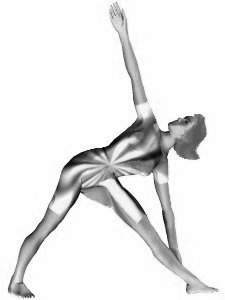
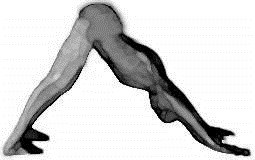
Nice article from the Times of India, citing research using Yoga Asanas: Among the many clinical researches being conducted at Nimhans , one involved patients of an old-age home who were exposed to six months of yoga therapy. MRI scans taken before and after showed an increase in the size of the hippocampus, the brain’s memory index. “It wasdog1 larger than before because the grey matter had increased. The results will be published in a scientific journal shortly ,” adds Gangadhar. The hippocampus is vulnerable to stress and atrophy is seen in patients of schizophrenia, post-traumatic stress disorder (PTSD) and severe depression. “Yoga acts as an antidepressant ,” he says. Read the entire article here.

What is Dance Movement Therapy?

07 Thursday May 2020

Posted by RichardB in creative arts therapy, Dance Movement Therapy, Psychotherapy

≈ Comments Off on What is Dance Movement Therapy?

Tags

dance, dmt, kids.teens.adults, therapy, wellness

According to the American Dance Therapy Association (ADTA): Based on the understanding that the body and mind are interrelated, dance/movement therapy (D/MT) is defined as the psychotherapeutic use of movement to further the emotional, cognitive, physical, and social integration of the individual. Dance/movement therapy is practiced in mental health, rehabilitation, medical, educational, and forensic settings, and in nursing homes, day care centers, disease prevention, and health promotion programs. The dance/movement therapist focuses on movement behavior as it emerges in the therapeutic relationship. Expressive, communicative, and adaptive behaviors are all considered for both group and individual treatment. Body movement as the core component of dance simultaneously provides the means of assessment and the mode of intervention for dance/movement therapy.

I often define D/MT to clients as psychotherapy that is not limited to talking but encompasses the full range of human expression, including movement such as gestures and or postures, drawing, writing, drama, music and other expressions that can have a therapeutic benefit for the client(s).

Dance Movement Therapy is a creative arts therapy rooted in the expressive nature of dance. Since dance/movement comes from the body it is considered the most fundamental of the arts and is a direct expression (and experience) of the self. Dance/movement is a basic form of authentic communication, and as such it is an especially effective medium for therapy.

Dance/movement therapists (R-DMT or BC-DMT) work with individuals of all ages, groups and families in a wide variety of settings. They focus on helping their clients improve self-esteem and body image, develop effective communication skills and relationships, expand their movement vocabulary, gain insight into patterns of behavior, as well as create new options for coping with problems. Movement is the primary medium DMT’s use for observation, assessment, research, therapeutic interaction, and interventions.

DMT’s work in settings that include psychiatric and rehabilitation facilities, schools, nursing homes, drug treatment centers, counseling centers, medical facilities, crisis centers, and wellness and alternative health care centers.

The Ten Rules For Being Human

16 Thursday Apr 2020

Posted by RichardB in Handout, Health, Psychoeducation

≈ Comments Off on The Ten Rules For Being Human

Tags

feeling, grounded, human, wellness


1. You will receive a body.

2. You will be presented with lessons.

3. There are no mistakes, only lessons.

4. Lessons are repeated until learned.

5. Learning does not end.

6. “There” is no better than “here.”

7. Others are only mirrors of you.

8. What you make of your life is up to you.

9. All the answers lie inside of you.

10. You will forget all of this at birth.

Meditation can relieve pain

07 Tuesday Apr 2020

Posted by RichardB in grounding, Meditation, mindfulness, pain management, positive, Therapy, Wellness

≈ Comments Off on Meditation can relieve pain

Tags

meditation, pain, wellness

Meditation can relieve pain, and it does so by activating multiple brain areas, according to an April 2011 study in the Journal of Neuroscience. Fadel Zeidan of Wake Forest University and his colleagues scanned people’s brains as they received uncomfortably hot touches to the leg. When subjects practiced a mindful meditation technique that encourages detachment from experience while focusing on breathing, they reported less pain than when they simply paid attention to their breathing. Likewise, different patterns of brain activity emerged under the two conditions, with mindful meditating resulting in more activity not only in executive centers that evaluate experiences and regulate emotions but also in lower regions that control the signals coming from the body.

The volunteers learned the meditation technique in only four 20-minute sessions, which means this pill-free analgesia could be a feasible way to help real patients suffering from pain. “People can reap some of the benefits of meditation without extensive training,” Zeidan says. feelings-01

When I work with patients using mindfulness I start by asking who has experience with any type of meditation, breathing techniques and/or relaxation exercises. We than have a  brief explanation and question and answer period and I focus on removing any doubt, fear, or skepticism. I usually than do a 10 to 12 minute body scan moving right into a mindful meditation that focuses on the breath.

With the co-occurring patients I work with this process seems to work the best. The chat in the beginning warms people up, the body scan relaxes which helps the meditators enter into a more meditative state.

meditation

14 Friday Feb 2020

Posted by RichardB in Meditation, quote

≈ Comments Off on meditation

Tags

recovery, wellness

Dedicating some time to meditation is a meaningful expression of caring for yourself that can help you move through the mire of feeling unworthy of recovery. As your mind grows quieter and more spacious, you can begin to see self-defeating thought patterns for what they are, and open up to other, more positive options. Sharon Salzberg

feelings-40.jpg

← Older posts
Newer posts →

instagram

Follow RichardbBrunner on WordPress.com
  • Tumblr
  • YouTube

Blog at WordPress.com.

Privacy & Cookies: This site uses cookies. By continuing to use this website, you agree to their use.
To find out more, including how to control cookies, see here: Cookie Policy
  • Subscribe Subscribed
    • RichardbBrunner
    • Join 491 other subscribers
    • Already have a WordPress.com account? Log in now.
    • RichardbBrunner
    • Subscribe Subscribed
    • Sign up
    • Log in
    • Report this content
    • View site in Reader
    • Manage subscriptions
    • Collapse this bar
 

Loading Comments...